Introduction: A New Era of Competition
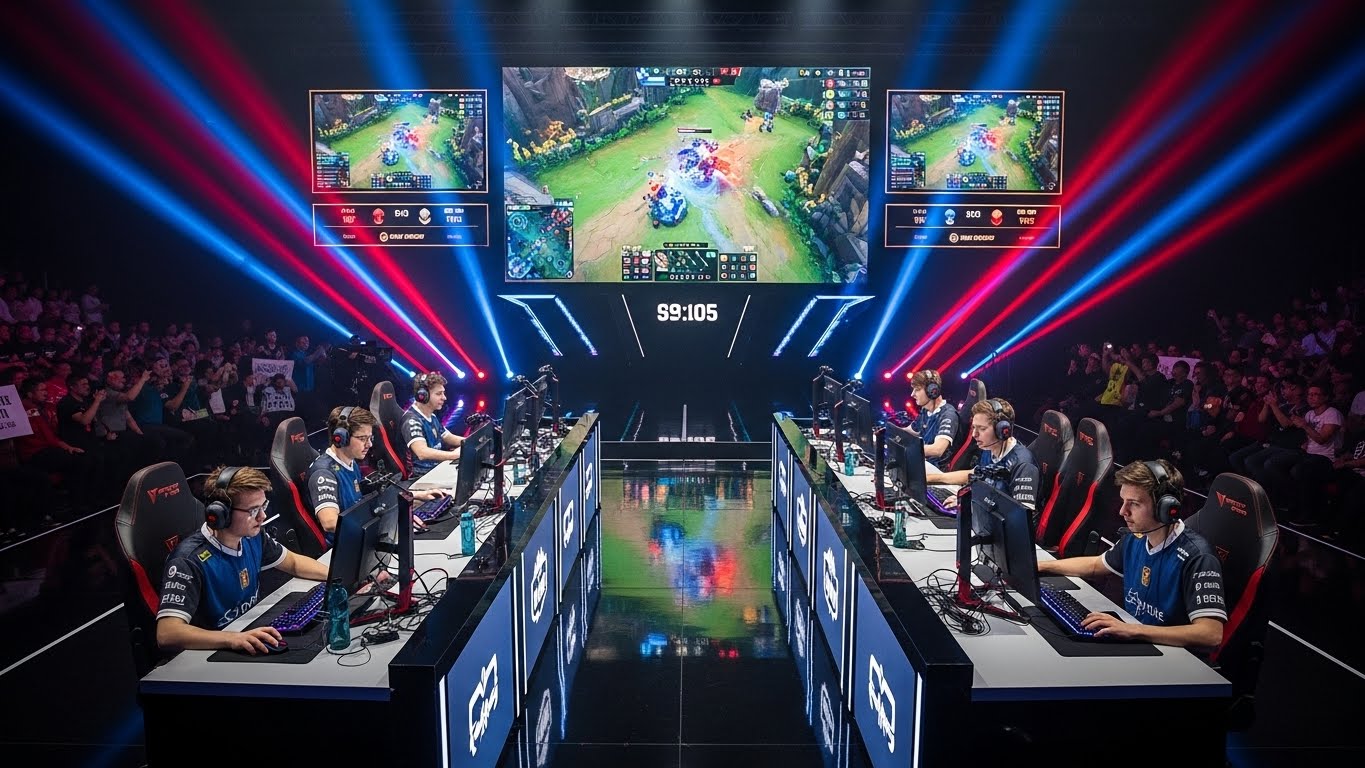
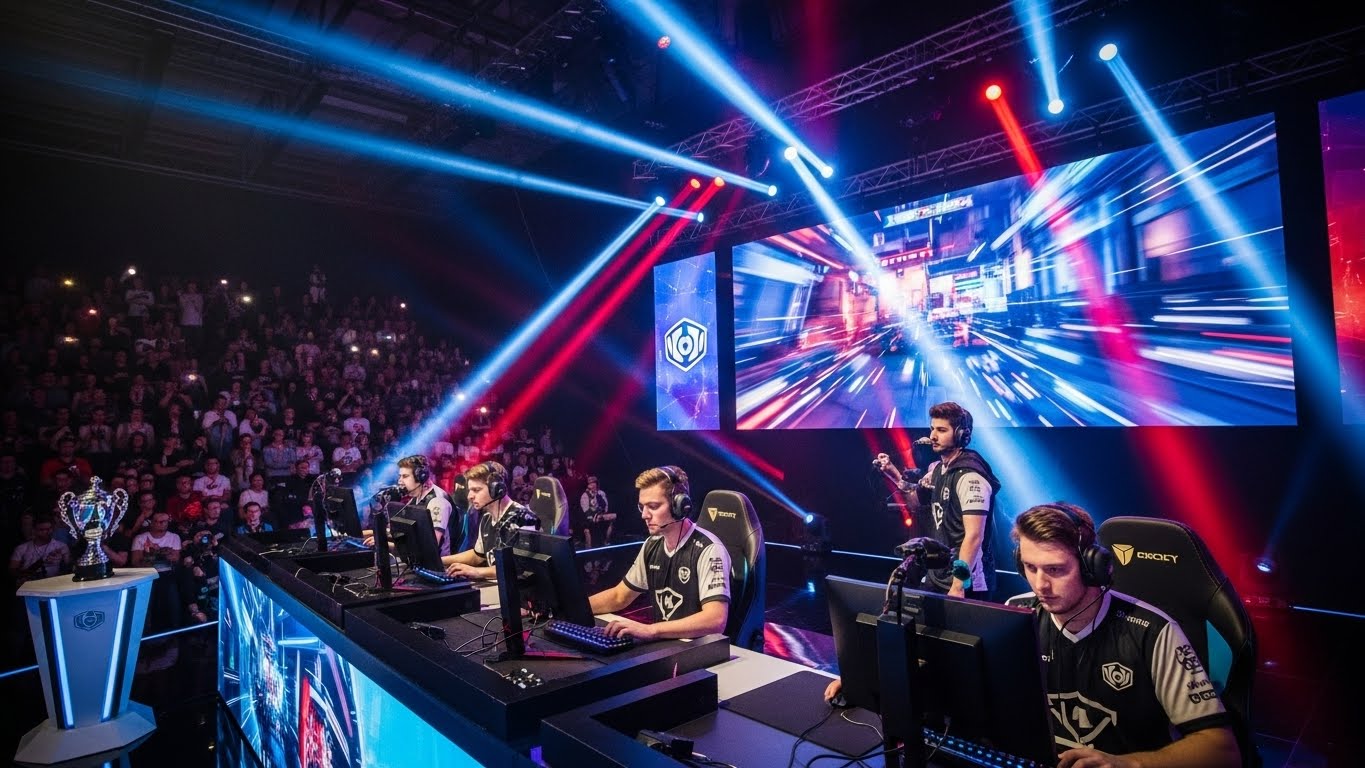
In the past decade, a new form of entertainment has emerged, captivating millions worldwide and transforming the way people interact with digital media. Esports, or competitive video gaming, has evolved from a niche hobby into a global phenomenon. With professional teams, international tournaments, and multi-million-dollar sponsorships, esports has positioned itself as a legitimate form of entertainment alongside traditional sports. Unlike casual gaming, esports emphasizes strategy, teamwork, skill, and mental endurance, turning digital play into a highly competitive and organized sport.
The Evolution of Esports
Esports did not appear overnight. Its origins can be traced back to the late 1970s and 1980s, when video games first gained popularity in arcades and on home consoles. Early competitions were often informal gatherings of enthusiasts, testing their skills in games like Pong and Space Invaders. By the 1990s, competitive gaming became more organized, with games such as Street Fighter, StarCraft, and Quake gaining recognition for their competitive communities. Internet connectivity played a crucial role in expanding esports, allowing players to compete remotely and enabling the formation of online leagues and tournaments. The 2000s marked a turning point, as games like Counter-Strike, Warcraft III, and DotA attracted significant player bases and formal competitive structures, laying the foundation for modern esports.
Popular Esports Genres and Games
Esports encompasses a variety of game genres, each with its unique style and fanbase. Multiplayer Online Battle Arenas (MOBAs) like League of Legends and Dota 2 emphasize teamwork, strategy, and individual skill, often requiring players to master multiple characters and complex in-game mechanics. First-Person Shooters (FPS), such as Counter-Strike: Global Offensive and Call of Duty, demand precision, reflexes, and tactical coordination. Battle Royale games like Fortnite and Apex Legends combine survival elements with competitive action, attracting younger audiences and streaming communities. Additionally, fighting games, sports simulations, and real-time strategy games continue to maintain loyal competitive scenes. This diversity ensures that esports appeals to a wide range of players and fans, catering to different interests and gaming preferences.
The Role of Streaming and Social Media
One of the most significant factors in the growth of esports is the rise of streaming platforms and social media. Services like Twitch, YouTube Gaming, and Facebook Gaming have allowed professional gamers to broadcast their matches to millions of viewers in real-time. Streaming has created a new layer of entertainment, where fans can engage with players, watch live tournaments, and experience the excitement of esports firsthand. Social media platforms have also amplified the reach of esports, helping communities grow, facilitating discussions, and promoting events globally. This combination of streaming and social interaction has transformed esports from a niche activity into a cultural phenomenon, bridging the gap between professional competition and fan engagement.
Professional Players and Teams
Professional esports players are no longer just hobbyists; they are athletes in every sense of the word. They dedicate countless hours to training, strategizing, and refining their skills, often under the guidance of coaches and analysts. Many players compete in teams, fostering a strong sense of collaboration and discipline. Teams are often sponsored by major brands, receive salaries, and compete in high-stakes tournaments with significant prize pools. Professional players also maintain personal brands, cultivating large followings on social media and streaming platforms. This combination of skill, dedication, and public persona has transformed esports athletes into role models and celebrities, influencing gaming culture and inspiring new generations of players.
Tournaments and Competitive Events
Tournaments are the lifeblood of esports, providing the stage for players and teams to showcase their talent. Esports events range from small online competitions to massive international championships attended by thousands of fans. Popular tournaments, such as The International for Dota 2, the League of Legends World Championship, and the Fortnite World Cup, offer multi-million-dollar prize pools, drawing attention from mainstream media and corporate sponsors. These events combine entertainment, spectacle, and competition, often featuring elaborate production, live commentary, and fan interaction. The competitive nature of these tournaments elevates esports from casual gaming into a high-stakes, professional industry, emphasizing the importance of skill, strategy, and performance under pressure.
Economic Impact of Esports
Esports has grown into a billion-dollar industry, creating economic opportunities across multiple sectors. Professional teams, tournament organizers, streaming platforms, and game developers all contribute to a thriving ecosystem. Sponsorships and advertising revenue play a significant role, with companies eager to reach the highly engaged esports audience. Merchandising, ticket sales, and media rights further contribute to the industry’s financial growth. Additionally, esports has influenced adjacent markets, including gaming hardware, software development, and digital marketing. The rapid expansion of esports has demonstrated that competitive gaming is not just entertainment but also a powerful economic driver with global influence.
Esports in Education and Career Opportunities
Beyond entertainment and economic impact, esports is increasingly recognized in education and career development. Schools and universities around the world are offering esports programs, scholarships, and academic courses focused on game design, strategy, and competitive play. These programs teach valuable skills, including teamwork, communication, problem-solving, and digital literacy. Careers in esports extend beyond professional play, encompassing roles in coaching, event management, broadcasting, marketing, and game development. The growth of esports has created a new career ecosystem, allowing individuals to turn their passion for gaming into sustainable professional opportunities.
Challenges Facing Esports
Despite its rapid growth, esports faces several challenges. One major issue is maintaining competitive integrity, as cheating, hacking, and match-fixing can undermine trust in the industry. Mental health is another concern, with professional players experiencing high levels of stress, burnout, and public scrutiny. The lack of standardized regulations and governance across esports also creates inconsistencies in player contracts, tournament rules, and disciplinary actions. Additionally, the perception of esports as a “real sport” continues to be debated, impacting its acceptance in mainstream athletic communities. Addressing these challenges is crucial for the long-term sustainability and credibility of the esports industry.
The Future of Esports
The future of esports looks promising, with continued growth in audience, revenue, and cultural influence. Emerging technologies such as virtual reality, augmented reality, and cloud gaming are expected to enhance the esports experience, making competitions more immersive and accessible. Expanding markets in Asia, Europe, and Latin America are increasing global participation and viewership. Collaborations between traditional sports leagues and esports organizations are also bridging the gap between conventional and digital sports, creating new hybrid forms of entertainment. As esports continues to evolve, it has the potential to redefine not only competitive gaming but also the broader entertainment landscape, shaping how people play, watch, and engage with digital content.
Conclusion: Esports as a Cultural Phenomenon
Esports has come a long way from its humble beginnings in arcades and home consoles. Today, it is a global industry that combines skill, strategy, entertainment, and economic opportunity. With professional players, international tournaments, and a passionate fanbase, esports has established itself as a legitimate and influential form of competition. As technology advances and communities grow, the impact of esports will continue to expand, influencing culture, education, and the economy. Competitive gaming is no longer just a pastime—it is a movement that is redefining entertainment for the digital age. The rise of esports proves that in the modern world, skill, dedication, and teamwork can turn virtual victories into real-world success.