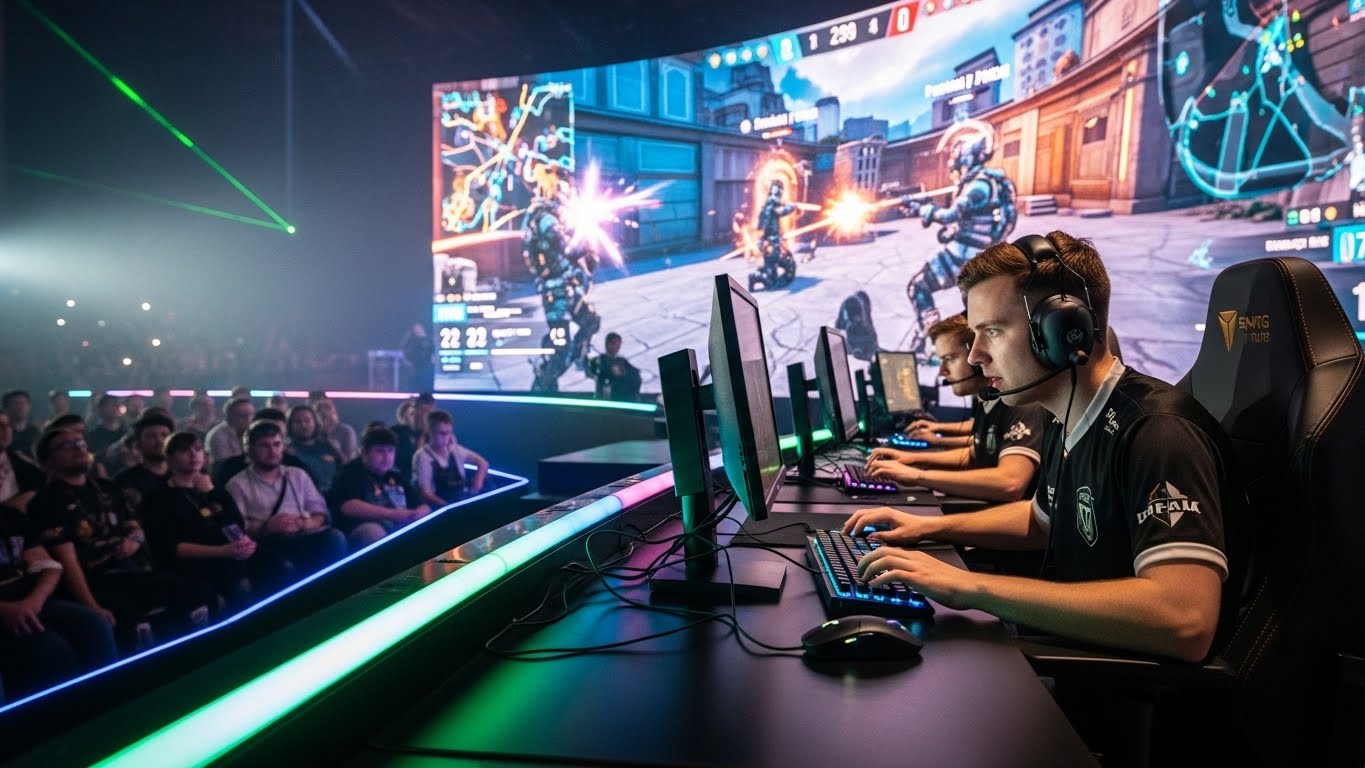

In the ever-evolving world of esports, live chat has become one of the most defining features of the viewing experience. It is not just a side element running alongside the main broadcast; it is an active, breathing part of the esports ecosystem. For many fans, the live chat is where the real-time magic happens—a space where communities form, emotions overflow, and reactions unfold in sync with every play, every victory, and every defeat.
Esports streams have grown to rival traditional sports broadcasts in viewership and engagement. What sets them apart is interactivity, and at the heart of that interactivity lies live chat. It turns what could be a passive watching experience into a shared, collective event. In this blog, we explore how live chat impacts esports streams—its influence on players, fans, streamers, event organizers, and even the business side of competitive gaming.
The Rise of Live Interaction in Esports
Before the days of streaming platforms like Twitch, YouTube Gaming, and Kick, watching competitive gaming was mostly a one-way experience. Viewers would see the action unfold but had no real way to interact with others or with the players themselves. Live chat changed that dynamic forever.
When esports broadcasts began incorporating live chat, they effectively turned spectators into participants. The chat became a virtual arena where fans could celebrate wins, discuss plays, share memes, and connect with thousands of others around the world in real time.
This real-time feedback loop made esports streaming a truly interactive form of entertainment. Unlike television or even recorded YouTube videos, live esports streams gave viewers a voice—a way to be part of the event rather than just watch it.
Building a Sense of Community
One of the most powerful impacts of live chat in esports is the sense of community it creates. Whether fans are cheering for their favorite team, discussing strategies, or playfully arguing with rival supporters, the chat brings people together from every corner of the globe.
During major tournaments, the chat often moves at lightning speed, filled with emotes, inside jokes, and hype messages that represent the passion of fans. Even though these viewers may never meet in person, they share a common bond through the game they love.
For smaller streams, live chat can foster even deeper connections. Regular viewers get to know each other, creating tight-knit groups that support not only the players but each other. This ongoing engagement turns casual viewers into loyal fans, which is crucial for the long-term growth of esports communities.
Enhancing Viewer Engagement
Live chat makes watching esports more interactive, which keeps audiences engaged longer. Instead of passively consuming content, viewers become part of the action by reacting to plays, posting commentary, or even predicting outcomes as the game unfolds.
Chat interactions also give streamers and casters valuable real-time feedback. When something exciting happens—a clutch play, an upset, or a controversial decision—the chat explodes with reactions, amplifying the intensity of the moment.
Platforms have even introduced features like polls, predictions, and interactive rewards that make live chat more than just a conversation tool—it becomes an integral part of the viewing experience. Fans can vote on match outcomes, earn loyalty points, or participate in challenges, turning esports streams into fully immersive experiences.
The Relationship Between Players and Fans
Although professional players are often focused on the match itself and may not directly engage with live chat during tournaments, they still feel its impact. The chat represents a live pulse of fan emotion—cheers, chants, and sometimes even criticism—that reflects how their performance is perceived in real time.
In personal streams, however, the dynamic is much more direct. Many esports professionals regularly stream practice sessions or casual games and interact with fans through chat. This creates an intimate connection between players and their audience, humanizing the competitors who are often seen only through the lens of professional matches.
Fans appreciate this accessibility. They get to ask questions, hear insights, and even receive shoutouts from their favorite players. This level of engagement deepens loyalty and builds a more personal connection than what traditional sports can offer.
The Role of Emotes and Chat Culture
No discussion about live chat would be complete without mentioning emotes and memes. In esports streams, emotes have developed their own language, capable of expressing emotions faster and more vividly than words ever could.
From Twitch’s famous “PogChamp” to custom emotes made for specific teams or players, these symbols create a shared culture that unites fans. They allow thousands of people to react simultaneously with humor, excitement, or support, giving esports streams a vibrant personality all their own.
Chat culture also brings in creativity. Fans remix memes, invent catchphrases, and even create ongoing storylines that last across multiple tournaments. These inside jokes strengthen community identity, making esports fandom not just about competition, but about belonging.
Moderation and Managing Toxicity
While live chat is a source of excitement and engagement, it can also be a double-edged sword. The anonymity and speed of online communication sometimes lead to toxic behavior, such as spam, insults, or harassment. Managing these issues has become a significant challenge for esports platforms and organizers.
Most major streams employ chat moderators—volunteers or staff who monitor and enforce community guidelines. Automated moderation tools also help filter out hate speech, slurs, and spam.
However, striking a balance between freedom of expression and maintaining a positive environment is complex. Over-moderation can make chats feel sterile and lifeless, while under-moderation can drive away viewers who want a friendly space.
Despite these challenges, esports communities continue to evolve better systems for promoting respect and positivity in chat spaces. The growth of diverse moderation tools and AI-driven systems is helping maintain balance, ensuring that chat remains a safe and enjoyable part of esports viewing.
Chat as a Feedback Mechanism for Broadcasters
For event organizers and broadcasters, live chat serves as an invaluable source of instant feedback. During tournaments, they can monitor the chat to gauge audience reactions to production choices, commentary quality, or technical issues.
If the audience starts flooding chat with complaints about audio problems, poor camera angles, or lag, the production team can respond immediately. This instant feedback loop enhances the viewing experience, showing that audience participation goes beyond cheering—it actively shapes how esports events are presented.
Furthermore, chat sentiment analysis tools can help organizations understand audience mood. Tracking positive or negative reactions can provide insights into what viewers enjoy most, helping future events improve their design, pacing, and engagement strategies.
Monetization and Economic Impact
Live chat isn’t just about conversation—it’s also a powerful revenue driver. Features like “Super Chats,” “Bits,” and paid subscriptions allow fans to financially support their favorite players and streamers directly through chat interactions.
These systems create new economic opportunities for esports professionals, who can monetize their engagement and build careers beyond tournament winnings. For example, when a fan pays to highlight a message during a stream, it creates a personal connection between viewer and player while generating income.
Additionally, sponsors and advertisers recognize the marketing potential of chat. Seeing chat activity spike during certain moments helps them identify what resonates most with audiences, leading to smarter sponsorship placements and more interactive ad campaigns.
Community-Driven Content Creation
Live chat often becomes a breeding ground for ideas that shape future esports content. Memorable chat moments are frequently turned into memes, highlight videos, or social media posts that extend the lifespan of an event long after it’s over.
For example, a funny reaction or a popular emote spam might become part of esports culture, referenced in future broadcasts or even official team content. In this way, fans in the chat contribute directly to the storytelling and identity of esports events.
Some streamers also invite chat to participate in decision-making—choosing which game to play next, suggesting strategies, or even deciding on challenges. This level of interactivity keeps content fresh and collaborative, ensuring fans feel like co-creators rather than passive spectators.
Psychological Impact on Viewers and Streamers
From a psychological standpoint, live chat satisfies the human need for connection. Esports streams become digital gatherings where people can share excitement and emotion, reducing feelings of isolation. Especially during major international tournaments, fans from around the world unite under one chat, celebrating together despite physical distances.
For streamers and players, however, chat can be both uplifting and overwhelming. Positive feedback motivates and energizes them, while negative comments or trolling can cause stress. Learning to manage chat energy is a skill many professionals develop over time—knowing when to engage and when to focus on gameplay.
Ultimately, live chat mirrors the emotional heartbeat of esports. Its ups and downs reflect the highs and lows of competition itself.
Integration with New Technologies
As esports continues to innovate, live chat is evolving too. Platforms are experimenting with features like real-time translation, AI moderation, and integrated statistics to make chat even more interactive.
Imagine being able to type a command in chat to instantly view player stats or vote on MVP selections. These developments transform live chat from a background feature into a central hub of activity.
Virtual and augmented reality may also change how live chat functions. In future esports events, fans could “sit” in virtual arenas, chatting with others as if they were physically side by side. The possibilities for connection are expanding rapidly.
Live Chat’s Role in Esports Identity
Esports has always been defined by its community-driven nature, and live chat perfectly embodies that spirit. It blurs the line between audience and performer, between fan and participant. Unlike traditional sports audiences who can only cheer from the stands, esports fans actively shape the event as it happens.
Chat culture influences how moments are remembered, how narratives are built, and how communities form. It’s a digital extension of the passion that drives competitive gaming. Without live chat, esports would lose much of its identity as a social, connected experience.
Conclusion
Live chat has revolutionized the way esports is experienced. It transforms viewers into participants, amplifies emotion, and builds a global community bound by shared excitement. It provides direct communication between fans, players, and organizers, making esports not just a competition but a collective celebration.
Beyond the cheers, the emotes, and the fast-scrolling messages, live chat represents the human element of esports—the laughter, the debate, the unity, and even the chaos that make the scene feel alive.
As technology continues to advance, the impact of live chat on esports will only deepen, shaping how we connect, communicate, and celebrate competition in the digital age.
In the end, live chat is more than just a feature—it’s the heartbeat of esports streams, turning every match into a global conversation where every voice matters.