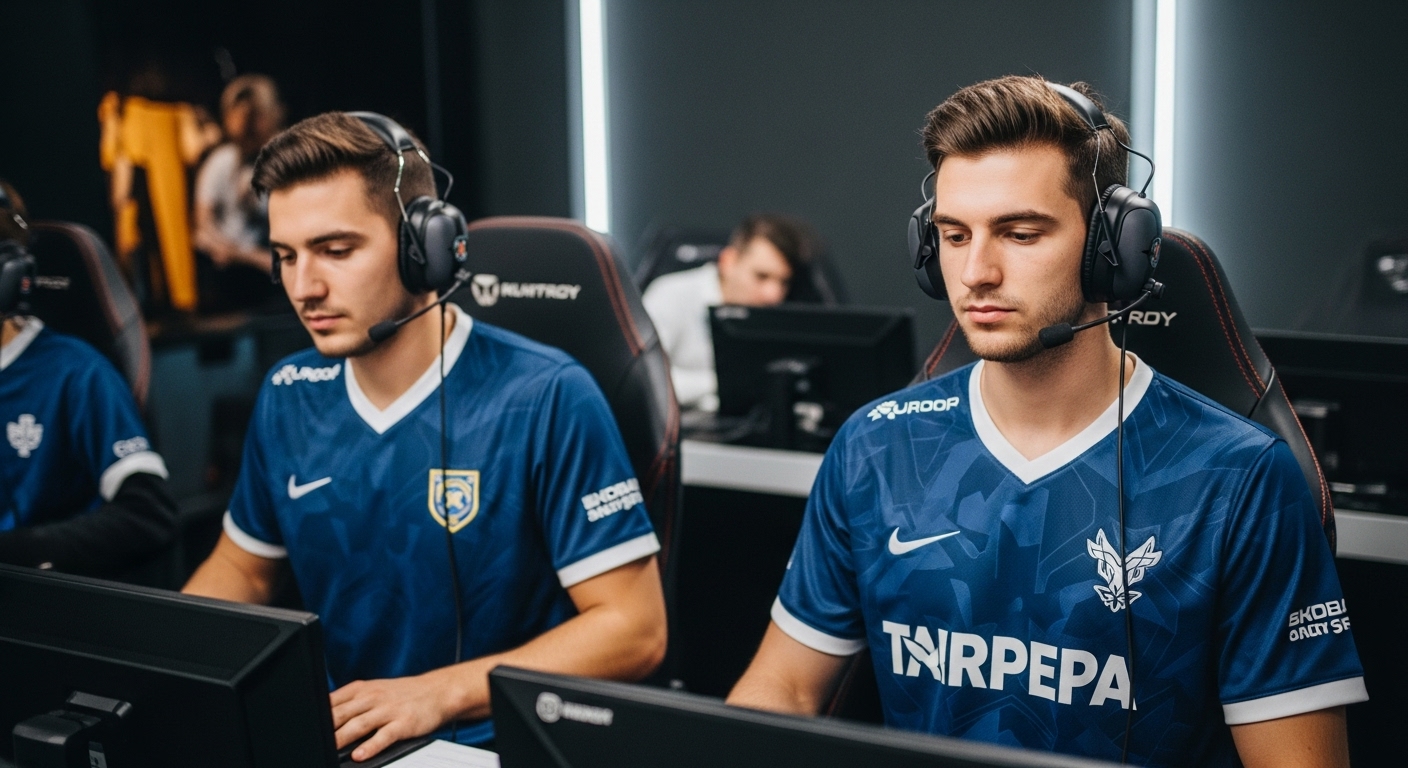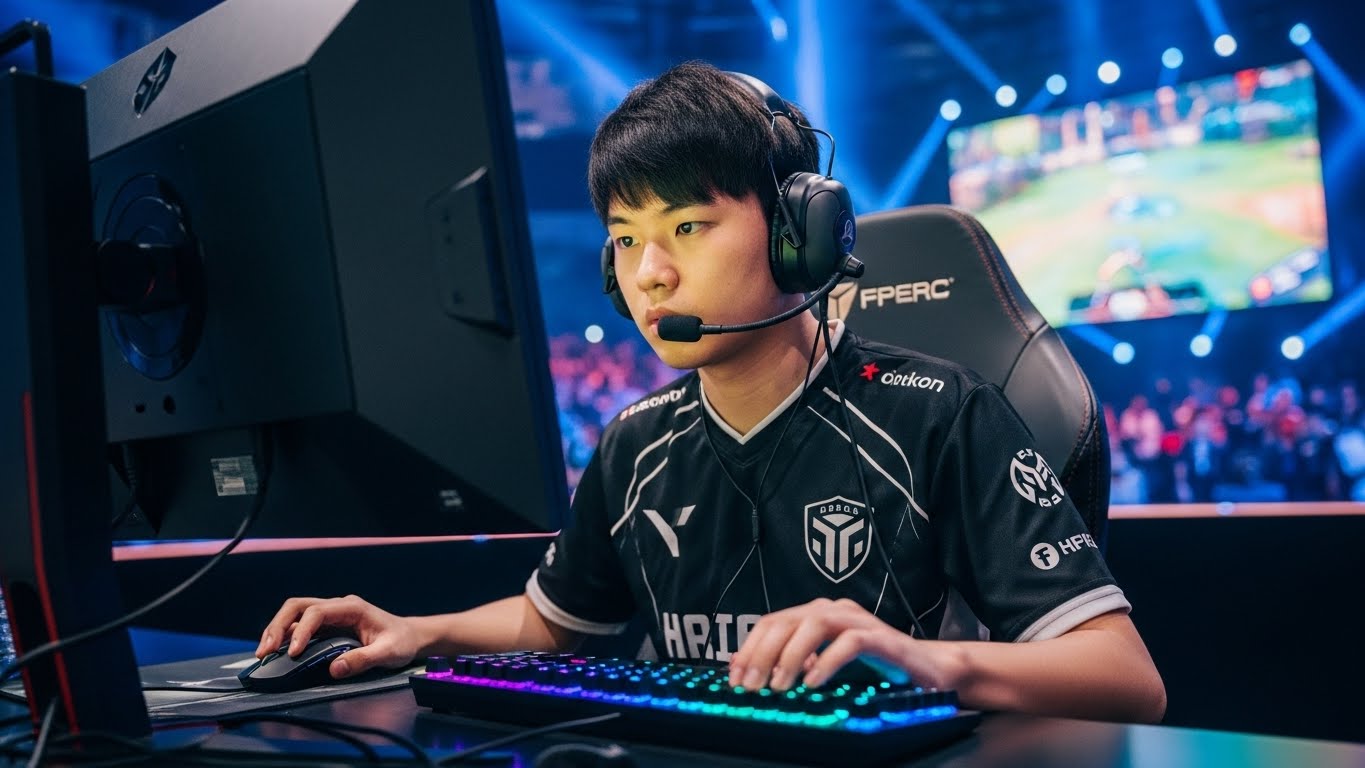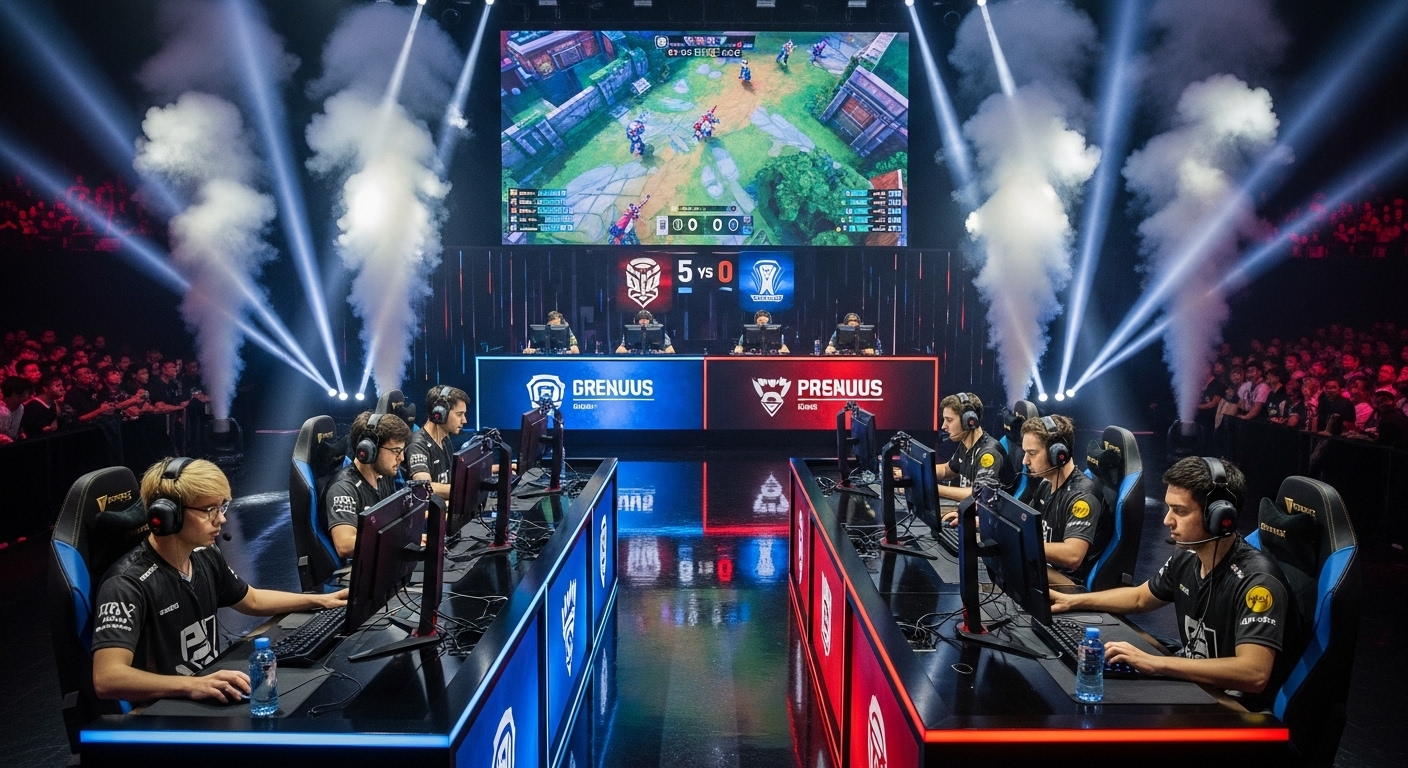

Esports has evolved into a high-stakes, competitive industry where professional players face intense mental and physical demands. While gaming is often associated with long hours in front of a screen, physical fitness plays a crucial role in enhancing performance, maintaining health, and extending careers in esports. Understanding the connection between fitness and gaming can help players reach their full potential both in-game and in life.
Why Fitness Matters in Esports
At first glance, esports may not seem physically demanding, but professional gaming requires extraordinary mental focus, reflexes, and endurance. Long hours of practice can lead to fatigue, poor posture, and repetitive strain injuries. Maintaining physical fitness helps players improve concentration, reaction time, and overall energy levels. Fitness is no longer optional for serious gamers; it is an essential tool for competing at the highest level.
Mental Benefits of Physical Fitness
Exercise is not just about building muscles or improving cardiovascular health—it has a profound impact on mental performance. Regular physical activity increases blood flow to the brain, enhancing memory, decision-making, and focus. For esports players, this translates directly into sharper strategic thinking and faster reaction times during competitions. Fitness routines also reduce stress and anxiety, helping players maintain calm under pressure, which is critical in high-stakes matches.
Common Fitness Practices for Gamers
Many esports players incorporate fitness routines tailored to their needs. Cardiovascular exercises like running, cycling, or swimming improve stamina and endurance, allowing players to remain alert during long tournaments. Strength training, especially for the core and upper body, helps maintain proper posture and prevent injuries caused by prolonged sitting. Flexibility and mobility exercises, such as yoga or stretching, can reduce muscle tension and support faster recovery between practice sessions.
Nutrition and Hydration
Physical fitness is closely linked to nutrition and hydration, both of which are often overlooked in esports. Balanced diets rich in proteins, healthy fats, and complex carbohydrates provide sustained energy and support cognitive function. Staying hydrated is equally important, as dehydration can cause fatigue, dizziness, and reduced concentration. Players who combine proper nutrition with regular exercise experience improved performance, both physically and mentally.
Preventing Injuries Through Fitness
Esports players are prone to repetitive strain injuries, back pain, and eye strain due to prolonged gaming sessions. Fitness routines that strengthen muscles, improve posture, and increase flexibility can prevent these common issues. Incorporating regular breaks and stretching exercises during practice sessions also reduces the risk of long-term damage. Fitness is not just about peak performance—it is about career longevity.
The Future of Fitness in Esports
As esports continues to grow, professional organizations are increasingly investing in fitness programs for their players. Gyms, physiotherapists, and sports psychologists are becoming part of esports teams to ensure players maintain peak physical and mental condition. Fitness is now recognized as a strategic advantage, transforming how players train and approach competition.
Conclusion
Fitness is no longer an optional component of esports—it is a cornerstone of success. Physical activity, proper nutrition, and injury prevention strategies allow players to perform at their best, maintain their health, and extend their careers. Esports players who prioritize fitness gain not only a competitive edge but also a sustainable lifestyle that supports their growth both in and out of the game.