Introduction
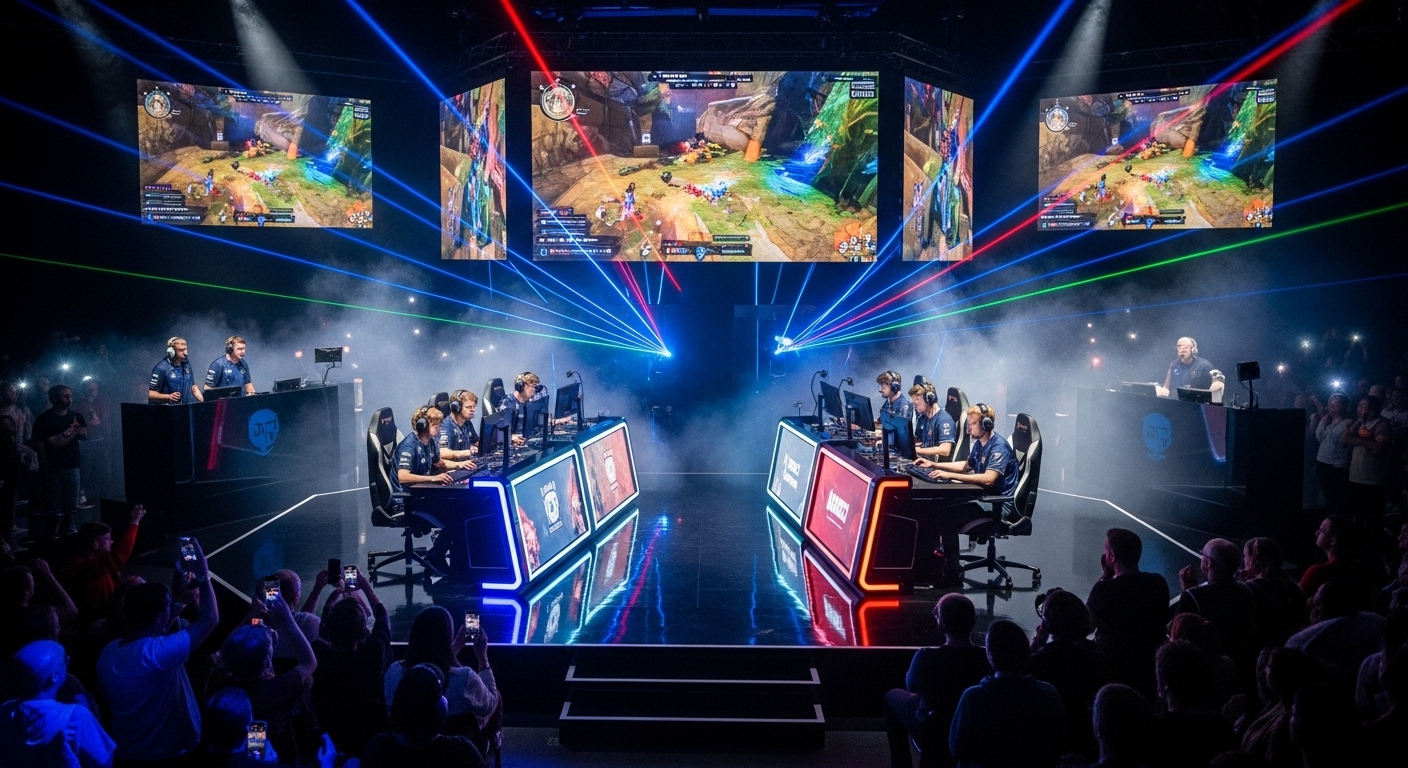
Esports, short for electronic sports, has emerged as one of the fastest-growing phenomena in entertainment and competition. What began as casual gaming among friends has evolved into a professional industry that rivals traditional sports in popularity, viewership, and revenue. Today, millions of fans follow esports tournaments, cheering for players and teams from across the globe. Esports is no longer just a hobby—it is a cultural movement, a career path, and a technological innovation. This blog explores the evolution of esports, the skills required to excel, its impact on society and culture, career opportunities, challenges, and the future of this rapidly expanding industry.
The Evolution of Esports
Esports traces its roots to the 1970s and 1980s when video game competitions were held in arcades for titles like Space Invaders and Pac-Man. With the rise of personal computers in the 1990s, players began competing online, creating communities and regional tournaments. Games such as StarCraft in South Korea and Counter-Strike in Europe set the stage for the development of professional competitive gaming.
By the 2000s, organized leagues and international tournaments became prominent, drawing larger audiences and increasing sponsorship opportunities. With platforms like Twitch and YouTube, esports became accessible to millions worldwide, turning local gaming communities into global audiences. Today, games such as League of Legends, Dota 2, Call of Duty, and Fortnite dominate the competitive landscape, offering professional players significant prize pools and global recognition.
The Structure of Esports Competitions
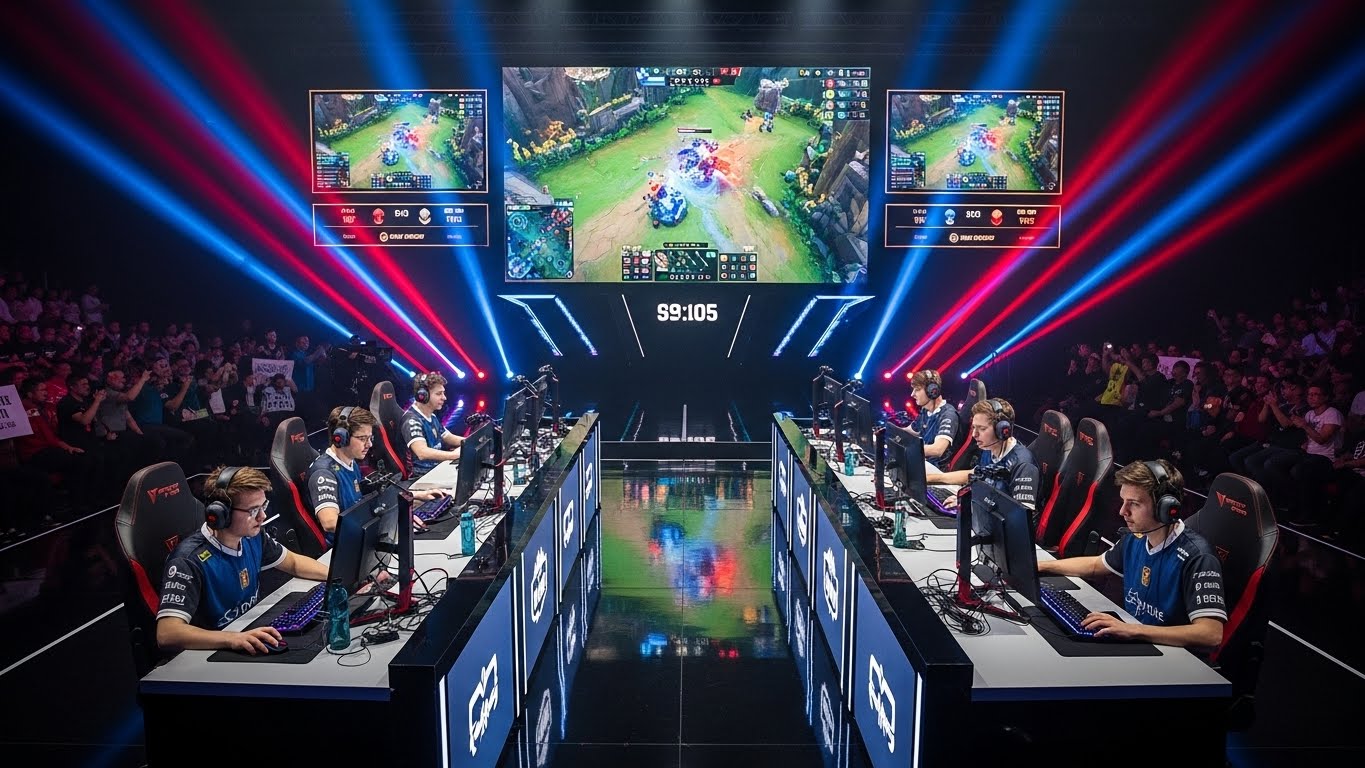
Esports competitions mirror traditional sports in structure. They include professional leagues, seasonal tournaments, qualifiers, and world championships. Teams are composed of players who train rigorously, often spending ten to twelve hours a day practicing strategies, refining skills, and analyzing opponents.
Team-based games demand coordination, communication, and synergy, while solo competitions require precision, strategy, and quick decision-making. Professional esports organizations employ coaches, analysts, and support staff to ensure optimal performance. Unlike conventional sports, esports competitions are largely digital, allowing players from different regions to participate in real-time matches without geographic limitations.
Skills Required for Esports Success
Success in esports requires a unique combination of physical, mental, and strategic skills. Hand-eye coordination, reaction speed, and precise timing are essential for gameplay. Players must also demonstrate exceptional strategic thinking, adaptability, and decision-making under pressure.
Team-based games require effective communication, leadership, and the ability to work collaboratively. Mental resilience is critical, as players must handle setbacks, high-pressure situations, and public scrutiny. Although esports may not seem physically demanding, physical health plays a role, as long hours of gameplay require stamina, focus, and mental clarity.
The Role of Technology in Esports
Technology is the foundation of esports. High-performance gaming PCs, consoles, fast internet connections, and specialized peripherals are essential for competitive play. Streaming platforms allow fans to watch live tournaments, engage with players, and follow professional teams worldwide.
Emerging technologies such as virtual reality, augmented reality, and cloud gaming are transforming esports, offering immersive experiences for players and audiences alike. Data analytics and performance tracking tools help players optimize strategies, refine techniques, and gain a competitive edge. Technology has not only facilitated the growth of esports but also transformed it into a global entertainment phenomenon.
Global Popularity of Esports
Esports has universal appeal, crossing age, gender, and cultural barriers. South Korea, China, the United States, and Europe have established professional leagues and esports academies. Online accessibility allows players from remote areas to compete at high levels, while fans from around the world follow tournaments live.
Esports also promotes international collaboration. Players from diverse backgrounds join teams, compete together, and exchange strategies, fostering cultural understanding and global camaraderie. Major tournaments attract millions of viewers, rivaling traditional sports in scale and engagement.
Economic Impact of Esports
The esports industry has grown into a multi-billion-dollar market. Professional players earn salaries, tournament winnings, and sponsorship deals. Teams operate like traditional sports franchises, employing coaches, analysts, marketing specialists, and event organizers.
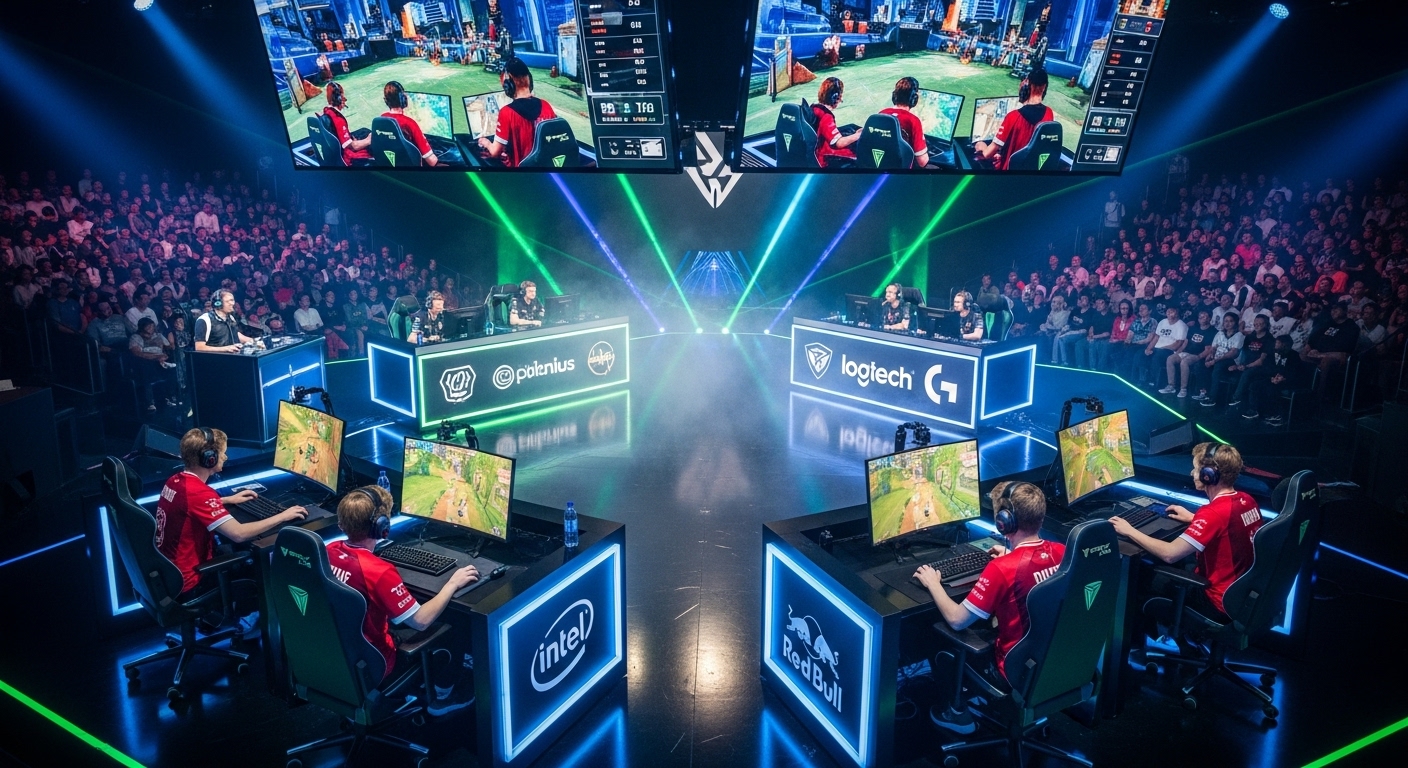
Sponsorships from technology brands, gaming peripherals, apparel, and energy drinks fuel the industry’s growth. Large tournaments contribute to local economies through tourism, media coverage, and event hosting. Streaming platforms generate revenue through subscriptions, advertisements, and fan donations. The economic impact of esports highlights its significance beyond entertainment, providing opportunities for innovation and employment worldwide.
Esports as a Career Path
Esports offers diverse career opportunities. Beyond professional gameplay, individuals can work as coaches, analysts, commentators, event organizers, marketers, or content creators. Esports organizations often provide structured training programs and academies to help aspiring players develop skills while maintaining educational growth.
Educational institutions have begun recognizing esports as a legitimate field, offering scholarships and programs to cultivate talent. Even for those who do not pursue professional play, careers in broadcasting, team management, or content creation provide long-term involvement in the industry.
Mental Health and Esports
Competitive esports presents unique mental health challenges. Long practice hours, performance pressure, and public scrutiny can contribute to stress, burnout, or anxiety. Maintaining balance through physical exercise, rest, and mental wellness practices is critical.
Many professional organizations now provide mental health resources, counseling, and stress management programs to support players. Prioritizing mental wellness ensures sustainable growth, peak performance, and long-term careers in esports.
Cultural Influence of Esports
Esports has become a cultural phenomenon, influencing fashion, music, entertainment, and lifestyle. Professional players are digital celebrities, inspiring millions of fans globally. Streaming platforms and social media communities allow fans to interact, discuss strategies, and engage with tournaments in real-time.
Merchandise, branded apparel, and gaming peripherals have become cultural symbols, while esports-themed music and digital content continue to shape trends. This cultural integration reflects how esports has become an essential part of modern entertainment and lifestyle.
Inclusivity and Accessibility in Esports
Esports is inherently inclusive. Physical limitations do not restrict participation, making it accessible to people of diverse abilities, genders, and backgrounds. Adaptive technology and online platforms enable widespread engagement, creating opportunities for talent to shine regardless of personal circumstances.
Inclusive initiatives foster diversity in teams and fan communities, promoting equality and challenging stereotypes. Skill, strategy, and dedication determine success, making esports a truly democratic form of competition.
Challenges Facing Esports
Despite its growth, esports faces challenges. Player burnout, toxic communities, cheating, and inconsistent regulations threaten the industry’s integrity. Standardized rules, fair competition practices, and player welfare programs are essential for sustainable development.
Balancing commercial interests with player well-being is critical. Collaboration among game developers, organizations, and governing bodies is necessary to ensure fair competition and long-term industry growth.
The Future of Esports
The future of esports is promising. Advancements in technology, including virtual reality, cloud gaming, and enhanced streaming experiences, will transform gameplay and audience engagement. Increasing investments, mainstream recognition, and educational initiatives will continue to legitimize esports as a career and entertainment industry.
Esports education programs and training academies will nurture the next generation of players, coaches, and industry professionals. The growth of esports will redefine competition, entertainment, and professional opportunities in the digital age.
Conclusion
Esports is more than digital competition; it is a revolution in entertainment, culture, and careers. Combining strategy, skill, teamwork, and technology, esports empowers players, connects fans, and drives economic growth. It challenges traditional notions of sports, promotes inclusivity, and fosters global communities.
As esports continues to expand, it will inspire future generations, shape entertainment trends, and redefine what it means to compete. The digital arena is more than just a game—it is a platform where passion, talent, and technology unite, transforming the way the world experiences competition and culture.