Introduction to Esports: A New Era of Competition
Esports, short for electronic sports, refers to the world of competitive video gaming where individuals and teams face off in organized tournaments for fame, glory, and financial reward. What began as small, localized competitions among passionate gamers has now grown into a multi-billion-dollar global industry that rivals traditional sports in viewership, sponsorship, and cultural influence. The rise of esports is one of the most remarkable transformations in modern entertainment, blending technology, talent, and audience engagement on a global scale.
Esports is not just about playing games for fun anymore; it has evolved into a professional ecosystem involving players, coaches, analysts, event organizers, sponsors, and millions of fans. Games such as League of Legends, Dota 2, Counter-Strike, and Fortnite have created superstars who are idolized just like traditional athletes. The scale of this phenomenon shows how digital culture has reshaped how people perceive sports, entertainment, and even career opportunities.
The Origins of Esports: From Arcades to Arenas
The concept of competitive gaming traces back to the early 1970s when video games first entered public spaces. One of the earliest recorded gaming competitions was held at Stanford University in 1972, featuring the game Spacewar. Participants competed for a subscription to a technology magazine, but that small event laid the groundwork for a new form of entertainment.
By the 1980s, arcade games like Pac-Man and Donkey Kong captured global attention, and players began competing for the highest scores displayed on leaderboards. Magazines and television shows featured top gamers, marking the birth of a new competitive spirit in gaming. However, it was the 1990s and the arrival of home consoles and PC gaming that truly opened the door for organized tournaments.
Games such as Street Fighter, Doom, and Quake became popular in the competitive scene. The 1997 Red Annihilation Quake tournament, for instance, awarded a Ferrari to the winner, symbolizing how gaming competitions were becoming more serious and rewarding. With the expansion of the internet, multiplayer gaming exploded, allowing players across the globe to compete in real-time. This connectivity became the foundation of modern esports.
The Rise of Modern Esports Titles
As technology advanced, video games became more complex, strategic, and competitive. The late 2000s and early 2010s saw the birth of many esports titles that remain dominant today. Games such as League of Legends, Dota 2, and StarCraft II defined new standards for what competitive gaming could achieve.
League of Legends, developed by Riot Games, introduced a new structure of global tournaments, franchised leagues, and regional competitions. Its World Championship now fills massive arenas and draws millions of online viewers each year. Similarly, Dota 2’s annual tournament, The International, offers some of the largest prize pools in all of esports, reaching tens of millions of dollars through community funding.
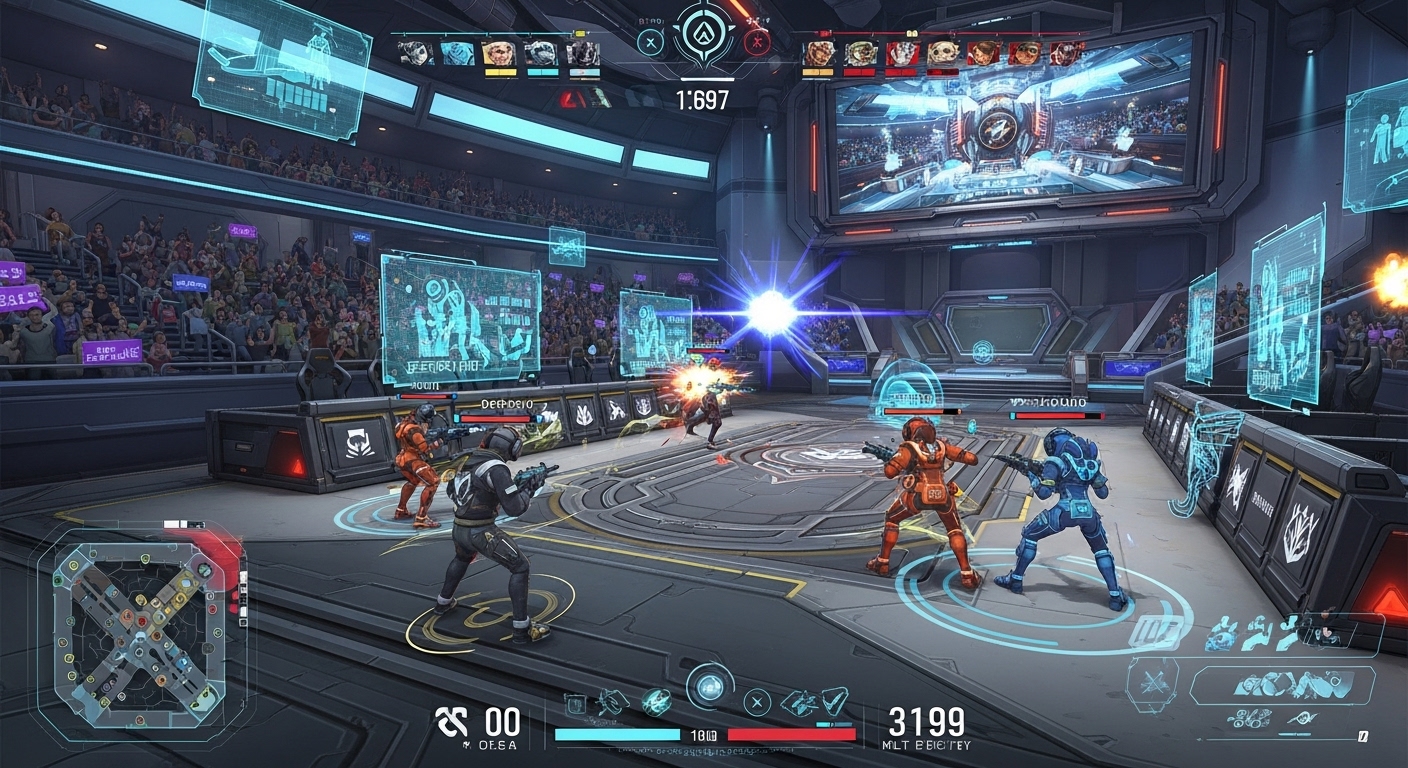
Other games like Counter-Strike: Global Offensive, Overwatch, and Fortnite expanded esports’ reach beyond strategy games, introducing shooting, battle royale, and team-based gameplay styles. Each title brings a unique audience, culture, and style of competition. The diversity of esports genres has helped attract fans from every part of the world, whether they prefer tactical shooters or fantasy-based battle arenas.
The Professionalization of Esports
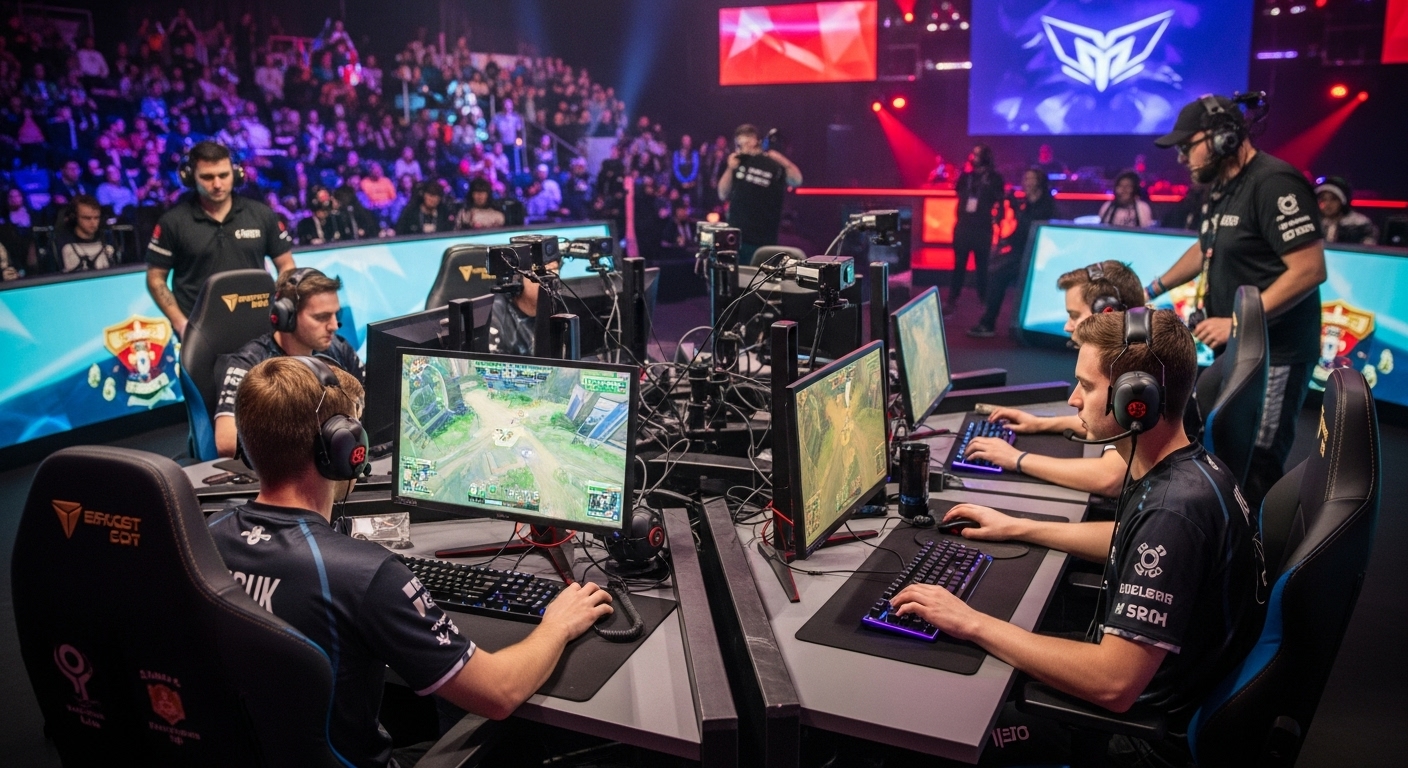
What separates modern esports from casual gaming is the level of professionalism that has emerged. Today’s top players train rigorously, often practicing for up to twelve hours a day. Teams employ coaches, analysts, and even sports psychologists to ensure their players are performing at their peak. Training facilities resemble those of traditional sports teams, complete with physical fitness routines, nutritional guidance, and mental health support.
Organizations like Team Liquid, Fnatic, T1, and Cloud9 have become global brands, managing rosters across multiple games and attracting major sponsorships from non-endemic companies like automobile manufacturers, fashion brands, and tech giants. Esports organizations now operate with the same level of structure as football or basketball clubs, with management, marketing departments, and fan engagement strategies.
Furthermore, the establishment of franchised leagues—such as the Overwatch League and League of Legends Championship Series—has introduced long-term stability to esports. These leagues provide regular seasons, playoff structures, and local team identities, helping to foster fan loyalty and regional pride.
Esports as a Global Cultural Movement
Esports is more than just a competitive activity; it is a cultural phenomenon that bridges communities across countries and languages. The accessibility of streaming platforms has allowed fans from every corner of the globe to watch tournaments live, interact with players, and engage with the gaming community. Platforms like Twitch and YouTube Gaming have made esports events as accessible as traditional television broadcasts, often drawing millions of simultaneous viewers.
In many regions, esports has even become a national point of pride. Countries such as South Korea, China, and the United States have embraced esports as a legitimate form of entertainment and competition. South Korea, for instance, has been called the birthplace of professional gaming due to its early adoption of televised gaming events and training infrastructure. The cultural impact is so deep that esports players are celebrated as celebrities, complete with sponsorships, fan clubs, and endorsements.
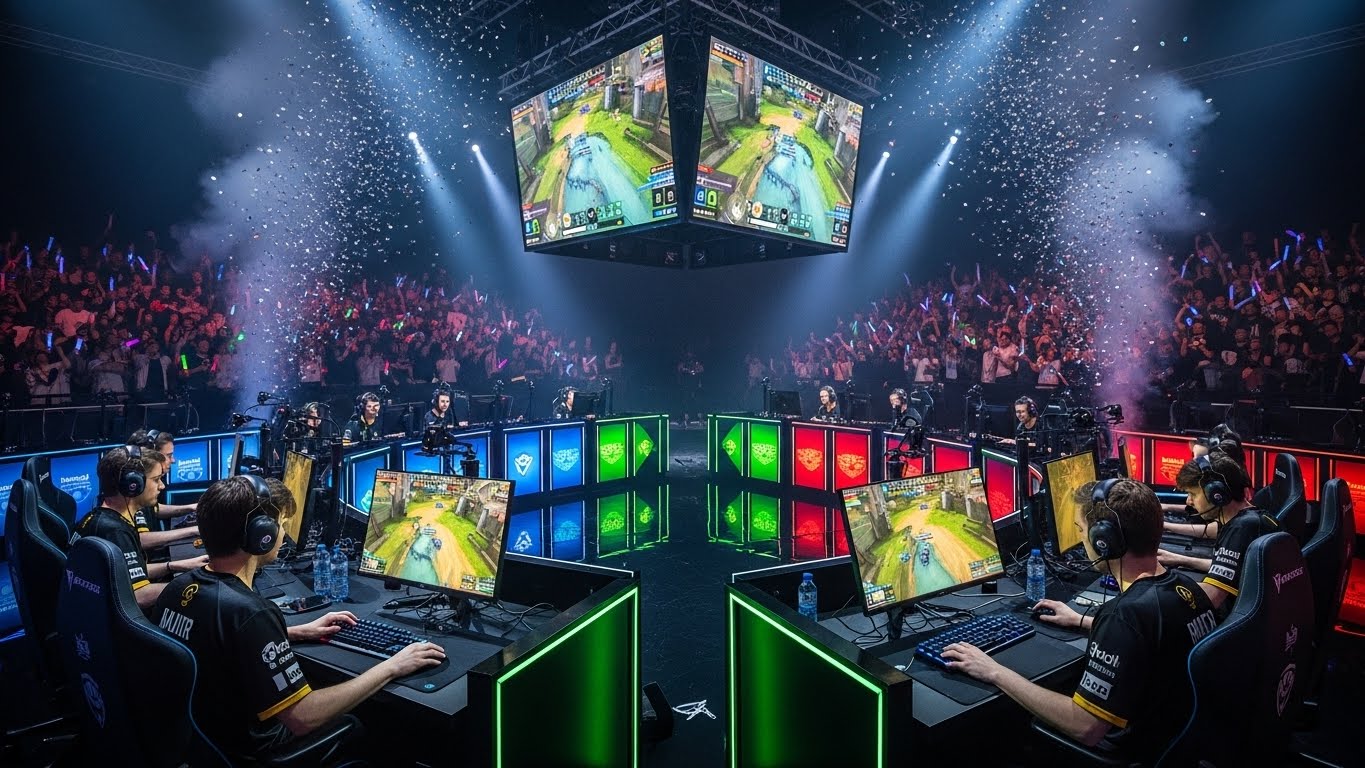
Esports also brings people together through shared passions. Fans attend live events wearing team jerseys, waving banners, and chanting for their favorite players—mirroring the energy found in traditional sports stadiums. Cosplayers, artists, and content creators contribute to the ecosystem, blending gaming with art, music, and storytelling.
The Role of Technology in Esports Growth
Technology has been the backbone of esports’ evolution. From faster internet connections to powerful gaming hardware and real-time streaming technology, the infrastructure supporting esports has evolved rapidly. The introduction of 5G networks, cloud gaming, and high-refresh-rate monitors has enhanced both player performance and viewer experience.
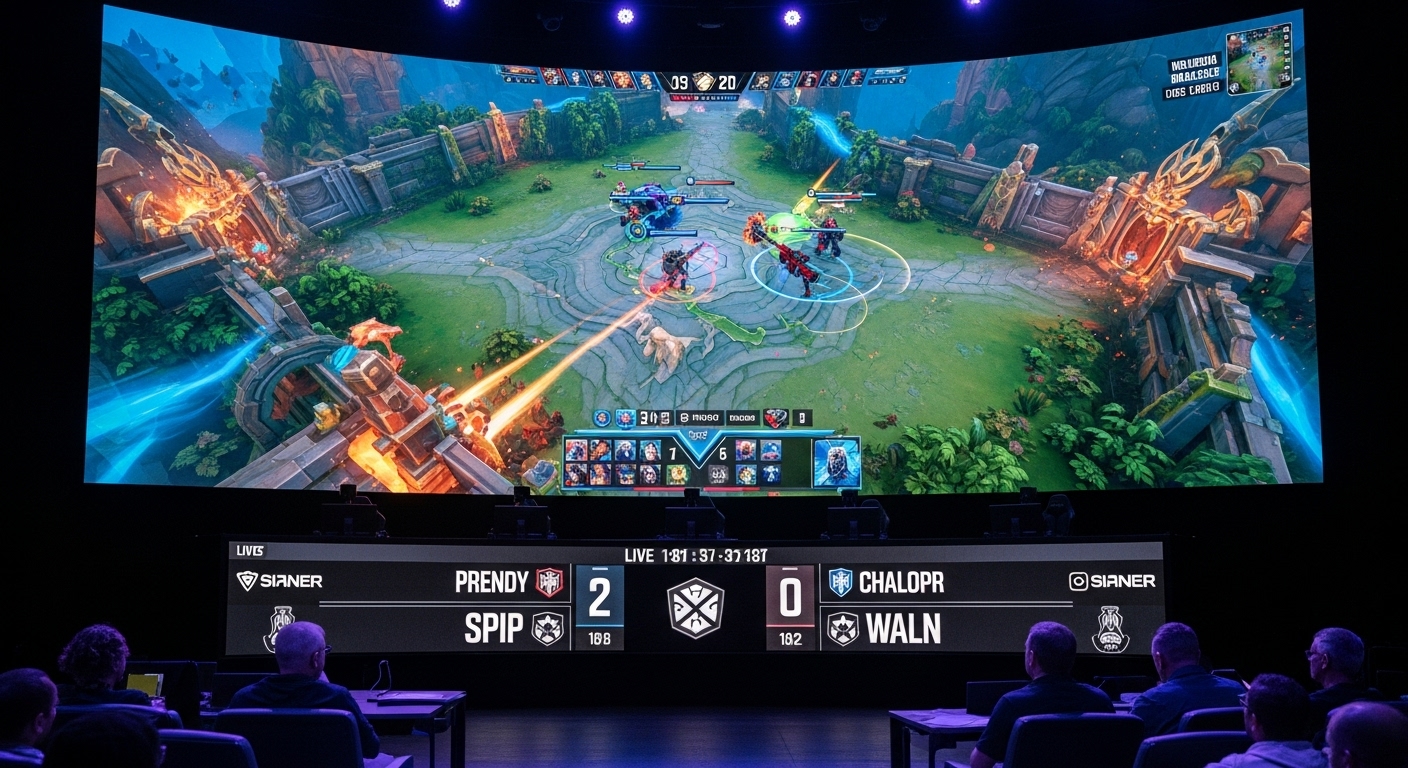
Streaming technology has also transformed how fans engage with content. Unlike traditional sports broadcasting, esports offers interactive viewing experiences. Fans can watch multiple camera angles, view player statistics in real-time, and chat directly with streamers. This level of interactivity creates a sense of community and immersion that traditional media cannot match.
Moreover, the integration of artificial intelligence and data analytics is changing how teams prepare for competition. AI-driven tools can analyze player performance, identify weaknesses, and suggest strategies. This technological sophistication demonstrates how esports continues to push the boundaries of digital innovation.
Economic Impact of Esports
Esports is not just a form of entertainment; it is a thriving global economy. Revenues from sponsorships, advertising, ticket sales, and merchandise are growing every year. Esports tournaments fill stadiums, while millions more watch online. Major companies see esports as a gateway to reach younger audiences who consume media differently than traditional sports fans.
Prize pools in major tournaments often reach millions of dollars, attracting the best players from around the world. Dota 2’s The International, for example, has offered record-breaking payouts, turning gamers into millionaires overnight. Additionally, the rise of esports has created thousands of jobs in event management, broadcasting, game development, and content creation.
Educational institutions are also recognizing the potential of esports. Universities across the globe now offer esports scholarships and degree programs in game design, marketing, and management. This institutional support legitimizes esports as a long-term career path and opens new opportunities for future generations.
Challenges Facing Esports
Despite its success, esports faces several challenges. One major issue is player burnout. The demanding schedule, long practice hours, and constant travel can take a toll on players’ mental and physical health. Organizations are beginning to address these concerns by promoting healthier work-life balance and implementing wellness programs.
Another challenge is the question of regulation. Unlike traditional sports, which have governing bodies, esports is fragmented across different games and companies. Each game publisher sets its own rules, creating inconsistency in tournament structures and player contracts. Establishing a unified regulatory framework remains a major goal for the industry’s future.
Toxicity and online harassment are also concerns. Since esports is primarily digital, players and fans often interact online, where anonymity can lead to negative behavior. The community and organizers are working together to create safer, more inclusive environments for everyone involved.
Additionally, issues such as cheating, match-fixing, and performance-enhancing software continue to threaten competitive integrity. Anti-cheat technologies and stricter enforcement policies are being developed to protect the credibility of esports competitions.
Esports and Education
One of the most surprising aspects of esports’ rise is its influence on education. Schools and universities are incorporating esports into their programs, not just as recreational clubs but as formal educational tracks. Students learn valuable skills such as teamwork, communication, strategy, and time management through gaming.
Educational esports programs teach students about game design, event management, broadcasting, and marketing, preparing them for careers in one of the world’s fastest-growing industries. Some schools even use esports to promote inclusivity and engagement among students who may not connect with traditional sports.
The Future of Esports: A Digital Frontier
The future of esports looks incredibly bright. Advancements in virtual reality (VR), augmented reality (AR), and artificial intelligence (AI) promise to make the gaming experience even more immersive. As technology continues to evolve, the boundary between playing and watching will blur, allowing fans to experience games from a first-person perspective or even participate virtually alongside professional players.
Esports may also become part of major international sporting events. Discussions about including esports in global competitions such as the Olympics highlight how far the industry has come in gaining recognition. Governments are beginning to support esports initiatives, investing in infrastructure and training programs to develop local talent.
Furthermore, the continued expansion of mobile esports is revolutionizing accessibility. In regions like Southeast Asia, Latin America, and Africa, mobile gaming has become the primary entry point for competitive play. Games like PUBG Mobile, Mobile Legends, and Free Fire have created massive professional leagues, democratizing esports for players who may not have access to high-end PCs or consoles.
Conclusion: The Enduring Power of Esports
Esports has evolved from a niche hobby into a global cultural and economic powerhouse. It represents the merging of competition, creativity, and technology in ways that continue to reshape entertainment. What makes esports so powerful is its inclusivity—anyone with passion, skill, and determination can compete on the world stage.
As society continues to embrace digital transformation, esports will remain at the forefront of innovation, inspiring millions of players and fans alike. Its influence reaches beyond gaming, impacting education, business, and global culture. The future of esports is not just about who wins or loses; it is about how this digital revolution continues to redefine what it means to be an athlete, a fan, and a member of a connected world.