
The Early Beginnings of Competitive Gaming
Long before eSports became a global phenomenon, competitive gaming existed as a small niche within the broader world of video games. In the late 1970s and early 1980s, arcades provided a social space where players could test their skills and compete for high scores. One of the earliest organized gaming events, the Space Invaders Championship of 1980, drew thousands of participants and demonstrated the potential of gaming as a competitive pursuit. These early competitions were modest in scale, but they highlighted the human desire for challenge, recognition, and achievement—core elements that would later define professional eSports.
As gaming technology evolved, opportunities for competitive play expanded. The 1990s introduced multiplayer PC games such as StarCraft, Warcraft, and Counter-Strike, which allowed players to challenge one another across local networks and, eventually, the internet. The rise of online connectivity created a new environment for real-time global competition, laying the groundwork for organized tournaments and the professionalization of gaming. Early competitions offered modest prize pools and recognition within niche communities, but they sparked a passion that would drive competitive gaming toward mainstream acceptance.
The Emergence of Professional eSports
The transition from casual competition to professional eSports occurred in the early 2000s. South Korea became a pioneer in this development, establishing professional leagues, televised competitions, and sponsorship opportunities for StarCraft players. In Korea, professional gamers were celebrated as national figures, and their strategies were analyzed by fans across the country. This model proved that gaming could be more than entertainment; it could be a career path that combined skill, discipline, and public recognition.
Other regions soon followed. Europe, North America, and Southeast Asia began organizing leagues and tournaments for popular competitive games. Titles such as League of Legends, Dota 2, and Counter-Strike became central to the professional scene, with teams forming, coaches employed, and structured training regimens implemented. The professionalization of eSports also brought financial stability to players, offering salaries, sponsorships, and prize money that made competitive gaming a viable livelihood.
The Spectator Phenomenon
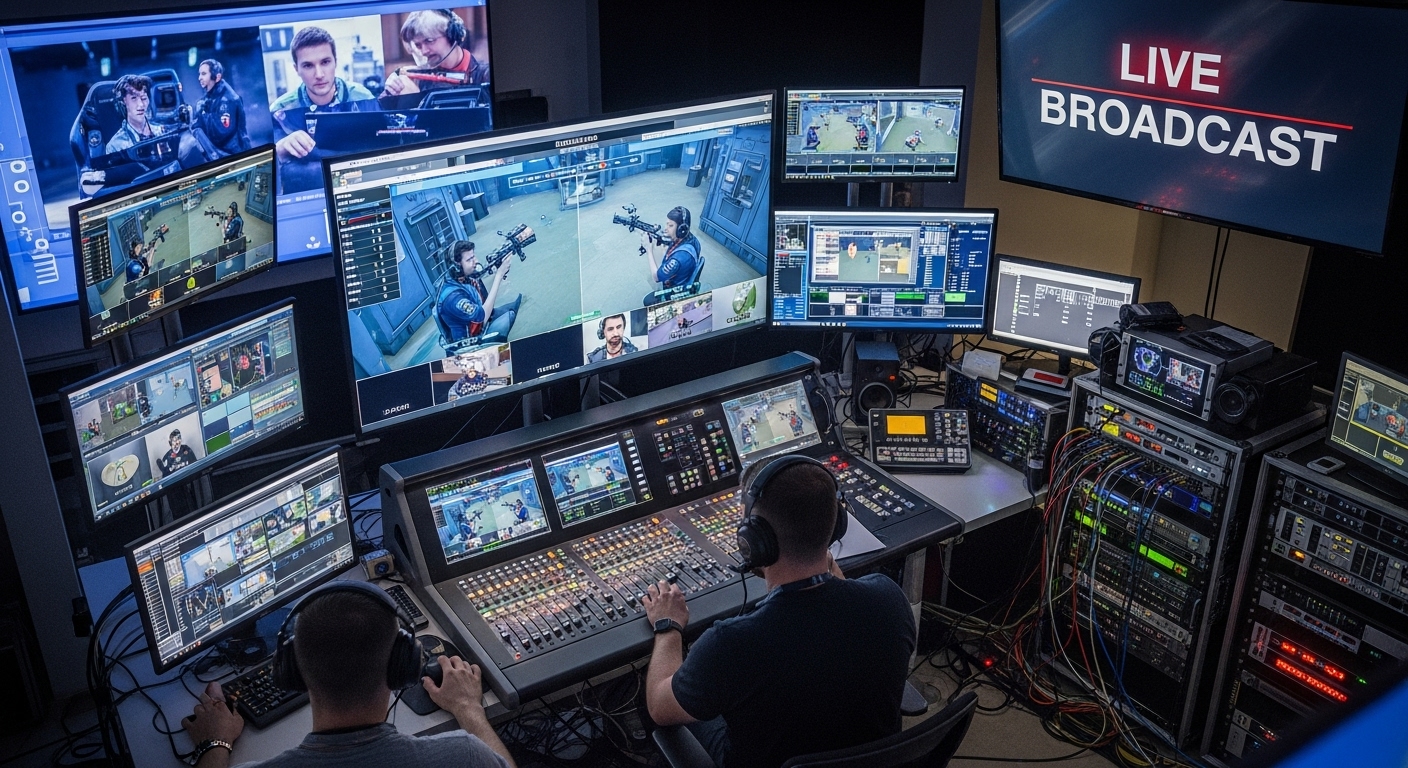
A defining characteristic of eSports is the emphasis on spectatorship. Unlike traditional gaming, where players interact primarily with the game itself, eSports thrives on audience engagement. Platforms such as Twitch, YouTube Gaming, and other streaming services have transformed the way fans consume competitive gaming. Millions of viewers can watch live matches, interact with commentators, and communicate with other fans in real-time, creating a global digital community around competitive play.
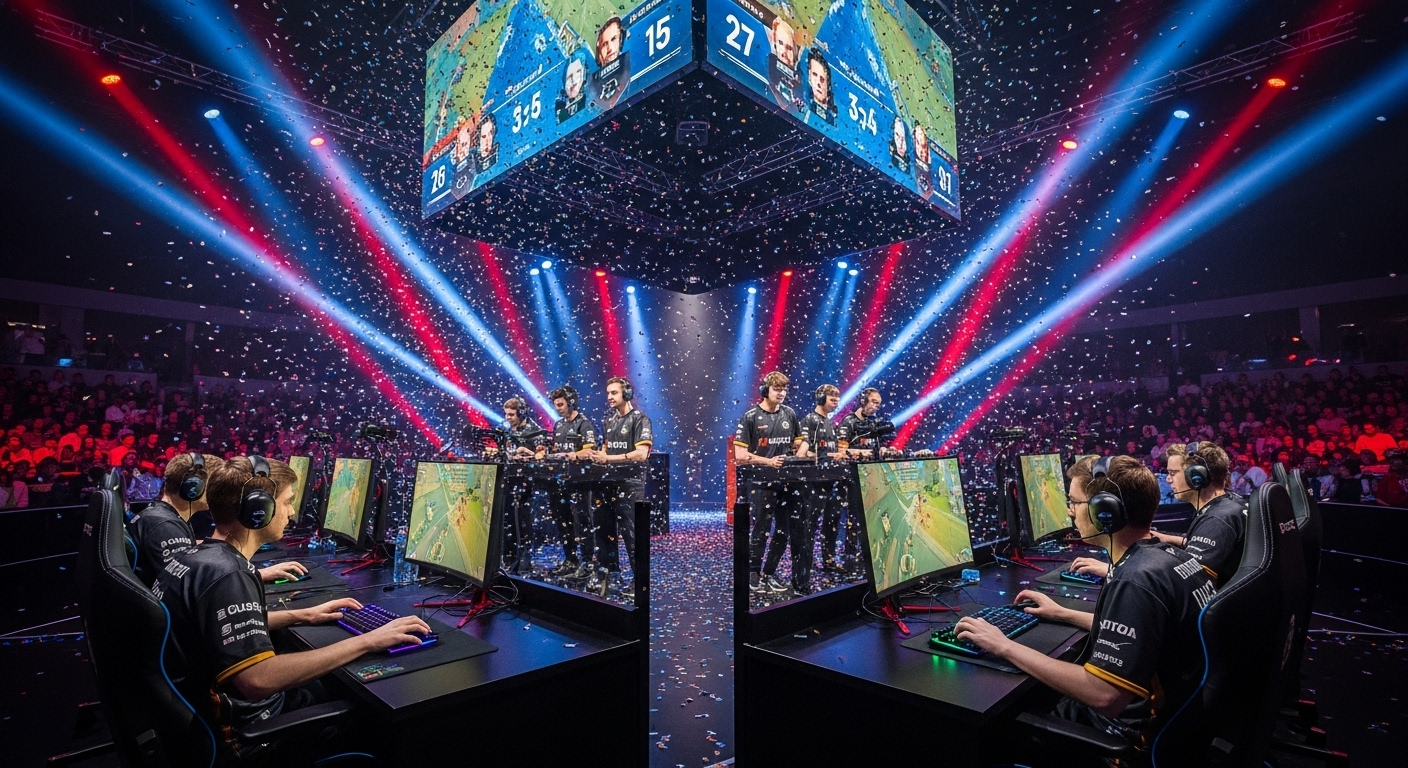
Large-scale tournaments now resemble major sporting events. Stadiums are filled with cheering audiences, enormous LED screens project live gameplay, and commentators narrate the action with energy and insight. Events such as the League of Legends World Championship and The International for Dota 2 attract millions of viewers worldwide, with prize pools reaching tens of millions of dollars. The shared excitement of watching and supporting players fosters a unique sense of community that sets eSports apart from other forms of digital entertainment.
Economic Growth and Industry Structure
The eSports industry has evolved into a multi-billion-dollar market encompassing sponsorships, advertising, media rights, ticket sales, and merchandise. Brands and corporations recognize the value of reaching a digitally connected audience, particularly younger generations who are highly engaged online. Unlike traditional sports audiences, eSports fans interact directly with content, creating unique opportunities for marketing and fan engagement.
Professional organizations such as Team Liquid, Fnatic, T1, and Cloud9 manage rosters across multiple games, negotiate sponsorships, and produce content for fans. Game publishers, including Riot Games, Valve, and Blizzard, play a critical role by organizing leagues, maintaining competitive ecosystems, and regulating tournaments. Streaming platforms allow players to monetize content directly, blending the roles of athlete, entertainer, and influencer. The interconnected nature of the industry has made eSports a sustainable career for thousands of individuals worldwide, while attracting continued investment and commercial growth.
Training and Discipline in eSports
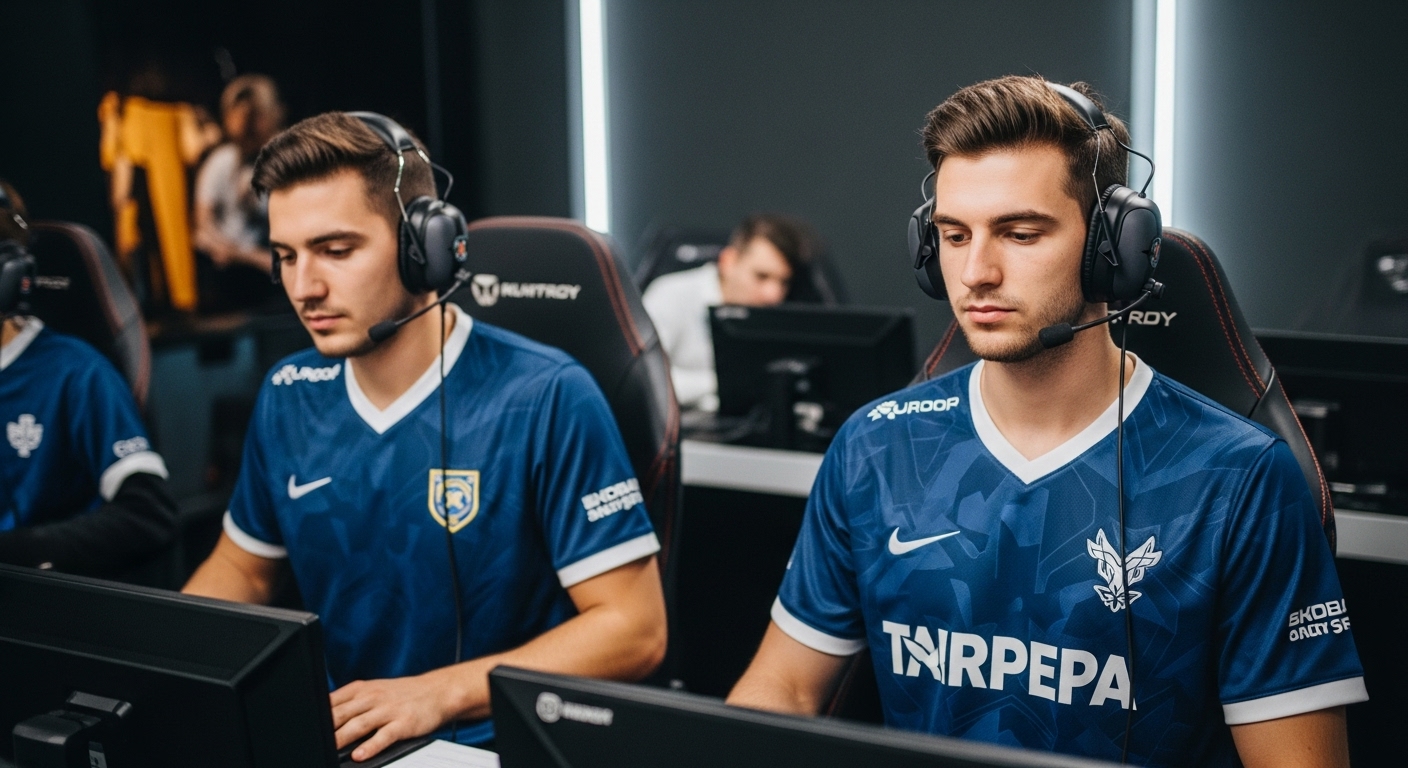
Professional eSports athletes follow rigorous training regimens that extend far beyond casual gaming. Daily schedules often include ten or more hours of gameplay, strategy development, team scrimmages, and reviewing match footage. Mental endurance and split-second decision-making are crucial, as mistakes can determine the outcome of high-stakes matches.
Teams employ coaches, analysts, physical trainers, and sports psychologists to support player performance. Physical health is emphasized through exercise, nutrition, and adequate rest to maintain peak cognitive function. Dedicated training facilities, ergonomic setups, and recovery zones have become commonplace, reflecting the recognition that eSports requires discipline, focus, and holistic care similar to traditional sports.
Cultural Impact of eSports
eSports has grown into a significant cultural force, influencing music, fashion, and entertainment. Artists perform at tournaments, fashion brands collaborate with teams, and visual aesthetics from games permeate popular culture. The eSports lifestyle—centered on creativity, strategy, and digital connectivity—has shaped how younger generations engage with entertainment and self-expression.
Educational institutions have also embraced eSports, offering scholarships, degree programs, and competitive clubs. Schools encourage gaming as a tool for teaching critical thinking, teamwork, and problem-solving. In South Korea, professional players receive official recognition, government support, and mainstream media coverage. Globally, eSports transcends cultural boundaries, connecting individuals through shared interests and fostering a sense of community among players and fans.
Psychological Demands and Mental Resilience
The mental aspect of competitive gaming is as demanding as the physical requirements of traditional sports. Players must maintain focus under pressure, adapt strategies in real-time, and regulate their emotions during intense matches. Mental toughness is a critical factor in sustaining performance over long tournaments and seasons.
Sports psychologists and mental coaches work closely with teams to optimize concentration, manage stress, and promote emotional well-being. Burnout remains a major concern, as professional players face prolonged periods of practice and competition. Supporting mental health is now recognized as an essential component of player longevity and industry sustainability.
Challenges Facing the eSports Industry
Despite rapid growth, the eSports industry faces significant challenges. The absence of centralized governance results in inconsistent rules, player contracts, and regulations across different games. Issues such as cheating, match-fixing, and online harassment can undermine the integrity of competitions.
Player longevity is another challenge. Many professional gamers retire in their early twenties due to mental and physical strain. Establishing healthcare support, balanced practice schedules, and post-career opportunities is critical for long-term sustainability. Accessibility also remains a concern, as high-performance gaming equipment can be costly, limiting opportunities for talented players in lower-income regions.
Technology as the Backbone of eSports
Technology is central to eSports. High-speed internet, advanced hardware, and sophisticated software enable competitive gameplay and streaming. Artificial intelligence tools are increasingly used for performance analytics, training simulations, and strategy development. AI-driven programs allow players to practice specific scenarios repeatedly, improving decision-making under pressure.
Emerging technologies such as virtual reality and augmented reality have the potential to transform the competitive experience. Immersive tournaments could create hybrid physical and digital arenas, attracting new audiences and redefining engagement. Mobile gaming is also expanding accessibility, particularly in regions where PCs or consoles are less common, creating a larger pool of competitors and fans.
Regional Leagues and Grassroots Development
While global tournaments attract major attention, local and regional leagues form the backbone of eSports growth. These competitions cultivate talent, build communities, and provide pathways for players to advance to professional levels. Governments and private organizations invest in arenas, training facilities, and coaching programs, recognizing the economic and cultural value of competitive gaming.
Regional competitions also produce national icons, inspiring aspiring players and fostering pride among local communities. These grassroots initiatives ensure a steady flow of talent to global competitions while maintaining fan engagement and loyalty at every level of play.
Community Engagement and Fan Culture
eSports fans are active participants in shaping the culture surrounding their favorite games and players. Online communities, forums, and social media channels allow fans to contribute content, share insights, and celebrate achievements. The interactive nature of eSports fandom creates a sense of belonging and personal investment in the success of teams and players.
Storytelling is central to the eSports experience. Rivalries, underdog victories, and dramatic comebacks provide narrative depth that captivates audiences. Fans are not just spectators; they are co-creators of the culture, helping to define the identity and evolution of eSports as a global phenomenon.
The Future of eSports
The future of eSports is expansive and transformative. Advances in technology, including virtual reality, augmented reality, and AI, will enhance gameplay, training, and viewing experiences. Hybrid competitions that combine physical and digital elements may emerge, pushing the boundaries of what defines competitive sport.
Sustainability, inclusivity, and player welfare will be critical factors in the long-term growth of the industry. Ethical regulations, healthcare support, and equitable access to resources will help ensure a fair and thriving ecosystem. The possibility of eSports being included in global sporting events, such as the Olympics, highlights its increasing legitimacy as a professional and cultural endeavor.
Conclusion: Redefining Modern Competition
eSports has evolved from humble arcade beginnings into a global industry that redefines competition in the digital era. It combines skill, strategy, mental resilience, and entertainment, creating a professional ecosystem on par with traditional sports. eSports transcends cultural and geographical boundaries, providing opportunities for players and fans worldwide.
The industry demonstrates that human ingenuity and competitive drive can thrive in digital environments. From small tournaments to multi-million-dollar international events, eSports continues to captivate, inspire, and connect millions. It is not merely a form of entertainment but a cultural movement that reflects the evolving nature of competition, community, and creativity in the modern world. The digital arena is now a stage where skill, dedication, and passion converge, shaping the future of global competition.