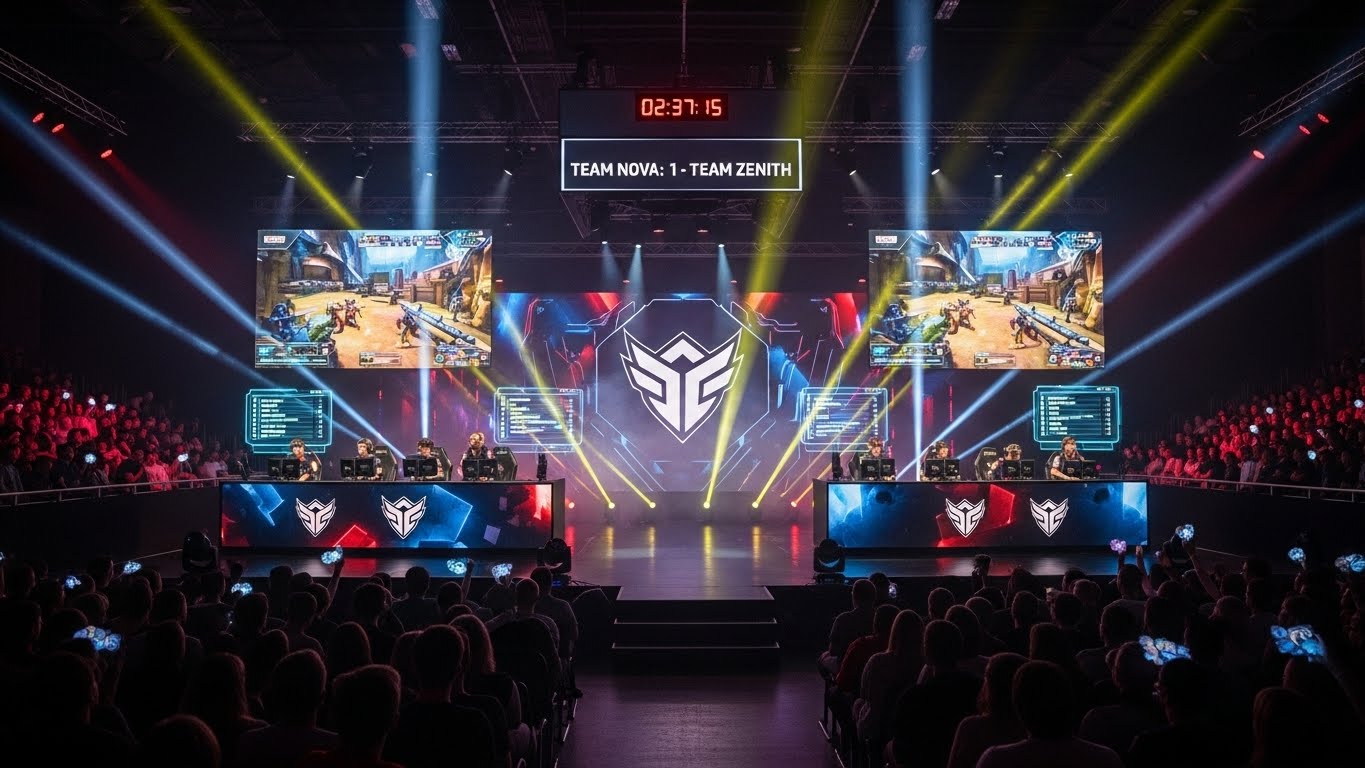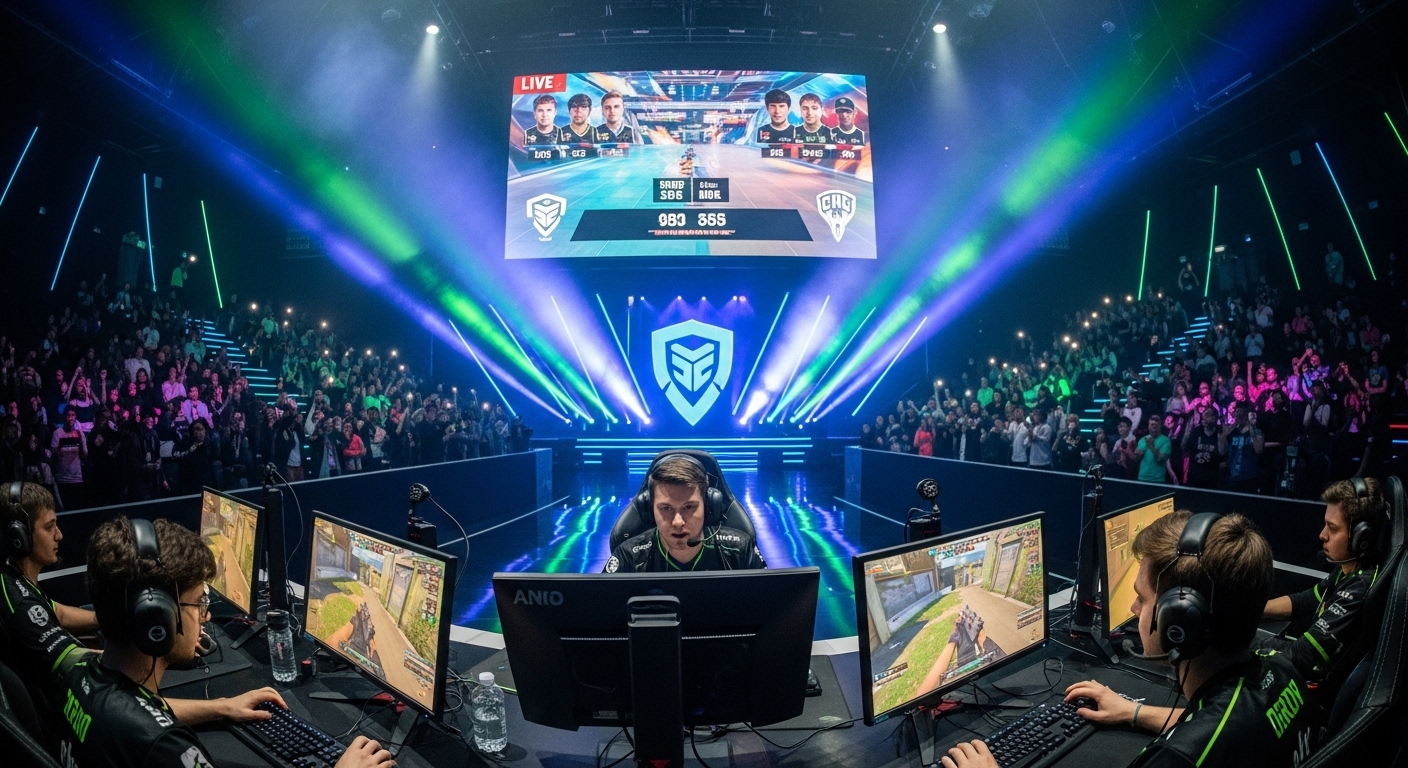
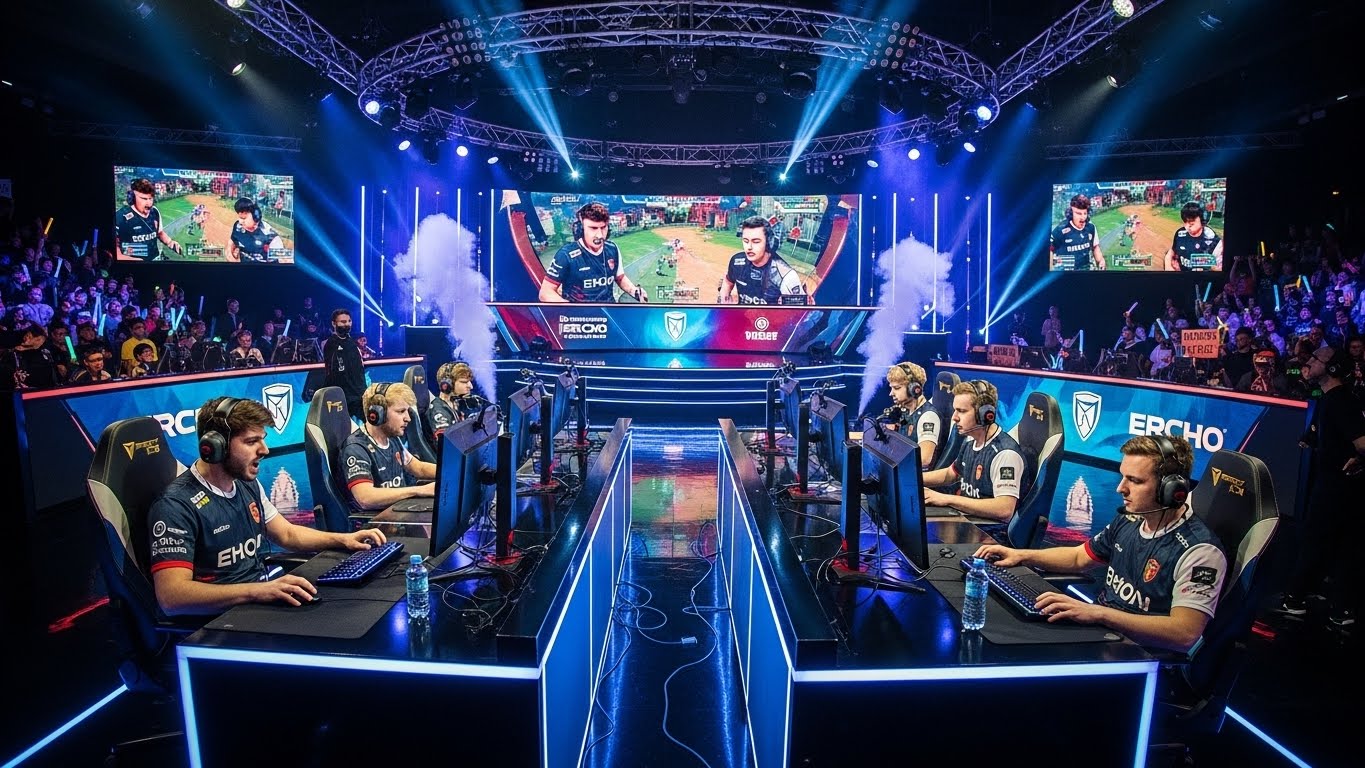
Esports has grown from a small hobby to a global phenomenon, transforming the way people view competition, entertainment, and community. Once confined to basements and arcades, competitive gaming now fills stadiums, attracts millions of online viewers, and generates billions in revenue. Esports is no longer just a pastime; it has become a professional, cultural, and economic force. This blog explores the rise of esports, its impact on players and society, and its promising future.
The Early Days of Competitive Gaming
The origins of esports date back to the late 1970s and 1980s when video game competitions began in arcades. Games like Space Invaders and Pac-Man allowed players to compete for high scores, sparking a culture of rivalry and skill. In the 1990s, as computers became more accessible, multiplayer games like Doom and Quake introduced competitive play on a larger scale.
South Korea played a pivotal role in professionalizing esports. By the late 1990s, StarCraft tournaments were televised, attracting huge audiences and setting standards for organized play. These early competitions introduced the concept of teams, coaches, and structured leagues, laying the groundwork for modern esports. The growth of the internet and live streaming technology later allowed competitions to reach audiences worldwide, elevating esports to the global stage.
What Esports Really Is
Esports, short for electronic sports, is organized competitive gaming. It spans a variety of genres including first-person shooters, real-time strategy, multiplayer online battle arenas, fighting games, and sports simulations. Players compete individually or as part of teams, often in structured tournaments or leagues.
Unlike casual gaming, esports demands rigorous practice, strategic thinking, and strong teamwork. Professional players often spend hours daily refining their skills, studying opponents’ strategies, and coordinating with their teammates. Reflexes, precision, adaptability, and mental resilience are essential. Esports requires discipline and commitment similar to that of traditional sports.
Physical and Mental Demands
While esports may appear less physically demanding than traditional sports, it places significant strain on players’ bodies and minds. Extended gaming sessions can cause eye strain, poor posture, repetitive stress injuries, and sleep disruption. Many professional teams now integrate fitness programs, ergonomic equipment, and scheduled breaks to maintain players’ physical well-being.
Mental stamina is equally critical. High-level esports players must think strategically under pressure, make rapid decisions, and maintain focus during long matches. Stress, fatigue, and burnout are common, making mental health support and structured routines vital for sustainable careers. Emotional control, resilience, and teamwork are key factors that differentiate elite players from the rest.
Esports as a Cultural Phenomenon
Esports has grown into a worldwide cultural movement, attracting millions of fans and creating vibrant communities. Major tournaments such as the League of Legends World Championship and The International for Dota 2 draw massive audiences, rivaling traditional sports in viewership. Fans follow their favorite teams and players, discuss strategies online, and engage in live streaming platforms.
The culture surrounding esports extends beyond gaming. Fashion, music, and lifestyle trends are influenced by competitive gaming. Team merchandise, jerseys, and gaming-inspired apparel have become mainstream, while cosplay, fan art, and conventions contribute to a unique digital culture. Esports fosters social connections, identity, and community in ways that go beyond the screen.
Economic Impact
Esports is a major economic driver. Revenue comes from sponsorships, media rights, advertising, merchandise, ticket sales, and prize money. Professional teams operate much like traditional sports franchises, employing coaches, analysts, managers, and marketing teams.
The industry also stimulates innovation in technology, content creation, and event management. Streaming platforms, hardware manufacturers, and software developers all benefit from the esports ecosystem. Many countries now recognize esports as a legitimate career path, offering opportunities for players, commentators, organizers, and analysts. The economic significance of esports extends from local communities to global markets.
Esports and Education
Esports has become an educational tool, teaching students valuable life skills. Schools and universities have established esports clubs, programs, and scholarships to nurture talent and encourage learning. Participation in esports develops skills such as teamwork, strategic thinking, time management, and problem-solving.
Additionally, esports can inspire interest in technology-related fields. Students involved in competitive gaming often pursue careers in computer science, digital media, and software development. By combining passion with skill development, esports offers both recreational enjoyment and practical learning experiences.
Technology Driving Esports
Technology underpins esports at every level. High-performance computers, gaming consoles, peripherals, and software ensure competitive fairness and precision. Streaming platforms enable fans to watch matches live, interact with players, and participate in global communities.
Emerging technologies such as virtual reality, augmented reality, and artificial intelligence are shaping the future of esports. VR provides immersive experiences for both players and spectators, while AI helps analyze gameplay and develop strategies. Technology not only enhances performance but also creates new ways for fans to engage and participate.
Challenges Facing the Industry
Despite its rapid growth, esports faces challenges. The lack of standardized regulations, inconsistent prize distribution, and contractual disputes can create instability. Player burnout, mental health issues, and cheating are ongoing concerns that require careful management.
Gender disparity is another challenge. Female players often encounter fewer opportunities and face harassment in competitive environments. Ensuring diversity, equity, and inclusion is essential to the sustainability and growth of esports. Creating safe and accessible environments will allow the industry to thrive for all participants.
Esports vs. Traditional Sports
Esports shares similarities with traditional sports, including professional teams, structured leagues, and fan engagement. However, it differs fundamentally in its reliance on digital platforms rather than physical venues. Fans primarily watch events online, interact through social media, and engage with content in interactive ways.
Many traditional sports organizations are investing in esports to reach younger audiences, while athletes participate in gaming events to connect with fans. This convergence highlights how digital and physical forms of competition can coexist, reflecting the evolving nature of entertainment and sport in the modern era.
The Future of Esports
The future of esports is bright. Mobile gaming expands accessibility, allowing players worldwide to compete on equal footing. Interactive streaming, virtual reality, and cross-platform tournaments will further enhance fan engagement and participation.
Sustainability and inclusivity will shape the industry’s growth. Energy-efficient gaming equipment, environmentally conscious events, and diversity initiatives will ensure esports remains a positive force. As technology and culture continue to evolve, esports will remain at the forefront of entertainment, competition, and innovation.
Conclusion: Esports as a Transformative Force
Esports has evolved from a niche pastime into a global cultural, professional, and economic powerhouse. It challenges traditional ideas of sports, proving that competitive gaming demands skill, strategy, and discipline. Beyond the screen, esports connects people, drives technological innovation, supports education, and contributes to economies worldwide.
For players, fans, and communities, esports is more than a game. It is a movement that reflects creativity, resilience, and the potential of the digital age. Its influence will continue to grow, shaping the way we compete, learn, and connect in the modern world.