Introduction: The Digital Revolution of Competitive Gaming
Esports, or electronic sports, has transformed the way people perceive gaming. What began as a hobby for a few passionate gamers has grown into a global industry with millions of fans, professional teams, and massive tournaments. Unlike traditional sports, esports thrives entirely in the digital realm, yet it offers the same excitement, strategy, and competitive spirit. Its evolution reflects the changing nature of entertainment, technology, and community in the 21st century.
The Early Days: From Hobby to Organized Competition
Competitive gaming has roots going back decades. Initially, players competed in small tournaments or among friends, often with minimal recognition or prizes. Early arcade games and PC competitions laid the foundation for structured competitions. With the rise of the internet, gaming became more interconnected, and online multiplayer games created opportunities for players from different parts of the world to compete. Slowly, the first professional teams and leagues began forming, marking the beginning of esports as we know it today.
Why Esports Appeals to Millions Worldwide
Esports’ appeal comes from accessibility, community, and excitement. Unlike traditional sports, where physical attributes may define success, esports is about strategy, skill, reflexes, and teamwork. Anyone with a computer, console, or mobile device can participate. Fans are not just spectators; they analyze strategies, root for their favorite teams, and engage in discussions online. Esports creates a sense of connection that extends beyond the game itself, fostering a global community united by shared passion.
Major Esports Titles and Their Impact
Certain games have played a significant role in shaping esports culture. Titles like League of Legends, Dota 2, Counter-Strike, Fortnite, and Valorant have attracted millions of viewers and professional players. These games differ in style—from team-based strategy to fast-paced shooting competitions—but all require precision, communication, and tactical thinking. Each title has also developed its own dedicated fan base, tournaments, and leagues, creating unique ecosystems within the broader esports world.
The Rise of Professional Players
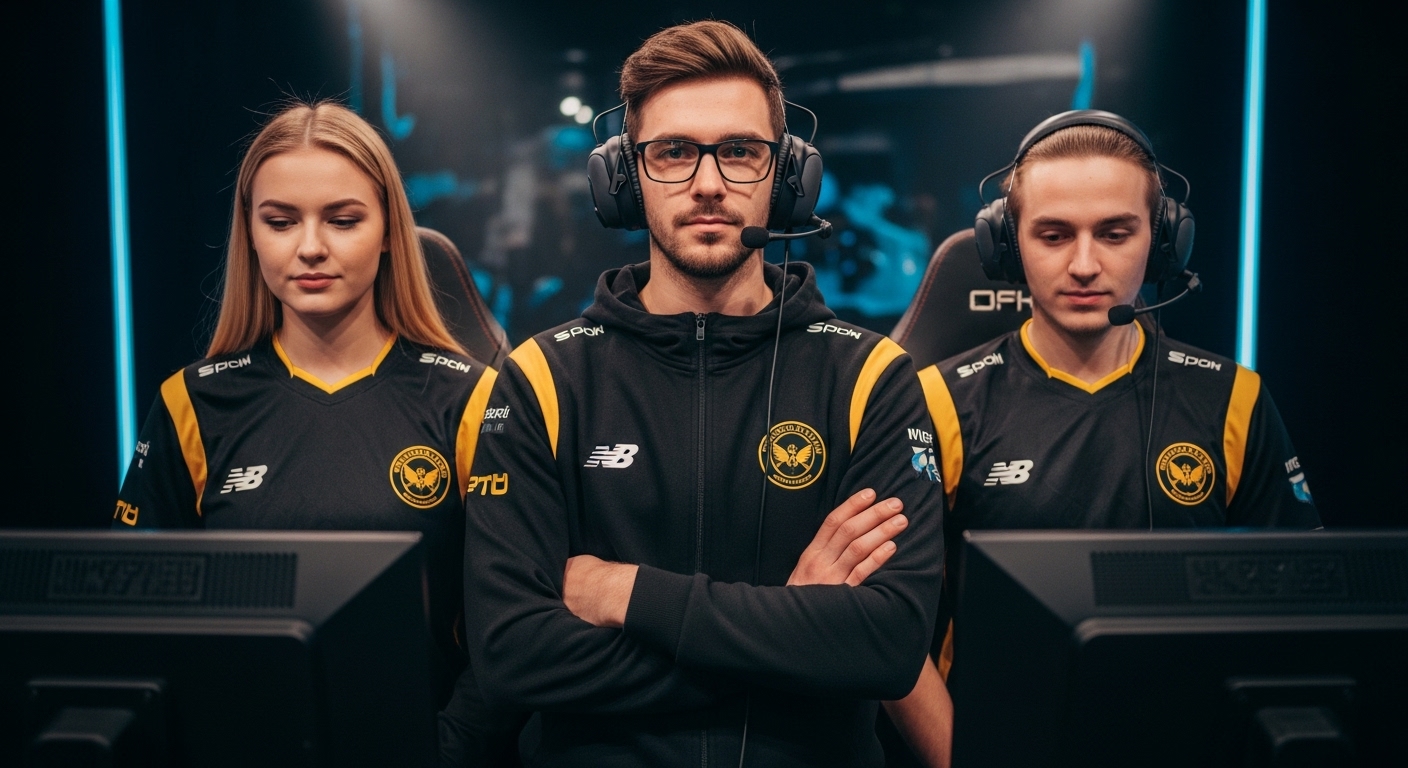
Professional esports players are the athletes of the digital era. Their lives revolve around rigorous training schedules, teamwork, and strategic preparation. Many start young, dedicating hours every day to improve reaction time, coordination, and game sense. Teams employ coaches, analysts, and psychologists to optimize performance. Just like traditional athletes, professional players face pressure to maintain peak performance while managing physical and mental well-being.
Esports Events: A Spectacle of Skill and Entertainment
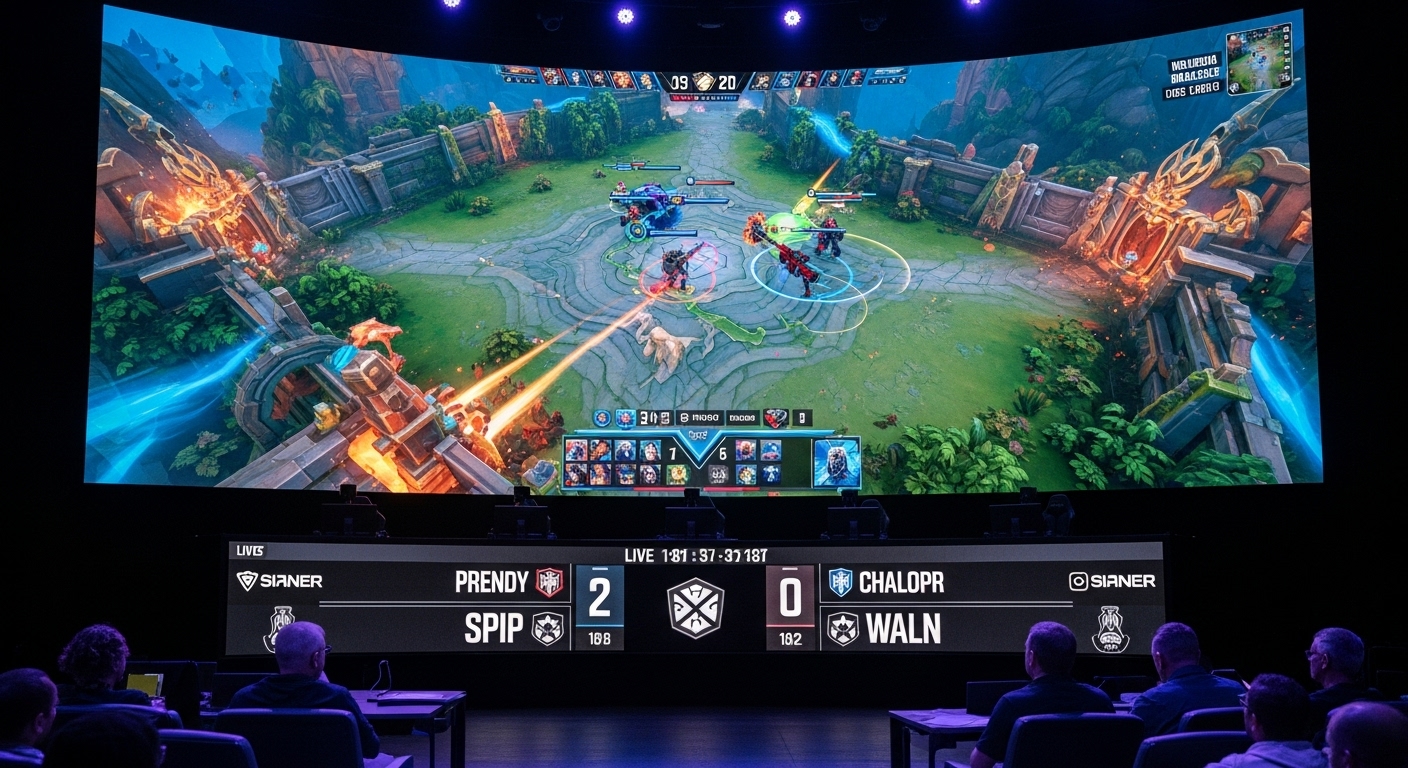
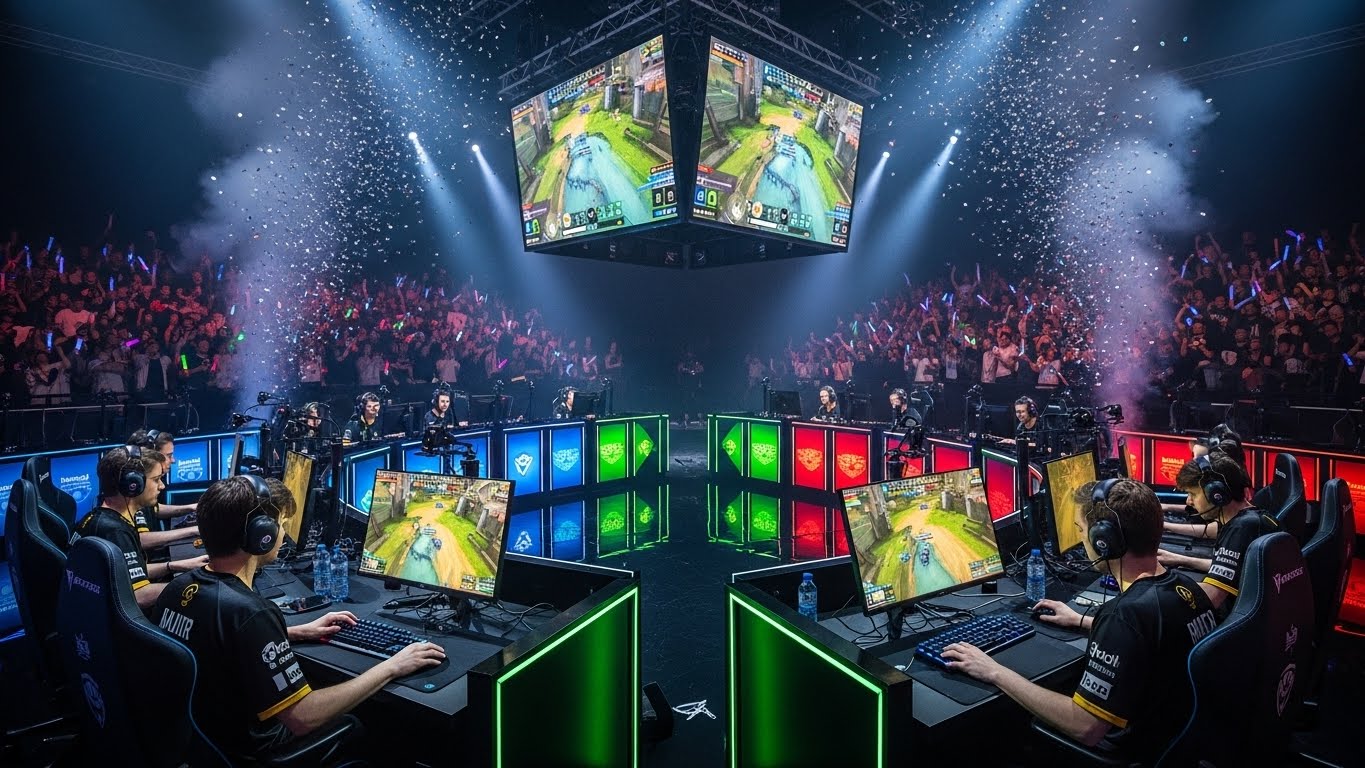
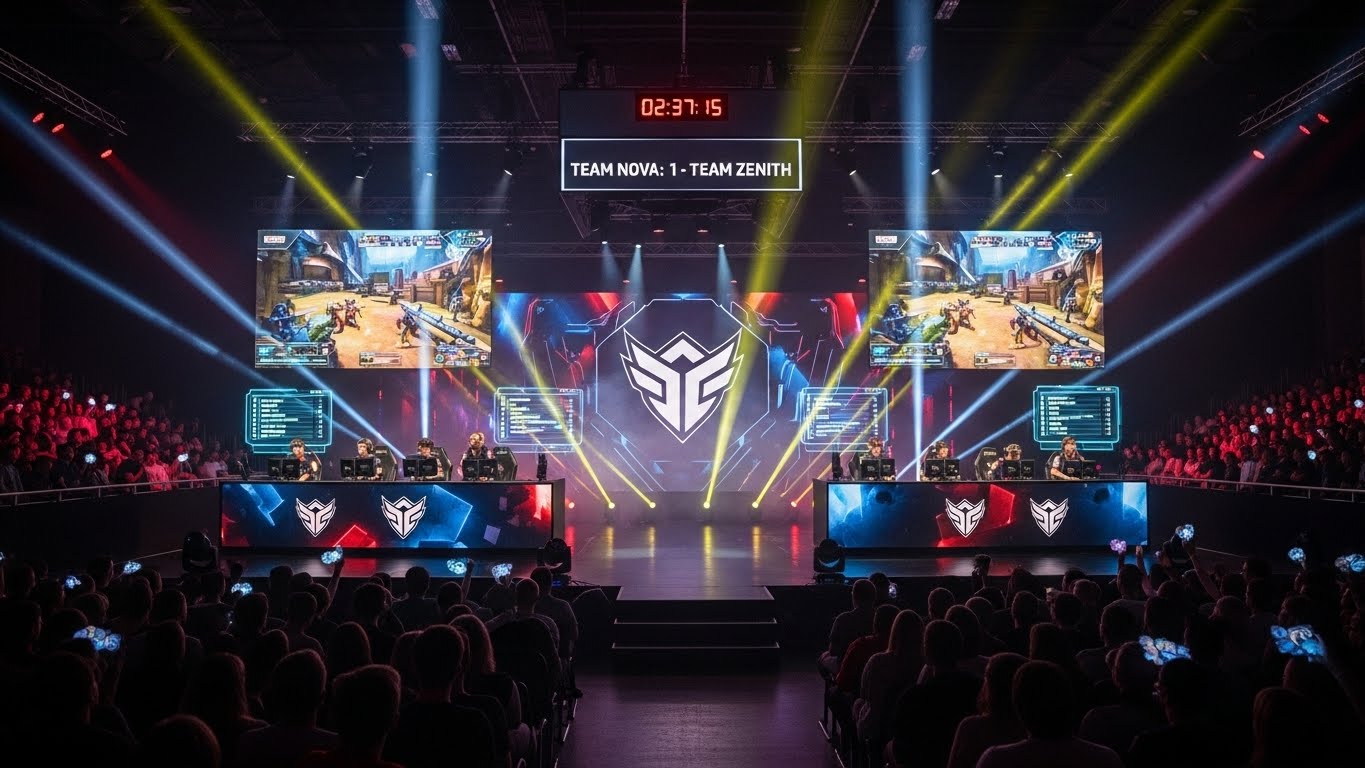
One of the most exciting aspects of esports is its tournaments. These events range from small local competitions to massive international championships held in arenas with thousands of fans and millions of online viewers. Events such as the League of Legends World Championship or The International Dota 2 Championship have become cultural phenomena. They include live commentary, elaborate stage setups, and immersive production elements that elevate the competition to a full-fledged entertainment experience.
The Economic Power of Esports
Esports is not just a cultural phenomenon—it is a booming industry. Sponsorships, merchandise, broadcasting rights, and tournament revenues contribute billions of dollars annually. Brands from technology, apparel, food, and beverage industries recognize esports as an influential market, particularly among younger audiences. Esports organizations operate like traditional sports teams, managing players, content, and fan engagement while attracting investment and building profitable enterprises.
Streaming and Digital Platforms: Connecting Fans and Players
Streaming platforms have revolutionized the way fans engage with esports. Platforms allow players to broadcast live gameplay, interact with viewers, and grow personal brands. Fans can watch favorite players, learn strategies, and participate in interactive chat sessions. This direct connection between players and audiences has created a new form of entertainment where viewers are not passive but actively engaged, shaping the culture and growth of esports.
Esports in Education and Career Opportunities
Esports has found its way into schools and universities. Educational institutions now offer esports clubs, courses, and even scholarships. Students can gain skills in leadership, teamwork, communication, and critical thinking through participation. The industry also provides career opportunities beyond playing professionally, including event management, content creation, marketing, coaching, and game development. Esports bridges the gap between entertainment and professional growth, offering unique pathways for young talent.
Challenges in the Esports Industry
Despite its growth, esports faces significant challenges. Player burnout is common due to long hours and intense competition. Maintaining fair play is another concern, as cheating or exploiting game mechanics can compromise tournaments. Inclusivity and safety are also critical issues, as toxicity and harassment remain challenges in online gaming communities. Addressing these issues is essential for sustaining growth and ensuring a positive environment for players and fans alike.
Technological Advancements Shaping the Future
The future of esports is closely tied to technology. Virtual reality, augmented reality, and artificial intelligence are likely to redefine gameplay, tournaments, and fan experiences. Faster internet, improved gaming hardware, and innovative streaming technologies will make esports even more immersive and accessible. As the digital landscape evolves, esports is expected to expand further, reaching audiences and players in ways unimaginable just a few years ago.
Global Recognition and Mainstream Acceptance
Esports is gaining recognition as a legitimate sport worldwide. Governments, educational institutions, and international sporting organizations are beginning to acknowledge its value. Professional competitions are broadcasted on mainstream media, and players are celebrated as athletes. This growing recognition demonstrates the potential of esports to transcend digital entertainment and become a permanent fixture in global sporting culture.
The Cultural Impact of Esports
Esports has influenced popular culture, inspiring music, art, fashion, and even film. Gaming merchandise, fan art, and cosplay have created unique cultural expressions. The industry has also fostered cross-cultural interactions, bringing together people from different countries and backgrounds united by shared interests. Esports is not just a hobby; it is a lifestyle that shapes identities, communities, and creative expression.
Conclusion: The Continuing Evolution of Esports
Esports is no longer a niche activity; it is a global phenomenon redefining entertainment, sports, and digital culture. From professional players to passionate fans, from massive tournaments to online streaming platforms, esports has created a dynamic ecosystem that continues to expand. With technological innovation, cultural influence, and economic power, esports is poised to remain at the forefront of digital entertainment, offering endless opportunities for competition, creativity, and community.