In the last decade, esports has transformed from a subculture of gaming enthusiasts into a global phenomenon. What once began as casual competitions among friends has exploded into a professional industry that rivals traditional sports in size, viewership, and financial power. Today, esports is no longer just a pastime—it’s a serious career, an entertainment spectacle, and a cultural movement. In this blog, we’ll take a deeper dive into the world of esports, from its origins to its current impact and what lies ahead.
Understanding Esports: More Than Just Gaming
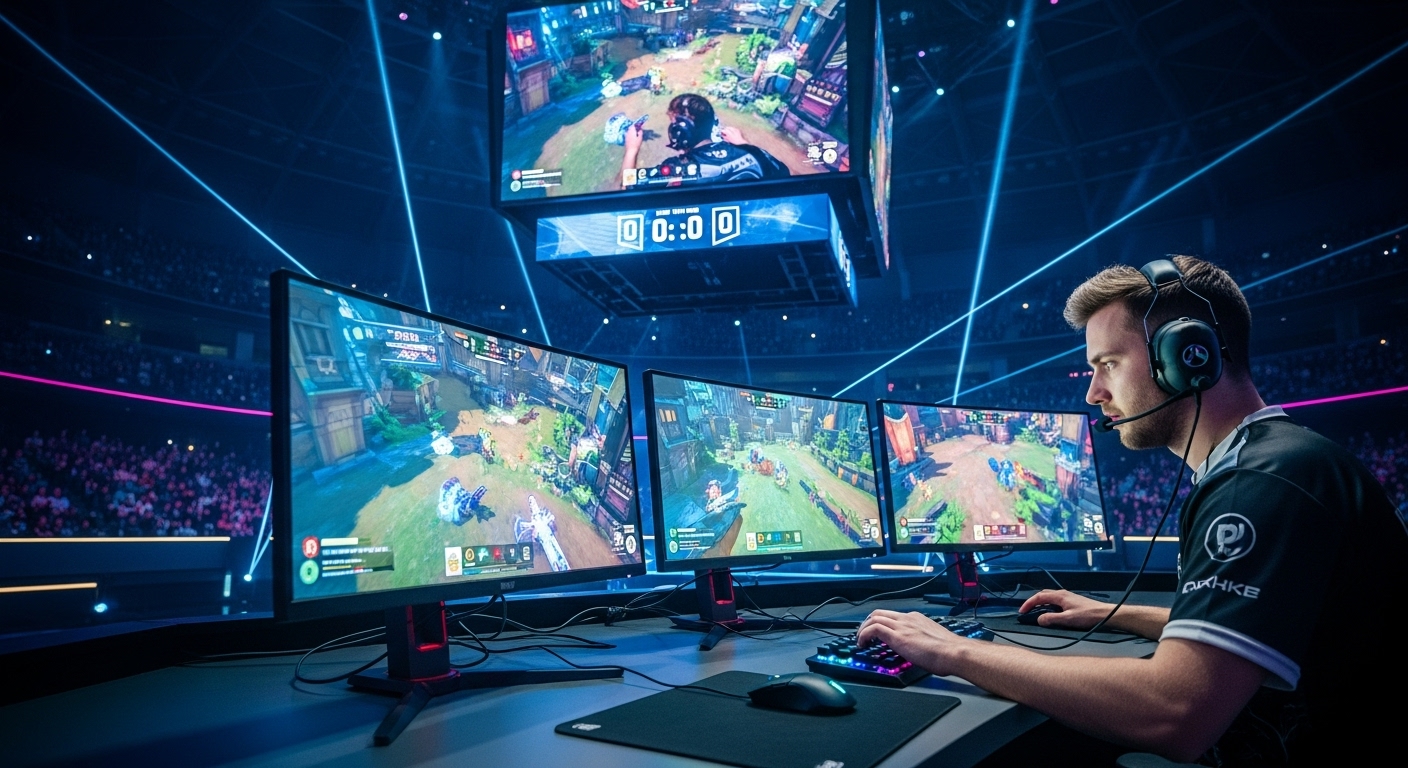
At its core, esports refers to competitive gaming where players or teams compete in video game tournaments, often in front of large audiences and with professional-level prizes. Unlike casual gaming, esports demands precision, teamwork, and strategy. Whether it’s League of Legends, Dota 2, or Counter-Strike: Global Offensive, esports games are designed to test the skills of players under pressure.
The variety of games in the esports world is vast. Some esports competitions focus on real-time strategy, like StarCraft II, while others pit players against each other in first-person shooters like Call of Duty. There are even esports for sports simulation games such as FIFA and NBA 2K. The one common thread among these diverse games is the professional level of competition that attracts players who are not just skilled but also dedicated to perfecting their craft.
The Birth and Growth of Esports
The rise of esports can be traced back to the early days of online multiplayer gaming in the 1990s. Games like Quake and Warcraft allowed players from all over the world to compete against each other, laying the groundwork for competitive gaming. However, it wasn’t until the early 2000s that the concept of esports began to gain real traction.
In South Korea, competitive StarCraft tournaments became a national sensation, laying the foundation for what would become a worldwide industry. The success of these early esports events was driven by high-speed internet access and a strong gaming culture. Fast forward to the 2010s, when platforms like Twitch and YouTube Gaming allowed gamers to broadcast their gameplay live, turning esports competitions into massive entertainment events.
Esports as a Multibillion-Dollar Industry
Today, esports is a multibillion-dollar industry with a rapidly growing fanbase. The total revenue of the esports market is expected to exceed $1.5 billion in the next few years, driven by sponsorships, advertising, media rights, and merchandise sales. Major brands such as Coca-Cola, Intel, and Nike have made significant investments in esports, recognizing its potential to reach younger, tech-savvy audiences.
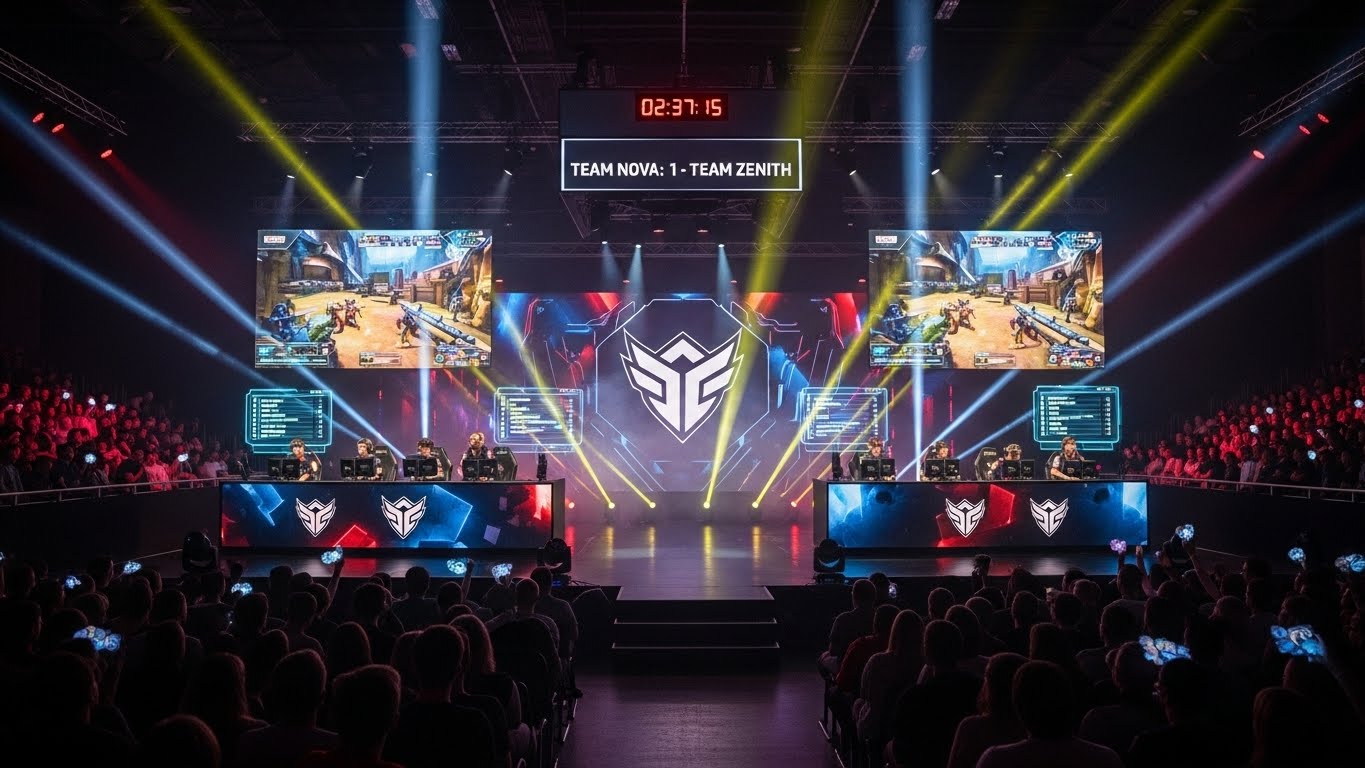
Esports tournaments now have prize pools that rival those of traditional sports events. For instance, The International—an annual Dota 2 tournament—has featured prize pools exceeding $40 million. The financial success of these tournaments has made esports a legitimate career for many, with players earning money through prize winnings, sponsorships, and streaming.
A New Kind of Athlete: The Esports Player
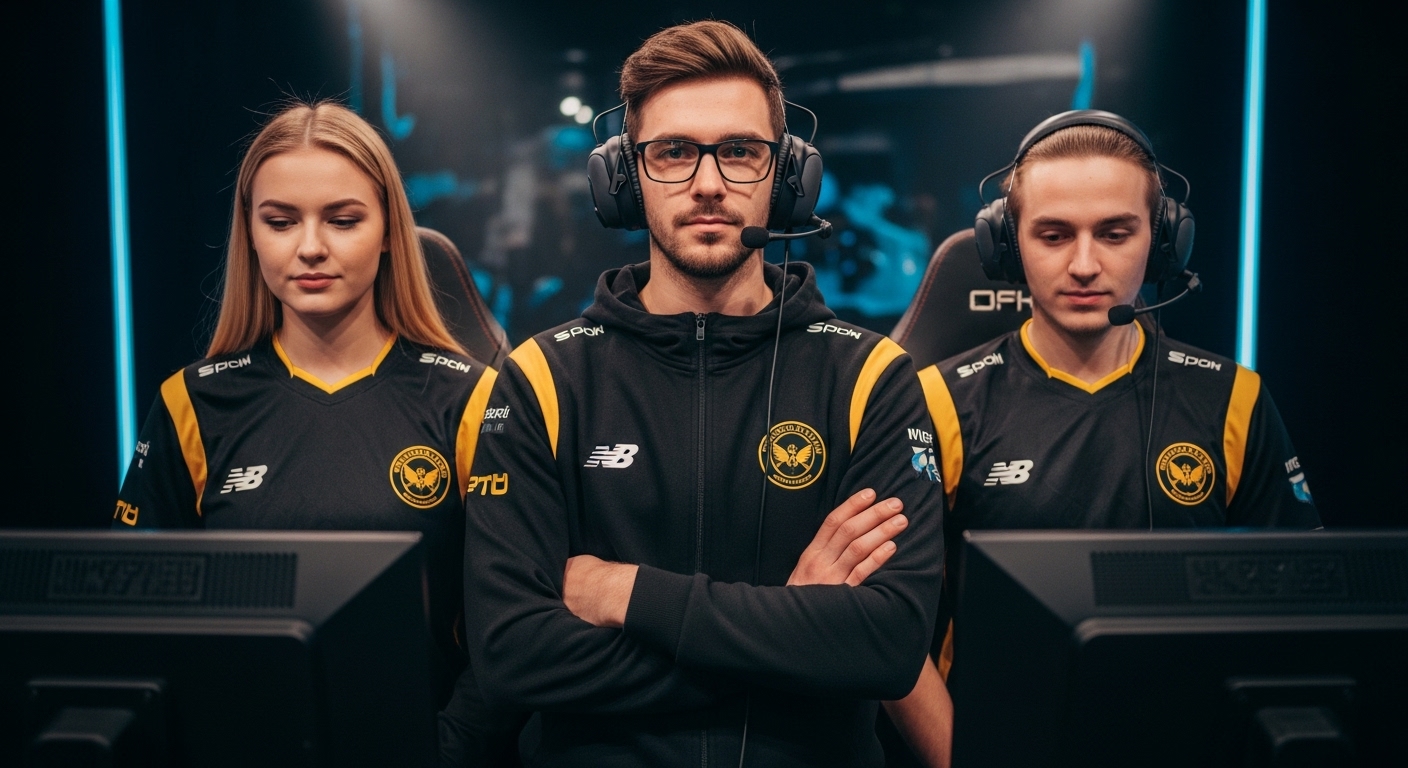
The rise of esports has also given birth to a new type of athlete. Esports players are not just gamers—they are highly trained professionals who spend countless hours refining their skills. Many top-tier players follow strict training regimens, with practice schedules that can rival those of professional athletes in traditional sports. They analyze gameplay, study strategies, and engage in team-building exercises to stay ahead of their competition.
For some, esports is a full-time career. Professional players can earn significant salaries through tournament winnings, sponsorships, and streaming deals. Moreover, the rise of esports as an entertainment industry has opened up job opportunities in coaching, analytics, content creation, and event management. Just as in traditional sports, there are now career paths for anyone interested in working in esports—whether on the technical side, the broadcasting side, or behind the scenes.
The Social and Cultural Impact of Esports
Esports has also had a profound impact on culture and social dynamics. It has brought together a global community of fans and players, united by their shared passion for gaming. Major esports tournaments are watched by millions, often in real time, creating a sense of global camaraderie. Fans interact with their favorite players on social media, offering support, giving feedback, or simply cheering them on from across the world.
This community is also diverse. People from all walks of life and from every corner of the globe participate in the esports world, whether as players, fans, or content creators. Esports has a unique ability to connect individuals across geographical, cultural, and language barriers, making it a truly global phenomenon.
Moreover, esports is also playing a role in shifting perceptions about gaming. Once seen as a solitary or even antisocial activity, gaming has evolved into a form of social interaction. Many esports tournaments, such as League of Legends and Fortnite, have become social events where millions gather online to watch the best players face off, just as fans would attend traditional sports events.
Esports and Traditional Sports: A Symbiotic Relationship
As esports grows, it continues to intersect with the traditional sports world. Major sports leagues and teams, including the NBA, NFL, and European soccer clubs, have started investing in esports teams or launching their own gaming leagues. The growth of esports has even led some traditional sports athletes to venture into the gaming world. For example, NBA stars like Shaquille O’Neal and Michael Jordan have invested in esports organizations, further cementing esports as an industry with mainstream appeal.
Esports is also beginning to share the same spaces as traditional sports. Events like the eWorld Cup for FIFA and NBA 2K League are hosted in arenas, with live audiences in attendance. With the growing acceptance of esports, the lines between digital and physical sports are blurring, and the future may see both industries coexisting in new and innovative ways.
The Challenges of Esports
Despite its rapid growth, the esports industry is not without challenges. One of the biggest hurdles is the lack of regulation and consistency across different tournaments and leagues. Unlike traditional sports, which have clear governance and rules, esports lacks a unified structure in some areas, such as player contracts, anti-cheating measures, and tournament formats.
Another challenge is the issue of player burnout. Competitive gaming is intense, and players often face tremendous pressure to perform at the highest level. The stress of constant training, travel, and competition can take a toll on players’ mental and physical health. As the industry matures, there will likely be more emphasis on supporting players’ well-being and finding ways to prevent burnout.
The Future of Esports: What Lies Ahead?
The future of esports looks incredibly promising. As technology continues to evolve, so will the way we experience esports. Virtual reality (VR) and augmented reality (AR) could change the way fans engage with games, making tournaments even more immersive. Additionally, esports’ increasing recognition in mainstream media and entertainment will only continue to bolster its growth.
Esports could even become a regular feature in global sporting events like the Olympics. With more countries recognizing esports as a legitimate sport, the idea of esports being included in the Olympics is no longer a far-off dream but a very real possibility.
Conclusion: A New Era of Competition
Esports has come a long way since its humble beginnings in the 1990s. What was once a small, niche activity has now become a global force with millions of viewers, top-tier athletes, and enormous financial backing. As it continues to grow and evolve, esports is reshaping what it means to be a professional athlete, a fan, and a consumer of entertainment. Whether you’re an avid gamer, a casual fan, or someone who’s just discovering the world of competitive gaming, one thing is certain: esports is here to stay, and it’s only getting bigger.