
Introduction
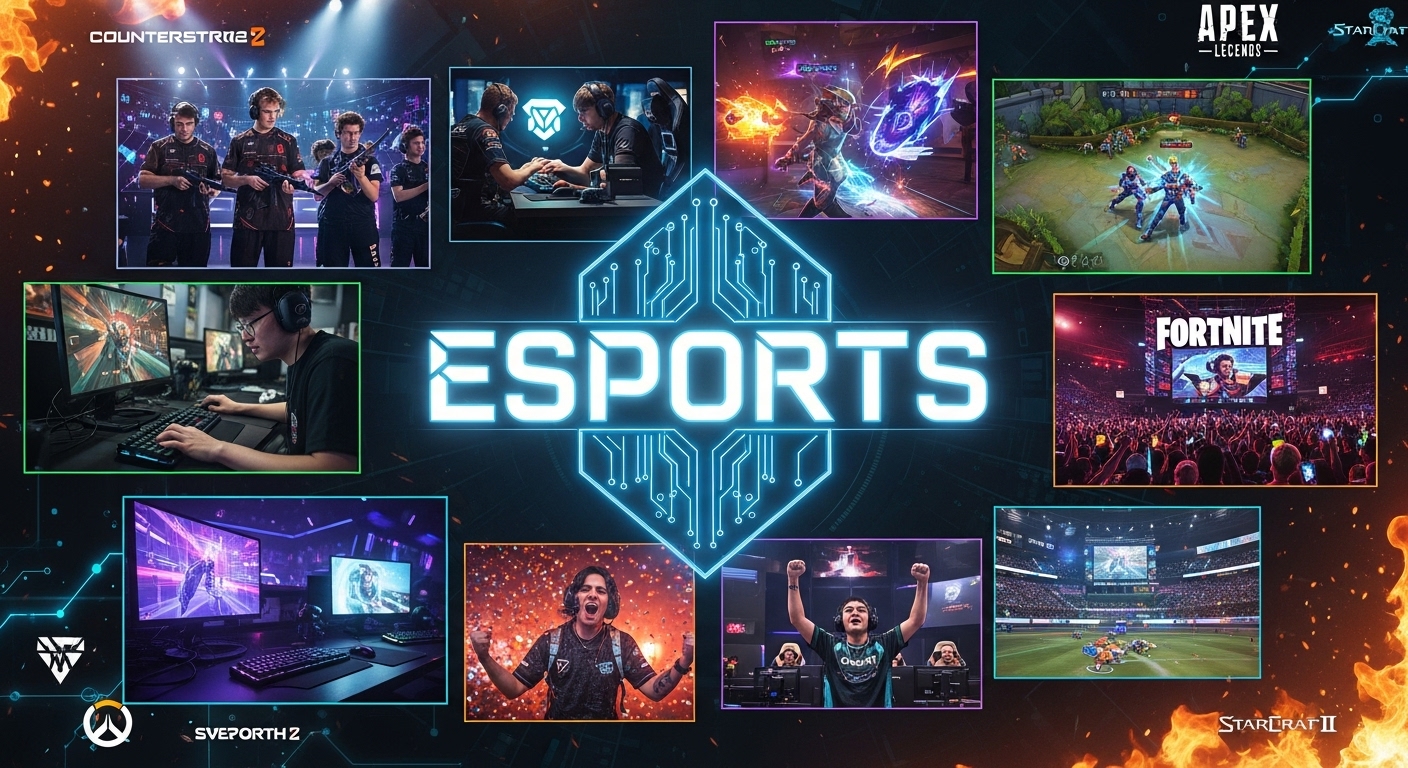
Esports, short for electronic sports, has emerged as one of the fastest-growing sectors in the entertainment and gaming industry. What began as casual multiplayer competitions has transformed into a professional and highly lucrative field, attracting millions of players, fans, and investors worldwide. Esports encompasses competitive video gaming, including genres like real-time strategy, first-person shooters, battle royales, and multiplayer online battle arenas. It combines skill, strategy, teamwork, and entertainment, bridging the gap between traditional sports and digital gaming. Today, esports is more than just a hobby; it is a cultural phenomenon, a professional career path, and a global industry that is redefining competition and entertainment in the digital age.
The Evolution of Esports
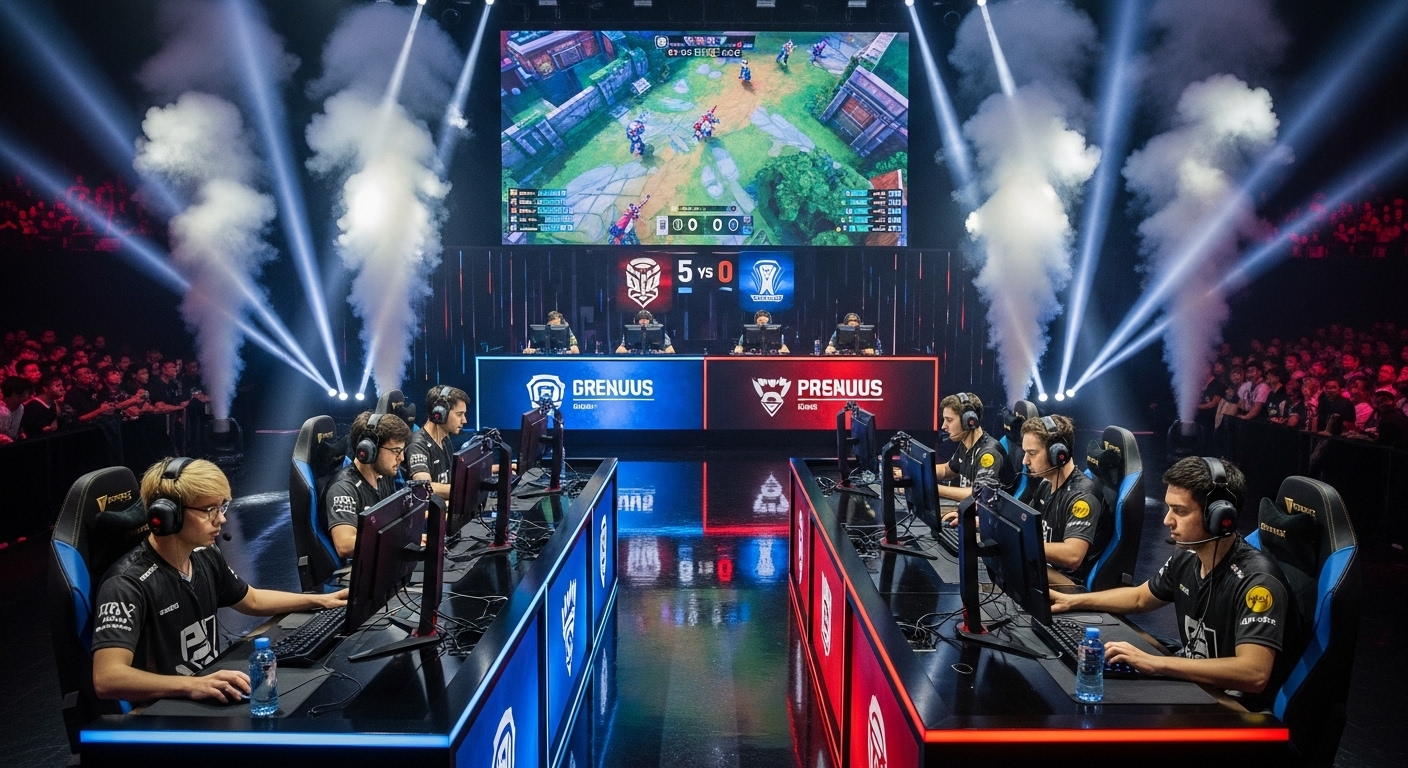
Esports has its roots in the early days of competitive gaming. The 1980s saw local arcade competitions, while the 1990s brought the first organized tournaments for PC games like Doom and Quake. With the rise of the internet and broadband connectivity in the 2000s, online multiplayer games allowed players to compete globally, giving birth to professional esports leagues. The introduction of streaming platforms in the 2010s, such as Twitch and YouTube Gaming, revolutionized the industry by providing players with an audience and enabling fans to watch competitions in real time. Today, esports tournaments fill stadiums, attract sponsorships from major brands, and offer prize pools in the millions, reflecting the rapid professionalization and mainstream acceptance of competitive gaming.
Popular Esports Genres and Games
Esports is diverse, with multiple genres catering to different skills and player preferences. Multiplayer Online Battle Arena (MOBA) games, such as League of Legends and Dota 2, focus on strategy, teamwork, and real-time decision-making. First-Person Shooter (FPS) games like Counter-Strike: Global Offensive and Call of Duty demand precision, reflexes, and tactical coordination. Battle royale games, including Fortnite and Apex Legends, combine survival, exploration, and combat in large-scale maps. Real-Time Strategy (RTS) games like StarCraft challenge players’ strategic planning and resource management. Each genre requires unique skill sets, fostering specialization among professional players and offering diverse entertainment options for fans.
The Role of Technology in Esports
Technology is central to the growth and success of esports. High-performance computers, gaming consoles, and peripherals provide the precision and speed required for competitive play. Internet infrastructure enables seamless online competitions, connecting players and audiences globally. Streaming platforms and broadcasting technology allow fans to watch tournaments live, with high-quality visuals, commentary, and analytics enhancing the viewing experience. Artificial intelligence and data analytics are also used to study player performance, optimize strategies, and enhance training regimens. Advances in virtual reality and augmented reality have begun to influence esports, promising immersive experiences for both players and spectators. Technology has not only elevated gameplay but also made esports a spectator sport on par with traditional athletics.
The Appeal of Esports
Esports appeals to players and audiences alike for several reasons. For players, it offers the thrill of competition, opportunities for skill development, and the possibility of a professional career. The strategic depth and fast-paced action of games create a sense of challenge and achievement. For audiences, esports provides entertainment, community engagement, and the excitement of watching elite players compete. Streaming platforms allow fans to interact with players and other viewers, creating a shared social experience. Additionally, esports events often feature live commentary, analysis, and behind-the-scenes content, enhancing the narrative and emotional engagement. The combination of competition, entertainment, and community makes esports a uniquely engaging form of digital sport.
Professionalization of Esports
Esports has evolved from casual competition to a highly structured professional industry. Professional players often belong to teams, sign contracts, and participate in leagues and tournaments worldwide. Organizations provide coaching, sponsorships, and training facilities, creating a career pathway similar to traditional sports. Professional tournaments offer substantial prize pools, media coverage, and branding opportunities. Esports athletes are now recognized as celebrities, with fan followings, merchandise, and endorsement deals. The professionalization of esports has also attracted mainstream investment from brands, media companies, and sports organizations, further solidifying its place as a legitimate industry with global appeal.
Economic Impact of Esports
The esports industry has a significant economic footprint. Revenue comes from multiple streams, including tournament prizes, sponsorships, advertising, streaming subscriptions, and merchandising. Esports stimulates ancillary industries, such as hardware development, software engineering, event management, and media production. Cities hosting large tournaments experience tourism boosts, hotel bookings, and increased local business activity. The economic impact extends globally, with esports contributing to job creation, technological innovation, and digital marketing growth. Its rapid expansion has transformed esports into a major player in the global entertainment and sports economy, rivaling traditional athletic competitions in both financial and cultural influence.
Esports and Social Connectivity
Esports fosters social interaction and community building among players and fans. Online multiplayer platforms encourage teamwork, communication, and collaboration, creating friendships that transcend geographic boundaries. Fans engage through streaming platforms, forums, and social media, sharing strategies, highlights, and fan content. Large tournaments and live events serve as social gatherings, bringing together communities with shared interests. Esports also provides opportunities for mentorship, coaching, and skill development within these communities. The social dimension of esports enhances engagement, loyalty, and a sense of belonging, making it more than just a competitive activity.
Challenges in the Esports Industry
Despite its rapid growth, esports faces several challenges. Regulatory frameworks for esports are inconsistent across countries, affecting player contracts, prize distribution, and gambling integration. Issues of fairness, such as cheating, hacking, and doping, require robust monitoring and enforcement. Mental health and burnout are concerns for professional players due to the high-pressure environment, long practice hours, and constant travel. Gender representation and inclusivity also remain areas needing improvement, as the industry works to attract more diverse participation. Addressing these challenges is crucial to ensuring sustainable growth, professionalism, and positive societal impact in the esports ecosystem.
Esports and Education
Esports is increasingly being integrated into educational systems. Schools and universities now offer esports programs, scholarships, and competitive teams. These programs teach strategic thinking, teamwork, communication, and technical skills that are applicable beyond gaming. Esports clubs provide students with social engagement, leadership opportunities, and pathways to professional careers. Educational involvement also helps legitimize esports, fostering research in game design, psychology, and performance analytics. By bridging gaming and education, esports contributes to personal development and prepares participants for careers in both gaming and related industries.
The Future of Esports
The future of esports looks exceptionally promising. Technological advancements, such as virtual reality, augmented reality, and AI integration, will enhance gameplay and viewing experiences. Expansion into mobile esports will make competitive gaming more accessible globally. Increased investment from mainstream brands, media companies, and traditional sports organizations will fuel infrastructure development, professionalization, and global tournaments. Social and cultural influence will continue to grow, as esports becomes a mainstream form of entertainment recognized alongside traditional sports. The combination of innovation, accessibility, and community engagement ensures that esports will continue to thrive and shape the future of digital competition.
Cultural Impact of Esports
Esports has become a cultural phenomenon influencing fashion, music, storytelling, and digital media. Iconic players and teams inspire fan communities, merchandise, and online content creation. Esports narratives often highlight themes of teamwork, strategy, and perseverance, resonating with audiences worldwide. Streaming platforms and social media amplify this cultural impact, allowing fans to engage, comment, and create content, contributing to a dynamic ecosystem. Esports has also influenced mainstream entertainment, with collaborations in music, movies, and brand promotions, further solidifying its role in shaping digital culture.
Conclusion
Esports is no longer just a hobby; it is a global industry, a cultural phenomenon, and a legitimate career path. Its evolution from casual competitions to professional tournaments has been driven by technology, innovation, and the passion of millions of players and fans worldwide. Esports combines competition, strategy, entertainment, and social engagement, creating a unique form of digital sport that rivals traditional athletics in influence and reach. While challenges such as regulation, mental health, and inclusivity remain, the industry continues to expand and innovate. As esports grows, it will remain a defining feature of the digital age, shaping the future of entertainment, competition, and global culture.