
Introduction: Esports as a Global Entertainment Force
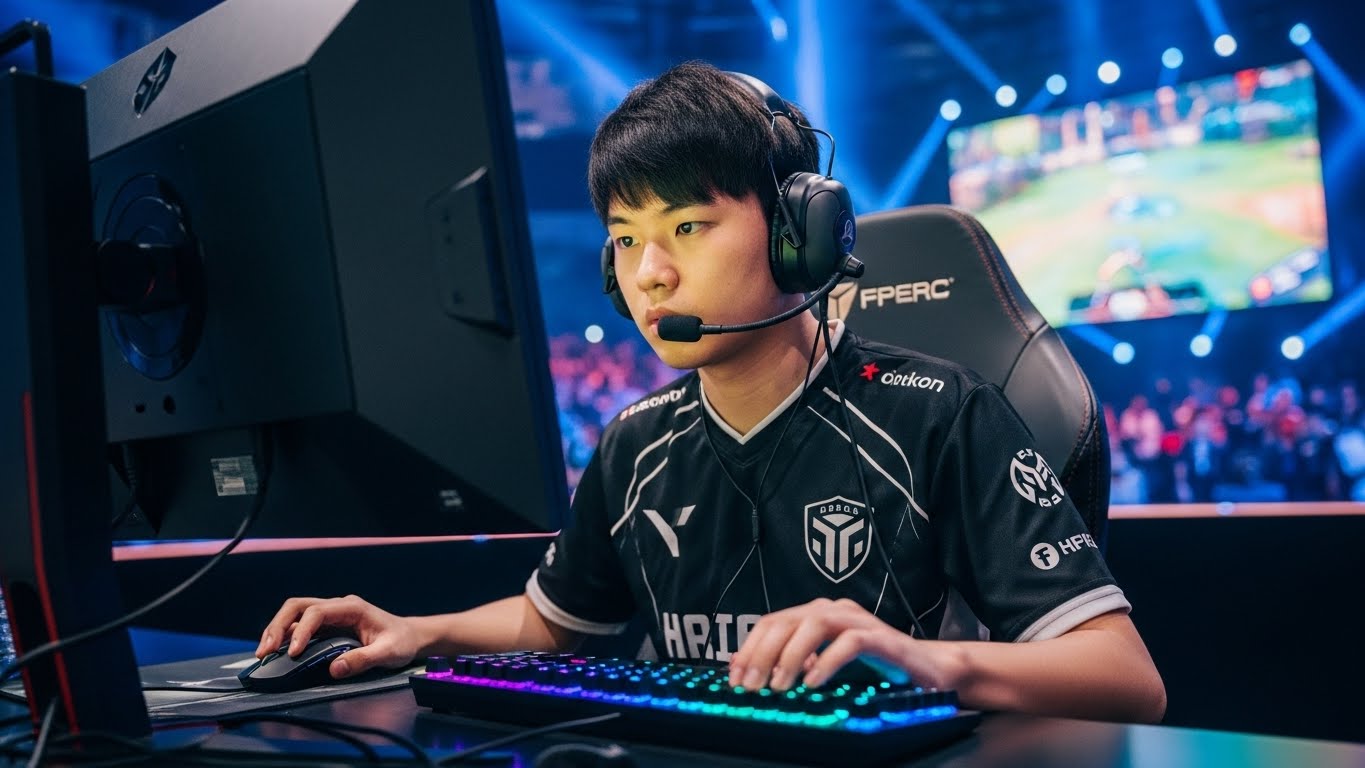
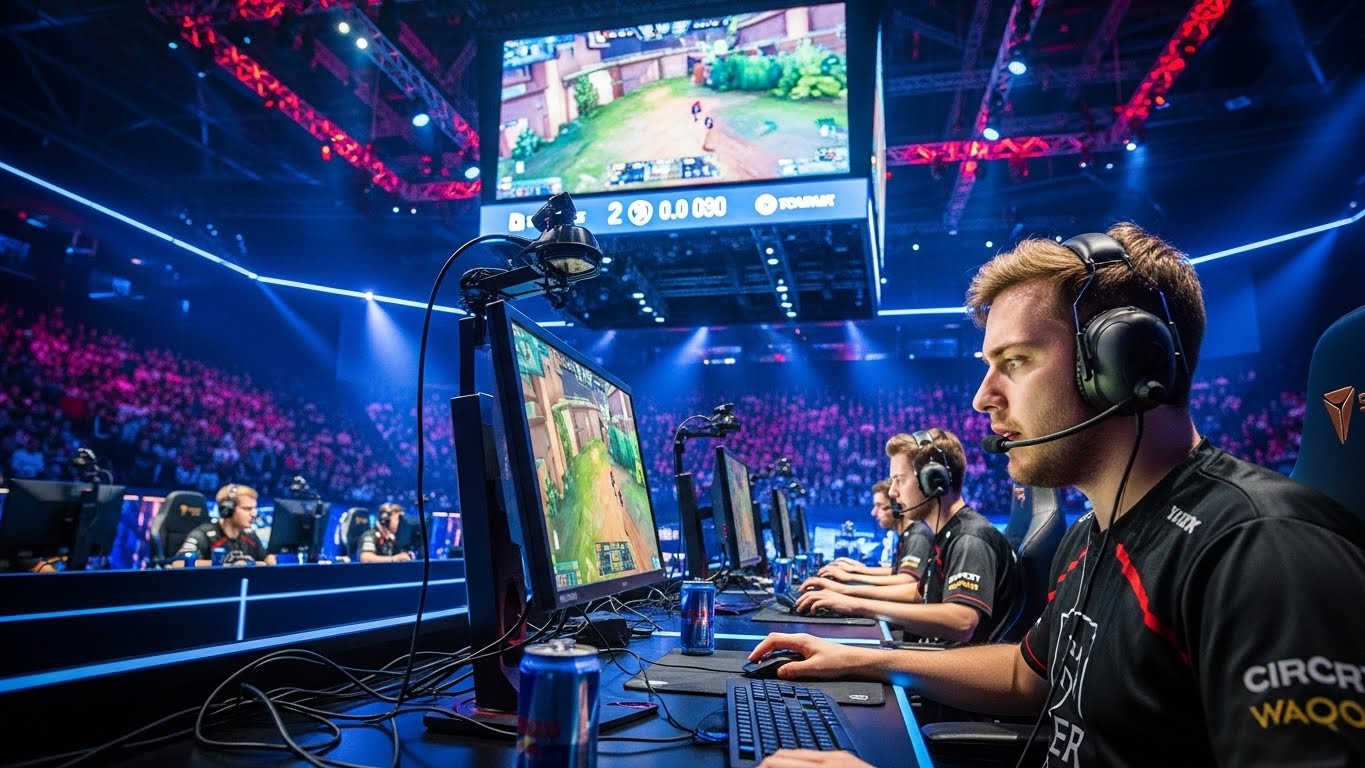
Esports, or electronic sports, has transformed the gaming industry into a global phenomenon. Once considered a niche activity, competitive gaming now attracts millions of players, fans, and sponsors worldwide. Esports blends skill, strategy, teamwork, and entertainment, creating a unique form of competition that rivals traditional sports in intensity, viewership, and cultural impact.
What sets esports apart is its accessibility and digital nature. Unlike traditional sports, anyone with a computer, console, or mobile device can participate or watch. This accessibility has fueled global growth, connecting players and fans from different countries and creating a truly international community. Professional teams operate like sports franchises, and tournaments draw massive audiences both online and offline. This blog explores the history, professionalization, cultural influence, and future of esports, illustrating how competitive gaming has become an essential part of modern entertainment.
The Origins of Competitive Gaming
The roots of esports trace back to the 1970s and 1980s, with early arcade games such as Space Invaders, Pac-Man, and Donkey Kong. These games introduced the concept of high scores and competition among players, laying the groundwork for organized tournaments. Players competed locally, striving for recognition and prestige within their communities.
The 1990s ushered in multiplayer PC games, which became the foundation for modern esports. Titles like Doom, Quake, and StarCraft emphasized both individual skill and teamwork. Players competed in early tournaments hosted in gaming conventions and local events. StarCraft, in particular, gained prominence in South Korea, where professional leagues formed, and competitive gaming became a respected career path.
The rise of the internet in the late 1990s and early 2000s enabled global competition. Players could connect online, participate in international tournaments, and share strategies through forums and early social media. Online multiplayer games became a driving force for organized competitive play, giving rise to the first professional esports leagues and setting the stage for the industry’s exponential growth.
Professionalization of Esports
Esports has evolved into a highly professional industry. Teams function like sports franchises, employing coaches, analysts, nutritionists, and management staff. Players dedicate hours daily to training, focusing on individual mechanics, teamwork, strategy, and mental resilience.
Major esports titles such as League of Legends, Dota 2, Counter-Strike: Global Offensive, Fortnite, and Call of Duty have established professional leagues and championships. League of Legends, for instance, hosts regional leagues culminating in the World Championship, which attracts millions of viewers. Dota 2’s The International is renowned for its massive prize pool, often reaching tens of millions of dollars, making it one of the most lucrative tournaments in esports.
Professionalization has created career paths beyond playing. Analysts, content creators, event organizers, commentators, and marketing specialists contribute to the ecosystem, making esports a diverse industry with multiple opportunities for talent.
The Role of Streaming Platforms
Streaming platforms like Twitch, YouTube Gaming, and Facebook Gaming have been instrumental in the rise of esports. Live streaming allows fans to watch matches in real time, interact with players, and participate in a shared community. Streaming has democratized access to esports, allowing amateur players to gain recognition and even turn professional.
Streamers provide commentary, tutorials, and entertainment, enhancing the audience’s experience and broadening esports’ reach. Interactive features such as live chat, emotes, and polls allow fans to engage directly, fostering a participatory culture that sets esports apart from traditional sports.
The combination of live competition and community interaction has created a new model of spectator entertainment, where viewers are active participants rather than passive observers.
Major Esports Titles and Their Competitive Scenes
Different games define esports in unique ways, each fostering distinct professional ecosystems.
- League of Legends: A multiplayer online battle arena game emphasizing teamwork and strategy. Its World Championship is one of the most-watched esports events globally.
- Dota 2: Known for its strategic depth and complexity. The International offers one of the largest prize pools in competitive gaming, attracting top teams worldwide.
- Counter-Strike: Global Offensive: A tactical first-person shooter focusing on precision and team coordination. Its competitive scene includes numerous international tournaments and leagues.
- Fortnite and Call of Duty: Fast-paced games popular for their action-oriented gameplay and high-energy competitions. Large-scale online tournaments attract millions of viewers, particularly younger audiences.
Each title has its own meta, strategies, and professional ecosystem, allowing players and teams to specialize and develop expertise. These ecosystems contribute to the diversity and global appeal of esports.
Structure of Esports Competitions
Esports tournaments are carefully structured to test skill, strategy, and teamwork. Formats include single-elimination brackets, double-elimination tournaments, and league-based systems with seasonal matches. Teams earn points to qualify for playoffs and championships, creating ongoing engagement with fans.
Prize pools often reach millions of dollars, funded through sponsorships, advertising, media rights, and ticket sales. High stakes create intense competition and motivate players to continuously improve.
Analytical tools are integral to modern esports. Teams analyze player performance, map strategies, and opponent tendencies to gain competitive advantages. This emphasis on data-driven decision-making mirrors practices in traditional professional sports.
Community and Cultural Influence of Esports
Esports is not only a form of competition; it is a global cultural movement. Fans form communities around games, teams, and players, sharing fan art, memes, and discussions across social media platforms. Live events and fan conventions strengthen community engagement, providing shared experiences for enthusiasts worldwide.
Cosplay and fan-generated content are vital aspects of esports culture. Fans celebrate characters, create videos, and contribute to the narrative surrounding games and players. Community participation fosters inclusivity and ensures the continued growth of the industry.
Esports also connects people across borders. International tournaments and online interactions create a sense of global community, uniting players and fans from different countries in shared experiences.
Esports Versus Traditional Sports
Esports shares many characteristics with traditional sports, including teamwork, strategy, skill, and fan engagement. Professional players train rigorously, follow league rules, and compete in high-stakes tournaments. Leagues maintain structured seasons and championship events, creating ongoing engagement with fans.
Differences include accessibility and medium. Esports is primarily digital, allowing participation from anywhere with an internet connection. Physical demands are replaced by mental agility, reflexes, and strategic thinking. Spectators often engage interactively through streaming platforms, creating a participatory entertainment model.
Esports has also influenced traditional sports in marketing, analytics, and fan engagement strategies, demonstrating its growing cultural legitimacy.
Economic Impact of Esports
Esports has become a multi-billion-dollar industry. Revenue streams include sponsorships, advertising, media rights, merchandise, and ticket sales. Major tournaments attract global attention, driving investments from brands seeking access to engaged audiences.
The industry also drives technological innovation. Gaming hardware, streaming infrastructure, analytics software, and event management systems continue to evolve to support professional competition. Career opportunities extend beyond players to include event organizers, coaches, analysts, and digital marketing professionals.
Esports exemplifies the potential of digital entertainment to drive economic growth and cultural influence on a global scale.
Challenges in the Esports Industry
Despite its success, esports faces challenges. Player burnout and mental health issues are prevalent due to long training schedules, travel, and high-pressure competition. Organizations are implementing wellness programs, but systemic support is still needed.
Diversity and inclusivity remain critical issues. Female and minority players are underrepresented, and initiatives are ongoing to create equitable opportunities. Ethical concerns such as cheating and match-fixing require robust governance and oversight.
The sustainability of esports depends on balancing growth, innovation, and player welfare while maintaining a healthy competitive environment.
The Future of Esports
The future of esports is bright and transformative. Emerging technologies like virtual reality and augmented reality could redefine gameplay, creating immersive experiences for both players and spectators. Artificial intelligence may assist in strategy development, performance analysis, and audience engagement.
Universities are offering esports scholarships and programs, recognizing competitive gaming as a legitimate academic and professional pursuit. Global leagues are expanding, and collaborations with mainstream entertainment industries integrate esports with music, film, and merchandising.
Esports is evolving into a holistic ecosystem where players, fans, creators, and brands interact in real time. Its growth is poised to redefine entertainment, competition, and culture in the digital age.
Conclusion: Esports as a Cultural and Professional Phenomenon
Esports has redefined the landscape of entertainment by merging competition, creativity, and community. From early arcade tournaments to international championships, competitive gaming has evolved into a professional and cultural force with massive global reach.
Players, fans, and creators participate in interactive experiences that highlight skill, strategy, and engagement. Esports has proven that gaming is more than a pastime; it is a legitimate sport, cultural movement, and economic powerhouse.
As technology advances and global audiences expand, esports will continue to shape the future of entertainment, offering opportunities for competition, creativity, and global community engagement. It is not only the future of gaming but a defining element of modern interactive culture, demonstrating the limitless potential of digital entertainment.