In the last two decades, esports has evolved from a niche hobby into a multi-billion-dollar industry that has transformed the way we view competitive sports. From the basement tournaments of the early 2000s to massive global events watched by millions of fans worldwide, esports has quickly grown into a cultural phenomenon. But what is esports? How did it rise to prominence? And what impact does it have on the future of sports and entertainment? In this blog post, we’ll dive deep into the world of esports, exploring its rise, its players, and its transformative role in the global entertainment industry.
What is Esports?
Esports, short for electronic sports, refers to organized, multiplayer video game competitions, particularly between professional players, individually or as teams. These competitions often take place on a variety of platforms such as PCs, gaming consoles, and mobile devices, and they feature a wide range of genres including first-person shooters (FPS), multiplayer online battle arenas (MOBA), real-time strategy games (RTS), and sports simulation games.
While the term “esports” often evokes images of games like League of Legends, Dota 2, Counter-Strike, and Overwatch, it is important to note that esports is a broad industry encompassing any competitive gaming event, whether on a casual or professional level. Players compete for prize money, sponsorships, and titles, just like athletes in traditional sports. What sets esports apart is its digital nature, enabling players and fans to connect across the globe without the need for physical proximity.
The Evolution of Esports
Esports began as an underground activity, with LAN (local area network) parties and small-scale competitions taking place in university dorms, living rooms, or internet cafes. Early games like Quake, Starcraft, and Warcraft became the foundation of the competitive gaming world. The first major esports tournament, the Red Annihilation event for Quake, took place in 1997 and marked the beginning of a new era for competitive gaming.
Over time, esports grew with the increasing accessibility of the internet and the rise of streaming platforms like Twitch and YouTube. The ability to watch competitive gaming live, from anywhere in the world, brought esports to a global audience. Esports organizations, tournaments, and professional players began to gain recognition and sponsorship deals from major brands, such as Intel, Coca-Cola, and Red Bull, propelling esports into the mainstream.
Today, esports is a massive industry that generates billions of dollars in revenue annually. The global esports market is expected to surpass $1.5 billion by 2023, with revenue streams coming from broadcasting rights, sponsorships, merchandising, advertising, and ticket sales for live events. What began as a subculture has now become an integral part of the global entertainment ecosystem.
The Players: From Hobbyists to Professionals
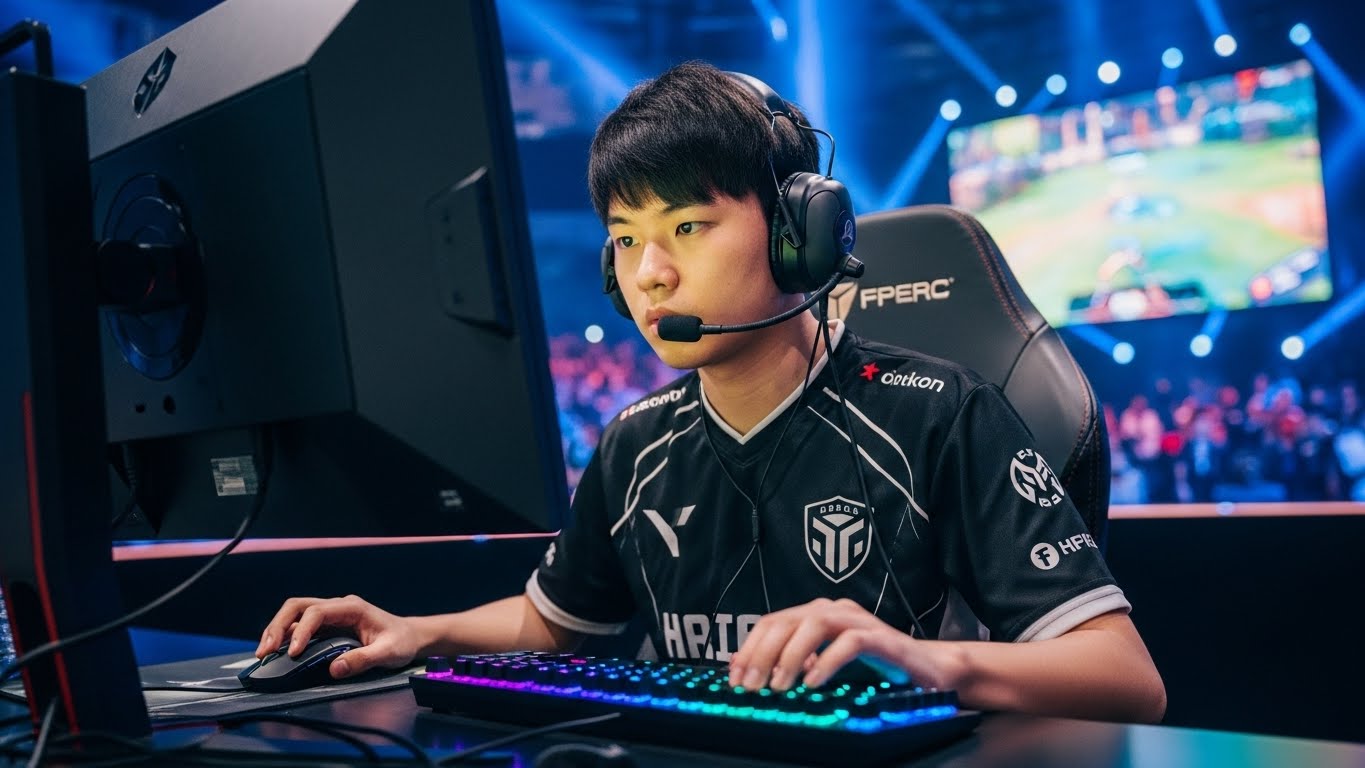
At the heart of esports is its players, who range from passionate hobbyists to elite professionals. For many, esports is not just a game but a full-time career. Esports players undergo rigorous training regimens, honing their reflexes, teamwork, and strategic thinking. In many ways, professional esports players are akin to traditional athletes—spending hours refining their skills, analyzing gameplay footage, and maintaining peak mental and physical health.
The rise of esports as a professional career has given rise to an entirely new kind of athlete. While traditional athletes might focus on physical training, esports players focus on mental agility, precision, and coordination. The competitive gaming community is full of stories of young players who began their careers at the age of 16 or 17 and went on to earn millions in sponsorships, tournament winnings, and streaming deals.
In addition to individual players, esports organizations have become an essential part of the ecosystem. Teams like Team Liquid, Cloud9, Fnatic, and T1 have become household names, representing some of the most skilled players in the world. These organizations offer players a platform to compete at the highest level while providing coaching, sponsorships, and financial backing. In some cases, these organizations have entered into partnerships with traditional sports teams, further blurring the lines between esports and traditional sports.
The Esports Ecosystem: More Than Just Gaming
Esports is not just about the players. The ecosystem around esports includes coaches, analysts, broadcasters, referees, event organizers, content creators, and fans. Just as traditional sports have a complex support structure, esports has evolved to require a range of professionals to maintain its high standards.
Coaches and Analysts: Just like in traditional sports, esports teams often have coaches and analysts who help players improve their performance. Coaches are responsible for developing strategies, while analysts break down game footage and provide insights on how players can optimize their gameplay. Many esports players rely on the expertise of these professionals to stay competitive.
Commentators and Streamers: Broadcasters, known as casters, provide live commentary during esports events, making the experience accessible and entertaining for viewers. Streamers, often professional players themselves, engage with fans by playing games live on platforms like Twitch, YouTube, and Facebook Gaming. These streamers have massive followings, and many earn substantial income through ads, sponsorships, and donations from viewers.
Event Organizers and Sponsors: Companies and organizations that host tournaments play a critical role in the esports ecosystem. Events like The International, League of Legends World Championship, and Overwatch League attract thousands of fans and millions of online viewers. These events are often sponsored by major global brands, and sponsorships account for a significant portion of the revenue in esports.
Esports and the Global Audience
One of the most remarkable aspects of esports is its ability to reach a truly global audience. While traditional sports such as football or basketball might have strong followings in certain regions, esports has no geographical boundaries. Players from different countries and cultures compete against one another, and fans from all over the world tune in to watch these events.
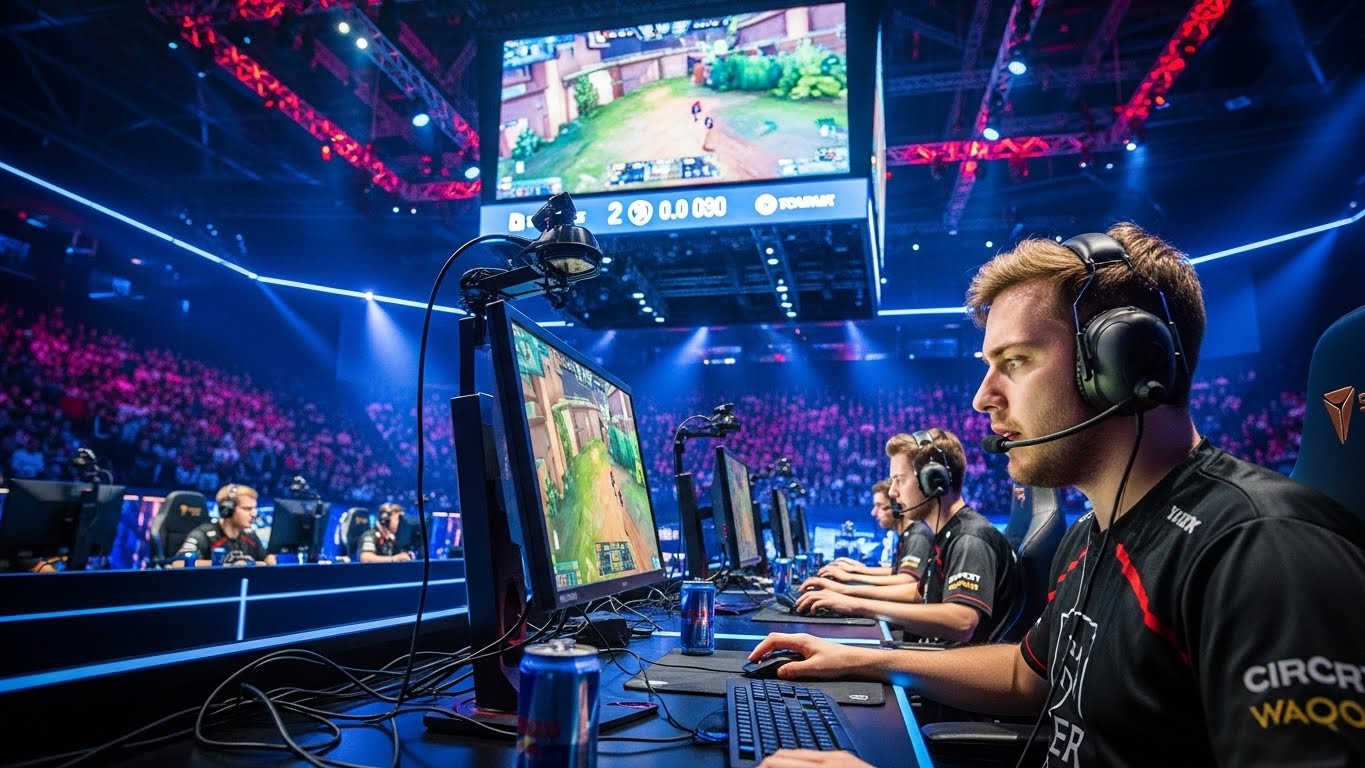
Live streaming platforms such as Twitch have been instrumental in this global expansion. With millions of viewers watching esports tournaments in real time, it is not uncommon for popular events to attract viewership numbers that rival major traditional sports events. For instance, the League of Legends World Championship regularly attracts over 100 million viewers worldwide, surpassing even the Super Bowl in terms of global reach.
Esports also offers a level of accessibility that traditional sports cannot match. Anyone with an internet connection can watch live streams, participate in online tournaments, and interact with their favorite players or teams. This inclusivity has helped esports cultivate a loyal and diverse fan base, with players, fans, and creators from all walks of life engaging in the esports community.
The Impact of Esports on Traditional Sports
Esports’ rise has had a significant impact on traditional sports, both in terms of viewership and engagement. Many traditional sports teams and organizations have begun to invest in esports, recognizing its potential to attract a younger, tech-savvy audience. Football clubs like FC Barcelona and Manchester City have launched their own esports teams, and major basketball organizations like the NBA have established esports leagues, such as the NBA 2K League.
In addition to professional teams, some traditional sports athletes have also ventured into the esports space. Retired NFL players like Richard Sherman and Antonio Brown have dabbled in esports as streamers, while basketball stars like Shaquille O’Neal and Michael Jordan have invested in esports organizations. This convergence of esports and traditional sports demonstrates how closely these two worlds are becoming intertwined.
The Future of Esports
The future of esports looks incredibly promising. As technology continues to evolve, so too will the esports industry. With the advent of virtual reality (VR) and augmented reality (AR), the way players experience games and compete could radically change. These immersive technologies offer exciting opportunities for esports tournaments to evolve into more interactive and visually dynamic events.
Additionally, the growing popularity of mobile esports will likely continue to expand the global player base. Mobile games like PUBG Mobile and Mobile Legends have already gained massive followings, particularly in regions like Southeast Asia and Latin America. This trend is set to continue, as mobile devices become increasingly powerful and accessible.
Esports will also continue to solidify its place in mainstream entertainment. As sponsorships, media rights, and broadcasting deals grow, esports will become an even more lucrative and influential industry. Universities and colleges are already offering scholarships for esports athletes, and esports programs are being introduced at high school and college levels, helping to legitimize the sport and cultivate future talent.
Conclusion
Esports has transformed from a subculture into a global phenomenon, reshaping how we view competition, entertainment, and even careers. What began as small LAN parties has grown into a multi-billion-dollar industry, with professional players, coaches, sponsors, and fans driving its success. The digital revolution brought about by esports has made competitive gaming more accessible than ever before, allowing millions of people from all over the world to engage with the sport.
As esports continues to evolve, its impact on both the gaming world and the broader entertainment landscape will only grow. With new technologies, increased investment, and a growing global audience, esports is poised to become a dominant force in the world of sports and entertainment. Whether you are a player, a fan, or a curious observer, the future of esports is incredibly exciting.