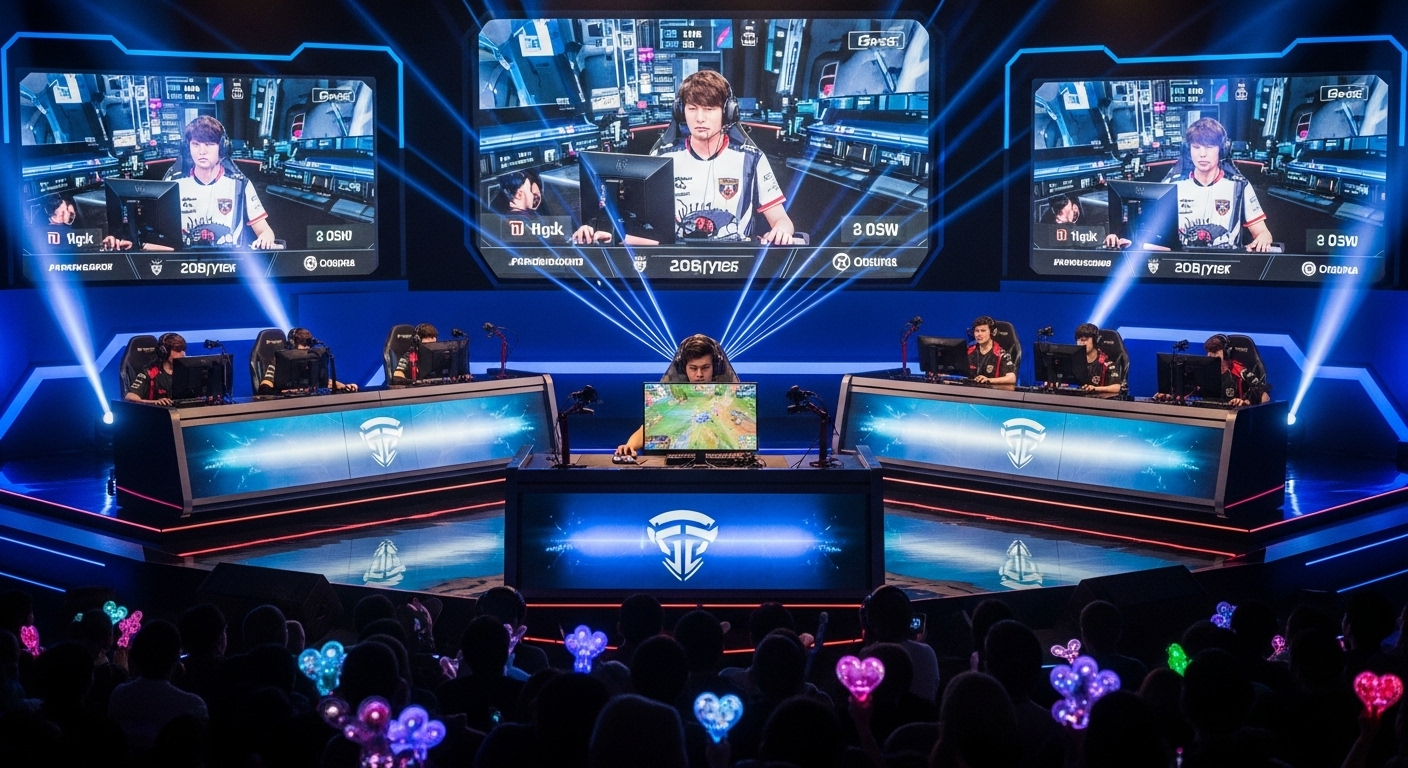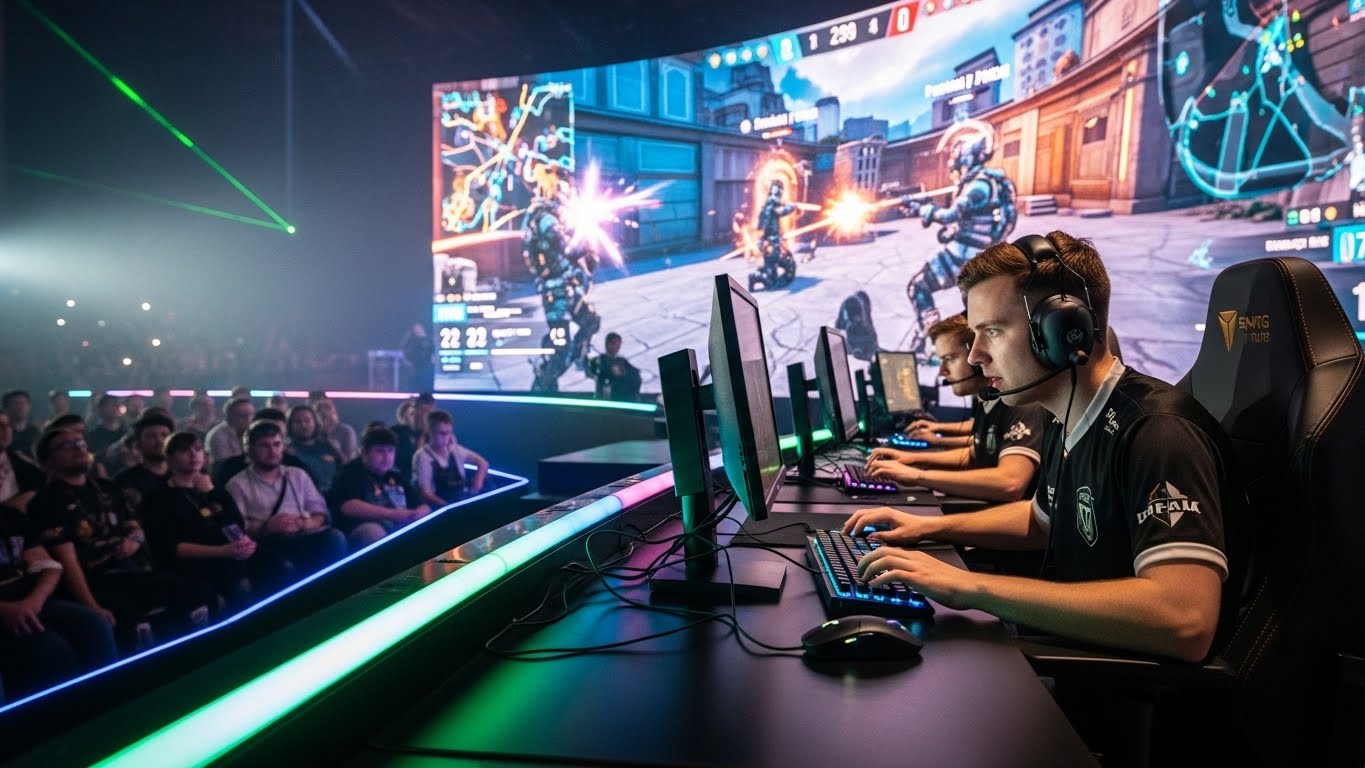
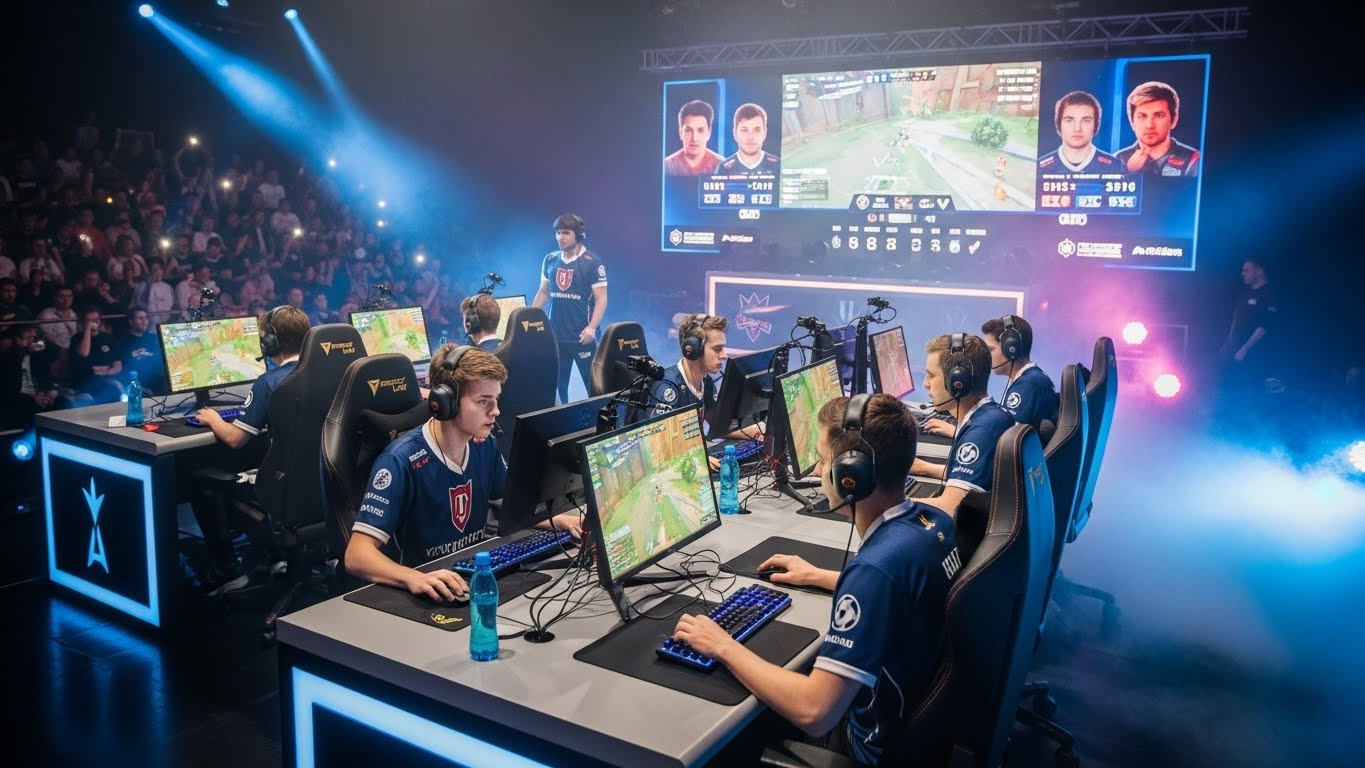
Esports is no longer just a niche subculture for gamers. Over the past two decades, it has exploded into a worldwide phenomenon, drawing millions of players, fans, and viewers from all corners of the globe. Competitive gaming is now a multibillion-dollar industry, and it has fundamentally altered how we think about both video games and entertainment. From international tournaments filling massive stadiums to dedicated esports arenas and streaming platforms amassing millions of followers, esports has evolved into an entertainment powerhouse.
In this blog post, we will explore the rise of esports, its cultural impact, economic significance, and what the future holds for competitive gaming.
1. The Journey of Esports: From Hobby to Profession
Esports did not emerge overnight. Its roots trace back to the late 20th century, when early competitive gaming took shape through small LAN parties and informal tournaments. The 1990s saw the rise of iconic games like Doom and Warcraft, which allowed players to compete against one another over local networks. The concept of multiplayer gaming quickly gained traction, and by the late 1990s and early 2000s, titles such as StarCraft and Counter-Strike began to transform casual play into competitive sport.
The 2000s marked a turning point for esports. While it was still relatively obscure in the West, South Korea embraced esports with tremendous enthusiasm, leading to the creation of major leagues like the Korean Pro-Gaming League and the World Cyber Games. These early efforts helped establish esports as a viable competitive industry, with fans flocking to watch tournaments broadcast on television and live streams. In the years since, esports has blossomed into a billion-dollar industry with globally recognized franchises, high-stakes tournaments, and professional leagues.
What was once a hobby for a small group of enthusiasts is now a worldwide phenomenon. Today, esports competitions are watched by millions, and players can earn significant salaries, sponsorships, and endorsement deals, mirroring traditional sports.
2. Popular Esports Titles: Games That Define the Competitive Scene
Several games have played pivotal roles in the growth of esports, each offering unique gameplay elements that have resonated with both players and viewers. Titles like League of Legends, Dota 2, Counter-Strike: Global Offensive, and Overwatch are not just games but are the foundation upon which the esports industry is built.
One of the most iconic genres in esports is the Multiplayer Online Battle Arena (MOBA). League of Legends has been a key player in this genre, with annual world championships drawing millions of viewers. Teams from around the world compete for a share of the massive prize pools, and the game has become a global sports spectacle. Similarly, Dota 2 continues to be a significant force in esports, with its International tournament consistently offering one of the largest prize pools in gaming history.
First-person shooters (FPS) also play a major role in the esports landscape. Counter-Strike: Global Offensive (CS: GO), Call of Duty, and Valorant have built dedicated competitive scenes where skill, strategy, and teamwork are paramount. The fast-paced nature of these games translates well to both live and online audiences, creating an intense viewing experience.
Moreover, battle royale games like Fortnite and PUBG introduced a new breed of competition. These games involve large-scale, last-man-standing formats that create exciting, unpredictable gameplay, making them accessible for both players and viewers.
3. Esports: A Thriving Professional Ecosystem
At the heart of esports lies a well-established professional ecosystem, where players, teams, coaches, and organizations work together to compete at the highest level. A professional player’s journey usually starts in the amateur or semi-professional leagues, where they hone their skills and compete in smaller tournaments. As players gain recognition for their skill and consistency, they often join professional teams, which are supported by dedicated coaching, sponsorships, and team management.
Esports organizations like Cloud9, Team Liquid, Fnatic, and G2 Esports operate much like traditional sports teams. They not only manage rosters of talented players but also invest in team infrastructure, training facilities, and fan engagement. These organizations have become powerful brands in their own right, with massive social media followings, merchandise sales, and lucrative sponsorships from companies in tech, energy drinks, apparel, and more.
In addition to teams, professional players are supported by a vast network of coaches, analysts, and content creators who help elevate the team’s strategies and brand presence. Coaching staff focuses on improving the players’ mechanical skills, while analysts and statisticians study gameplay patterns and trends to develop winning strategies. Content creators, often associated with streaming platforms like Twitch and YouTube, produce entertainment and provide an avenue for fans to engage with their favorite players and teams on a personal level.
4. The Spectator Experience: How Esports Engages Audiences
Esports stands apart from traditional sports in one crucial way: the spectator experience. While many sports require physical attendance or televised broadcasts, esports thrives primarily online. Platforms like Twitch and YouTube Gaming have become the central hubs for fans to watch live tournaments and streams. With millions of active users, these platforms enable fans to interact with players in real-time, offering a level of engagement that traditional sports broadcasts can’t match.
Live tournaments, especially those hosted in large venues like arenas or stadiums, also contribute to esports’ growing presence as a spectator sport. Events like The International, the League of Legends World Championship, and The Fortnite World Cup are prime examples of massive esports events that attract fans from around the world. These tournaments are not just competitions; they are celebrations of the gaming community. With high-energy performances, live commentary, and interactive fan experiences, esports events offer a level of entertainment that appeals to both gaming enthusiasts and casual viewers.
Additionally, streaming platforms allow fans to engage with their favorite players, watch them practice, and witness the behind-the-scenes moments that make esports so unique. Fans can cheer on their favorite teams, donate money during streams, and even participate in live chats, creating a dynamic, interactive environment that is absent in most traditional sports.
5. The Global Impact of Esports: Breaking Cultural Barriers
One of the most exciting aspects of esports is its ability to transcend geographic and cultural boundaries. Esports unites people from different countries, languages, and backgrounds through a shared passion for competitive gaming. In countries like South Korea, esports has long been considered a mainstream form of entertainment, with professional players regarded as celebrities. But esports is no longer limited to a few countries.
In the United States, esports is quickly becoming integrated into popular culture, with universities offering scholarships for esports athletes and traditional sports networks such as ESPN broadcasting major esports events. Meanwhile, in China, esports is considered a legitimate career path, with large-scale tournaments filling massive arenas and sponsorships pouring in from top global brands.
In emerging markets such as Southeast Asia, Latin America, and the Middle East, esports is growing rapidly, fueled by increased internet accessibility and the rise of mobile gaming. In these regions, local leagues and tournaments are helping to cultivate a new generation of esports players and fans. This global appeal ensures that esports is not just a localized phenomenon but a worldwide movement that is reshaping the entertainment landscape.
6. The Economic Power of Esports
Esports is an economic powerhouse, generating billions in revenue through various channels, including sponsorships, advertising, media rights, and merchandise sales. In 2021 alone, global esports revenue was estimated at over $1 billion, and that number is expected to continue growing in the years to come.
Sponsorships play a huge role in the economic ecosystem of esports. Major global brands like Intel, Coca-Cola, and Mercedes-Benz sponsor tournaments, teams, and players, recognizing the massive influence esports has over younger demographics. These sponsorships provide esports organizations and players with the resources to continue growing their brands, improve infrastructure, and offer larger prize pools.
Broadcasting rights for major esports tournaments also generate significant revenue. The increasing demand for live streaming and televised esports content has led to partnerships between esports organizations and traditional media outlets, including cable networks and streaming platforms. These media rights deals are becoming a major revenue stream for the industry.
Moreover, esports has also created job opportunities in diverse sectors such as event management, marketing, game development, journalism, and broadcasting. As the industry continues to expand, it is expected to contribute even more to the global economy in terms of employment, investment, and technological innovation.
7. Challenges Facing the Esports Industry
Despite its meteoric rise, esports is not without its challenges. One major issue facing the industry is player burnout. Professional gaming requires intense practice and focus, and players often train for upwards of 10-12 hours a day. This grueling schedule can take a toll on their mental and physical health, leading to stress, fatigue, and, in some cases, early retirements.
Mental health concerns are becoming increasingly prominent in the esports community, prompting organizations to hire mental health professionals, implement better work-life balance strategies, and advocate for better mental well-being practices within the gaming world.
Another challenge facing esports is the need for regulation. The esports industry is still relatively young, and its lack of formal governance has led to issues such as cheating, match-fixing, and inconsistent tournament rules. Establishing universal regulations and ethical standards is necessary to ensure that the industry remains fair and transparent as it grows.