Introduction: The Rise of Esports as a Cultural Powerhouse
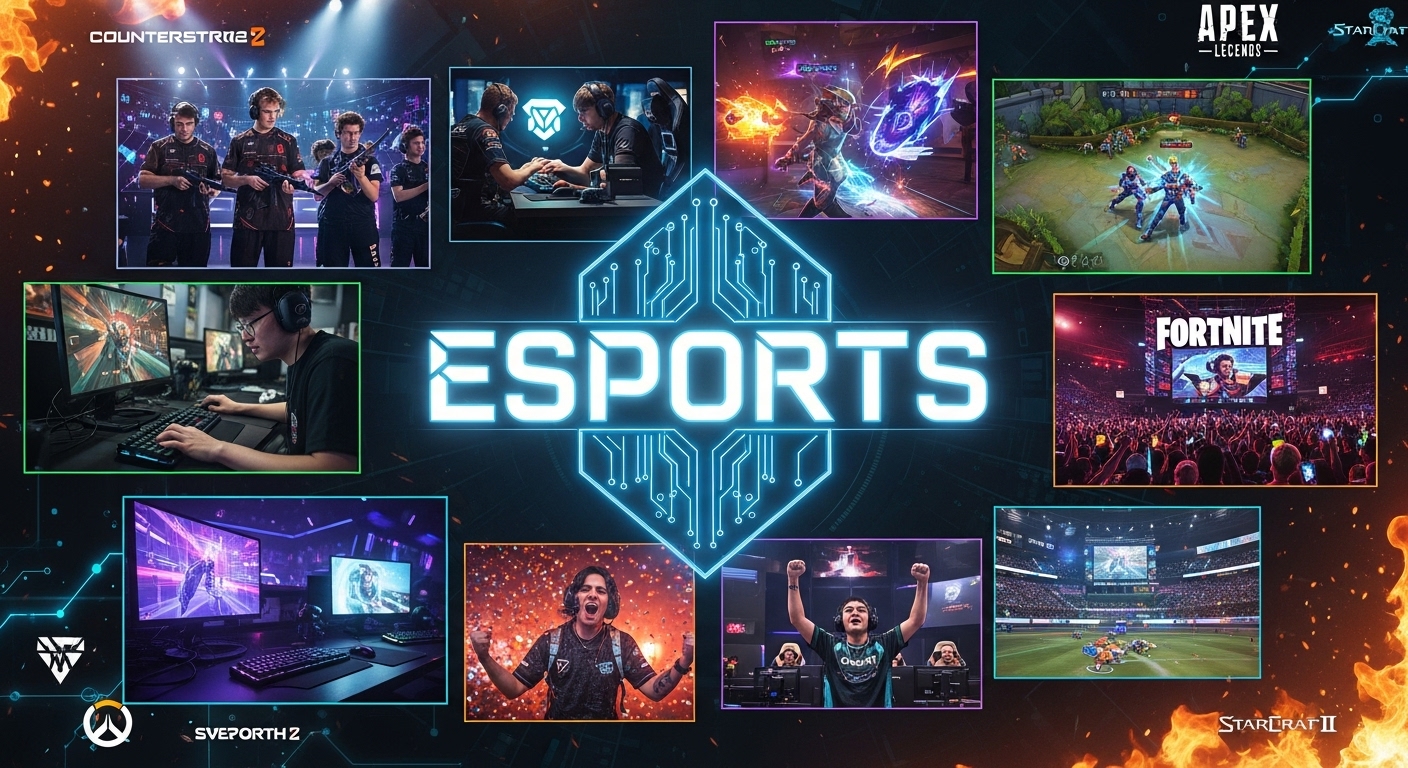
Esports, once a niche hobby for a select few, has evolved into a global phenomenon that attracts millions of fans, players, and sponsors worldwide. Today, it’s not just about playing video games; it’s about competing at the highest level, showcasing skill, strategy, and teamwork. Esports has become a legitimate industry with its own professional leagues, dedicated fan base, and multi-million dollar prize pools. It has successfully bridged the gap between gaming and traditional sports, creating a new category of entertainment that transcends geographical and cultural boundaries.
In this blog post, we will explore the growth and evolution of esports, the key players and games that have shaped the industry, its economic impact, and the challenges it faces as it continues to grow. We’ll also take a look at the future of esports, and how it is expected to influence both the gaming and entertainment sectors in the years to come.
The Early Days of Competitive Gaming
The origins of esports can be traced back to the late 20th century, when competitive gaming was still a concept in its infancy. The first glimpse of what we now recognize as esports began in the 1970s and 1980s with arcade games like Pong and Space Invaders. While these games were popular with players, there were no organized competitions or tournaments. The concept of competitive gaming really took off in the 1990s with the advent of multiplayer online games.
Games like Quake, Warcraft III, and StarCraft became some of the first to be played in competitive settings. Early tournaments, such as the Cyberathlete Professional League (CPL) founded in 1997, began offering cash prizes for winners, establishing the foundation for what would eventually become the esports industry. These early events were held in LAN (Local Area Network) parties, where players connected their computers to compete against one another in person.
In 1997, the first professional tournament for Quake was held, and this was the moment when esports started to gain serious traction. The idea of playing video games professionally became more than just a fantasy for competitive players—it was a reality that would soon capture the imagination of millions worldwide.
The Professionalization of Esports
As the internet grew, so did the potential for esports. With broadband internet allowing for online play, players no longer needed to meet physically to compete. The 2000s saw a surge in online multiplayer games, which fueled the rise of esports as a professional industry. However, it wasn’t until the release of League of Legends (LoL) by Riot Games in 2009 that the concept of esports as a professional, organized sport truly began to take shape.
Riot Games introduced the League of Legends Championship Series (LCS), a professional league with a structured system for regional competitions, team sponsorships, and prize money. This league became one of the driving forces behind the explosive growth of esports, setting a precedent for other games and tournaments to follow. The rise of LoL also coincided with the development of streaming platforms like Twitch, where fans could watch live gameplay, interact with their favorite players, and get an inside look at the world of competitive gaming.
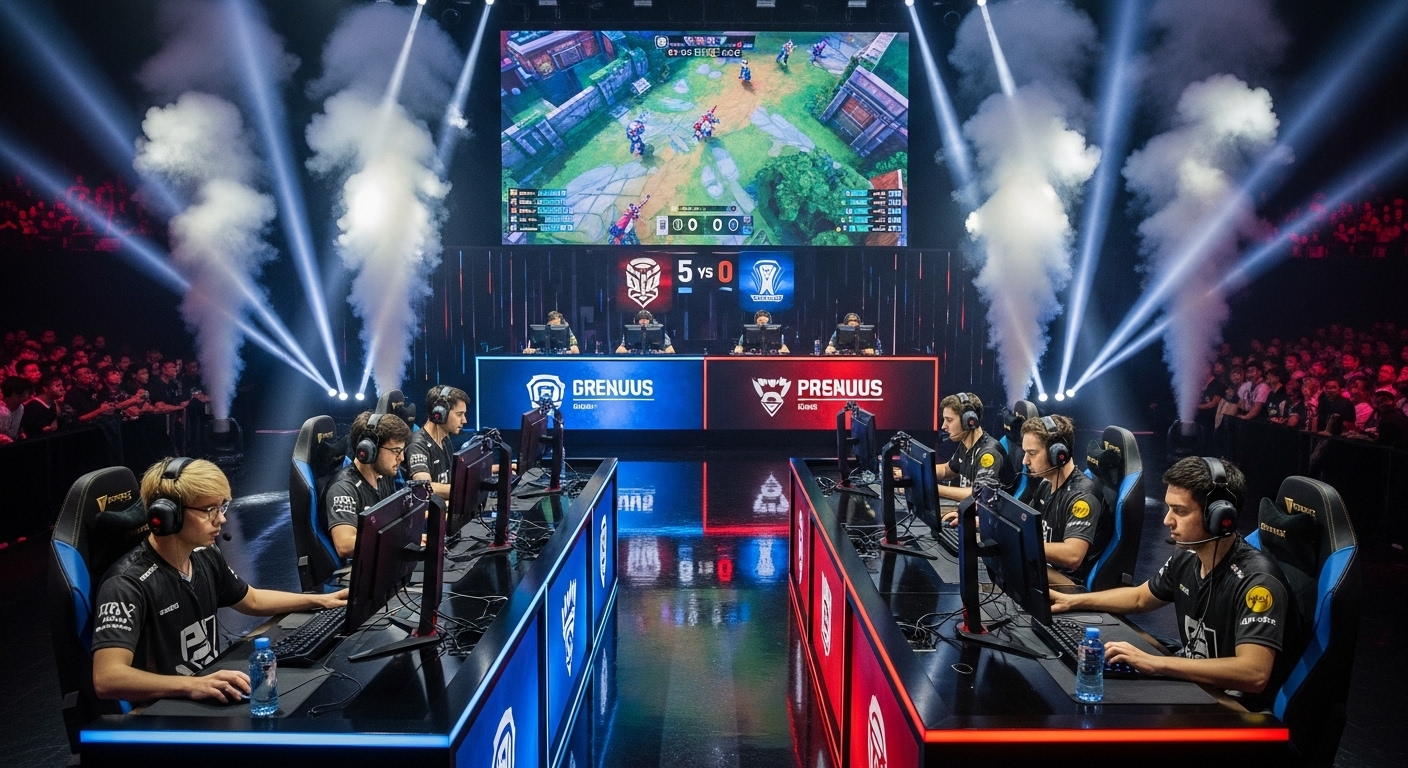
The growth of other popular games, including Dota 2, Counter-Strike: Global Offensive (CS:GO), Overwatch, and Fortnite, helped establish a diverse esports ecosystem, each with its own set of professional leagues and tournaments. The prize pools for these tournaments began to reach millions of dollars, and the players themselves became celebrities within the gaming community.
The Business Side of Esports: Sponsorships and Revenue Streams
With esports transitioning into a fully professional endeavor, the business side of the industry began to take shape. Sponsorship deals, media rights, and merchandise sales became the driving forces behind the growth of esports as a business. Major global brands like Intel, Coca-Cola, Nike, and Red Bull recognized the massive potential of esports, investing heavily in sponsoring tournaments and professional teams.
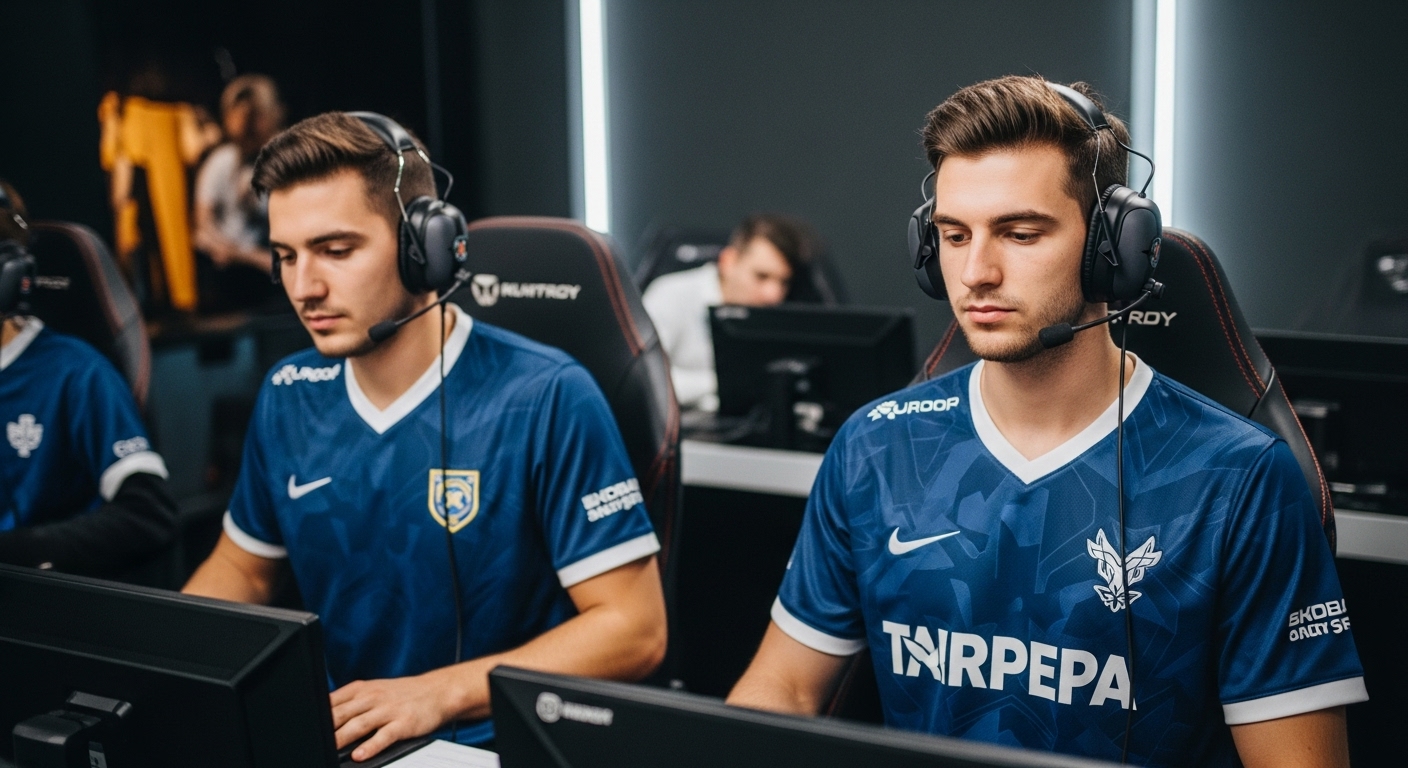
Sponsorship deals are now one of the largest revenue streams in the esports industry. These brands partner with esports organizations, teams, and individual players to advertise their products to a young, tech-savvy audience. As esports grows in visibility, so does the value of these sponsorship deals. Esports organizations such as Cloud9, Fnatic, and Team Liquid have all secured partnerships with top-tier brands, ensuring that esports players are not only paid through tournament winnings but also through lucrative sponsorships.
Another key revenue stream for esports is media rights. Platforms like Twitch, YouTube Gaming, and Facebook Gaming allow esports tournaments to be broadcast to millions of fans worldwide. Major tournaments such as The International (for Dota 2) and the League of Legends World Championship attract millions of viewers, which translates into significant advertising revenue and broadcasting rights deals. As esports becomes more mainstream, traditional media outlets such as ESPN and Turner Sports are beginning to air esports events, expanding its reach beyond digital platforms.
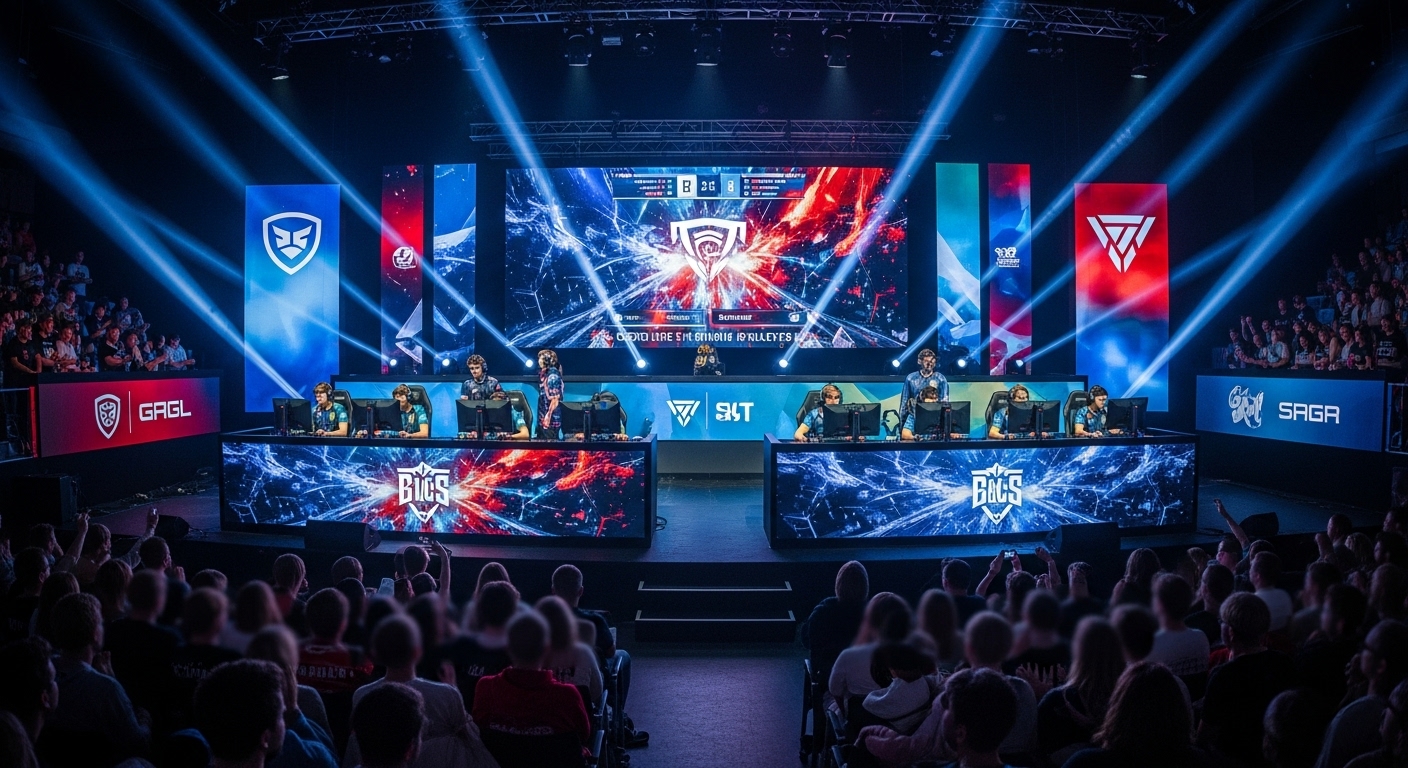
Ticket sales for live esports events also contribute to the industry’s growing revenue. Tournaments such as BlizzCon and the League of Legends World Championship attract thousands of fans who attend to watch the action in person. The atmosphere at these live events rivals that of traditional sports games, complete with stadiums filled with cheering fans and high-energy gameplay.
The Global Impact of Esports
Esports has become a truly global phenomenon, drawing fans and players from all corners of the world. While countries like South Korea and China have been at the forefront of esports for decades, the appeal of competitive gaming has spread to every continent. The international reach of esports is one of its most exciting aspects, as it connects people from different cultures through a shared love of gaming.
In countries like South Korea, esports is considered a legitimate career. Professional players, coaches, and commentators are treated with the same respect as traditional athletes. Esports tournaments in South Korea have been held in massive arenas, broadcast on national television, and even featured in mainstream media. This mainstream acceptance has helped raise esports to the level of a cultural institution, much like traditional sports leagues around the world.
In China, esports has become a billion-dollar industry, with the country’s esports scene rapidly expanding. The government has supported the growth of esports through investments in infrastructure, while Chinese companies like Tencent have become major players in the global esports market. The popularity of mobile gaming, especially titles like PUBG Mobile and Arena of Valor, has further fueled the growth of esports in China and other parts of Asia.
North America and Europe have also embraced esports, with countries like the United States, Canada, and the United Kingdom hosting some of the largest and most influential esports tournaments. The rise of mobile gaming and the increasing popularity of battle royale games like Fortnite has contributed to the growth of esports in these regions, making competitive gaming more accessible to a broader audience.
The Challenges Facing Esports
Despite its rapid growth, the esports industry is not without its challenges. One of the most significant concerns is the physical and mental health of professional players. The intense practice schedules, long hours spent playing games, and the constant pressure to perform can take a toll on players’ well-being. Esports players, like traditional athletes, are at risk of burnout, injuries, and mental health issues such as anxiety and depression. Some organizations have begun to address these issues by offering mental health support, physical training programs, and wellness initiatives.
Another challenge facing esports is the issue of inclusivity. While esports is often hailed as a space for people of all backgrounds, there are still challenges when it comes to diversity. Women, in particular, are underrepresented in professional gaming, and there have been instances of toxic behavior, harassment, and sexism within the community. Esports organizations and developers are taking steps to create more inclusive environments, but there is still much work to be done.
Finally, the lack of standardized regulations in the esports industry is another hurdle. Unlike traditional sports, esports lacks a single governing body that oversees all aspects of the industry. This lack of regulation can lead to inconsistencies in tournament formats, player contracts, and even issues with cheating or match-fixing. However, as the industry matures, it is likely that more formal governance structures will be put in place to ensure fairness and transparency.
The Future of Esports: New Frontiers and Opportunities
As esports continues to grow, there are several exciting opportunities and innovations on the horizon. Virtual reality (VR) and augmented reality (AR) are two technologies that could revolutionize the way esports tournaments are played and experienced. VR esports, which immerses players in fully virtual environments, could introduce a new level of competition and excitement, while AR could create interactive, real-time experiences for fans watching from home.
Mobile esports is also expected to see significant growth. The popularity of mobile games like PUBG Mobile and Clash Royale has already demonstrated the potential for competitive gaming on handheld devices. With the global reach of smartphones, mobile esports has the potential to bring gaming to a wider audience, especially in regions where access to high-end gaming PCs or consoles may be limited.
Esports is also likely to become further integrated with traditional sports. Already, we are seeing partnerships between esports organizations and sports leagues, such as the NBA’s collaboration with NBA 2K or Formula 1’s push into esports through F1 Esports Series. These collaborations could lead to hybrid events, where fans of both traditional and esports can come together to celebrate competition in a variety of formats.