Introduction: From Hobby to Global Phenomenon
Esports, short for electronic sports, represents a revolution in the way the world views competition, entertainment, and technology. What began as small-scale gaming tournaments among friends has evolved into a global industry valued in the billions, featuring professional athletes, international leagues, and audiences rivaling those of traditional sports. The story of esports is one of innovation, cultural transformation, and the merging of digital life with real-world fame and opportunity.
In just a few decades, video games have transitioned from casual pastimes to professional platforms where skilled players compete for glory, sponsorships, and massive prize pools. Esports now encompasses genres ranging from strategy games to first-person shooters, sports simulations, and battle royales, each with its own ecosystem of teams, coaches, commentators, and loyal fans. The rise of esports is not just a story about gaming—it is about the evolution of digital culture, global connectivity, and the redefinition of what it means to be an athlete in the twenty-first century.
The Origins of Competitive Gaming
The roots of esports stretch back further than many imagine. The first recorded video game competition took place in 1972 at Stanford University, where students competed in the game Spacewar!. The winner received a year’s subscription to a science magazine—a modest prize compared to today’s million-dollar tournaments, but it marked the beginning of organized digital competition.
The 1980s saw the birth of arcade gaming, where players vied for high scores in titles like Pac-Man and Donkey Kong. Arcades became community hubs, and competitive gaming was largely about prestige and local reputation. The culture of competition flourished, setting the stage for what would later become professional esports.
By the 1990s, with the advent of the internet and local area networks (LAN), multiplayer gaming transformed. Games like Quake, StarCraft, and Counter-Strike began to host organized tournaments, and professional gaming teams emerged. The dream of earning a living through gaming, once unimaginable, started to become a reality.
The 2000s: The Foundation of Modern Esports
The early 2000s were a turning point. Broadband internet became more accessible, allowing players from around the world to connect and compete. Games like Warcraft III, Counter-Strike 1.6, and Halo became global sensations. South Korea played a particularly crucial role in the birth of modern esports, establishing dedicated television channels for professional gaming and cultivating superstars like Lim Yo-Hwan, better known as “BoxeR,” who became a national hero for his mastery of StarCraft.
In the West, tournaments such as the Cyberathlete Professional League (CPL) and Major League Gaming (MLG) created structures for professional competition. For the first time, players could earn sponsorships, salaries, and recognition beyond their local gaming communities. The concept of an “esports athlete” was now tangible.
The Explosion of Streaming and Global Audiences
The 2010s ushered in the era of mass visibility for esports. Streaming platforms like Twitch and YouTube Gaming allowed millions of fans to watch live competitions, share commentary, and connect with players directly. This accessibility was crucial in building the fan base that now sustains the industry.
No longer limited to stadium audiences or television broadcasts, esports reached viewers in every corner of the world. Live chat, instant replays, and real-time commentary created an interactive experience that traditional sports struggled to match. The ability to engage with streamers and players blurred the line between celebrity and community, making esports one of the most participatory forms of entertainment in modern media.
During this period, titles like League of Legends, Dota 2, and Overwatch became household names. The annual League of Legends World Championship and The International for Dota 2 became global spectacles, often drawing more viewers than major sporting events. The prize pools soared to tens of millions of dollars, funded through fan contributions and game sales, demonstrating the financial might of the esports ecosystem.
The Business of Esports: A Billion-Dollar Industry
Esports is not just a form of entertainment—it is a business juggernaut. The industry encompasses several revenue streams, including sponsorships, advertising, ticket sales, merchandise, and in-game purchases. Major corporations and traditional sports organizations have invested heavily in esports teams and leagues, recognizing its immense potential.
Brands like Intel, Red Bull, Coca-Cola, and Nike have become prominent sponsors, while companies like Blizzard, Riot Games, and Valve organize global events with sophisticated production values rivaling the Olympics. Esports organizations operate much like sports franchises, with player contracts, training facilities, coaches, analysts, and talent scouts.
Moreover, universities now offer esports scholarships, and countries such as China and South Korea officially recognize professional gamers as athletes. The infrastructure supporting esports—from marketing to broadcasting—continues to expand, reflecting its status as one of the most dynamic sectors in the entertainment world.
The Psychology of Esports: Skill, Strategy, and Mental Strength
Behind the flashing lights and roaring crowds, esports demands extraordinary skill, discipline, and mental fortitude. Professional players often train for eight to twelve hours a day, refining their reflexes, teamwork, and strategic thinking. Success depends on more than just fast hands; it requires a deep understanding of game mechanics, opponent psychology, and communication within a team.
The cognitive demands of esports are immense. Players must process information at lightning speed, maintain focus under pressure, and adapt instantly to unpredictable scenarios. Many teams employ sports psychologists to help players manage stress and maintain mental balance, underscoring the intense nature of professional competition.
While traditional athletes rely on physical strength and endurance, esports players excel through mental agility, coordination, and resilience. The distinction between physical and digital competition is blurring as both demand high performance under pressure, teamwork, and emotional control.
Esports and Technology: A Symbiotic Relationship
The rapid advancement of technology has fueled the growth of esports. High-speed internet, powerful gaming PCs, advanced graphics cards, and immersive peripherals have made professional gaming both accessible and visually stunning. Virtual reality (VR), augmented reality (AR), and artificial intelligence (AI) are now shaping the next frontier of competitive gaming.
Streaming technology, cloud gaming platforms, and data analytics tools have also elevated the viewer experience. Real-time statistics, slow-motion replays, and interactive features enhance engagement, making esports events as exciting as traditional sporting broadcasts. Meanwhile, 5G networks promise to further revolutionize mobile esports, bringing professional-level play to handheld devices with minimal latency.
The Globalization of Esports
One of the defining features of esports is its global reach. Players and fans from different countries come together in virtual arenas, united by shared passion and competition. Unlike many traditional sports limited by geography, esports transcends borders effortlessly.
Major tournaments feature teams from North America, Europe, Asia, and beyond, while international events such as the Overwatch World Cup and Valorant Champions Tour celebrate national pride in digital form. The universality of gaming has allowed esports to thrive as a multicultural and multilingual phenomenon.
Even developing regions have embraced esports as a pathway to global recognition and economic opportunity. Nations like Indonesia, Brazil, and the Philippines have become hotbeds for emerging talent, with local organizations and government initiatives supporting gaming as a legitimate career path.
Esports in Education and Career Development
The integration of esports into educational systems marks another milestone in its evolution. High schools and universities now sponsor esports teams, host tournaments, and offer degrees in game design, broadcasting, and esports management. These programs help students develop not only technical skills but also teamwork, leadership, and communication abilities.
Beyond playing professionally, esports opens doors to diverse careers—from coaching and event production to content creation, marketing, and journalism. The industry demands a wide range of expertise, offering opportunities for both gamers and non-gamers alike to participate in its growth.
The Role of Women in Esports
Although esports has historically been male-dominated, women are increasingly making their mark across all aspects of the industry. Female gamers, streamers, commentators, and team owners are breaking barriers, challenging stereotypes, and reshaping perceptions of gender in gaming.
Initiatives and organizations supporting women in esports, such as all-female tournaments and mentorship programs, are helping create a more inclusive environment. The rise of figures like Sasha “Scarlett” Hostyn in StarCraft II and Geguri in Overwatch highlights the growing recognition of female talent at the highest levels of competition.
True equality in esports will require ongoing effort to address issues of representation, harassment, and accessibility, but progress is undeniable. The future of esports promises to be more diverse and inclusive than ever before.
The Cultural Influence of Esports
Esports has deeply influenced popular culture, shaping fashion, music, and media. Collaborations between game publishers and artists have become commonplace, with in-game concerts and branded merchandise blurring the line between digital entertainment and lifestyle.
Gaming terminology has entered everyday language, and esports stars enjoy celebrity status akin to that of movie or sports icons. Mainstream recognition continues to grow as major television networks and streaming services produce documentaries, films, and series centered around the esports world.
Esports also plays a vital role in community building. Online gaming communities foster friendships across continents, creating shared experiences that transcend cultural and linguistic barriers. In a connected world, esports has become a universal language of competition and creativity.
Esports Arenas and the Spectator Experience
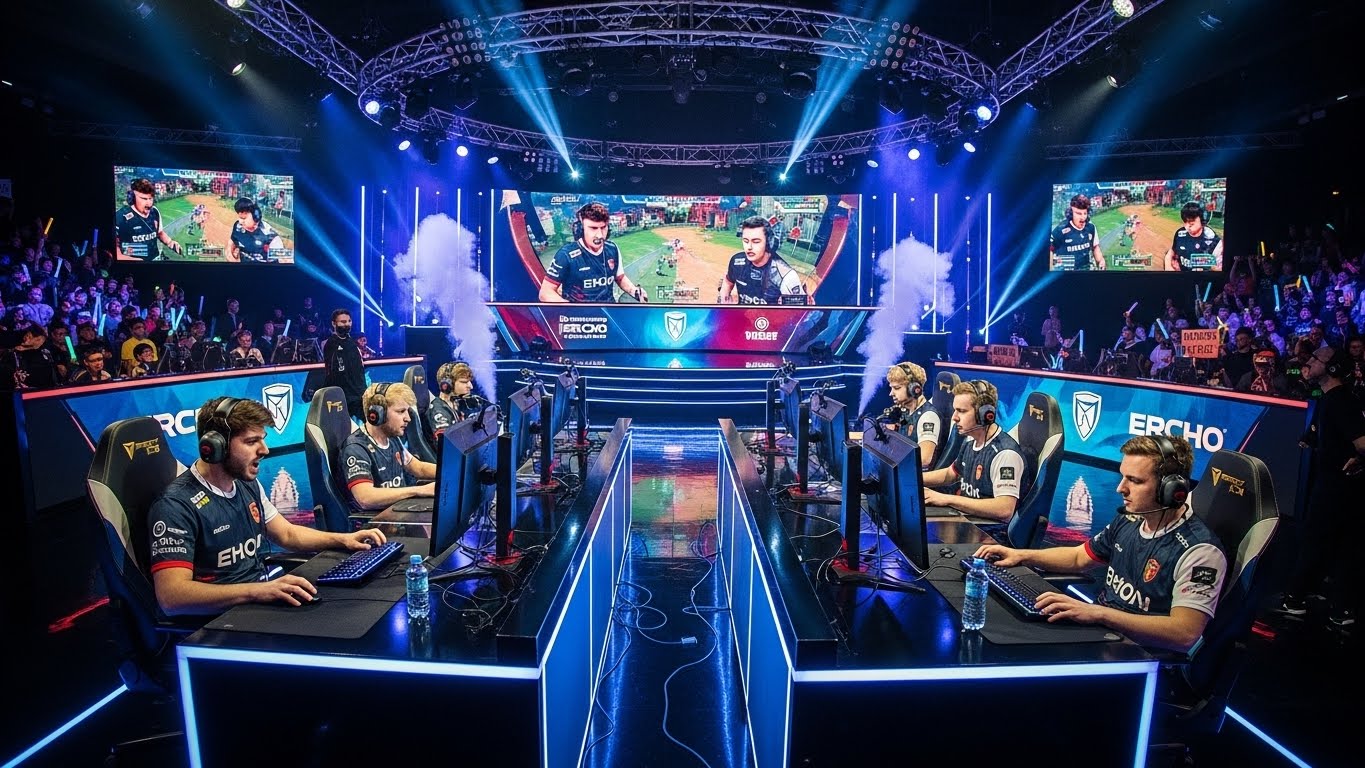
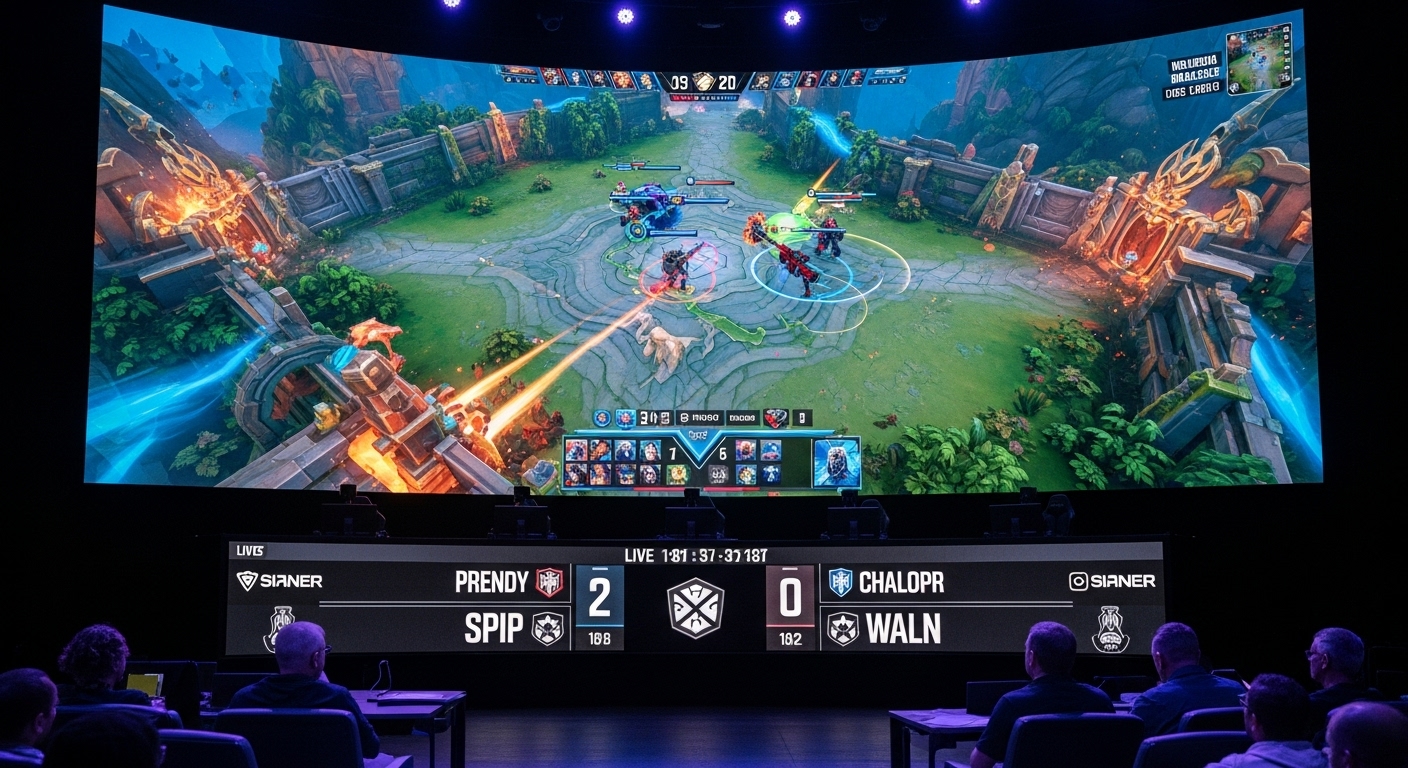
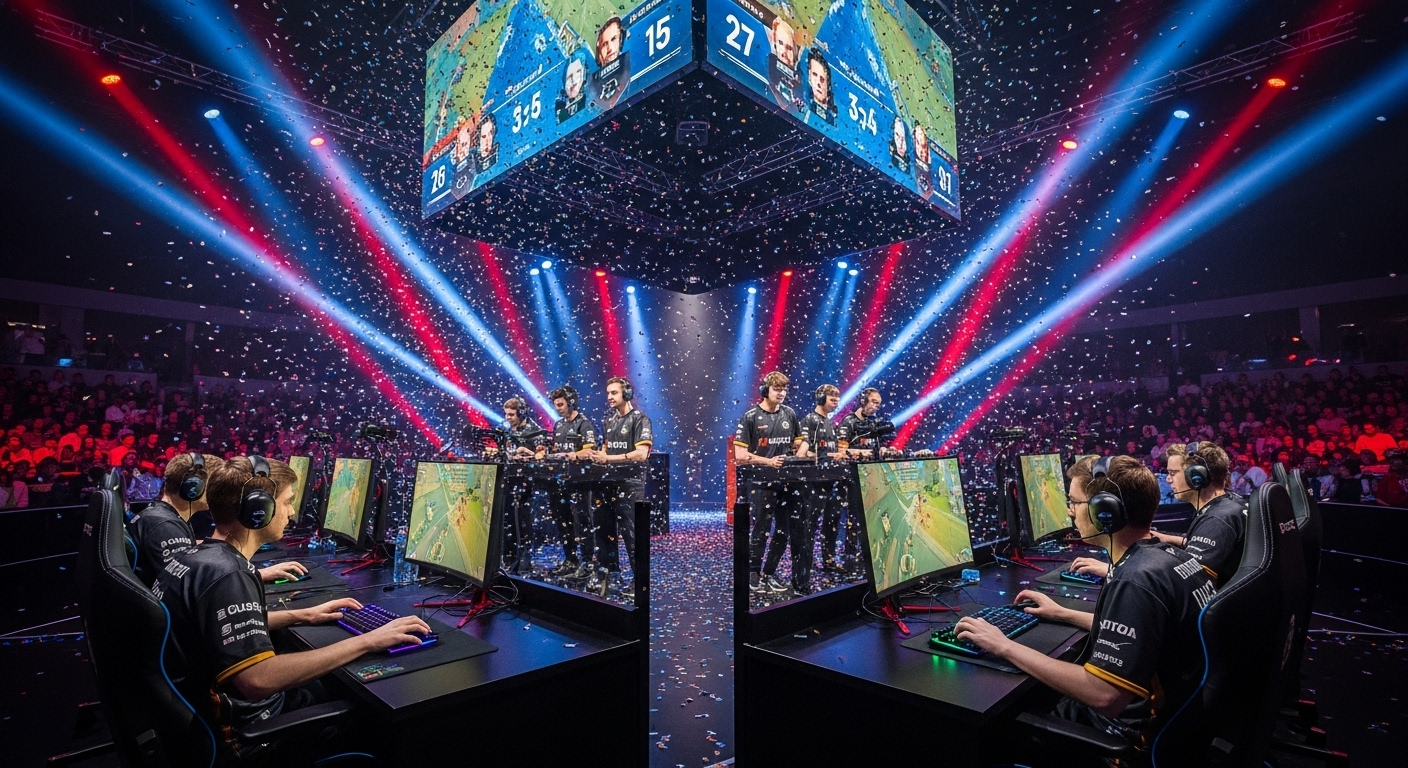
Modern esports events rival traditional sports in scale and production quality. From arenas packed with tens of thousands of fans to millions watching online, the atmosphere is electrifying. Massive LED screens, live commentary, and synchronized light shows create an immersive environment that elevates gaming into a full-fledged spectacle.
Cities like Seoul, Los Angeles, and Shanghai have become esports capitals, hosting dedicated stadiums and gaming centers. The architecture of these venues is designed to blend digital aesthetics with live entertainment, enhancing both the physical and virtual viewing experience.
Esports fans are among the most passionate in the world, often supporting their favorite teams with the same intensity seen in football or basketball. Fan culture, complete with chants, banners, and cosplay, has become an essential part of the esports identity.
The Challenges and Controversies in Esports
Despite its success, esports faces several challenges. Issues such as player burnout, match-fixing, doping, and cyberbullying have raised concerns about regulation and ethics. The absence of a unified governing body means that rules and standards vary widely between games and regions.
Another significant challenge is maintaining sustainability in a rapidly evolving industry. The constant release of new games and shifting viewer preferences make it difficult for organizations to plan long-term. Additionally, the mental and physical toll on players, who often retire in their early twenties due to stress or health issues, highlights the need for better welfare systems.
Financial inequality between major franchises and smaller teams also persists, mirroring disparities seen in traditional sports. Addressing these issues is essential for ensuring the continued growth and credibility of esports as a legitimate form of competition.
Esports and the Future of Sports Entertainment
Esports is redefining what it means to be a spectator sport in the digital age. Younger generations, raised on gaming and technology, are increasingly gravitating toward esports rather than traditional athletic events. This shift in audience demographics is pushing traditional sports leagues to adapt, with many launching their own esports divisions or partnerships.
The integration of augmented reality and virtual production promises to make esports even more immersive. Viewers may soon find themselves virtually inside the game world, participating in new forms of interactive entertainment. As technology continues to evolve, the boundaries between gaming, sports, and art will continue to blur.
Esports also holds the potential to become an Olympic event in the near future. With discussions already underway between the International Olympic Committee and gaming organizations, it is only a matter of time before esports gains recognition on the world’s biggest athletic stage.
The Social and Economic Impact of Esports
Esports has become a driver of economic growth and innovation. It creates jobs across industries—from event management and software development to marketing and broadcasting. Cities that host major tournaments experience boosts in tourism and international visibility.
Socially, esports has offered many young people a sense of belonging and opportunity. For those who may not excel in traditional sports or academic paths, gaming provides a platform for creativity, collaboration, and achievement. Esports communities often foster inclusivity, resilience, and global understanding.
However, as with all digital platforms, maintaining a balance between screen time, mental health, and social interaction remains vital. Promoting healthy gaming habits and ethical online behavior is key to ensuring the positive development of esports culture.
Conclusion: The Future Is Now
Esports has transcended the boundaries of entertainment to become a cultural, economic, and technological force. What began as friendly competition has evolved into a professional, global industry that continues to inspire millions. It represents the perfect intersection of passion, innovation, and community—a digital reflection of humanity’s enduring love for competition and storytelling.
As we move deeper into the digital era, esports will continue to shape how we connect, compete, and celebrate achievement. Whether through virtual reality arenas, international tournaments, or local gaming clubs, the spirit of esports will remain the same: bringing people together through skill, creativity, and shared excitement.
The rise of esports is not just a trend—it is a revolution, and its story is still being written.