Introduction: From Hobby to Global Phenomenon
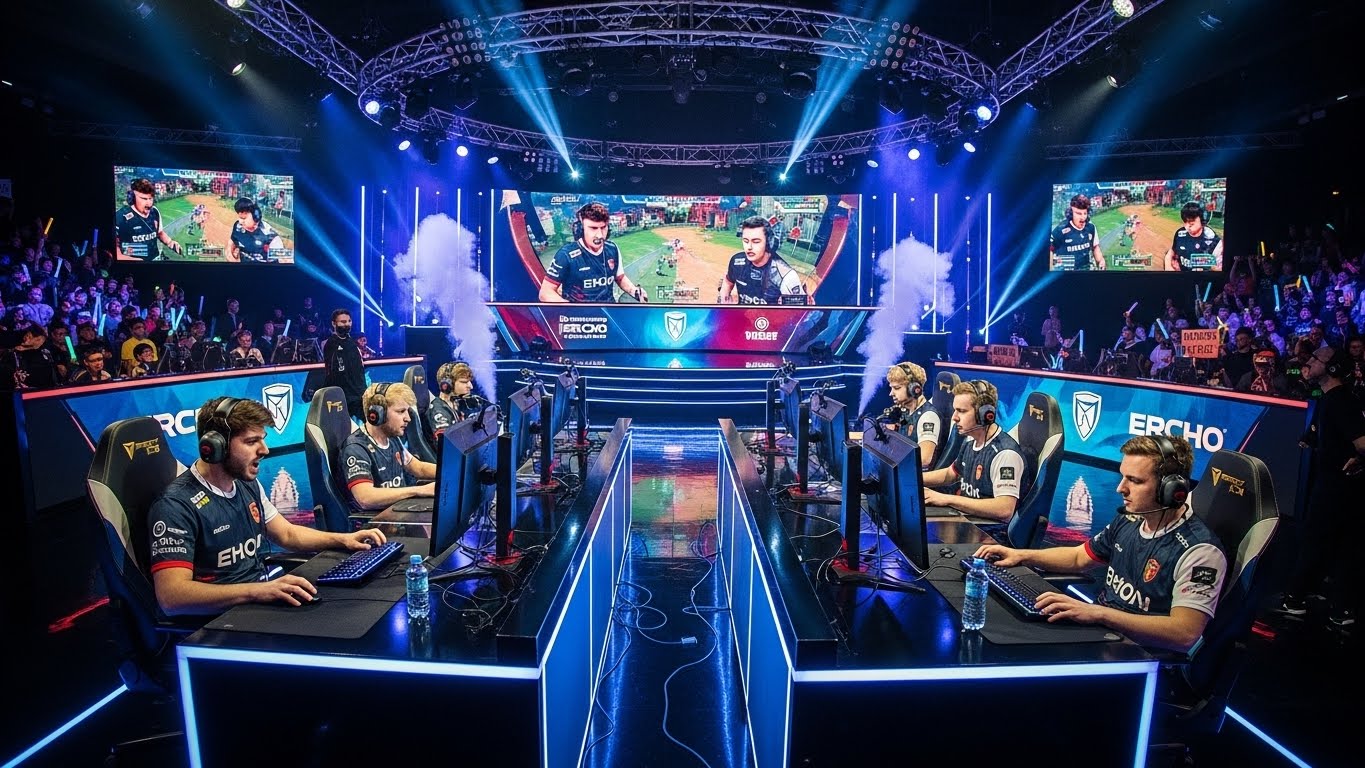
In the early days of video gaming, few could have imagined that what began as simple pixelated entertainment would one day become a multibillion-dollar industry filled with professional athletes, international tournaments, roaring crowds, and millions of online spectators. Esports, short for electronic sports, has transcended the boundaries of casual play to establish itself as a legitimate and respected form of competition across the world. Today, esports is no longer a fringe activity for hobbyists; it is a cultural and economic powerhouse, attracting sponsorships from major global brands, filling arenas, and providing careers for players, coaches, analysts, and content creators. This transformation has not been accidental but rather the result of technological evolution, social connectivity, and a deep-rooted human desire for competition and entertainment.
The Origins of Esports: Where It All Began
The history of esports can be traced back to the early 1970s, long before the rise of modern gaming consoles and online multiplayer systems. The first recognized video game competition took place at Stanford University in 1972, featuring the game “Spacewar.” The winner received a one-year subscription to Rolling Stone magazine, a modest prize that marked the beginning of something much larger. Through the 1980s, gaming competitions grew slowly but steadily, supported by arcade games and the rise of titles like Pac-Man, Donkey Kong, and Street Fighter. The 1990s saw a shift as personal computers and home consoles allowed players to compete without leaving their homes. Titles such as Doom, Quake, and StarCraft brought real-time competitive gaming to the forefront, with organized tournaments emerging in Asia and North America. South Korea, in particular, became a breeding ground for esports culture, with government investment in broadband internet and public gaming cafés known as PC bangs serving as training grounds for future champions.
The Explosion of Online Gaming and Tournaments
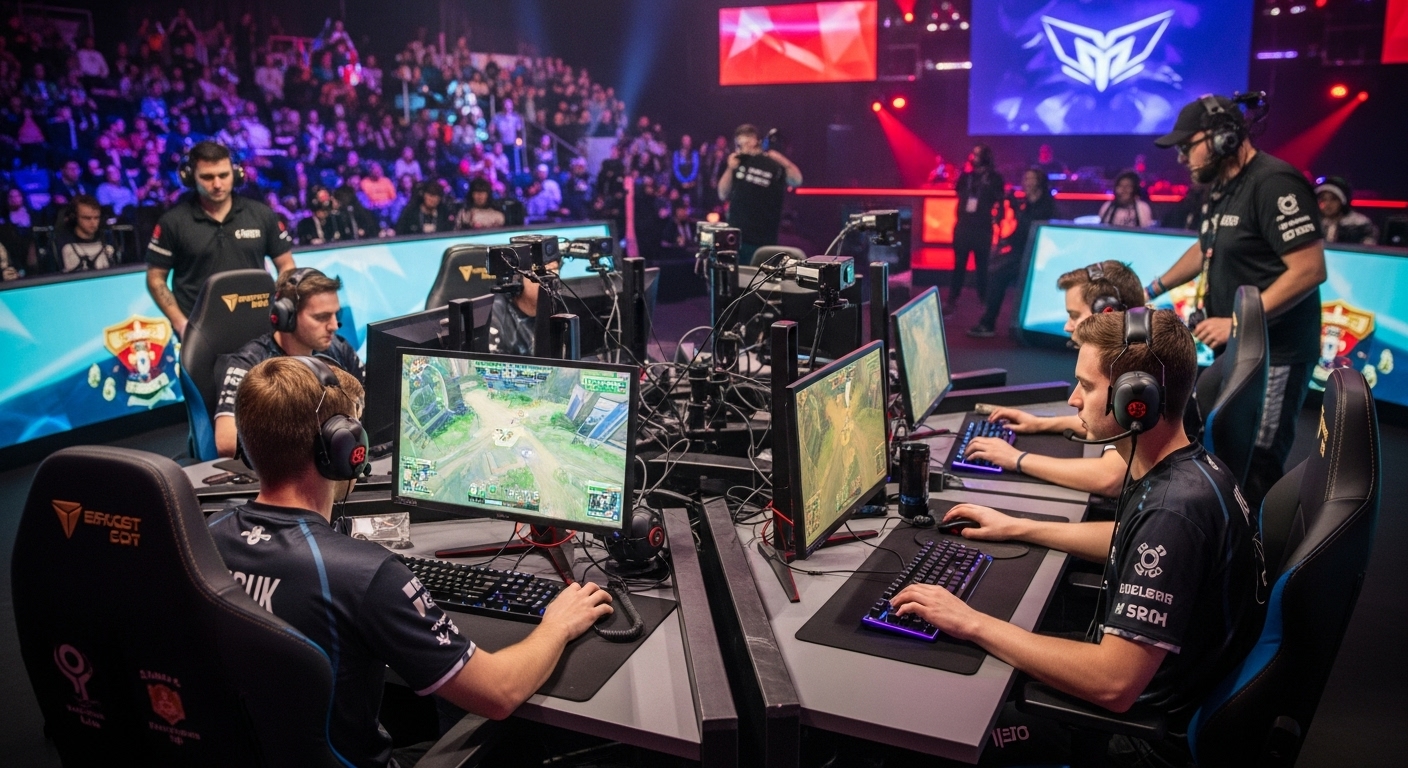
The 2000s marked the true explosion of esports, fueled by widespread internet access and the evolution of online multiplayer games. Games like Counter-Strike, Warcraft III, and Dota created global communities that played, competed, and shared strategies. The launch of streaming platforms such as Twitch later revolutionized how fans consumed esports content. For the first time, millions could watch live matches, learn from professional players, and interact with other fans in real time. Large-scale tournaments began to draw mainstream attention. The World Cyber Games, Major League Gaming, and the Intel Extreme Masters became household names in competitive gaming circles. By the mid-2010s, esports had gone from grassroots gatherings to fully professional organizations, with players signing contracts, earning salaries, and representing brands.
The Professionalization of Esports
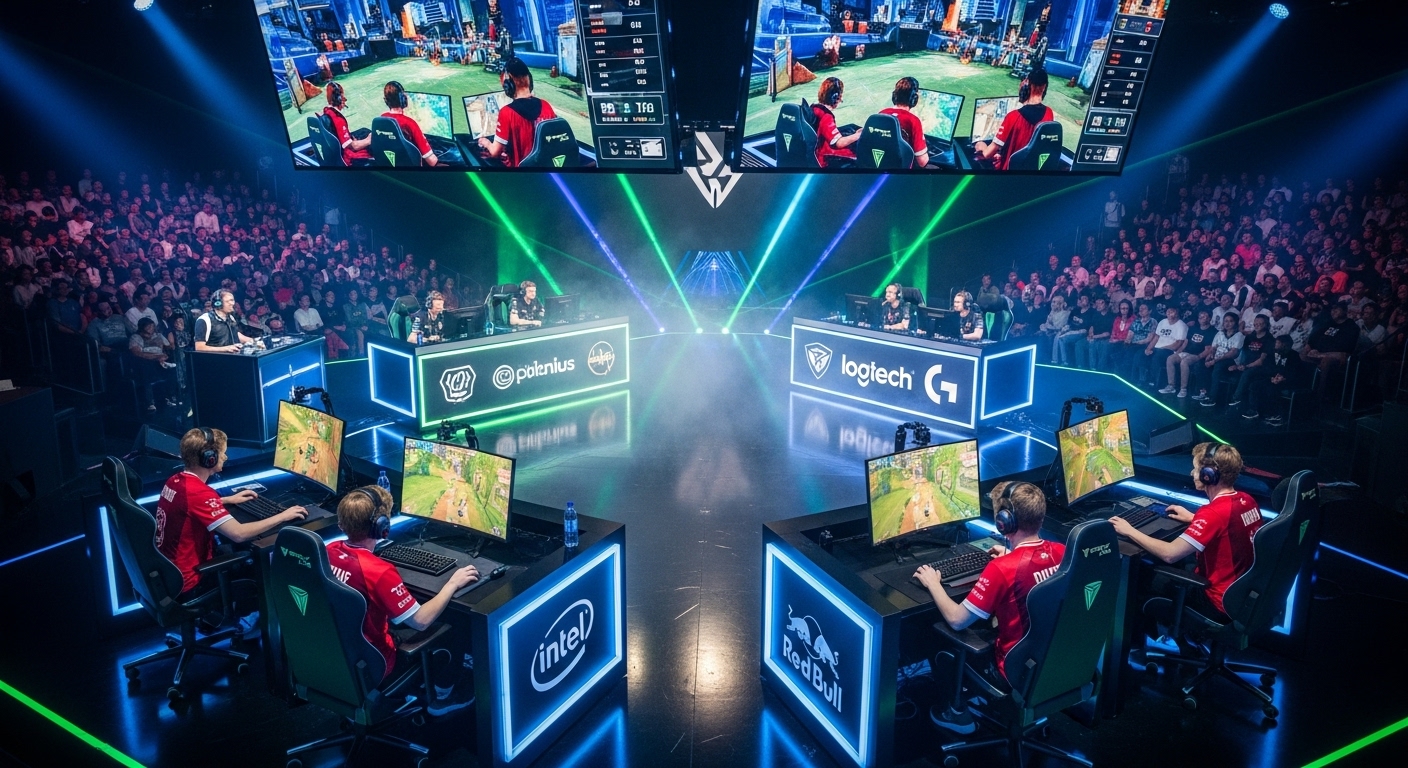
As esports matured, its infrastructure began to mirror that of traditional sports. Teams established training facilities, hired coaches, nutritionists, and psychologists to improve performance. Player salaries began to rise significantly, with top competitors earning six- or even seven-figure incomes. Organizations such as Fnatic, Team Liquid, T1, and Cloud9 became global brands with passionate fan bases. The professionalism extended to tournament organization, where standardized rules, anti-cheating measures, and official leagues ensured fair play and credibility. Franchised leagues like the Overwatch League and League of Legends Championship Series brought stability and structure to the ecosystem, allowing teams to operate similarly to football or basketball franchises. The introduction of sponsorship deals from companies like Coca-Cola, Red Bull, and Mercedes-Benz added commercial legitimacy and financial strength to the industry.
The Role of Technology in Esports Growth
Technology has been the backbone of esports’ meteoric rise. The rapid improvement of internet speeds, gaming hardware, and software has made high-quality competition possible on a global scale. Graphics technology evolved to the point where games could simulate real-world physics and stunning visuals, captivating both players and spectators. Streaming technology transformed esports from a niche hobby into a mainstream spectacle. Platforms like YouTube and Twitch enabled instant global broadcasts without the need for traditional television networks. Furthermore, the development of analytics tools, virtual reality, and augmented reality promises to take the experience even further, offering fans new ways to engage with their favorite teams and games.
The Cultural Impact of Esports
Esports has become a defining part of modern youth culture. For millions around the world, watching or playing games like League of Legends, Counter-Strike 2, Dota 2, and Valorant is as natural as following football or basketball. Gaming celebrities such as Faker, s1mple, and Ninja have become household names, admired not just for their in-game skills but for their personalities and influence on social media. Esports has also played a key role in breaking cultural and geographical barriers. Players from every corner of the world can compete on an even playing field, creating international friendships and rivalries that transcend language or nationality. The inclusivity and accessibility of esports have helped it thrive among diverse communities, giving voice to groups often underrepresented in traditional sports.
The Economic Power of Esports
The economic impact of esports is staggering. What once was a niche pastime is now a multibillion-dollar industry encompassing tournament revenue, sponsorships, media rights, merchandise, and ticket sales. Prize pools have reached record-breaking amounts, with tournaments such as The International for Dota 2 offering tens of millions in rewards. Major cities now host esports arenas capable of seating tens of thousands, and universities offer scholarships to promising players. Esports has also driven growth in related industries such as gaming peripherals, PC hardware, and streaming platforms. The advertising potential of esports is enormous because it attracts a young, tech-savvy demographic that is highly engaged and loyal. Brands that once ignored gaming are now competing for a place within its ecosystem.
Esports and Education: The Academic Connection
In recent years, educational institutions have recognized the potential of esports as both a career path and an academic discipline. High schools and universities around the world have established esports programs that teach students not only how to play but also how to manage, broadcast, and analyze games professionally. Esports management degrees are becoming increasingly common, covering subjects like marketing, team leadership, event organization, and digital communication. These programs prepare students for a variety of careers within the gaming industry, from content creation and production to data analytics and health management. This academic legitimization further strengthens esports’ standing as a serious and sustainable profession.
The Psychology of Competitive Gaming
Behind every great esports player is a combination of talent, discipline, and mental resilience. Competitive gaming demands split-second decision-making, emotional control, and the ability to handle pressure in front of thousands of viewers. The psychological aspects of esports have become a field of study in their own right, with teams hiring sports psychologists to maintain player well-being and focus. Burnout is a serious issue, given the intense training schedules and mental fatigue associated with professional play. As the industry matures, mental health awareness has become a priority, with organizations emphasizing balance, rest, and sustainable career longevity.
Esports as a Spectator Experience
One of the defining features of esports is its accessibility as a spectator sport. Unlike traditional sports, where watching live games often requires physical attendance, esports fans can enjoy matches from anywhere in the world. The viewing experience is interactive, with real-time chat, commentary, and overlays providing insights into player strategies and team dynamics. Production quality has reached cinematic levels, with slow-motion replays, virtual camera angles, and live commentary enhancing the excitement. Major tournaments like the League of Legends World Championship or the Valorant Champions Tour fill arenas comparable to those of major sporting events. Fans travel internationally to attend, waving team banners, chanting, and celebrating as if watching their favorite football clubs.
The Role of Women in Esports
While esports has long been dominated by male players, women have increasingly taken center stage, both as competitors and as key figures in production, commentary, and management. Female players like Sasha “Scarlett” Hostyn, Geguri, and Pokimane have challenged stereotypes and opened doors for future generations. Many organizations are actively working to make the esports environment more inclusive, combating toxicity and promoting diversity. Female-only tournaments and initiatives have been created to encourage participation and visibility, proving that talent knows no gender. The future of esports will undoubtedly see a more balanced and diverse representation across all roles.
The Globalization of Esports
Esports knows no borders. From the packed stadiums of Seoul to the gaming conventions in Los Angeles, esports has become a truly global movement. Different regions have developed their own gaming cultures and dominant titles—Asia leads in games like League of Legends and StarCraft, while North America thrives in shooters like Call of Duty and Valorant. Europe has become a hub for tactical strategy games and large-scale tournaments. International events bring together players and fans from every continent, fostering unity through competition. Language barriers fade as the universal language of gameplay and excitement takes over. This globalization has also encouraged cross-cultural collaborations, with mixed-nationality teams competing at the highest levels.
The Business of Esports Organizations
Behind every successful esports player stands a complex business structure that supports and manages them. Modern esports organizations operate like full-fledged sports franchises, complete with marketing teams, legal departments, and talent scouts. They manage brand deals, organize content creation, and maintain public relations. These organizations are no longer just about competition—they are lifestyle brands that extend into clothing, entertainment, and even music. The fan loyalty they cultivate mirrors that of traditional sports clubs, creating a passionate community that supports their favorite teams across multiple titles.
Challenges Facing the Esports Industry
Despite its rapid growth, esports faces several challenges that must be addressed for long-term stability. One major issue is player burnout and short career spans. Many players retire in their early twenties due to physical or mental strain. Another concern is the inconsistency in tournament regulations and the lack of a centralized governing body, which can lead to confusion or disputes. Cheating and match-fixing, while rare, have occasionally tarnished the image of competitive gaming. Furthermore, while esports attracts millions of viewers, converting that engagement into consistent revenue remains complex. Balancing entertainment value with professionalism will be key to maintaining the industry’s credibility and sustainability.
Esports and the Future of Entertainment
As technology continues to evolve, the line between esports, gaming, and entertainment is becoming increasingly blurred. Virtual reality and augmented reality promise to make future competitions more immersive, while artificial intelligence could introduce new training tools and spectator experiences. The concept of the metaverse may also redefine how fans interact with esports, enabling them to attend virtual arenas, meet their favorite players’ avatars, or experience games from within the action itself. Esports is also converging with traditional sports, with major franchises like the NBA and Formula 1 launching their own esports divisions. This hybridization demonstrates that gaming is not merely a digital pastime but an integral part of modern entertainment culture.
Esports and Society: Changing Perceptions
For decades, gaming was dismissed as a distraction or even a negative influence. Esports has completely changed that narrative. Today, it is recognized for fostering teamwork, strategic thinking, and global connectivity. Parents and educators increasingly see value in gaming as a legitimate pursuit that can teach discipline, communication, and technological literacy. Governments are beginning to support esports as part of their digital economy strategies, and some countries have even granted athlete visas to professional gamers. This societal shift marks one of the most profound cultural changes of the 21st century, validating a new generation’s passion and creativity.
Conclusion: The Future of Competitive Gaming
The story of esports is still being written, but its trajectory is unmistakable. What began as a subculture has become one of the most dynamic and influential sectors of global entertainment. Esports embodies the spirit of the modern age—driven by technology, fueled by community, and defined by innovation. As more people recognize its cultural, economic, and educational potential, esports will continue to grow beyond screens and keyboards, influencing how humanity understands competition, storytelling, and connection. The future of esports will not only redefine what it means to be an athlete but also what it means to be part of a truly global community.