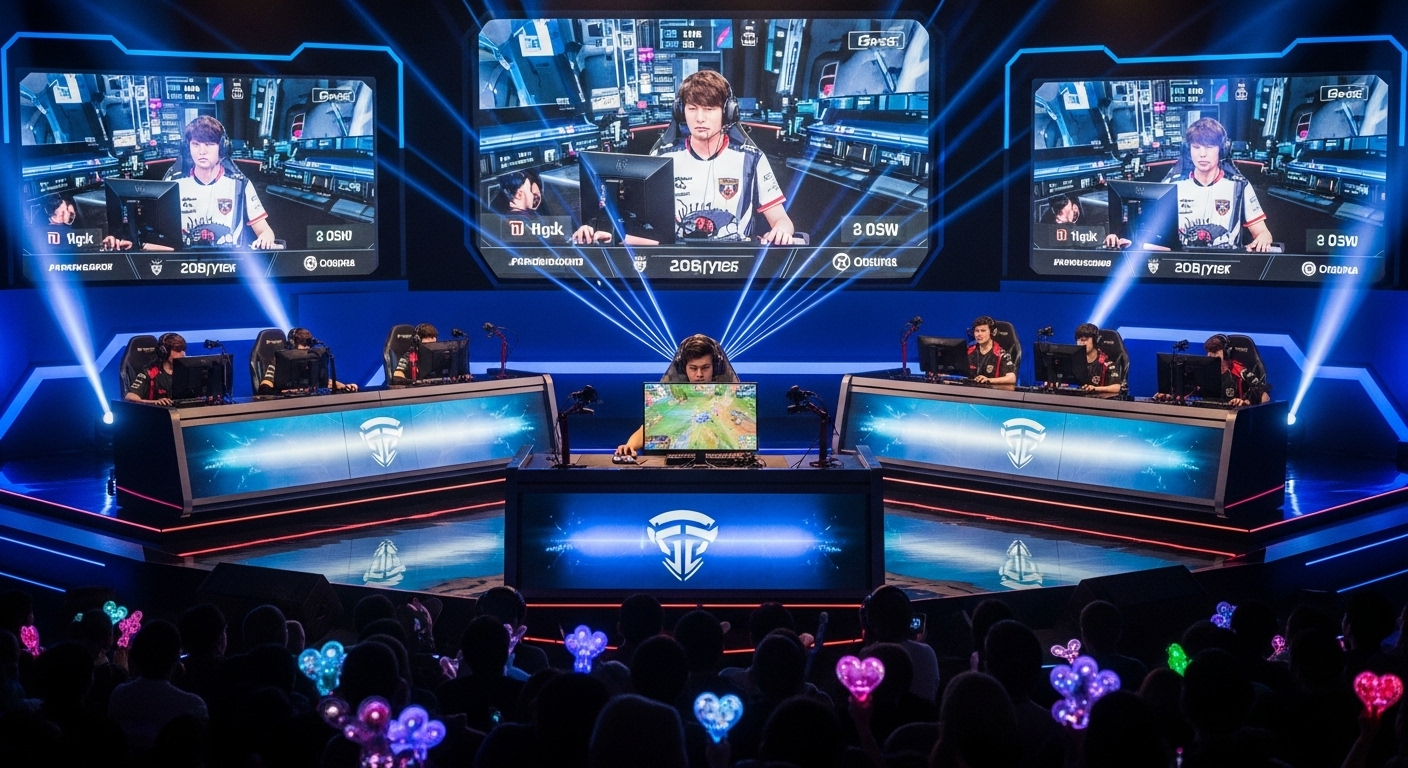
Esports, or electronic sports, has transformed from a niche hobby into a global phenomenon that captivates millions of fans and players alike. What once began as informal gatherings of gamers has now become a professional industry with massive tournaments, lucrative sponsorships, and a dedicated following that rivals traditional sports. This blog explores the evolution, impact, and culture of esports, highlighting how it has grown into a multi-billion-dollar industry.
Origins of Competitive Gaming
The roots of competitive gaming trace back to the late 1970s and early 1980s when arcade games first gained popularity. Classic titles like Space Invaders, Pac-Man, and Donkey Kong attracted players who competed for high scores. During this era, gaming competitions were mostly local events held at arcades, small conventions, or college campuses.
The first notable organized gaming competition occurred in 1980 at Stanford University, known as the Intergalactic Spacewar Olympics. It may seem modest by today’s standards, but it set the foundation for competitive gaming as a structured pursuit. These early tournaments highlighted not only skill but also the community-driven aspect of gaming, as players gathered to share experiences and strategies.
Evolution Through Technology
The 1990s saw the emergence of personal computers and networked gaming, which opened new possibilities for competitive gaming. Titles like Quake, StarCraft, and Warcraft allowed players to compete online, breaking geographical barriers. The introduction of the internet provided a platform for worldwide competition, enabling players to connect and challenge each other in real time.
During this time, esports began taking a more professional shape. Local competitions evolved into national tournaments, with prize pools offering real financial incentives. Gaming communities started forming clans and teams, fostering rivalries that would later become central to the esports narrative. This era was crucial because it transformed gaming from a casual pastime into a competitive pursuit with measurable rewards.
The Explosion of Modern Esports
The 2000s marked a turning point with the rise of multiplayer online battle arenas (MOBAs) and first-person shooters (FPS) as esports staples. Games such as League of Legends, Dota 2, Counter-Strike, and Overwatch created global audiences and professional leagues. These games emphasized teamwork, strategy, and individual skill, making them ideal for competitive formats.
Esports leagues started to adopt professional standards similar to traditional sports. Structured schedules, official broadcasting, player contracts, and sponsorship deals became common. Major tournaments, such as The International for Dota 2 and the League of Legends World Championship, attracted massive viewership, sometimes rivaling the Super Bowl in audience size. The introduction of streaming platforms further accelerated the growth, allowing fans worldwide to watch live matches with ease.
The Role of Streaming and Media
Streaming platforms like Twitch, YouTube Gaming, and Mixer revolutionized the way esports content is consumed. Unlike traditional sports, esports fans could interact directly with players, participate in chats, and access real-time commentary. This interactive model strengthened fan engagement, creating communities around specific games, teams, or players.
Moreover, media coverage of esports expanded beyond online platforms. Television channels and news outlets began recognizing esports as legitimate sports content, highlighting major tournaments and interviewing professional players. Esports content also infiltrated social media, further amplifying its reach. Fans could now follow players, watch highlights, and engage in discussions on platforms like Twitter, Instagram, and Discord.
Esports as a Career
Professional gaming has become a viable career path, though highly competitive. Players often start training in their teens, dedicating hours daily to improve skills, analyze strategies, and stay updated on meta changes. A professional esports career is not only about playing games; it includes media appearances, branding, and participation in promotional events.
Salaries in esports can vary widely. Top-tier players in major leagues earn millions annually, often supplemented by streaming revenue, sponsorships, and tournament winnings. Even semi-professional players can make a living through online platforms, showcasing how esports offers opportunities beyond traditional employment. Coaching, commentary, game development, and content creation have also emerged as related career paths within the esports ecosystem.
Major Esports Titles
Several games have become cornerstones of the esports industry, each with unique communities, strategies, and competitive formats.
League of Legends (LoL)
League of Legends is arguably the most influential MOBA in esports history. Developed by Riot Games, LoL tournaments feature structured leagues in regions like North America, Europe, China, and South Korea. The World Championship is an annual highlight, drawing millions of viewers worldwide.
Dota 2
Known for its deep strategy and complex mechanics, Dota 2 boasts the largest esports prize pools in the industry. The International, Dota 2’s premier tournament, offers multi-million-dollar prizes funded through community contributions, showcasing the passionate engagement of its fanbase.
Counter-Strike: Global Offensive (CS:GO)
CS:GO remains a staple in FPS esports. Its competitive scene features numerous leagues, tournaments, and events globally. Precision, reflexes, and teamwork define success in this genre, attracting fans who appreciate skillful gameplay.
Fortnite and Apex Legends
Battle royale games like Fortnite and Apex Legends have introduced dynamic formats to esports. They combine individual skill with large-scale competition, appealing to younger audiences and fostering viral content through creative strategies and highlights.
Esports Culture and Community
Beyond professional competition, esports is a culture that shapes social interactions, identity, and entertainment. Online forums, Discord servers, and fan groups provide spaces for discussion, debate, and collaboration. Cosplay, fan art, and content creation thrive within this ecosystem, reflecting the creativity of the community.
Esports culture also emphasizes inclusivity and diversity, though challenges remain. Women, LGBTQ+ individuals, and players from underrepresented regions increasingly participate in competitions and content creation, contributing to a richer, global community. Fan engagement goes beyond spectating; it involves active participation in shaping narratives, celebrating victories, and supporting players emotionally.
Impact on Education and Skills Development
Esports has begun influencing education and skill development. Some universities offer esports scholarships, integrating gaming with academic programs. Students learn strategic thinking, teamwork, time management, and communication—skills transferable to real-world careers.
Moreover, esports encourages problem-solving under pressure, adaptability, and technological literacy. Competitive gaming requires continuous learning, as players must stay updated with meta changes, game mechanics, and strategies. This combination of cognitive and social skills underscores the broader benefits of esports beyond entertainment.
The Business of Esports
The esports industry has grown into a multi-billion-dollar market with investments in teams, leagues, media rights, and merchandise. Sponsorship deals from tech companies, apparel brands, and energy drinks are commonplace. Brands recognize the influence of esports on younger demographics, making it a prime avenue for marketing and engagement.
Teams operate similarly to traditional sports franchises, with structured management, coaching staff, analysts, and marketing departments. League organizers generate revenue through ticket sales, broadcasting rights, merchandise, and online streaming partnerships. This commercialization ensures the sustainability of esports while expanding its reach globally.
Challenges Facing Esports
Despite rapid growth, esports faces challenges. Player burnout is a significant issue, as professionals often train for 8-12 hours daily. Mental health concerns, including stress, anxiety, and performance pressure, are increasingly recognized within the industry.
Regulation and standardization are also ongoing concerns. Unlike traditional sports, esports lacks uniform governance across games and regions, creating disparities in rules, tournament structures, and player rights. Cheating, match-fixing, and doping pose additional threats to the integrity of competition.
Furthermore, accessibility remains a challenge. Not all players have access to high-end hardware, stable internet, or competitive infrastructure. Bridging this gap is crucial for nurturing talent globally and ensuring a level playing field.
Esports and Global Influence
Esports has a profound global impact. Countries like South Korea, China, and the United States have embraced competitive gaming culturally and economically. South Korea’s early investment in internet infrastructure and gaming culture positioned it as a pioneer in esports. China’s government-backed support for esports has accelerated professional leagues and infrastructure development.
The global nature of esports promotes cross-cultural exchange. Players, teams, and fans interact across continents, sharing strategies, memes, and experiences. International tournaments serve as cultural events, uniting diverse communities through a shared passion for gaming.
The Future of Esports
The future of esports appears promising, with technological advancements shaping new possibilities. Virtual reality (VR) and augmented reality (AR) may redefine competitive formats, creating immersive spectator experiences. AI-driven analytics can enhance player performance, coaching, and strategic planning.
Esports may also further integrate with traditional sports. Collaborations between leagues, cross-promotional events, and shared marketing strategies could blur the lines between digital and physical sports entertainment. Additionally, esports could become more recognized as a legitimate profession and a pathway for education, skill development, and global career opportunities.
Conclusion
Esports is more than a trend; it is a digital revolution that has reshaped entertainment, sports, and culture. From humble beginnings in arcades to stadium-filling tournaments broadcast worldwide, esports has demonstrated the power of technology, community, and competitive spirit. It continues to evolve, offering players, fans, and businesses unprecedented opportunities. As the industry matures, it will likely influence society, culture, and professional opportunities for generations to come.
Esports embodies the future of competition, entertainment, and connectivity. It represents a space where skill, strategy, creativity, and passion intersect, proving that gaming is not just a pastime but a legitimate and influential global phenomenon.