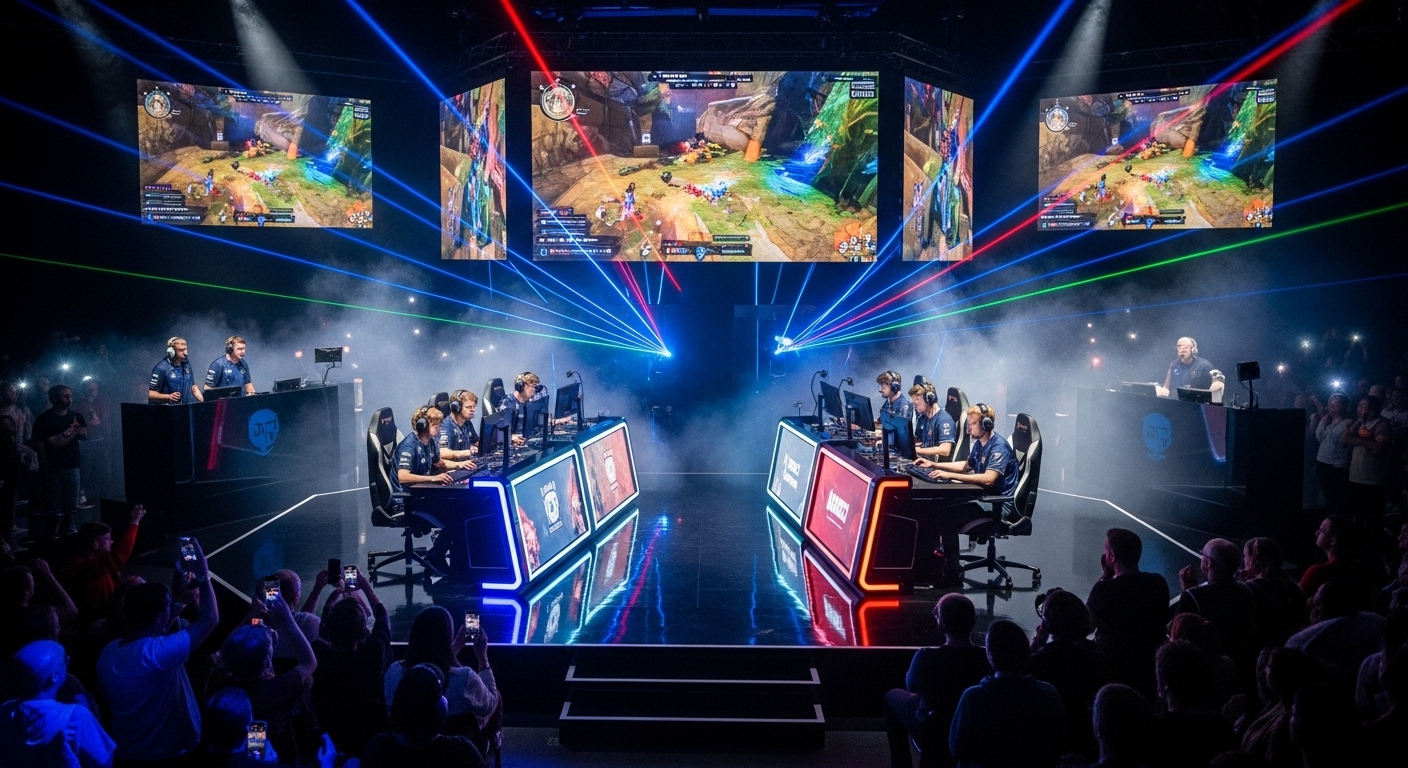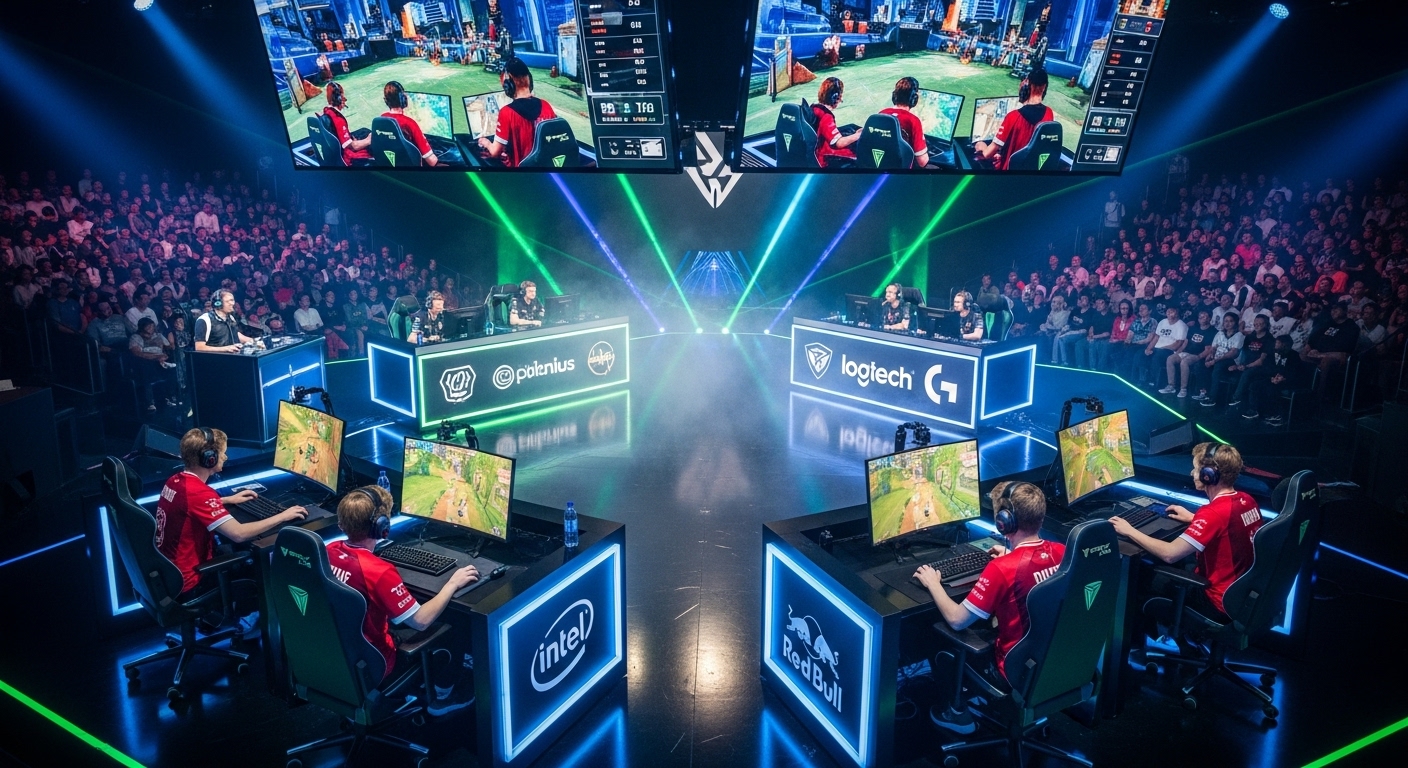
Esports, short for electronic sports, has emerged as one of the fastest-growing industries in the world of entertainment. What began as casual competitions among small groups of players has evolved into a global phenomenon, attracting millions of players, viewers, and investors. Esports now rivals traditional sports in popularity, financial impact, and cultural significance. With professional leagues, international tournaments, and multimillion-dollar sponsorships, competitive gaming has created a unique ecosystem that blends technology, entertainment, and business. This blog explores the origins, development, industry structure, culture, technology, and future of esports, providing a comprehensive look at this digital revolution.
The Origins of Esports
The origins of esports date back to the early days of video games. In the 1970s and 1980s, arcades were central to gaming culture, offering players a place to compete for high scores in games like Space Invaders, Pac-Man, and Donkey Kong. One of the first large-scale competitions, the Space Invaders Championship in 1980, attracted thousands of participants, demonstrating the potential for organized competitive gaming.
With the introduction of home consoles and personal computers, competitive gaming shifted from arcades to private spaces. Games like Street Fighter, Mortal Kombat, and StarCraft became the foundation of early competitive communities. Players began sharing strategies, organizing local tournaments, and developing a culture that valued skill, strategy, and sportsmanship.
The proliferation of the internet in the 1990s was a turning point. Online multiplayer games allowed players to compete across cities, countries, and continents, creating a global player base. Titles such as Counter-Strike, Warcraft III, and Quake established structured competitions, ranking systems, and online leagues, laying the groundwork for modern esports.
Professionalization of Esports
Esports began to professionalize in the early 2000s, with South Korea leading the way. StarCraft: Brood War became a cultural phenomenon, and professional players achieved celebrity status. Television networks broadcast tournaments, and corporate sponsorships became an essential part of the ecosystem. Teams hired coaches, analysts, and managers, creating professional organizations similar to those in traditional sports.
Following South Korea’s model, esports expanded globally. Games like League of Legends, Dota 2, and Overwatch attracted millions of players and viewers. International tournaments offered substantial prize pools, and professional teams began branding themselves to create long-term fan engagement. Esports became a legitimate career path, providing salaries, sponsorship deals, and opportunities for personal branding.
Streaming platforms further accelerated the professionalization of esports. Twitch, YouTube Gaming, and other services allowed fans to watch live competitions, interact with players, and participate in global communities. This direct connection between players and audiences helped esports gain mainstream attention and legitimacy.
Popular Esports Titles
Esports encompasses a variety of game genres, each fostering unique competitive environments. Multiplayer online battle arena games, or MOBAs, such as League of Legends and Dota 2, focus on strategy, teamwork, and long-term planning. These games host massive tournaments with multi-million-dollar prize pools and global viewership.
First-person shooters, including Counter-Strike: Global Offensive, Call of Duty, and Valorant, emphasize reflexes, precision, and tactical coordination. These games provide fast-paced, high-intensity experiences for both players and spectators, creating memorable moments and dramatic matches.
Battle royale games like Fortnite and Apex Legends emphasize survival, adaptability, and strategic decision-making. Their integration with streaming and social media platforms has attracted younger audiences and created massive online communities.
Fighting games such as Street Fighter and Super Smash Bros require individual skill, timing, and strategic thinking. Sports simulation games like FIFA and NBA 2K translate traditional sports into digital arenas, attracting fans who enjoy both gaming and real-world sports.
The Esports Ecosystem
Esports is a complex ecosystem that extends beyond players and tournaments. Professional teams recruit top talent, provide training, coaching, analytics, and marketing support, and build their brand presence. These organizations operate similarly to traditional sports franchises, focusing on fan engagement and long-term sustainability.
Leagues and tournaments create structured competitive environments, establish rules, and manage prize pools. Prestigious events such as The International for Dota 2 or the League of Legends World Championship attract millions of viewers worldwide, generate substantial revenue, and elevate the status of professional players.
Sponsors and advertisers play a crucial role in esports. Companies invest in teams, events, and streaming content to reach highly engaged audiences. Merchandise sales, media rights, and online advertisements further contribute to revenue, creating a self-sustaining industry that continues to grow rapidly.
Careers in Esports
Esports offers a wide range of professional opportunities beyond playing competitively. While elite players earn salaries, tournament winnings, and sponsorships, the industry also employs coaches, analysts, managers, commentators, content creators, and marketing professionals. The operational side of esports requires expertise in management, technology, and business, creating thousands of job opportunities globally.
Universities have begun offering esports programs and scholarships, formalizing the pathway to professional gaming careers. Players develop skills such as strategic thinking, teamwork, communication, and mental resilience, which are transferable to other professional fields. Top-tier players achieve celebrity status, engaging with audiences through media appearances, live streams, and personal branding.
Streaming Platforms and Audience Engagement
Streaming platforms have transformed the esports experience for both players and fans. Services like Twitch and YouTube Gaming allow viewers to watch live competitions, interact with players, and participate in online communities. Real-time engagement strengthens the connection between players and audiences, enhancing loyalty and investment in teams.
Streaming has also democratized esports content. Amateur players and smaller creators can broadcast their gameplay, provide commentary, or host tutorials, reaching audiences without traditional media gatekeepers. This accessibility has created a thriving ecosystem of content creators, influencers, and fan-driven media.
Live streaming has fostered interactive communities where fans can discuss strategies, celebrate victories, and connect socially. The social component of esports is integral, making digital competitions immersive and community-oriented.
Cultural Impact of Esports
Esports has become a cultural phenomenon that extends beyond gaming. Professional players influence fashion, music, and online trends, while tournaments often feature live entertainment and celebrity appearances. Esports has created a unique lifestyle that blends competition, creativity, and community engagement.
Inclusivity is a hallmark of esports culture. Unlike traditional sports, physical attributes are less important, allowing players from diverse backgrounds to compete on equal footing. International tournaments foster cross-cultural connections, enabling fans from different countries to celebrate shared experiences.
Fans contribute creatively as well, producing memes, fan art, and commentary that shape esports culture. This participatory environment makes esports more than just a competition—it is a platform for social interaction and digital identity.
The Business of Esports
Esports is a multi-billion-dollar industry with diverse revenue streams. Sponsorships, tournament winnings, merchandise, media rights, and online advertising support professional organizations and drive investment. Large tournaments attract global audiences, providing platforms for marketing and monetization.
Game developers, software providers, and content creators are integral to the business ecosystem. They design engaging titles, develop innovative gameplay features, and provide infrastructure for live streaming and online tournaments. Partnerships among these entities ensure smooth operations, fair play, and technological advancement.
The professionalization of esports mirrors traditional sports in many ways. Teams are managed as organizations with branding, marketing, and operational strategies designed for long-term growth. Investment in infrastructure, talent, and content production ensures a sustainable industry.
Global Reach and Expansion
Esports is truly global. South Korea, China, and the United States were early leaders, but Europe, Southeast Asia, Latin America, and other regions are rapidly expanding their influence. International tournaments are streamed in multiple languages, creating shared experiences that connect fans across borders.
Online platforms allow talent from remote areas to compete at elite levels. The global nature of esports promotes cultural exchange, collaboration, and innovation, making it a unifying force in digital entertainment.
Challenges in Esports
Despite rapid growth, esports faces several challenges. Player burnout is a major concern due to long practice hours, high-pressure tournaments, and constant public scrutiny. Mental health support and physical wellness programs are essential for sustaining careers.
Regulation and standardization remain ongoing issues. Esports encompasses multiple games, each with its own rules and structures. Developing consistent guidelines, ethical contracts, and anti-cheating measures is crucial for long-term stability.
Cybersecurity and online integrity are also critical. Protecting personal data, ensuring fair play, and preventing cheating are priorities for developers and tournament organizers. Public perception remains a challenge in some regions, as esports continues to fight for recognition as a legitimate professional sport.
Technological Innovations in Esports
Technology is central to esports growth. High-speed internet, cloud gaming, live streaming, analytics tools, and artificial intelligence enhance both player performance and spectator experience. Virtual and augmented reality promise immersive competitions where players and audiences interact in new ways.
AI helps teams analyze gameplay, optimize strategies, and predict outcomes. Advanced broadcasting technology enables dynamic camera angles, real-time statistics, and interactive viewing experiences. These innovations improve engagement, accessibility, and entertainment value for a global audience.
The Future of Esports
The future of esports is promising and full of potential. Virtual reality, augmented reality, and AI-driven analytics will create more immersive and personalized experiences. Mobile and cloud-based platforms will expand accessibility, while emerging markets will contribute new players, audiences, and investment.
Integration with traditional sports, entertainment, and media industries will enhance legitimacy and broaden exposure. Esports is likely to evolve as both a professional sport and a cultural phenomenon, shaping social interaction, digital identity, and entertainment in unprecedented ways.
Conclusion
Esports has grown from humble arcade competitions to a global industry with professional players, international tournaments, and millions of fans. It represents the intersection of gaming, technology, culture, and business, creating a unique digital ecosystem.
The continued success of esports depends on innovation, inclusivity, responsible management, and technological advancement. With streaming platforms, global expansion, and professionalization, esports is poised to remain a central force in entertainment for decades to come.
Competitive gaming is no longer a hobby; it is a global movement that celebrates skill, strategy, creativity, and community. Esports is here to stay, redefining what it means to compete, engage, and connect in the digital age.