Introduction: The Rise of a Digital Era
Esports has grown from a casual pastime into a global phenomenon that commands massive audiences, high-stakes tournaments, and professional players with millions of followers. What once was considered a niche hobby among gamers has now evolved into a fully-fledged entertainment industry that rivals traditional sports. The appeal of esports lies not just in gameplay but in community, storytelling, and the thrill of competition. This blog explores the journey of esports, its cultural impact, and what the future may hold for this digital revolution.
The Origins of Esports
Competitive gaming can be traced back to the early 1970s when players competed in arcade games like Space Invaders and Pong. However, esports as we know it began to take shape in the late 1990s with the rise of PC gaming and online connectivity. Games like StarCraft, Counter-Strike, and Warcraft III became the first titles to host organized tournaments with professional players. South Korea was a pioneer in embracing esports, building gaming stadiums and live-broadcasting matches. This early adoption set the stage for esports to evolve into a structured and professional industry.
Why Esports Captivates Millions
The explosive growth of esports can be attributed to several key factors. Accessibility is one: unlike traditional sports, esports does not require physical strength but relies on skill, strategy, and mental agility. Anyone with a computer or console can participate, which makes esports globally inclusive.
Another reason is immersion. Many esports titles feature complex worlds, storylines, and unique characters that captivate players and viewers alike. The fast-paced nature of the games keeps audiences engaged, while the competitive aspect fuels a sense of excitement and unpredictability. Finally, esports thrives on community. Fans connect with players, teams, and other viewers in online platforms, building a sense of belonging around shared passion.
The Professionalization of Esports Athletes
In the modern esports scene, players operate much like professional athletes. Their days are filled with rigorous training, practice matches, strategy sessions, and physical and mental conditioning. Professional teams employ coaches, analysts, nutritionists, and even psychologists to maximize performance. Training schedules can range from six to twelve hours daily, requiring discipline, focus, and perseverance.
Contracts, salaries, and sponsorship deals have made esports a viable career path. Top players can earn substantial incomes through tournament winnings, brand partnerships, streaming revenue, and merchandising. As a result, esports has developed a level of professionalism that rivals traditional sports, drawing attention from media, investors, and educational institutions.
Popular Esports Titles and Their Impact
Esports covers a variety of genres, each attracting a dedicated following. Multiplayer online battle arena games such as League of Legends and Dota 2 dominate the strategy and teamwork space, offering complex gameplay that challenges even the most skilled players. First-person shooters like Counter-Strike, Overwatch, and Valorant appeal to fans who enjoy fast reflexes and tactical decision-making. Battle royale games such as Fortnite and PUBG introduced a survival-based competitive model that added unpredictability and excitement.
Sports simulation titles like FIFA and NBA 2K bridge the gap between traditional sports and esports, offering familiar competitive frameworks in a digital environment. Each title creates its own ecosystem of tournaments, teams, and fan communities, contributing to the diversity and richness of the esports industry.
The Role of Esports Tournaments
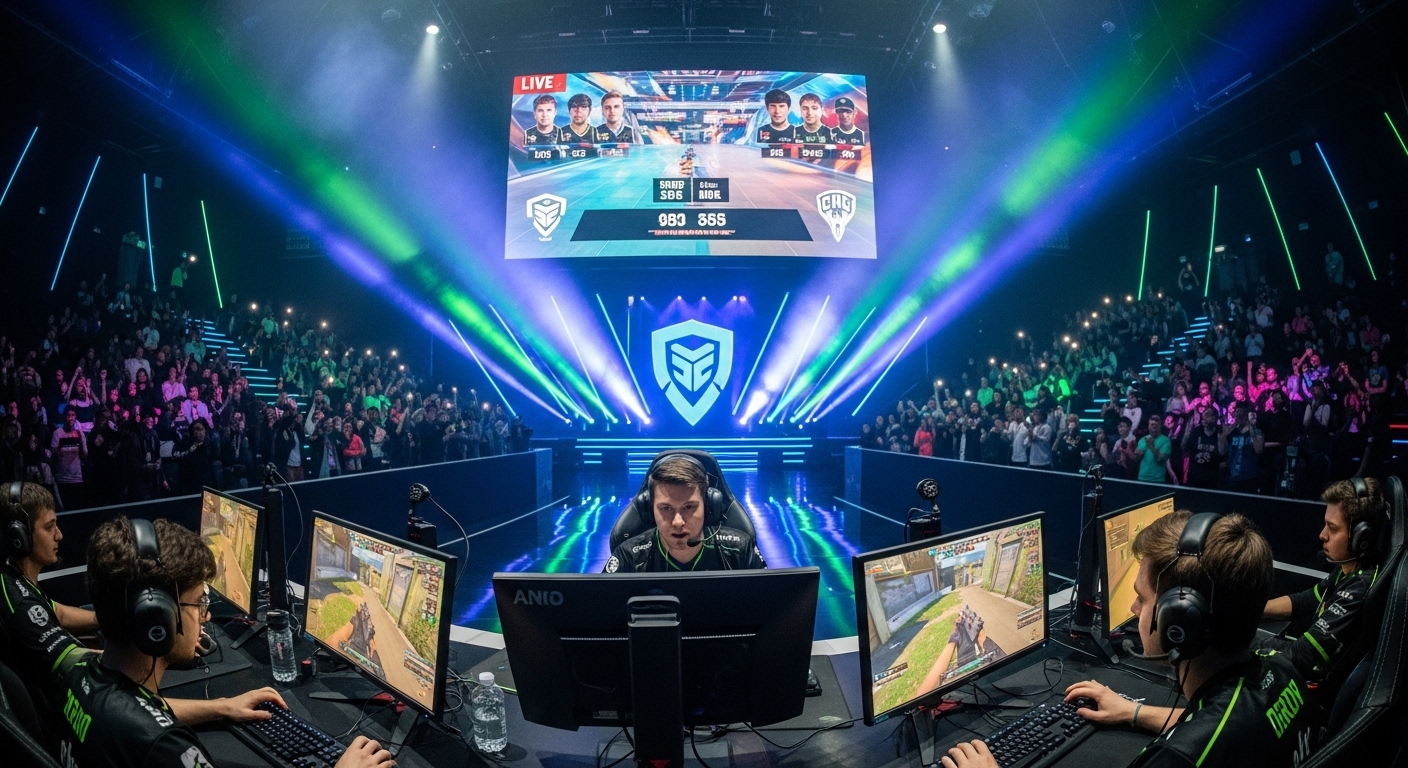
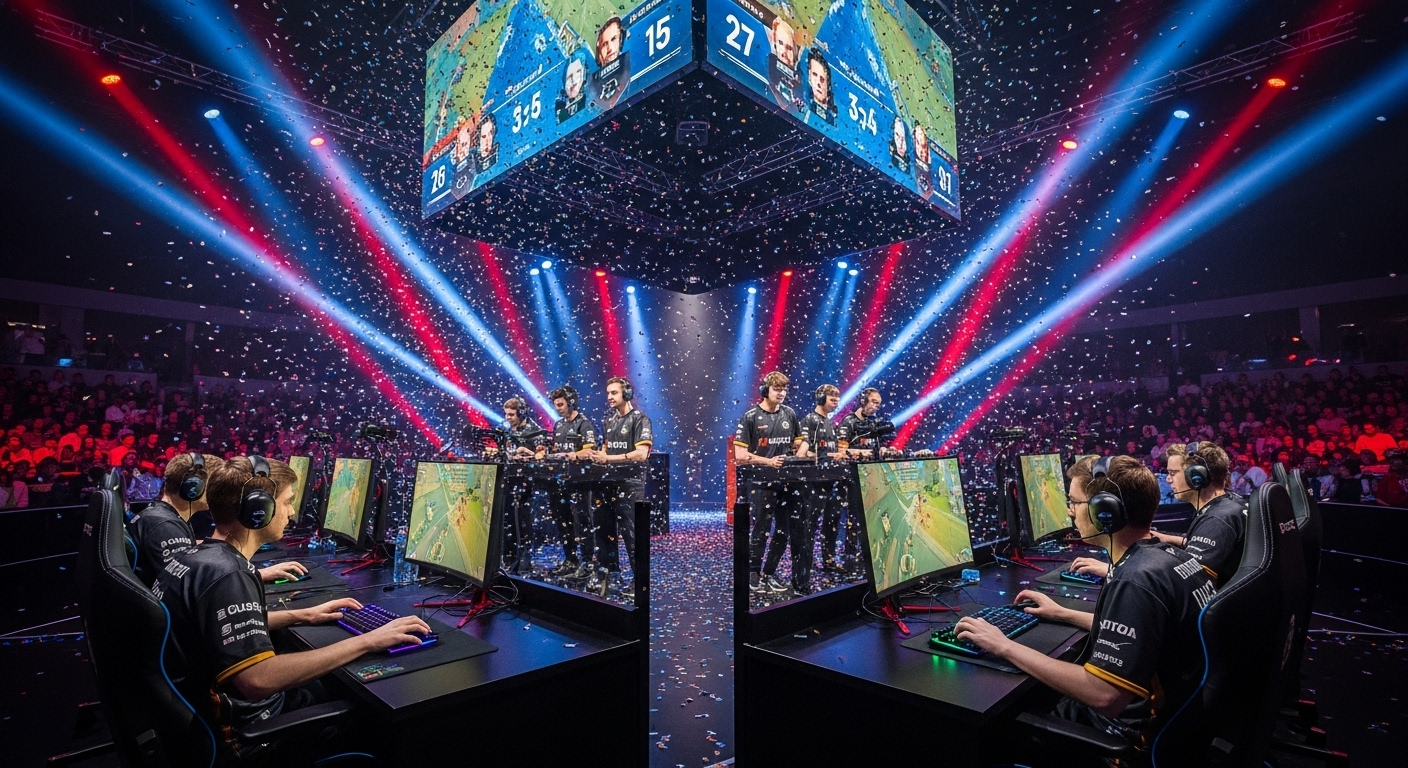
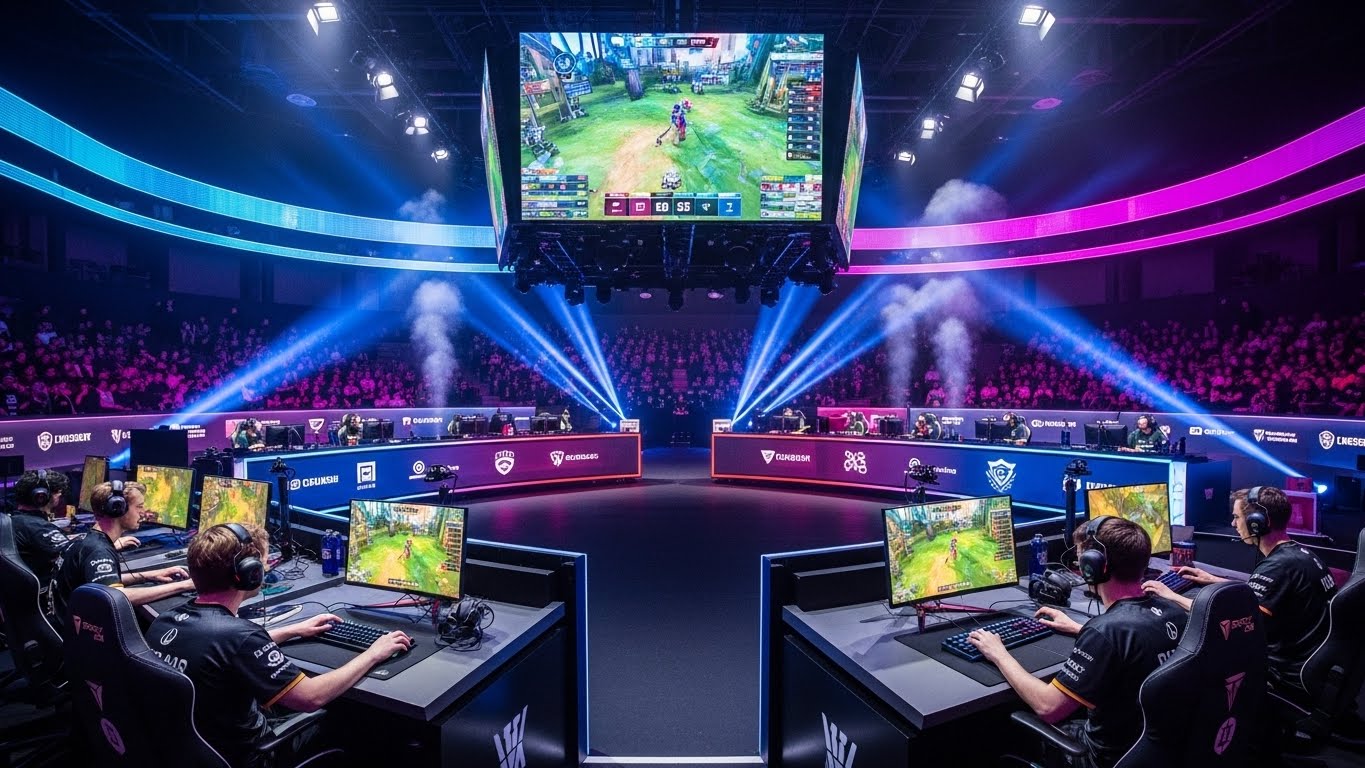
Tournaments are the heartbeat of esports, driving engagement, revenue, and global recognition. Major events are held in arenas filled with cheering fans, massive LED screens, and live commentary, creating an electric atmosphere similar to traditional sports finals. Tournaments like The International, League of Legends World Championship, and EVO have multi-million-dollar prize pools, attracting players and audiences from around the globe.
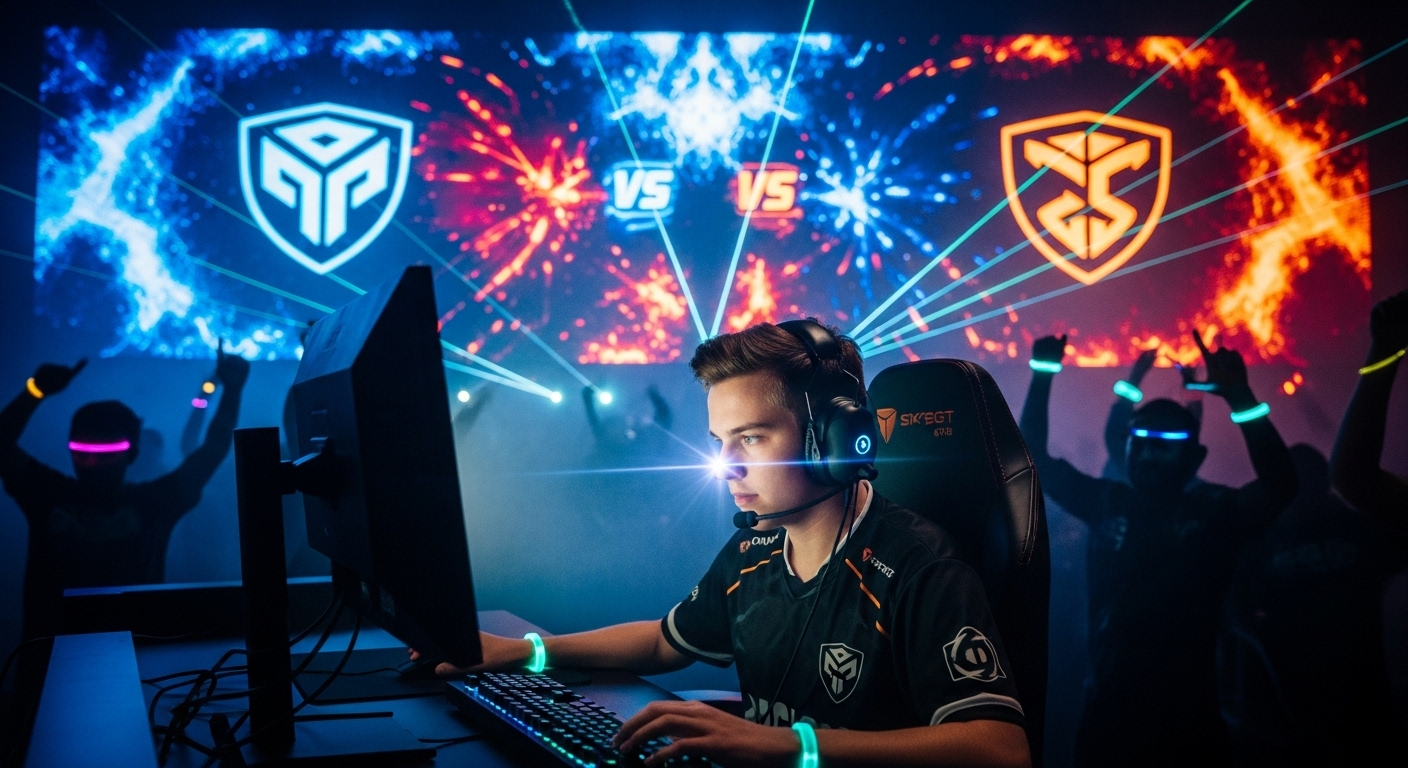
These competitions also allow teams to showcase their skills, innovate strategies, and build fan loyalty. The spectacle of watching a coordinated team execute flawless strategies or witnessing a player’s clutch performance adds drama and excitement that keeps fans coming back.
Streaming and Esports Culture
Streaming platforms have transformed esports into a cultural phenomenon. Fans can watch live gameplay, learn strategies, and interact with their favorite players in real time. Streamers often cultivate large communities around their personalities, commentary, and gameplay. Many professional players started as streamers, using their platforms to gain visibility before joining top-tier teams.
Streaming has democratized esports entertainment. Anyone with talent and charisma can build a following, while fans gain unprecedented access to the gaming world. Beyond gameplay, streaming provides entertainment, education, and a sense of connection, making it a central pillar of esports culture.
Esports as a Global Industry
Esports is now a multi-billion-dollar industry with revenue streams from sponsorships, advertising, media rights, merchandise, and ticket sales. Global brands across technology, energy drinks, automotive, and apparel sectors invest heavily in teams and events. Prize pools for major tournaments reach millions of dollars, further solidifying esports as a serious career option. Universities offer esports scholarships, creating pathways for talented players to enter the professional scene while receiving education and support.
The economic growth of esports also impacts technology, marketing, and media sectors. Events require advanced broadcasting, state-of-the-art gaming equipment, and high-speed internet infrastructure, driving innovation in multiple industries simultaneously.
Social and Cultural Impact of Esports
Esports influences youth culture and social behavior in meaningful ways. Gaming serves as a social connector, allowing people from different countries, languages, and backgrounds to collaborate and compete. Players develop skills such as teamwork, communication, strategic thinking, and resilience. Schools and community centers establish esports clubs to foster leadership and engagement, providing a structured environment for students to learn and grow.
Esports also challenges traditional stereotypes about gamers. It showcases gaming as a legitimate career, a platform for creative expression, and a space for innovation and entrepreneurship. It inspires youth to explore technology, content creation, and professional sports, expanding opportunities beyond conventional paths.
Challenges Facing Esports
Despite its success, esports faces significant challenges. Player burnout is common due to intense training schedules and high-pressure competition. Career longevity is limited, and many players retire at a young age, necessitating proper planning and support for life after competitive gaming.
Maintaining fairness and integrity is another concern. Cheating, match-fixing, and online harassment can harm the industry’s reputation. Organizers, developers, and governing bodies must implement regulations to ensure a safe and transparent competitive environment. Additionally, standardization across contracts, labor rights, and team operations remains a work in progress, requiring industry-wide cooperation.
The Future of Esports
The future of esports is full of possibilities. Technological innovations such as virtual reality, augmented reality, and artificial intelligence may redefine how players and fans experience competition. Virtual arenas could allow fully immersive experiences, while AI could enhance training, matchmaking, and game design.
Global expansion is another significant trend. Emerging markets in Africa, South America, and Southeast Asia are rapidly growing in both player base and audience size. Esports may eventually integrate further into mainstream sports events and educational programs, continuing to bridge the gap between digital and physical culture.
Conclusion: Esports as a Cultural Revolution
Esports represents more than competitive gaming; it is a cultural revolution that merges entertainment, technology, and human ambition. It connects people worldwide, inspires young talent, and drives innovation across multiple industries. From humble beginnings in arcades to stadium-filling events, esports has reshaped the definition of competition and entertainment.
As it continues to evolve, esports will influence not just how we play games, but how we work, learn, and connect in a digital world. Its rise signifies a shift in global culture, proving that passion, skill, and community can redefine entire industries. The story of esports is far from over—it is a revolution still in progress.