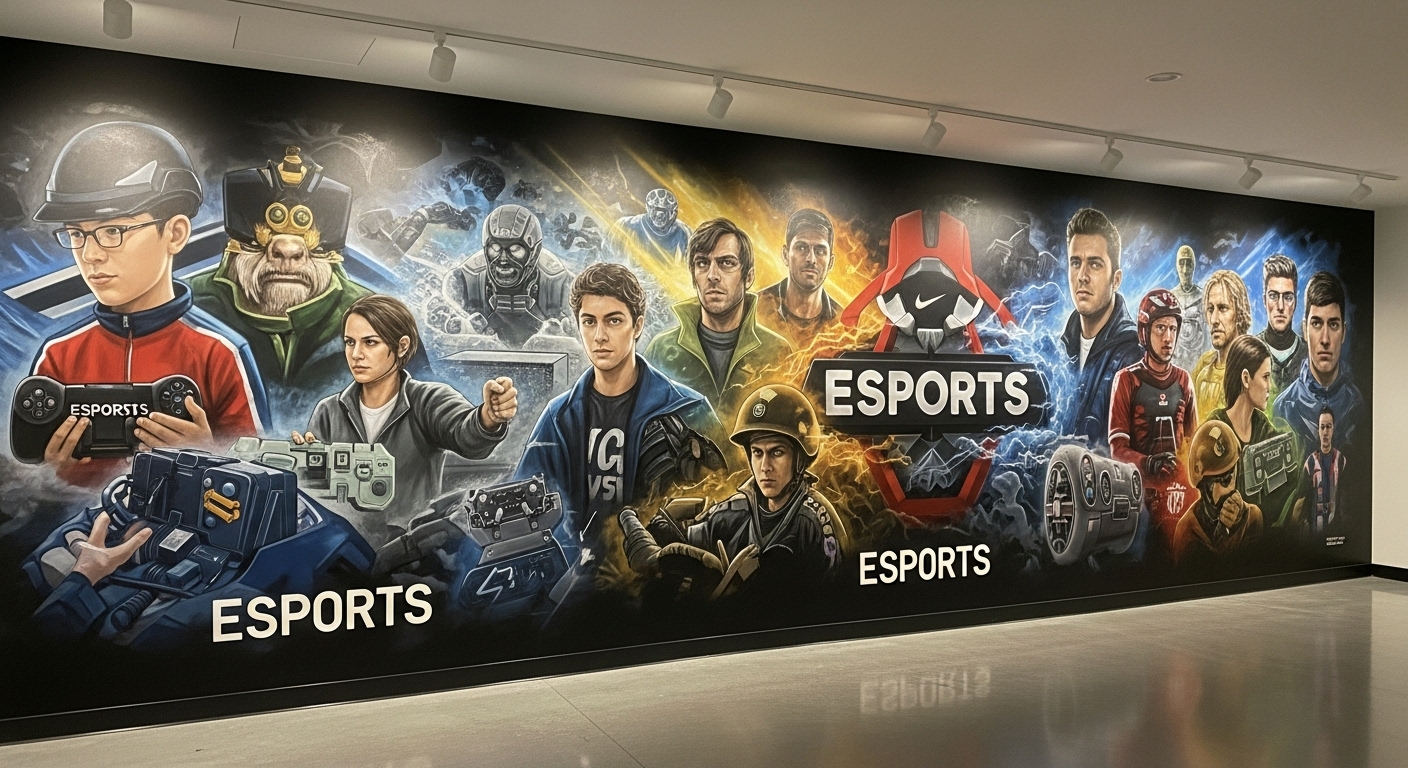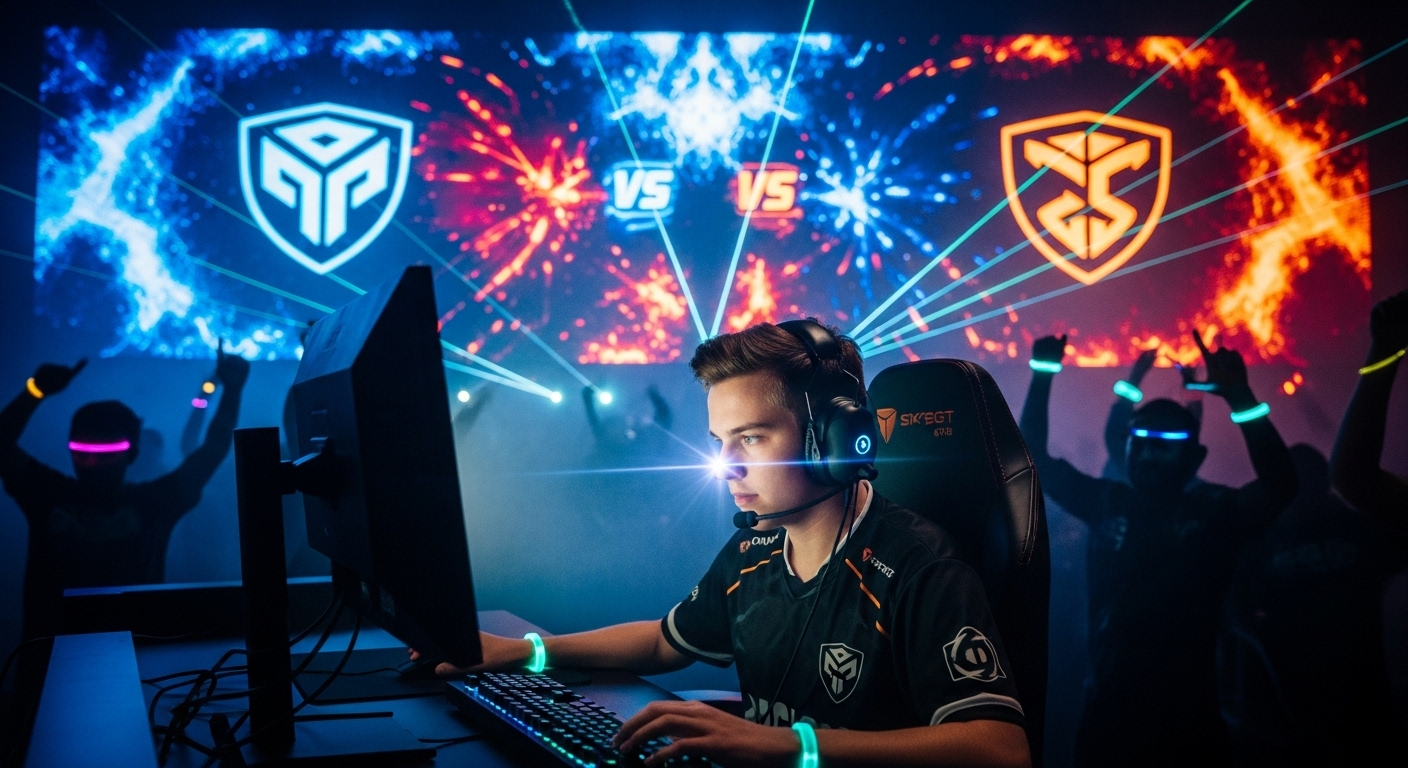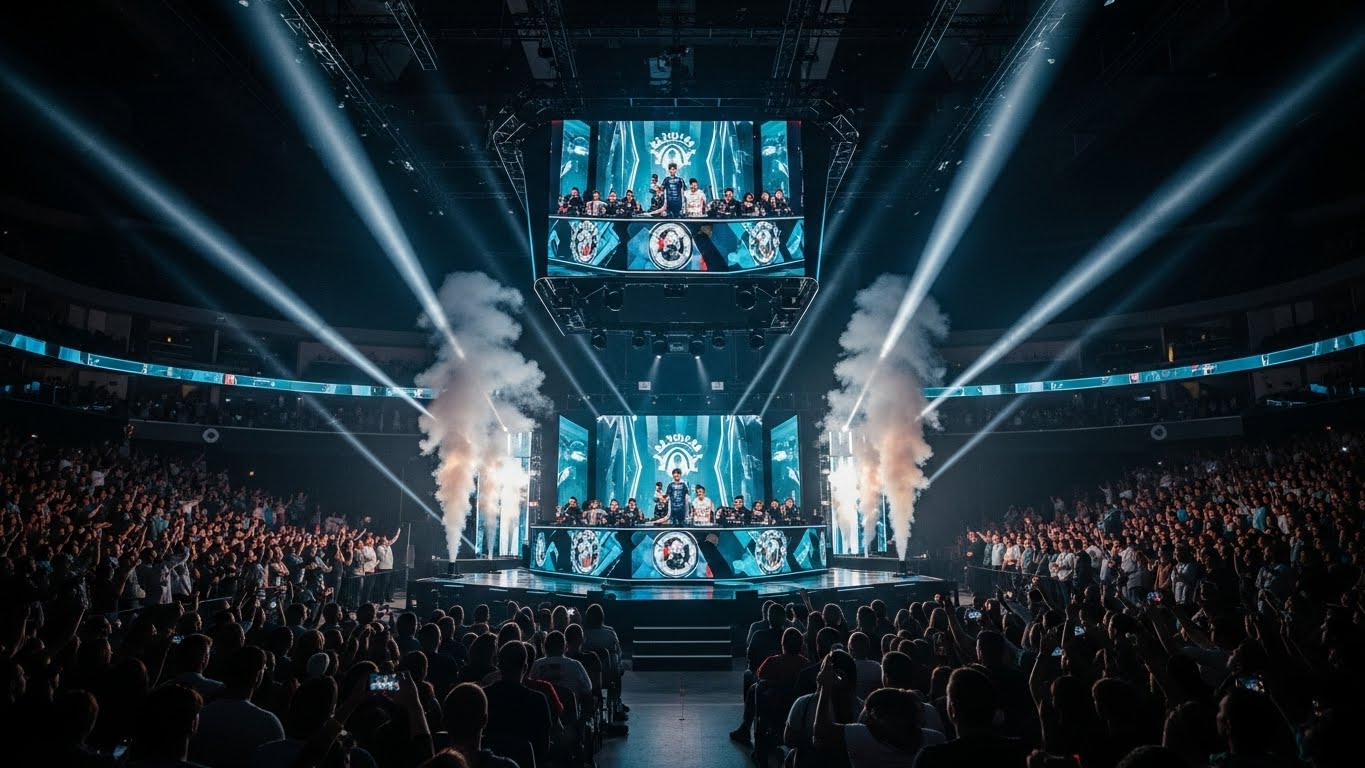
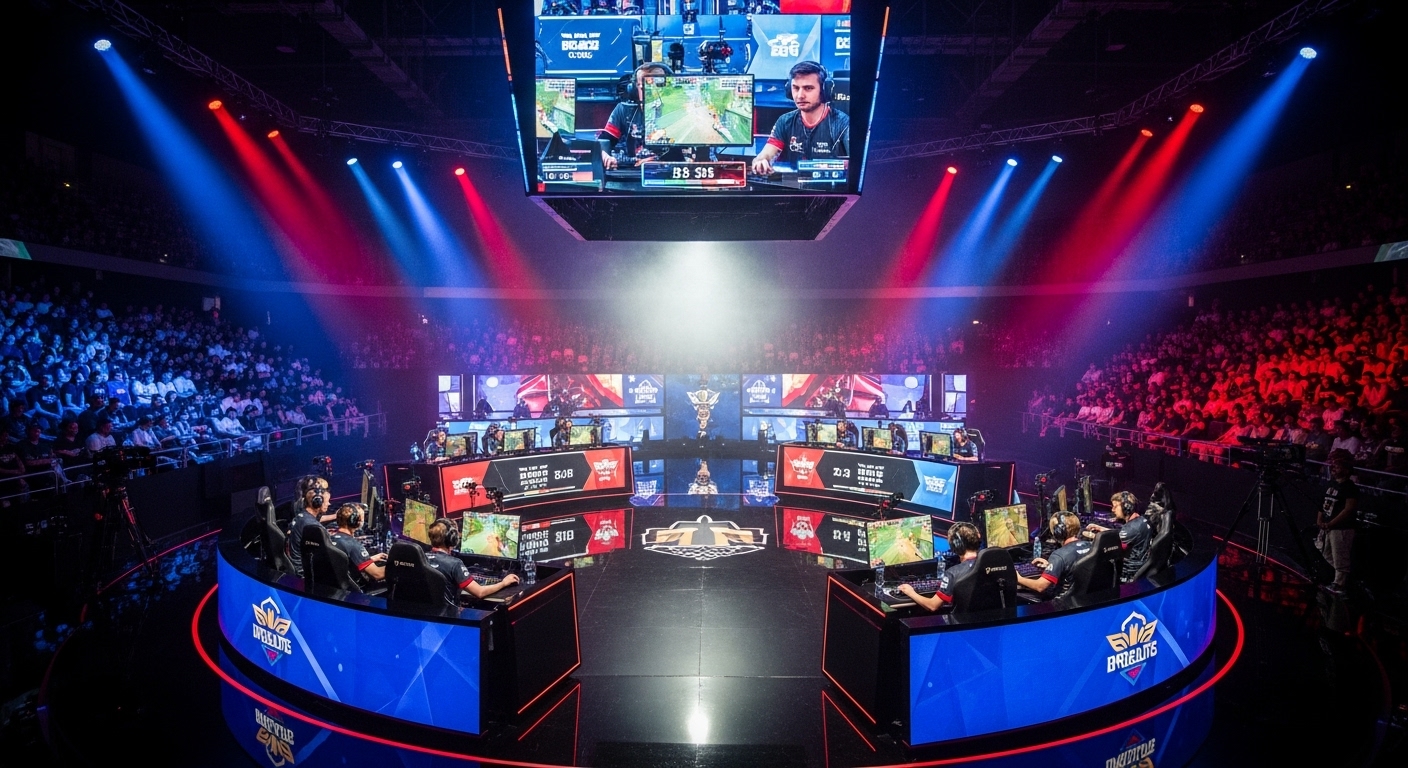
eSports has grown rapidly over the last decade, evolving from casual video gaming into a global competitive phenomenon. It is no longer just entertainment—it is a platform where strategy, skill, teamwork, and technology intersect. Millions of players compete professionally, while fans from around the world follow tournaments and leagues with as much passion as traditional sports.
The Evolution of eSports
eSports began as small, local gaming competitions, often played among friends or in small communities. With the advancement of technology and the rise of high-speed internet, these competitions transformed into professional tournaments with international audiences. Today, eSports features organized leagues, global championships, and teams that rival traditional sports organizations in professionalism and preparation.
Professional Gaming: A Career Path
Becoming a professional eSports player requires dedication and discipline. Players train daily to refine their skills, develop strategies, and improve teamwork. Careers in eSports extend beyond playing—roles in content creation, coaching, event management, and game development are all thriving. This professionalization has made gaming a viable career option for millions of enthusiasts worldwide.
Connecting Communities Globally
eSports is more than competition; it’s about community. Online multiplayer platforms allow players from across the globe to connect, compete, and collaborate. Fans engage through live streams, tournaments, and social interactions, creating communities that unite people from different cultures and backgrounds. This sense of global connection adds a unique social dimension to eSports.
Technology Behind the Game
Technology is the foundation of eSports. High-performance gaming hardware, advanced software, and reliable internet are crucial for competitive play. Live streaming platforms allow millions of fans to watch games in real time. Emerging technologies like virtual reality and augmented reality are pushing the boundaries of what eSports can offer, making the experience more immersive than ever before.
Skills and Benefits from eSports
Participating in eSports helps develop critical skills. Players enhance their strategic thinking, reflexes, teamwork, and decision-making abilities. Educational institutions recognize eSports as a platform that builds discipline, leadership, and collaboration. Beyond entertainment, gaming provides cognitive and social benefits that translate into real-world skills.
The Future of eSports
The future of eSports is filled with innovation and growth. Artificial intelligence, cloud gaming, and immersive technologies will make competitions more interactive and accessible. As the industry continues to expand, more players, fans, and professionals will join this digital arena, solidifying eSports as a major force in global entertainment.
Conclusion: eSports as a Modern Phenomenon
eSports has redefined what it means to compete in the modern era. It blends technology, strategy, entertainment, and community into a unique and dynamic experience. As the industry grows, eSports continues to inspire players, unite fans, and push the boundaries of digital competition, proving that gaming is more than just a pastime—it is a global movement.