Introduction
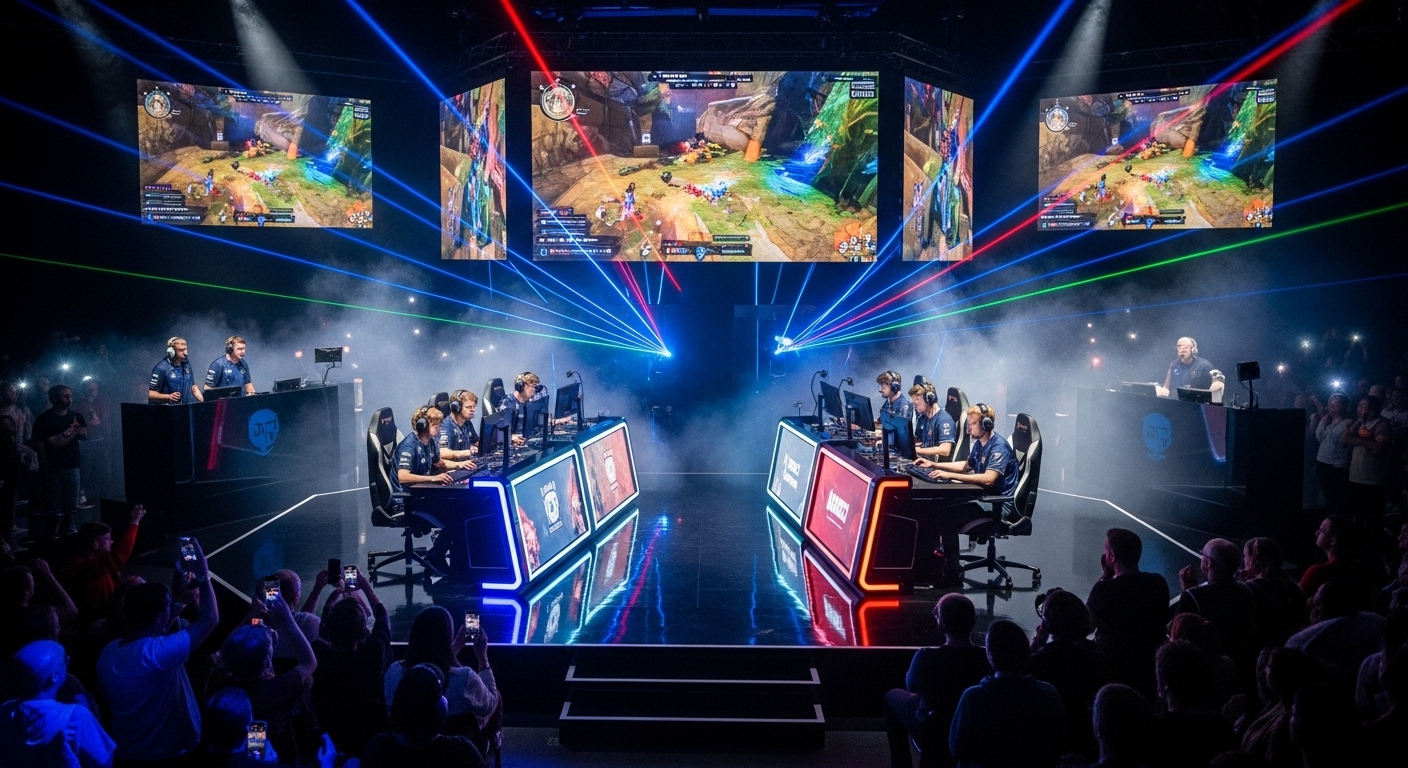
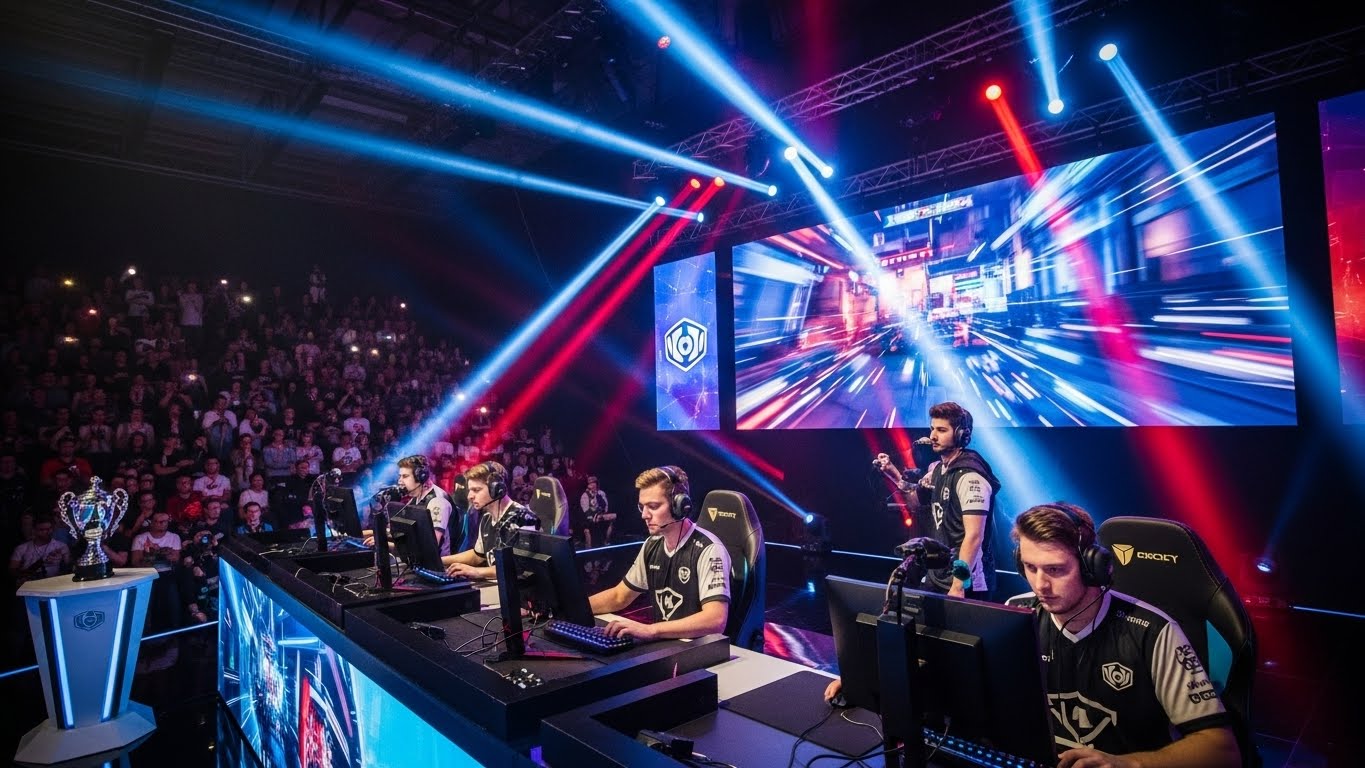
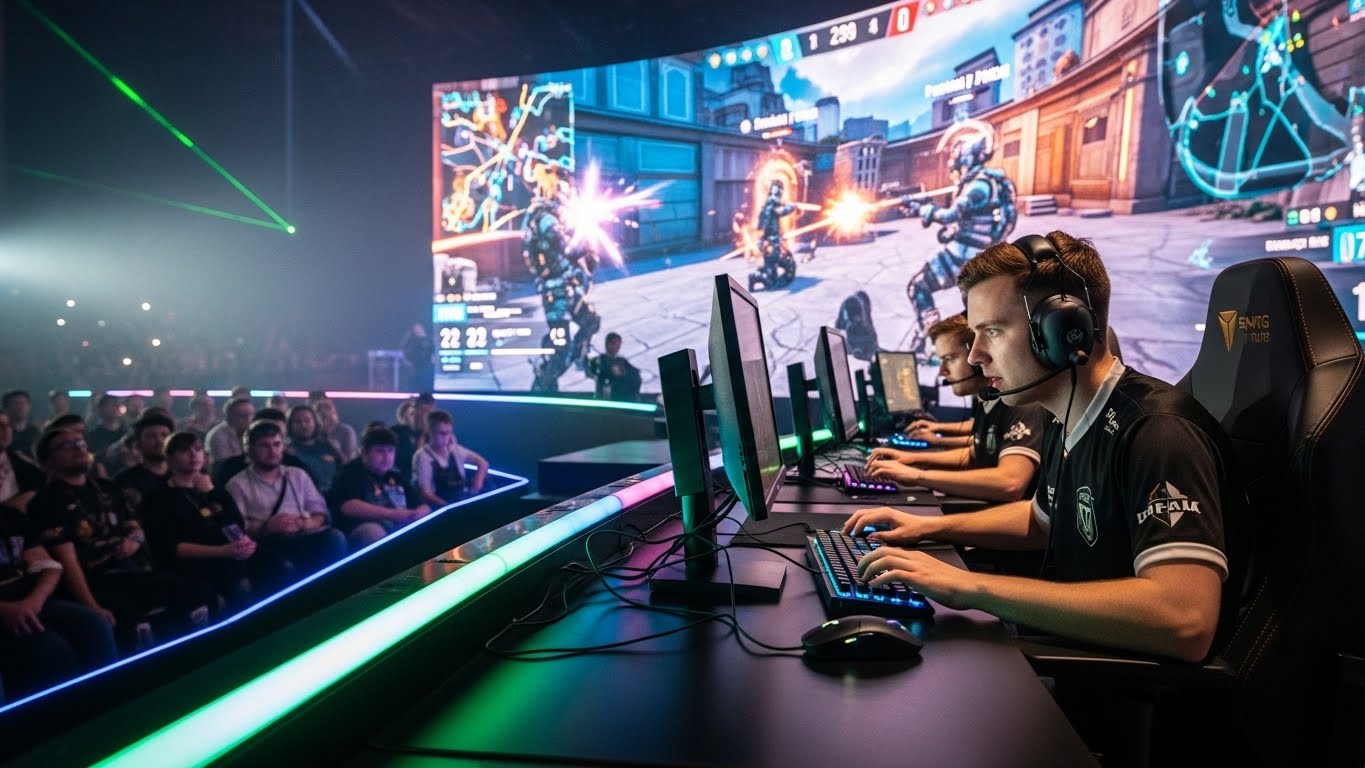
In recent years, the world of sports has experienced a dramatic shift, as traditional athletic events have seen a surge in popularity and competition from a new breed of athletes. Welcome to the world of esports, a digital universe where virtual warriors battle it out in highly strategic games, attracting millions of viewers, sponsorships, and even career opportunities. Esports, short for electronic sports, has rapidly become a major cultural and financial force, with an ever-growing global audience that rivals traditional sports.
In this blog post, we’ll explore the rise of esports, its impact on the gaming industry, how it compares to traditional sports, and the many challenges and opportunities it presents for players, investors, and fans alike.
The Origins of Esports: From Hobby to Global Phenomenon
Esports has its roots in the early days of video games, which began in arcades in the 1970s and 1980s. Games like Space Invaders and Pac-Man were some of the first to attract competitive players who sought to achieve the highest scores. While these early games laid the groundwork for competitive play, the concept of esports as we know it today truly began to take form in the 1990s.
As internet connectivity improved, players were able to compete against one another online, and games such as Warcraft, StarCraft, and Quake started to push the boundaries of what was possible in competitive play. In the late 1990s and early 2000s, the first major tournaments emerged, giving birth to a professional scene that would grow exponentially. The creation of platforms like Twitch and YouTube, where fans could watch live tournaments, further accelerated the rise of esports, making it accessible to a much broader audience.
By the 2010s, esports was no longer a niche interest but a multi-billion-dollar industry. With tournaments held in massive arenas and prize pools reaching tens of millions of dollars, it’s clear that esports has transitioned from a hobby to a legitimate sport, with its own professional leagues, players, and fanbases.
The Esports Landscape: Games, Teams, and Tournaments
Esports is diverse, encompassing a wide range of games, each with its own style, strategy, and player base. Some of the most popular games in the competitive scene include first-person shooters (FPS), multiplayer online battle arenas (MOBA), real-time strategy (RTS), and battle royale games. Each genre offers a unique set of challenges for players and fans.
First-Person Shooters (FPS)
FPS games, such as Counter-Strike: Global Offensive (CS:GO) and Overwatch, are fast-paced and require quick reflexes and precise aim. These games often emphasize team-based play, with players working together to strategize and secure objectives. The adrenaline-pumping nature of FPS games has made them a favorite among both players and viewers alike.
Multiplayer Online Battle Arenas (MOBA)
Games like League of Legends and Dota 2 belong to the MOBA genre, where teams of five players each control a unique character with distinct abilities. The goal is to destroy the opposing team’s base while defending your own. MOBAs require high levels of teamwork, strategy, and individual skill. League of Legends, for example, hosts one of the largest esports tournaments in the world, with millions in prize money and global viewership.
Real-Time Strategy (RTS)
In RTS games like StarCraft II, players build their empires and armies in real-time, competing for control of resources and strategic positions. These games are more about resource management and tactical decision-making than action-packed combat, though they are no less intense. The precise control needed in RTS titles has led to dedicated fan bases and major international tournaments.
Battle Royale Games
The rise of games like Fortnite and PUBG has popularized the battle royale genre, where players drop into a vast map and fight to be the last person (or team) standing. The unpredictable nature of these games, combined with their engaging action and strategy, has made them a hit among both casual gamers and esports professionals. With massive tournaments and huge prize pools, battle royale games have become a staple in the esports world.
Tournaments and Leagues
Esports has established a wide array of tournaments and leagues, with many of them offering substantial prize pools. The League of Legends World Championship is one of the most prestigious events in the industry, while The International for Dota 2 consistently offers one of the largest prize pools in esports. Other notable tournaments include The Overwatch League, CS:GO Majors, and Fortnite World Cup. These tournaments not only attract top-level talent but also provide a platform for fans to engage with the games they love.
The Rise of the Esports Athlete: A New Breed of Professional
The path to becoming a professional esports athlete may look different than that of a traditional sports player, but it requires just as much dedication, skill, and perseverance. Esports players, often in their late teens or early twenties, must practice for hours each day, refine their in-game strategies, and maintain peak mental and physical health. The life of a professional gamer is intense, with rigorous schedules that leave little room for anything outside of practice and competition.
Esports players also have to adjust to an ever-evolving landscape. Games are frequently updated with new patches, changes in mechanics, or the introduction of new characters or maps. This constant change requires players to remain flexible and adapt their strategies on the fly.
Team Dynamics and Coaching
Just like traditional sports teams, esports players typically operate in a team environment. Successful esports teams often have coaches, analysts, and support staff who help refine strategies, scout opponents, and monitor players’ performance. Teamwork is crucial, as the best players are often those who can synergize with their teammates and execute complex strategies under pressure.
The Esports Economy: Sponsorships, Streaming, and Merchandising
Esports has become a massive industry, with revenues coming from a variety of sources. One of the largest contributors to the esports economy is sponsorship. Big brands such as Intel, Coca-Cola, and Nike are investing heavily in esports, seeing it as an effective way to reach younger, tech-savvy audiences. Teams and individual players also benefit from sponsorships, which help cover the costs of equipment, travel, and salaries.
Streaming and Content Creation
Platforms like Twitch and YouTube have revolutionized how fans engage with esports. These platforms allow viewers to watch live streams of their favorite players and teams, interact with commentators, and participate in online communities. Streaming has also provided a platform for players to build their personal brands and generate income through donations, subscriptions, and advertisements.
Content creation in the form of vlogs, guides, and gameplay videos has become another way for players and influencers to earn revenue. Popular streamers like Ninja, Shroud, and Pokimane have turned their gaming careers into multi-million-dollar empires, demonstrating that esports is more than just about playing games—it’s about creating content, building a personal brand, and connecting with audiences.
Merchandising
Merchandising has become a significant revenue stream for esports teams and players. Jerseys, hats, accessories, and other fan gear are sold at tournaments and online. Fans love to support their favorite teams and players by wearing the same merchandise, and these sales contribute to the financial success of esports organizations.
Esports and Its Impact on Traditional Sports
Esports is not just competing with traditional sports for viewers; it is creating new opportunities for fans and players alike. The global appeal of esports means that people from all over the world can tune into a tournament, regardless of geographical location. This globalized approach to competition has made esports accessible to a far broader audience than traditional sports.
Moreover, esports has inspired a new form of fan culture. Just as fans of traditional sports celebrate their favorite teams, esports fans create their own communities, participate in forums, and follow players across multiple platforms. These communities are vibrant, highly engaged, and eager to support the growth of the esports ecosystem.
Challenges and the Road Ahead for Esports
While esports is undoubtedly on an upward trajectory, there are several challenges it faces as it continues to grow. One major concern is player burnout. Professional gaming can be mentally and physically taxing, leading many top players to retire earlier than athletes in traditional sports. Esports organizations are beginning to recognize this and are taking steps to improve player wellness, including offering psychological support and encouraging a more balanced lifestyle.
Another challenge is the sustainability of the industry. While esports revenue is impressive, not all teams and players are financially stable. With some players earning millions, others struggle to make a living wage. The disparity in earnings highlights the need for more investment in grassroots programs and equitable revenue distribution.
Finally, regulation and governance in esports is still a work in progress. Unlike traditional sports, where governing bodies provide structure and oversight, esports lacks a unified system. This absence of regulation can lead to issues such as cheating, match-fixing, and player exploitation. As the industry matures, establishing a central governing authority will be crucial to ensuring fair play and transparency.
Conclusion
Esports is no longer just a subculture; it has become a global phenomenon with the power to influence culture, entertainment, and the economy. As the industry continues to grow, it presents exciting opportunities for players, fans, brands, and investors alike. From professional athletes to streaming celebrities, esports has created a new world of competition and excitement. While challenges remain, the future of esports looks brighter than ever, and it’s clear that this digital form of entertainment is here to stay.