Introduction: The Rise of a Digital Phenomenon
Esports, or competitive gaming, has transformed from a niche hobby into a global entertainment powerhouse. What began as informal competitions among friends and small communities has now become an organized industry attracting millions of viewers worldwide. With professional teams, international tournaments, massive prize pools, and live-streamed events, esports has emerged as a cultural phenomenon that rivals traditional sports. This blog explores the journey of esports, its impact on players and audiences, and the factors behind its rapid growth in the digital era.
The Origins of Esports: From Arcades to Online Arenas
The history of competitive gaming stretches back several decades. In the 1970s and 1980s, arcade competitions marked the first organized gaming contests, where players competed for high scores in games like Space Invaders and Pac-Man. These early tournaments set the foundation for organized competition, even though participation was limited to local communities.
The real transformation began in the late 1990s with the rise of online multiplayer games. Titles such as StarCraft, Counter-Strike, and Warcraft III allowed players to compete with others across the globe, breaking geographical boundaries and creating international communities. These games emphasized strategy, coordination, and skill, laying the groundwork for modern esports. Online connectivity not only enabled competition but also fostered fan communities that would become central to the growth of esports.
Professional Teams and the Athlete Mindset
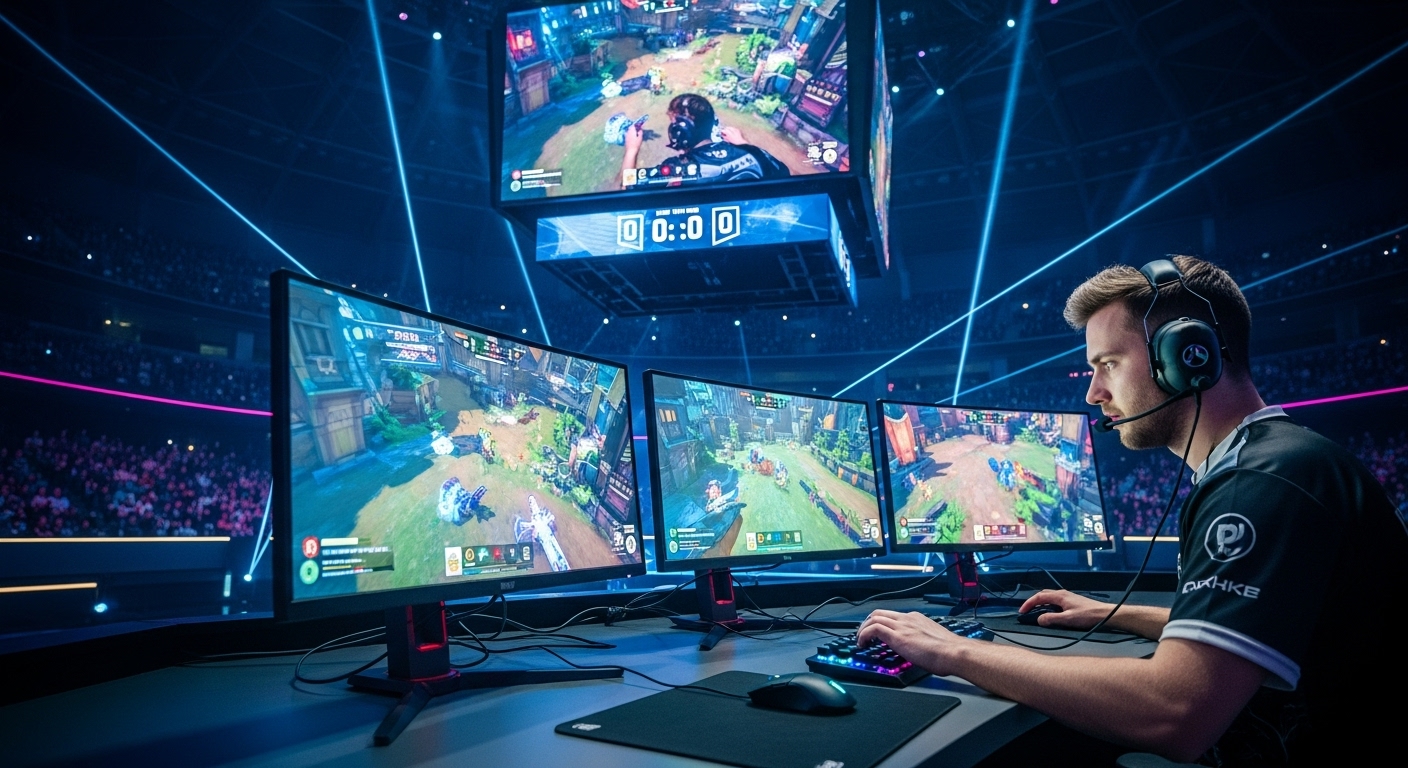
As esports gained popularity, the concept of professional teams emerged. Today, esports athletes train just like traditional sports players. Teams have managers, coaches, analysts, and support staff to ensure players perform at their best. Training involves hours of practice, strategy sessions, teamwork exercises, and even physical fitness routines to maintain mental sharpness and reflexes.
Unlike casual gaming, professional esports demands discipline, focus, and resilience. Players must handle intense pressure during high-stakes tournaments and adapt quickly to changing scenarios. The rise of professional teams also created opportunities for sponsorships, merchandise sales, and international recognition, turning gaming into a legitimate career for talented individuals worldwide.
The Role of Streaming Platforms in Esports Growth
One of the most significant factors in the rise of esports is the availability of streaming platforms. Unlike traditional sports, which rely on television networks, esports leveraged live-streaming to reach global audiences instantly. Fans can watch matches, interact with players, and participate in live chat discussions, creating a sense of community and engagement.
Streaming platforms also allowed players to build personal brands. Popular streamers share gameplay tutorials, behind-the-scenes insights, and personal stories, forging strong connections with their audiences. This level of engagement has helped esports become a mainstream form of entertainment, providing fans with continuous content and interaction beyond the tournaments themselves.
The Science of Competitive Gaming
Esports is more than just fast reflexes and good hand-eye coordination. It requires advanced cognitive skills, including memory, multitasking, strategic thinking, and decision-making under pressure. Players analyze game maps, anticipate opponents’ moves, and coordinate with teammates to execute complex strategies in real time.
Professional esports teams now employ sports psychologists and trainers to support player performance. Mental health, stress management, and focus are critical in high-stakes tournaments. Nutrition, exercise, and sleep also play a vital role in maintaining peak performance. This holistic approach demonstrates that esports is a highly disciplined and demanding field, comparable to traditional athletic careers.
Esports in Education: A Growing Academic Focus
Esports has also found a home in educational institutions. Schools and universities worldwide are now offering esports programs, clubs, and even scholarships. These programs encourage students to develop skills such as leadership, teamwork, communication, and strategic thinking.
Participating in esports teaches valuable lessons about discipline, time management, and goal-setting. Students learn to balance academics with competitive gaming, gaining practical skills that extend beyond the virtual arena. Universities are also recognizing esports as a potential career pathway, offering degrees and courses in esports management, game design, marketing, and broadcasting.
Global Tournaments: The New Frontier of Spectator Sports
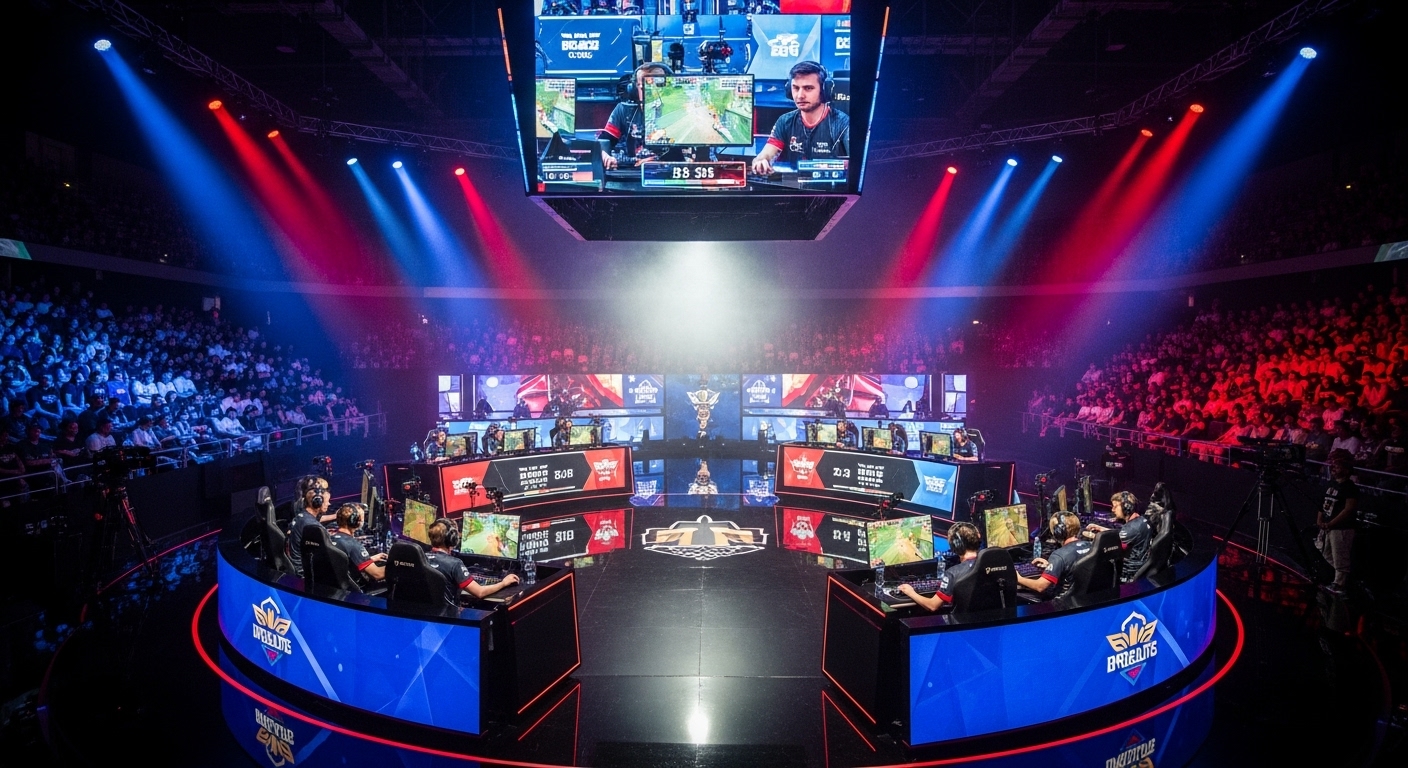
Esports tournaments have evolved into massive global events with millions of viewers both online and in stadiums. International competitions bring together the best teams from around the world, competing for fame, honor, and substantial prize money.
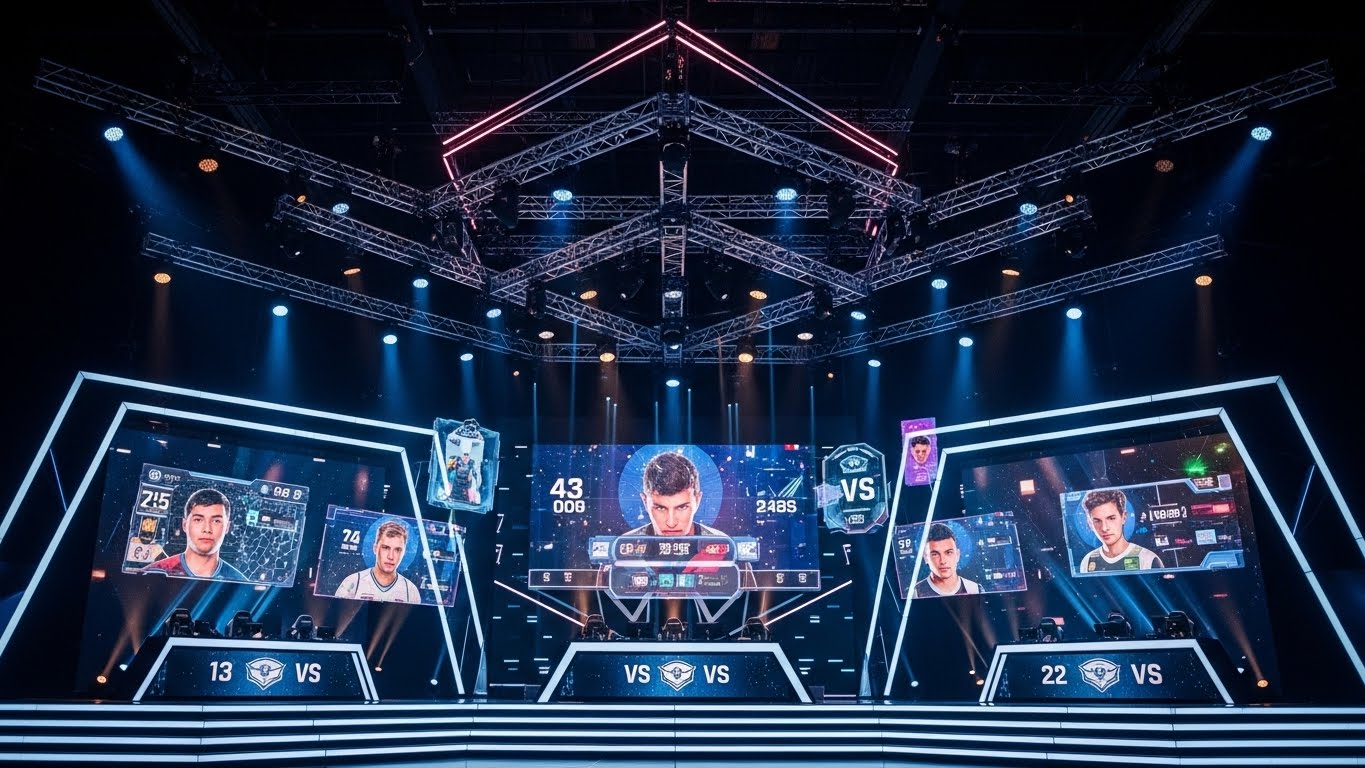
These events go beyond competition—they are cultural celebrations. Spectators enjoy elaborate stage setups, live commentary, fan interactions, cosplay, and entertainment shows. The atmosphere rivals traditional sports finals, with fans cheering for their favorite teams and players. Large prize pools demonstrate the commercial potential of esports and highlight the dedication and skill of professional players.
The Economics of Esports
Esports is now a multi-billion-dollar industry, with revenue streams from tournaments, sponsorships, advertising, merchandise, and content creation. Corporations recognize the value of esports as a platform to reach younger, digitally engaged audiences. Sponsorships from hardware companies, software developers, and lifestyle brands have become a primary source of income for teams and players.
Merchandising, including jerseys, collectibles, and digital items, has also grown significantly. Streaming platforms contribute to revenue generation through subscriptions, donations, and ad revenue. The financial growth of esports reflects its increasing legitimacy and long-term sustainability as an entertainment industry.
Challenges Facing the Esports Industry
Despite its success, esports faces several challenges. Player burnout is a significant concern due to long practice hours, extensive travel, and the constant pressure to perform. Teams are now implementing wellness programs, including mental health support, physical training, and scheduled breaks, to prevent exhaustion.
Maintaining fairness and integrity is another challenge. Issues such as cheating, match-fixing, and account hacking require strict regulation and monitoring. Additionally, diversity and inclusivity remain areas for improvement. While esports is accessible, women and minority groups are still underrepresented. Promoting equal opportunities is essential for the sustainable growth of the industry.
The Future of Esports: Innovation and Expansion
The future of esports is full of possibilities. Emerging technologies such as virtual reality, augmented reality, and cloud gaming promise to revolutionize gameplay and audience engagement. Fans may soon experience matches in immersive virtual arenas, offering new perspectives and interactive experiences.
Mobile esports is expanding rapidly, especially in regions where access to high-end gaming systems is limited. Cross-platform compatibility allows players on different devices to compete together, increasing global participation. Esports is also blending with mainstream entertainment, creating hybrid experiences that combine gaming, social interaction, and media consumption.
Esports as a Cultural Movement
Esports is more than a competitive activity; it has become a cultural phenomenon. Communities form around shared interests, fandoms celebrate achievements, and creative expressions such as cosplay, fan art, and live events flourish. The influence of esports extends beyond gaming, shaping social trends, digital culture, and even fashion.
The accessibility of esports makes it a unique cultural force. Unlike traditional sports, which can be limited by physical ability or geography, esports allows anyone with a device and passion to participate. This inclusivity strengthens the global community and ensures that esports will continue to evolve as a diverse and vibrant culture.
Conclusion: More Than a Game
Esports has redefined competition in the modern era, blending skill, strategy, community, and entertainment into a powerful global phenomenon. From humble beginnings in arcades to sold-out stadiums and international broadcasts, esports demonstrates the transformative power of technology and human creativity.
It is not just a game; it is a platform for personal growth, professional careers, and cultural expression. As esports continues to expand and innovate, it will remain at the forefront of digital entertainment, inspiring future generations of players, fans, and creators. The rise of esports proves that passion, dedication, and innovation can turn even the simplest hobby into a worldwide movement.