Introduction
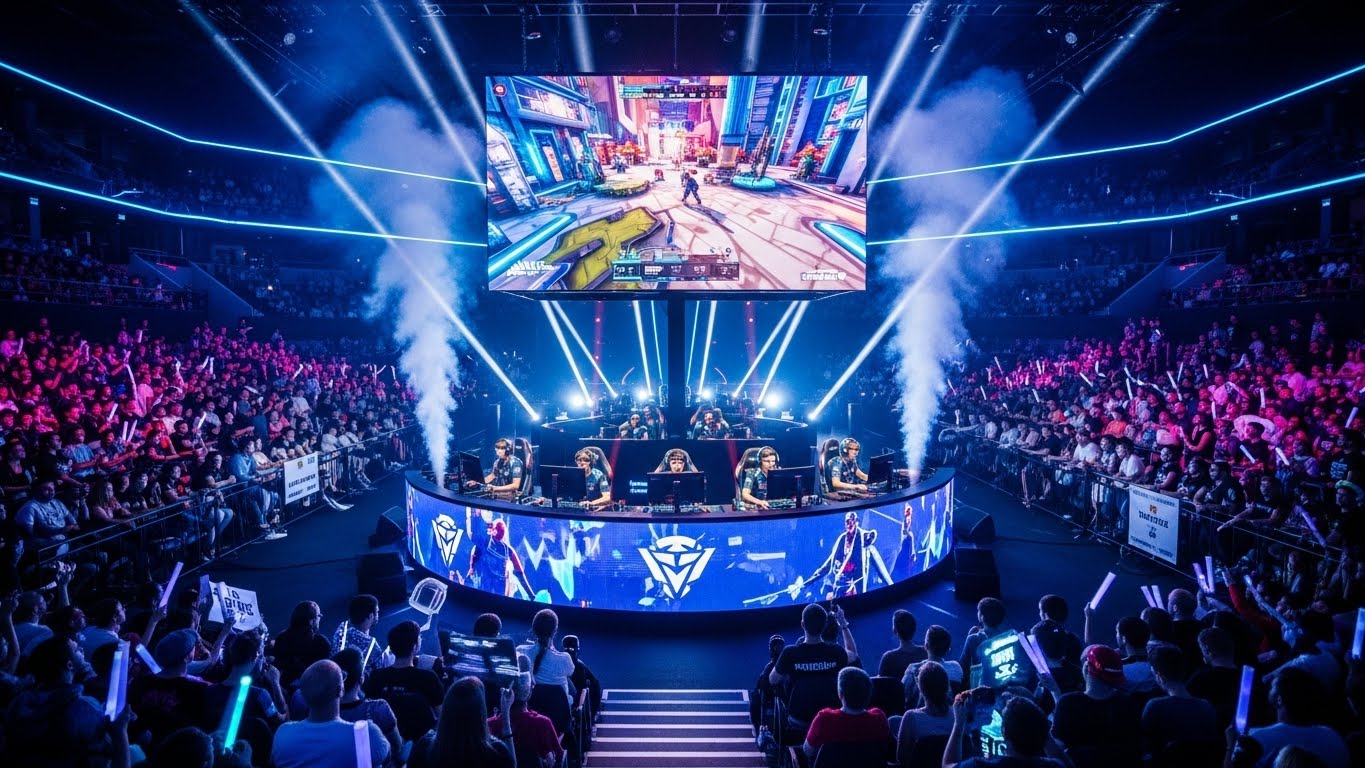
Esports has evolved from a niche hobby into a global phenomenon, attracting millions of players, fans, and investors worldwide. Once seen as a pastime limited to small gatherings in arcades or homes, esports has become a legitimate form of competition, entertainment, and even career opportunity. Today, esports tournaments fill stadiums, professional players earn lucrative salaries, and millions of fans follow live streams with the same passion they reserve for traditional sports. This blog explores the rise of esports, the reasons behind its popularity, its economic and cultural impact, and what the future holds for competitive gaming.
The Origins of Competitive Gaming
The story of esports begins in the early days of video games. In the 1970s and 1980s, players competed in classic arcade games such as Pac-Man and Space Invaders. These early competitions were simple but laid the groundwork for organized gaming events.
With the arrival of home consoles and personal computers, competitive gaming expanded. Titles like Street Fighter, Mortal Kombat, and StarCraft attracted players who enjoyed testing their skills against others. Communities began forming around these games, creating a culture of competition that extended beyond local gaming centers. Small-scale tournaments eventually evolved into more structured competitions, establishing the foundation for modern esports.
The Evolution into Modern Esports
The true transformation of esports occurred in the late 1990s and early 2000s with the rise of online multiplayer games. Games such as Counter-Strike, Warcraft III, and Dota allowed players to compete not just locally but across cities and countries. The internet enabled global connectivity, which turned competitive gaming from a local pastime into a worldwide phenomenon.
Professional teams emerged, sponsorships became commonplace, and tournaments began offering substantial cash prizes. The launch of live streaming platforms further amplified esports’ growth by allowing millions of viewers to watch matches from anywhere in the world. This accessibility helped esports gain mainstream attention and established it as a viable entertainment industry.
Why Esports Captivates Millions
Exceptional Skill and Strategy
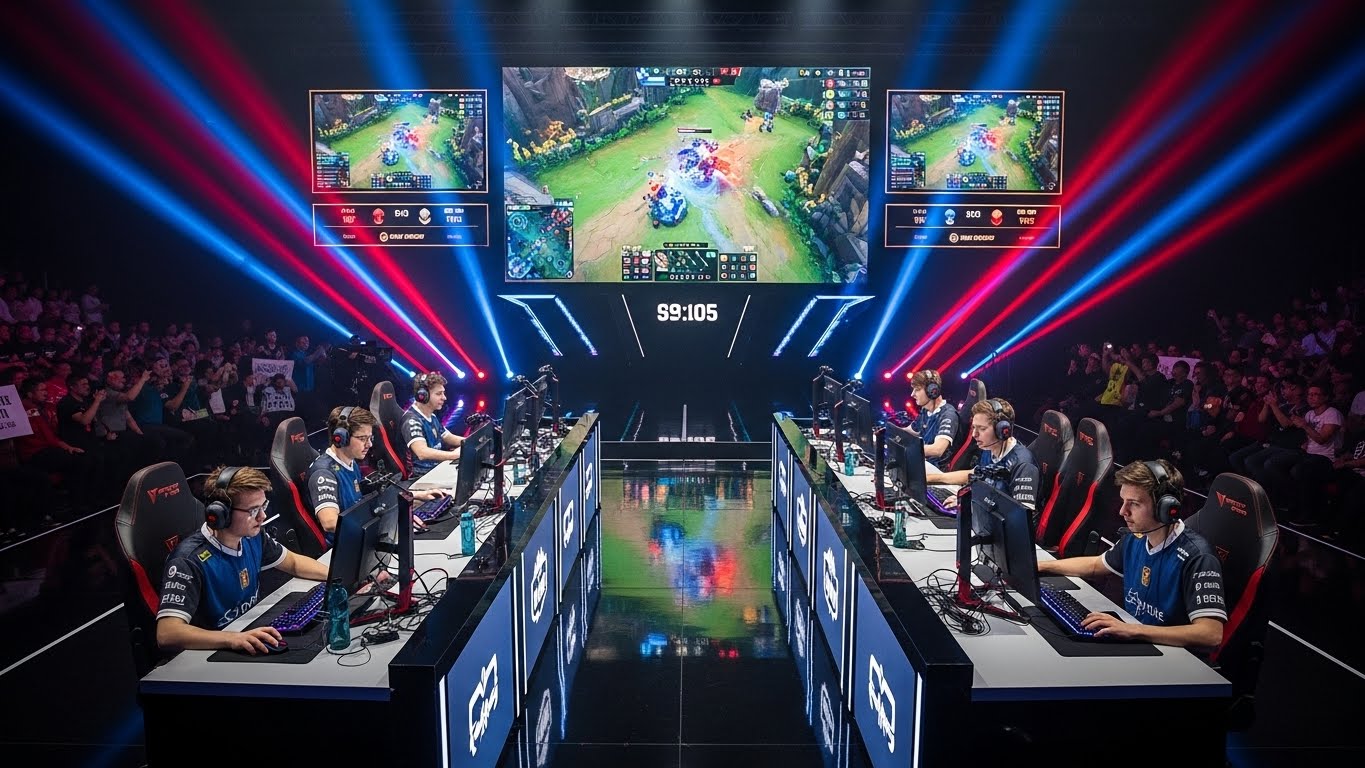
Professional esports players dedicate hours daily to mastering game mechanics, developing strategies, and coordinating with teammates. The level of skill required is comparable to that of traditional athletes, and fans are drawn to the precision, quick reflexes, and critical thinking displayed during competitions.
The Thrill of Competition
Esports tournaments are filled with suspense, rivalries, and unexpected outcomes. Fans follow their favorite teams and players passionately, often forming tight-knit communities. The excitement generated by comebacks, underdog victories, and championship runs keeps audiences engaged and invested in the competitive narrative.
Accessibility and Inclusivity
Unlike many traditional sports, esports does not require physical attributes such as strength, height, or endurance. Anyone with access to a computer or gaming console can participate, making competitive gaming accessible to a broader and more diverse population. This inclusivity has helped esports attract fans and players from all over the world.
Community and Social Connection
Esports communities thrive in digital spaces. Fans interact through live streams, forums, and social media, sharing experiences and supporting one another. The social aspect of esports creates a sense of belonging, connecting people from different countries and backgrounds who share a common passion for gaming.
The Business of Esports
Esports is no longer just about playing games; it has become a multi-billion-dollar industry. Revenue streams include sponsorships, advertising, merchandising, ticket sales, and streaming rights. Professional teams receive funding from sponsors and investors, allowing them to offer players salaries and benefits.
Top esports players also generate income through brand endorsements, content creation, and streaming. Career opportunities in the industry extend beyond playing professionally. Roles in coaching, event management, broadcasting, marketing, and game development have emerged, making esports a comprehensive ecosystem with diverse career paths.
Technology Driving Esports Growth
Technology is at the core of esports’ rise. High-speed internet, advanced gaming hardware, and innovative software platforms have made competitive gaming more accessible and immersive. Games are increasingly designed with esports in mind, including features that enhance both competition and spectator experience.
Emerging technologies such as virtual reality, cloud gaming, and artificial intelligence are set to further transform esports. Virtual reality could introduce new competitive formats, AI can optimize training strategies, and cloud gaming allows access to high-quality experiences without expensive equipment. These innovations ensure esports will continue to evolve dynamically in the coming years.
Educational and Social Benefits of Esports
Esports is gaining recognition for its educational and social advantages. Many schools and universities have introduced esports programs, offering scholarships and structured competition opportunities. Students involved in esports develop teamwork, strategic thinking, communication, and time management skills.
Socially, esports fosters community and collaboration. Players form friendships and networks, engage in shared experiences, and develop a sense of belonging. Far from being isolating, esports often encourages social interaction, leadership, and cooperation among participants.
Challenges Facing the Industry
Player Health and Well-Being
Professional gamers face intense training schedules that can lead to stress, burnout, and physical strain. Issues such as eye fatigue, repetitive strain injuries, and mental health challenges are prevalent. Addressing these concerns is crucial for the long-term sustainability of the industry.
Game Evolution and Competitive Balance
Unlike traditional sports with fixed rules, esports titles frequently undergo updates and modifications. Changes to game mechanics or balance can affect competitive play, requiring teams to adapt quickly. Ensuring fair competition and maintaining consistent rules remain ongoing challenges.
Integrity and Inclusivity
As esports grows, maintaining fair play, preventing cheating, and promoting inclusivity become increasingly important. Ensuring that competitions remain transparent and welcoming is critical for sustaining trust among players and fans.
Cultural Impact of Esports
Esports has become a cultural phenomenon, influencing entertainment, fashion, music, and digital content creation. Professional gamers are not only athletes but also influencers who inspire millions of fans. Esports contributes to shaping online culture and redefining how society views competition and digital interaction.
Moreover, esports challenges traditional stereotypes about gaming. Once perceived as a casual or solitary activity, competitive gaming is now recognized as a legitimate and respected pursuit that combines skill, strategy, and entertainment value.
The Future of Esports
The future of esports is bright and full of potential. As technology advances and audiences expand, esports is poised to reach new levels of mainstream acceptance. Hybrid events combining virtual and physical experiences may become the norm, providing fans with immersive engagement opportunities.
International tournaments will continue to grow in prestige, potentially rivaling major traditional sports events in popularity. Esports is also likely to influence education, skill development, and career opportunities, equipping participants with abilities relevant to the digital economy. With continuous innovation, esports will remain a defining element of modern entertainment and culture.
Conclusion
Esports has come a long way from its humble beginnings in arcades and home computers. Today, it is a thriving global industry that captivates millions, generates substantial economic value, and shapes modern digital culture. It offers competitive excitement, educational opportunities, and a sense of community that transcends geographic boundaries.
As esports continues to evolve, it will remain at the forefront of entertainment, innovation, and social connection. Its rise demonstrates how technology and creativity can redefine traditional ideas of sport and competition. Esports is more than just gaming; it is a transformative cultural movement that continues to reshape the way we play, watch, and connect in the digital age.