Introduction
Esports has rapidly transformed from a niche hobby into a global entertainment industry with millions of viewers. The way these competitions are broadcasted is central to their success. Just like traditional sports rely on television production, camera angles, commentary, and instant replays, esports has developed its own specialized broadcasting technologies to create an engaging experience for audiences.
Behind every livestream of a major tournament like League of Legends Worlds, The International (Dota 2), or CS:GO Majors lies a complex mix of game integration, real-time graphics, cloud streaming, video production, and cutting-edge software. Unlike football or basketball, esports doesn’t happen on a physical field—it takes place inside a video game. This unique setup requires innovations to capture in-game action, translate it for spectators, and deliver it globally in real time.
This blog will break down the technology behind esports broadcasting: from the production studios and observer tools, to the streaming platforms, overlays, VR/AR, and future innovations. By the end, you’ll have a complete picture of how esports broadcasts work, why they’re different from traditional sports, and where the industry is heading.
1. The Evolution of Esports Broadcasting
Early Days: Fan-Created Streams
- In the 2000s, esports events were often streamed through platforms like Justin.tv (later Twitch).
- Commentary was basic, often provided by passionate fans or players.
- Technical limitations—low resolution, lag, unstable streams—restricted viewer experience.
Rise of Professional Production
- With the boom of StarCraft II and League of Legends around 2010–2012, publishers invested heavily in professional broadcasting.
- Dedicated production crews introduced multiple camera angles, professional casters, replays, and branded overlays.
- Twitch, YouTube Gaming, and later Facebook Gaming became the main streaming hubs.
Mainstream Recognition
- By the late 2010s, major events started rivaling traditional sports in viewership numbers.
- Broadcasting became multi-lingual, multi-platform, and integrated with advertising and sponsorships.
- Esports production companies like ESL, DreamHack, and Riot Games’ own studios pushed innovation.
2. Core Components of Esports Broadcasting Technology
Broadcasting an esports tournament is not simply screen-sharing a game. It involves dozens of elements working in harmony. Let’s break them down.
2.1 Observer Tools
- Unlike sports where cameras capture live players, esports needs “observers” who navigate the in-game camera.
- Observers are trained to follow the most important action, switching between player perspectives, wide views, and replays.
- Example: CS:GO has spectator tools that allow free-flying cameras, X-ray vision (showing player positions through walls), and instant replay features.
2.2 Game Integration & APIs
- Broadcasters integrate with game APIs to pull real-time stats: kills, gold earned, win probability, cooldown timers.
- This data powers the on-screen overlays, similar to scoreboards in traditional sports.
- Riot Games has a custom-built system for League of Legends that synchronizes in-game events with broadcast graphics.
2.3 Video Production Hardware
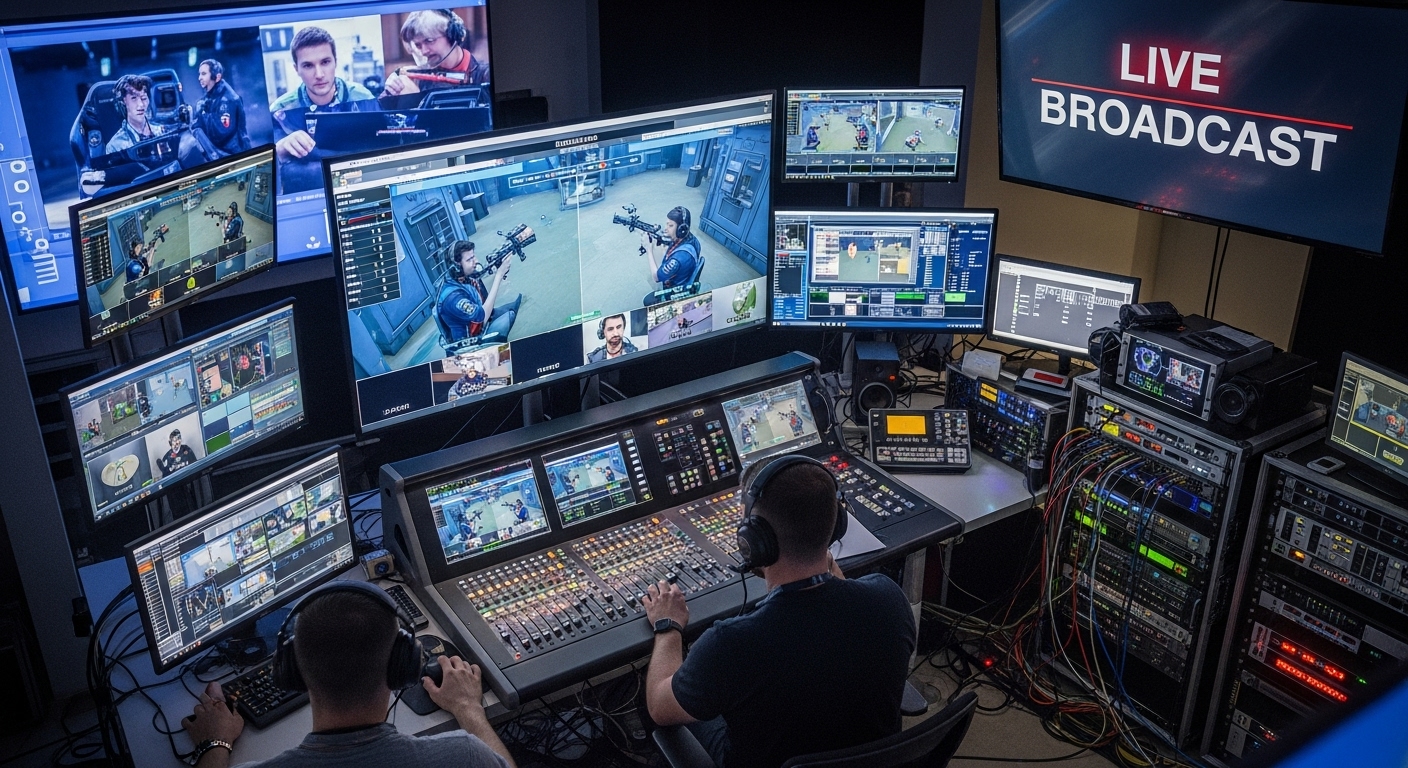
- Professional events use the same type of production trucks and studios as sports broadcasts.
- Multiple feeds: player cams, game feed, audience shots, commentary desk.
- Video switchers like TriCaster or Blackmagic ATEM are used to manage transitions.
- Redundant systems ensure no downtime during critical matches.
2.4 Streaming Platforms & Encoding
- Streams are encoded in real time using software like OBS Studio, vMix, or professional encoding hardware.
- Adaptive bitrate streaming ensures smooth delivery even with varying internet speeds.
- Twitch, YouTube, Huya, AfreecaTV, and Trovo are major distribution platforms.
2.5 Commentary & Audio Mixing
- Casters provide play-by-play commentary and analysis.
- Audio engineers balance game sounds, caster voices, and crowd reactions.
- Multi-language feeds are produced for global audiences.
2.6 Graphics & Overlays
- On-screen overlays show stats, sponsor logos, timers, and instant replays.
- Augmented graphics (e.g., a virtual Baron Nashor timer in League of Legends) enhance clarity.
- Branding consistency is key for teams, leagues, and sponsors.
3. Esports Broadcasting vs. Traditional Sports
While esports borrows heavily from sports broadcasting, it also faces unique challenges.
Similarities
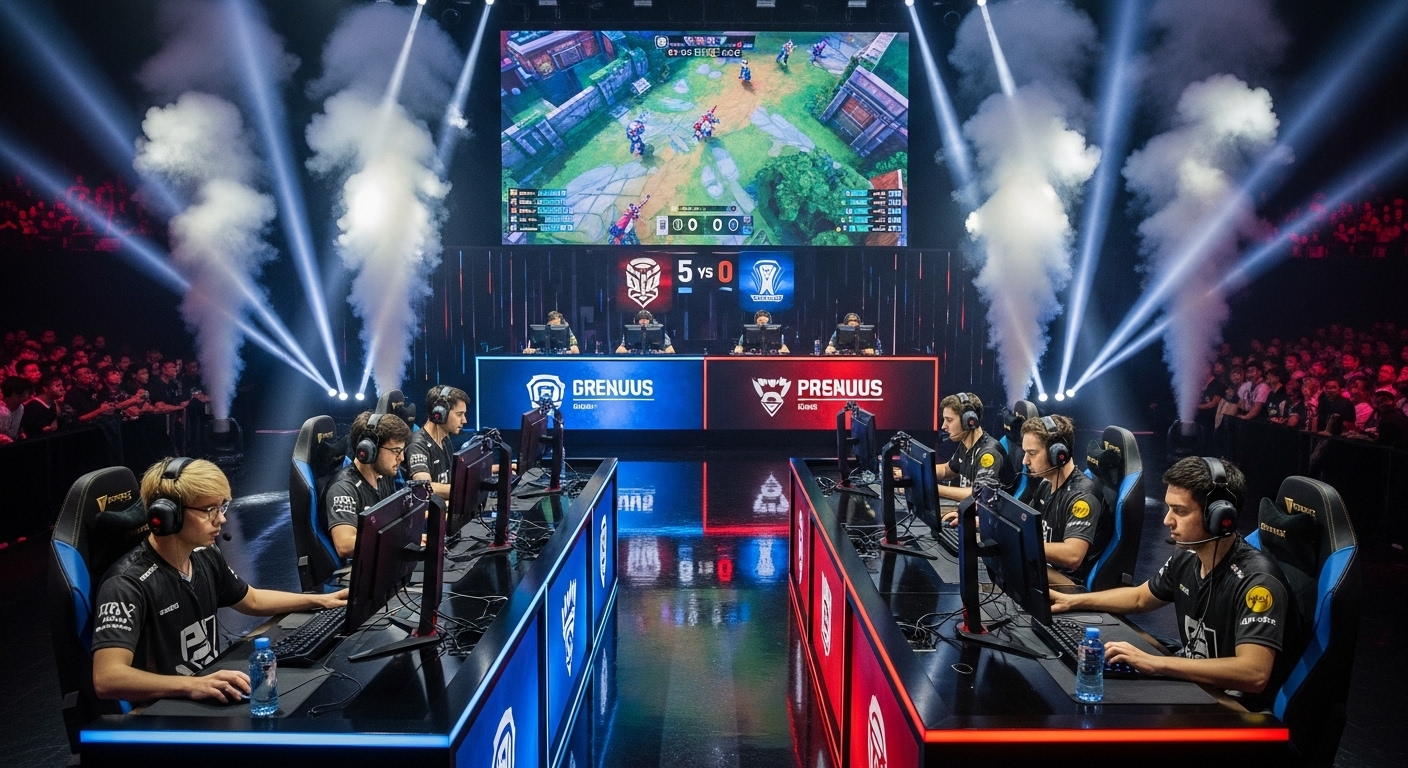
- Both use multi-camera setups, live commentary, instant replays.
- Sponsorships, advertising, and branding overlays are crucial revenue streams.
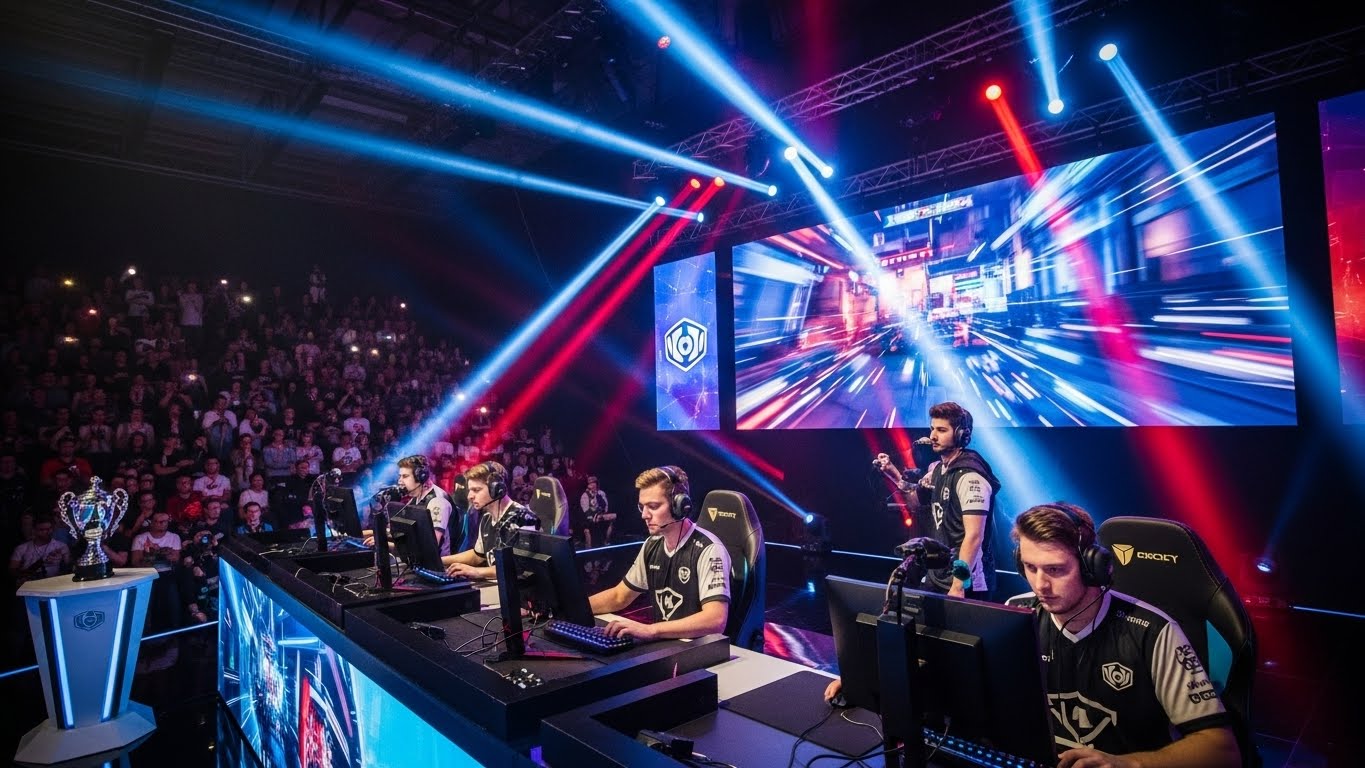
- Crowd shots, analyst desks, and highlight packages build hype.
Differences
- Esports broadcasts are built on digital data, not physical camera feeds.
- Observers must interpret and show complex mechanics unfamiliar to casual viewers.
- Game developers often control broadcasting rights—something unheard of in football or basketball.
- Production must adapt to different genres (FPS, MOBA, Battle Royale).
4. Advanced Technologies in Esports Broadcasting
4.1 Virtual Reality (VR) & Augmented Reality (AR)
- VR allows fans to “step inside” the game, viewing battles from immersive perspectives.
- AR overlays on stage can display characters, spells, or items next to casters.
- Example: Riot Games used AR dragons in LoL Worlds to visualize in-game objectives.
4.2 AI & Machine Learning
- AI-driven camera tools automatically detect high-action moments.
- Machine learning predicts which plays are most highlight-worthy.
- Automated stat-tracking helps analysts provide deeper insights.
4.3 Cloud Broadcasting
- Cloud-based production reduces the need for physical studios.
- Especially important during COVID-19, when remote production became standard.
- Scalability allows smaller tournaments to broadcast professionally without huge budgets.
4.4 Interactive Features
- Twitch extensions allow fans to view player builds, stats, or predictions live.
- Real-time polls and chat engagement make broadcasts more interactive.
- Some events experiment with fantasy esports tied directly to live matches.
4.5 5G & Low-Latency Streaming
- With 5G networks, mobile esports broadcasts can happen with minimal delay.
- Lower latency improves interactivity, especially for betting and fantasy play.
5. Behind the Scenes: A Typical Esports Broadcast Workflow
- Game Feed Capture – Observers select camera angles in-game.
- Data Feed Integration – APIs pull real-time stats.
- Production Switching – Director chooses between game feed, player cams, analyst desk.
- Graphics Layering – Overlays added for score, timers, sponsors.
- Audio Mixing – Casters’ voices, game sounds, crowd reactions balanced.
- Encoding & Streaming – Final output compressed and sent to platforms.
- Multi-Language Production – Localized commentary feeds generated.
- Distribution – Streams pushed to Twitch, YouTube, Huya, TV syndication.
6. Case Studies
Riot Games’ League of Legends Worlds
- Riot built its own broadcasting infrastructure.
- In-game API drives real-time graphics like gold graphs, objective timers.
- Worlds 2017 introduced AR dragons flying over the stage.
Valve’s The International (Dota 2)
- Uses “DotaTV” client for in-game spectating.
- Fans can watch with custom HUDs and commentary packs.
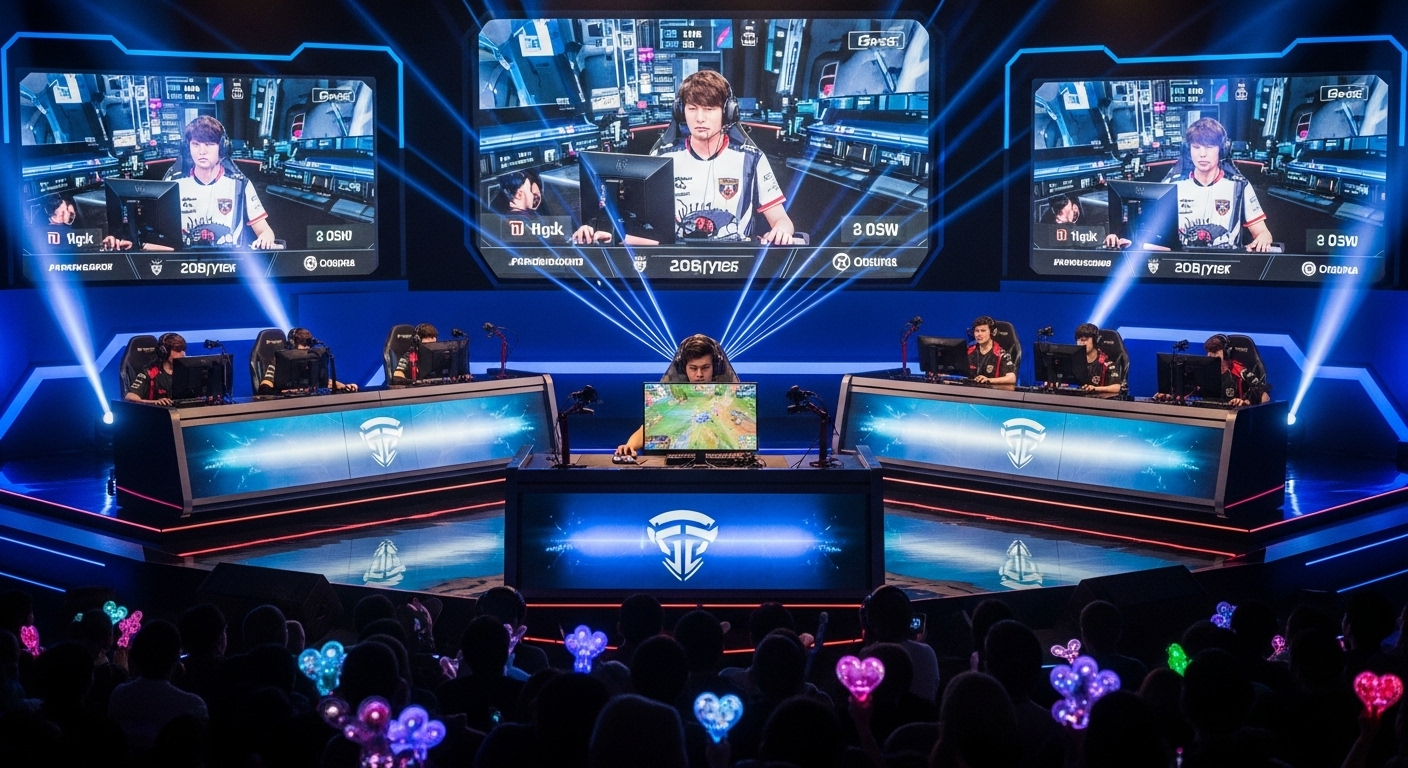
- Production emphasizes crowd atmosphere with massive screens and immersive stages.
CS:GO Majors
- Heavy reliance on observer teams to capture fast-paced FPS action.
- X-ray vision and slow-motion replays highlight strategic plays.
- Multi-stream coverage allows fans to follow multiple matches at once.
7. Challenges in Esports Broadcasting
- Complexity of Games: Casual viewers may not understand mechanics.
- Latency Issues: Delays can ruin competitive integrity (e.g., betting).
- Platform Fragmentation: Twitch dominates, but regional platforms split audiences.
- Costs: High production values require massive budgets.
- Copyright & Licensing: Developers control broadcasting rights, limiting third-party organizers.
8. Future of Esports Broadcasting
- More Interactivity – Viewers may control their own camera angles.
- Integration with Metaverse – Watching esports inside virtual arenas.
- AI-Powered Production – Automated replays, real-time analysis.
- Personalized Feeds – Fans choose favorite player POVs, stats, and overlays.
- Global Accessibility – Seamless multi-language, multi-platform broadcasting.
Conclusion
Esports broadcasting has come a long way from grainy streams on Justin.tv to full-scale productions rivaling the Super Bowl. It’s not just about showing a video game—it’s about storytelling, data visualization, and creating an emotional connection between players and fans.
By combining game integration, advanced observer tools, AR/VR, cloud production, and global streaming platforms, esports broadcasters have built a unique entertainment ecosystem.