Introduction: The Rise of Esports
In just over two decades, esports has grown from a niche hobby to a mainstream phenomenon, captivating millions of viewers and players worldwide. What began as small-scale competitions in local arcades has transformed into a global entertainment industry worth billions of dollars. Esports, or electronic sports, encompasses a wide range of video games played at a competitive level, often with professional players, teams, and large audiences. Today, esports is a dominant force in the entertainment world, with major tournaments offering multi-million dollar prize pools, live streams attracting millions of viewers, and gaming celebrities reaching levels of fame comparable to traditional sports athletes. In this blog, we will explore the evolution of esports, its growing impact on both gaming culture and mainstream entertainment, and what the future holds for this rapidly expanding industry.
The Early Days of Esports: From Arcade Games to Global Competitions
Esports as we know it today did not emerge overnight. In fact, its origins can be traced back to the early 1970s when competitive gaming was more about achieving high scores in arcade games like Pong and Space Invaders. As personal computers and home consoles became more popular in the 1980s and 1990s, games like Doom and Warcraft began to shape the foundations of competitive gaming. However, it wasn’t until the late 1990s and early 2000s that esports began to emerge as a more organized and global phenomenon.
One of the first significant moments in esports history was the launch of the Cyberathlete Professional League (CPL) in 1997, which hosted tournaments for games like Quake and Counter-Strike. These early events were primarily held at LAN (local area network) parties, where players would connect their computers together to compete against one another in person. As the internet became more accessible and online multiplayer games like StarCraft and Warcraft III gained popularity, the scope of esports competitions expanded, drawing in more players and spectators from around the world.
By the mid-2000s, the formation of major global tournaments like the World Cyber Games (WCG) and the Electronic Sports World Cup (ESWC) marked a significant shift toward organized, large-scale esports events. These competitions attracted thousands of players and viewers, leading to the development of professional gaming leagues and the establishment of teams, sponsors, and broadcasters. The rise of streaming platforms such as Twitch in the 2010s further accelerated esports’ growth by enabling gamers to broadcast their gameplay live to audiences worldwide, adding an interactive element to the experience.
The Rise of Professional Esports: From Hobby to Career
As esports tournaments grew in scale, so did the professionalization of the industry. No longer confined to hobbyists or casual players, esports became a legitimate career path for top-tier gamers. With substantial sponsorships, streaming revenue, and lucrative prize pools, competitive players could now earn a living by participating in esports. Just as professional athletes in traditional sports receive sponsorships and salaries, esports players began to see similar opportunities. Teams and organizations were established to manage players, coaches, and analysts, and they began competing in multiple leagues and tournaments for significant prizes.
The success of games like League of Legends, Dota 2, Counter-Strike: Global Offensive, and Overwatch helped accelerate this shift, as they became the centerpieces of large-scale competitive events. Prize pools for these games skyrocketed, with The International (Dota 2) tournament offering a record-breaking prize pool of over $30 million. For comparison, this is comparable to the top-tier prize money in traditional sports tournaments like tennis and golf. The prize money, combined with sponsorship deals, media rights, and streaming revenue, has made esports one of the most profitable entertainment sectors in the world.
Top-tier esports players can earn millions through their participation in major tournaments, personal sponsorships, streaming, and content creation. Additionally, teams can sign lucrative sponsorship deals with major brands in the tech, beverage, and lifestyle industries. This economic ecosystem has led to the creation of esports-specific media outlets, talent agencies, and even gaming universities that train aspiring professionals in both gameplay and the business side of the industry.
Esports as a Global Spectacle: From Local Events to Massive Tournaments
Esports’ transformation from a small subculture to a global spectacle is perhaps one of its most remarkable aspects. While traditional sports are often bound by geographical regions or nationalities, esports transcends borders. The digital nature of competitive gaming means that players from around the world can compete against one another without leaving their homes, opening up opportunities for international competition and collaboration.
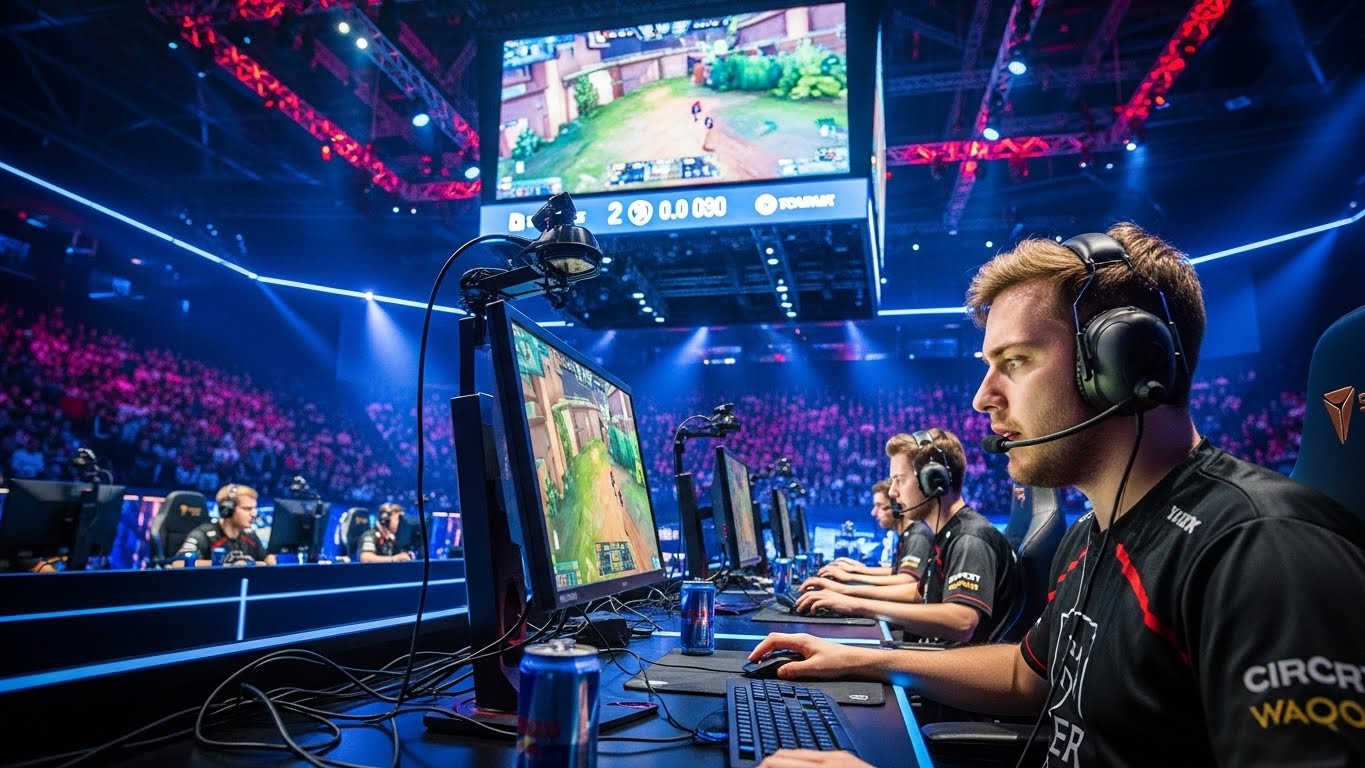
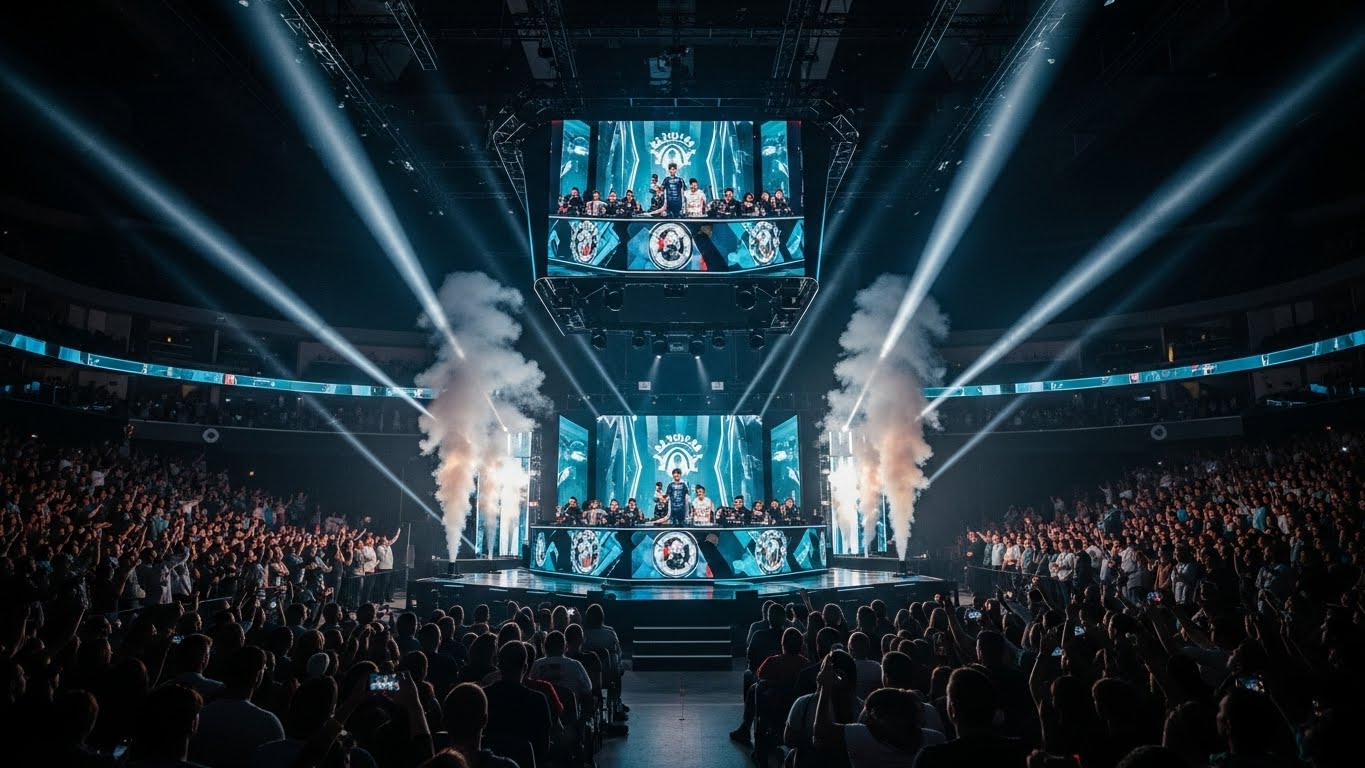
The largest esports tournaments now rival traditional sporting events in terms of viewership and prestige. For example, the League of Legends World Championship attracts millions of viewers worldwide, with the 2020 finals garnering over 100 million unique viewers. In addition to online streaming, major tournaments are often held in large stadiums, filling arenas with thousands of fans. The League of Legends World Championship and The International (Dota 2) are two examples of esports events that attract massive live audiences, similar to the crowds seen at high-profile sports events like the Super Bowl or World Cup.
This global reach has made esports a truly international phenomenon. Fans from Europe, Asia, North America, and beyond tune in to watch their favorite teams and players compete for glory. Esports has become a platform for people from all walks of life to come together and share their love of gaming, breaking down barriers related to language, culture, and geography. Additionally, with games such as PUBG Mobile and Free Fire gaining popularity in emerging markets, mobile esports has further broadened the reach of competitive gaming, especially in regions like Southeast Asia and Latin America.
The Fan Experience: A New Age of Digital Spectatorship
Esports offers a radically different fan experience compared to traditional sports. In the past, fans had to rely on television broadcasts or radio for updates on their favorite teams and players. Today, fans can engage with live matches through streaming platforms such as Twitch, YouTube Gaming, and Facebook Gaming, which provide real-time broadcasts of esports events.
Streaming platforms have allowed fans to interact directly with players and fellow spectators. Viewers can participate in live chats, comment on matches, and even donate money to their favorite streamers or esports organizations. This level of interactivity creates a deeper sense of community among fans and fosters a more personalized and immersive viewing experience. For many fans, following esports players and teams has become a form of entertainment that mirrors the way traditional sports fans engage with their favorite athletes.
In addition to live streaming, social media plays a significant role in the fan experience. Platforms like Twitter, Instagram, and Discord allow fans to connect with players and teams, share content, and stay updated on news and events. Esports players, like traditional sports stars, have become influential figures in the digital space, with large followings on social media, YouTube, and other platforms. This accessibility has allowed esports players to build personal brands, which in turn attracts sponsorships, partnerships, and new opportunities.
The Business of Esports: Sponsorships, Media Rights, and Merchandising
Esports has become a major economic force in the entertainment industry. The business model of esports is built on multiple revenue streams, including sponsorships, media rights, merchandise sales, and ticketing.
- Sponsorships: Major brands, such as Intel, Coca-Cola, Red Bull, and Nike, have invested heavily in esports, sponsoring tournaments, teams, and players. These sponsorships provide the financial support that keeps the industry thriving and allow brands to reach a large, digitally-savvy audience.
- Media Rights: As the popularity of esports continues to rise, media companies are seeking to acquire the rights to broadcast major tournaments. Streaming platforms like Twitch and YouTube Gaming have become the go-to places for esports fans to watch live events, while traditional TV networks are also beginning to air esports competitions. These broadcasting rights are a significant revenue source for esports organizations.
- Merchandising: Just as traditional sports teams sell jerseys, caps, and other merchandise, esports organizations have followed suit, selling branded apparel, gear, and collectibles to their fans. Merchandising is a lucrative business for esports teams and players, contributing significantly to their revenue streams.
- Ticketing: Esports tournaments often take place in large arenas, with tickets sold to fans who want to watch the action live. Events like the League of Legends World Championship and The International attract tens of thousands of spectators, further boosting the industry’s revenue.
The Future of Esports: Emerging Trends and Innovations
As esports continues to grow, several trends are emerging that could shape the future of the industry:
- Virtual Reality and Augmented Reality: As technology advances, VR and AR could bring a new dimension to esports, making competitions more immersive for both players and fans. Fans could experience tournaments from different perspectives, such as in the midst of the action or from a bird’s-eye view of the game world.
- Mobile Gaming: With smartphones becoming more powerful, mobile esports is expected to continue its rapid growth. Games like PUBG Mobile and Free Fire have become hugely popular in regions with high mobile penetration, such as Southeast Asia and India.
- Esports in Education: Universities are beginning to offer scholarships and degree programs in esports management and game design. As esports matures, education will play a crucial role in developing the next generation of players, coaches, analysts, and organizers.
- Increased Investment: As esports continues to grow, we can expect more investment from traditional sports organizations, tech companies, and media outlets.