Esports, the world of competitive video gaming, has become a global phenomenon over the past decade, reshaping the way we view both gaming and sports. What once started as casual gaming competitions in basements and local arenas has now evolved into a multi-billion-dollar industry, attracting millions of fans, sponsors, and professional players. From massive prize pools to packed arenas and prime-time television broadcasts, esports has firmly embedded itself into the mainstream entertainment landscape. In this blog post, we will explore the growth of esports, its cultural significance, the business behind it, and its promising future.
The Rise of Esports: From Hobby to Profession
At its most basic level, esports is competitive video gaming where players or teams face off in organized tournaments for cash prizes and glory. The games vary widely, from first-person shooters like Call of Duty and Counter-Strike to multiplayer online battle arenas (MOBA) like League of Legends and Dota 2. However, what truly distinguishes esports from casual gaming is the level of competition and the professional nature of the events.
In the early days of video games, the idea of playing games competitively was relatively unheard of. Video gaming was mostly a solitary or casual activity, enjoyed by people in their homes or in arcades. It wasn’t until the 1990s that competitive gaming began to take shape, with the advent of multiplayer online games and the first major tournaments like the World Cyber Games (WCG) and the Electronic Sports World Cup (ESWC). These early events were a starting point for what would become a massive global industry.
The true turning point for esports came in the 2000s with the growth of online gaming communities and the launch of platforms like Twitch, a live-streaming service that allowed gamers to broadcast their gameplay to a global audience. Twitch, launched in 2011, became a central hub for competitive gaming content, bringing esports to a wider audience and offering viewers the chance to watch live tournaments, interact with players, and immerse themselves in the world of esports like never before.
By the early 2010s, esports began to attract significant investments from major corporations, and the scale of events grew rapidly. Large-scale tournaments with multi-million-dollar prize pools, such as The International for Dota 2, emerged, signaling that competitive gaming was no longer just a niche interest but a serious business.
A Multibillion-Dollar Industry
Esports is now an economic juggernaut, worth billions of dollars globally. Revenue streams for esports are diverse and include ticket sales, merchandise, broadcasting rights, sponsorships, and advertising. Major companies like Intel, Coca-Cola, Mercedes-Benz, and Nike have entered the esports space, recognizing the massive potential of this growing market. In 2020, the esports industry generated an estimated $1.1 billion in revenue, a figure expected to continue growing in the years ahead.
One of the primary sources of revenue for esports organizations and tournament organizers is sponsorship. Esports teams and events attract sponsorships from major brands that see an opportunity to engage with a young, tech-savvy, and highly engaged audience. Sponsorships not only provide funding for events and player salaries but also create unique marketing opportunities for brands to reach millions of viewers globally.
Broadcasting is another critical revenue source for esports. The rise of streaming platforms like Twitch and YouTube Gaming has enabled live broadcasts of esports tournaments to reach millions of viewers. These platforms generate revenue through ads, subscriptions, and donations from fans. Traditional media outlets, such as ESPN and NBC Sports, have also recognized the appeal of esports, regularly airing tournaments and esports-related content on television.
Prize pools in esports have exploded in recent years, with some tournaments offering payouts that rival those of major traditional sports events. The International, an annual tournament for Dota 2, has had prize pools exceeding $40 million, attracting top-tier players from around the world. These enormous prizes not only incentivize professional players but also elevate the level of competition, as players dedicate themselves to mastering the games and pushing the limits of their skills.
Esports as a Career Path: The Players and Their Dedication
The rise of esports has created new career opportunities for players, coaches, analysts, commentators, and even content creators. Professional esports players can make a living from sponsorships, prize money, and streaming revenue. While only a small percentage of players reach the top levels of competition, esports has become a viable career option for those with the right combination of talent, dedication, and perseverance.
For many professional players, becoming an esports athlete is no different than becoming a professional athlete in traditional sports. It requires years of practice, intense focus, and a deep understanding of the games being played. Players typically begin their competitive journey at a young age, often starting with online play and working their way up through smaller leagues or tournaments before being recruited by larger organizations. Once on a professional team, players are expected to practice several hours a day, refining their skills, studying game mechanics, and developing strategies with their teammates.
Many esports players also engage with their fans through streaming platforms like Twitch, where they broadcast their gameplay live to their audience. These streams offer players the chance to connect with their fans, showcase their skills, and generate additional income through subscriptions and donations.
Being an esports player comes with its own set of challenges. The pressure to perform at a high level, the constant need to stay ahead of the competition, and the physical and mental toll of hours of training can be overwhelming. As a result, esports organizations often employ coaches, analysts, and even psychologists to help players maintain peak performance, both mentally and physically.
Beyond the professional players themselves, esports also provides a wide range of career opportunities for those with an interest in the industry. Coaches, analysts, commentators, event organizers, and even content creators who focus on esports coverage play crucial roles in bringing the competitive gaming experience to audiences around the world.
The Growing Popularity of Esports Across the Globe
Esports is not just a phenomenon limited to a specific region; it has become a truly global industry. While the United States, South Korea, and China have been among the pioneers of the esports movement, the popularity of competitive gaming has spread across Europe, Southeast Asia, and Latin America. Major esports organizations, including Team Liquid, Cloud9, and G2 Esports, have global fanbases, and tournaments regularly attract players from all over the world.
The international appeal of esports is partly due to the accessibility of online gaming, which allows anyone with an internet connection to compete against players from different countries. This global connectivity has helped foster a sense of community among esports fans, who can interact with one another on social media platforms, follow their favorite players, and cheer for teams regardless of geographic location.
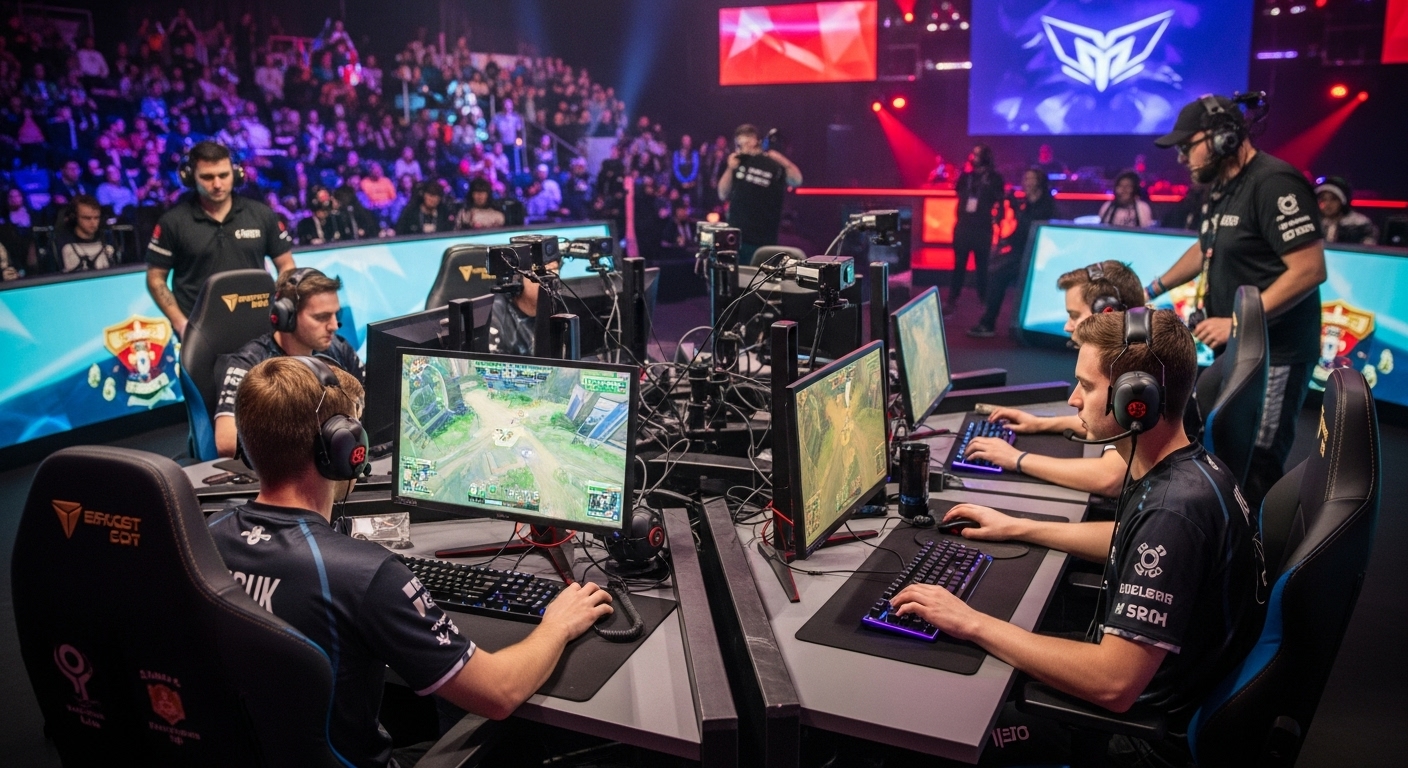
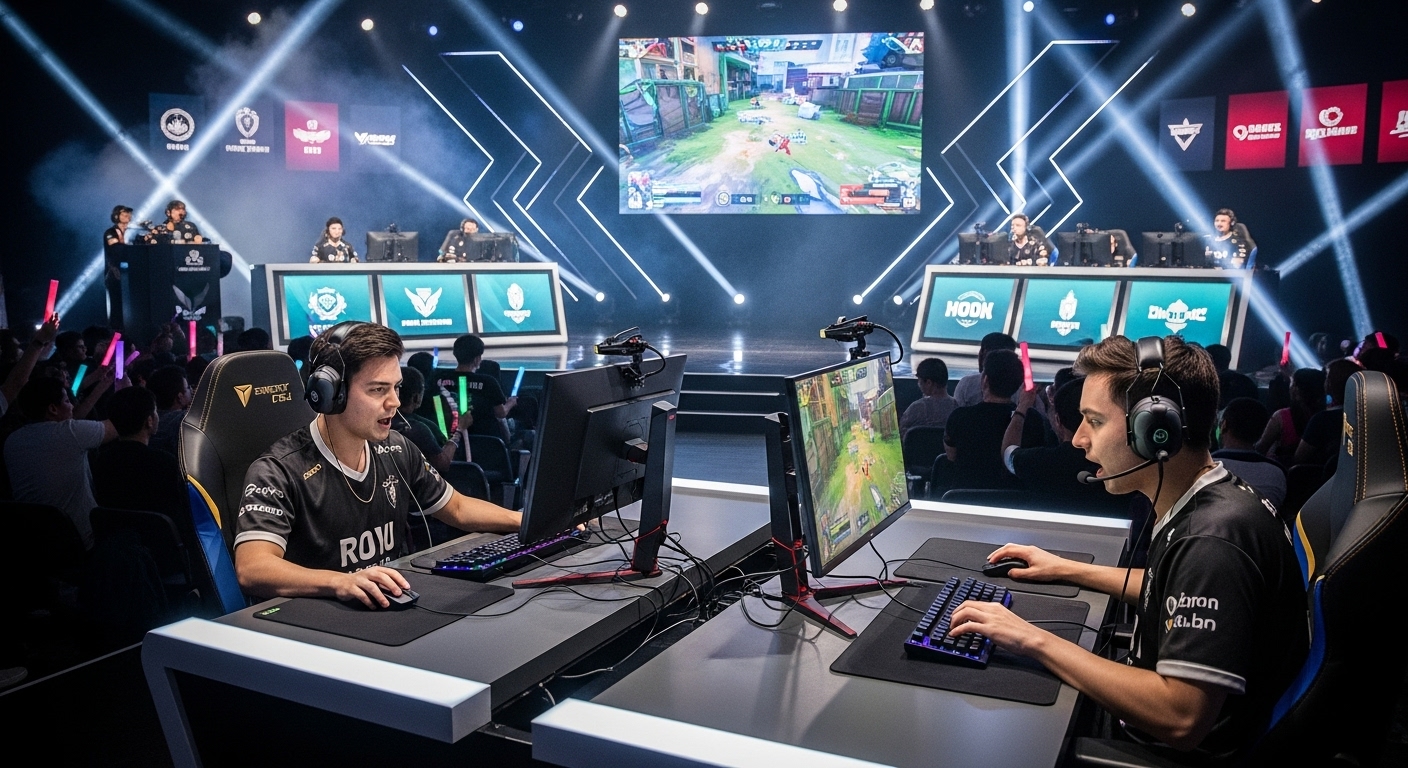
In addition to online gaming, live esports events have also become massive spectacles. The League of Legends World Championship, Overwatch League Finals, and The International regularly sell out arenas, with thousands of fans packing stadiums to watch the action in person. These events are often broadcast live, with millions more tuning in from around the world to watch their favorite teams battle for supremacy.
Esports also attracts viewers from outside the gaming community. Many fans of traditional sports are now embracing esports, seeing it as a legitimate form of competition. The integration of esports with mainstream sports networks, such as ESPN airing League of Legends and Dota 2 tournaments, has helped further blur the lines between traditional and digital sports.
The Cultural Impact of Esports
Esports is not only reshaping the way we think about gaming and competition but also influencing popular culture. The rise of esports has helped normalize gaming as a career path and as a serious pursuit. What was once seen as a form of entertainment for “geeks” or “nerds” has now become mainstream, with celebrities, athletes, and even politicians acknowledging the growing importance of esports.
The inclusion of esports in global events like the Asian Games has also helped elevate its status. In 2018, esports was officially recognized as a medal event at the Asian Games, marking a significant milestone in the recognition of competitive gaming as a legitimate sport. There have even been discussions around the potential for esports to be included in the Olympic Games, further validating its place in the world of global sports.
The growth of esports has also given rise to a new form of digital entertainment. Popular streamers like Ninja, Shroud, and Pokimane have amassed millions of followers, becoming household names in the process. These influencers help create a vibrant culture around esports, with fans not only watching their favorite players but also consuming content like tutorials, behind-the-scenes footage, and game analysis.
The Future of Esports: Innovation and Growth
The future of esports looks incredibly bright. With growing investments, increasing viewership, and a rising number of professional players, the industry is set to continue its upward trajectory. Technology will play a major role in shaping the future of esports. Advances in virtual reality (VR), augmented reality (AR), and artificial intelligence (AI) could bring new dimensions to the esports experience, offering even more immersive gameplay and fan engagement.
Esports is also likely to continue its integration with traditional sports. Major sports franchises have already invested in esports teams, and it’s possible that we may see esports tournaments broadcast alongside traditional sports events in the future. The rise of esports leagues, like the Overwatch League and Call of Duty League, mirrors the structure of professional sports leagues, making it easier for fans to follow their favorite teams and players throughout the season.
The continued development of collegiate esports programs, particularly in the United States, is another indicator of esports’ growing legitimacy. Many universities now offer scholarships for students who excel at competitive gaming, giving them the opportunity to play at the highest level while pursuing a degree.