Esports, short for electronic sports, has evolved from a casual pastime into a global phenomenon that rivals traditional sports in viewership, revenue, and cultural impact. Once considered a niche hobby for gamers, competitive gaming is now a multi-billion-dollar industry with professional leagues, international tournaments, and dedicated fanbases spanning every continent. In this blog, we will explore the growth of esports, its impact on society, the role of technology, and the future of this digital revolution.
The Origins of Esports
The story of esports begins decades ago, with players competing in arcade games and early computer titles. In the 1970s and 1980s, games like Space Invaders and Pac-Man held local competitions where winners could earn recognition or prizes. With the rise of personal computers in the 1990s, competitive gaming entered a new phase. Titles such as StarCraft, Counter-Strike, and Warcraft III became central to organized tournaments, particularly in regions like South Korea, where professional gaming first gained mainstream attention.
The advent of high-speed internet and online multiplayer gaming allowed esports to grow beyond local arcades. Gamers could now connect with opponents globally, enabling international competitions and the development of online communities. This period laid the foundation for esports as a professional and spectator-driven industry.
The Explosion of Popularity
Esports’ rise in popularity is fueled by accessibility, engagement, and entertainment value. Unlike traditional sports, esports does not require physical infrastructure, making it accessible to anyone with a computer, console, or mobile device and an internet connection. This has democratized competition, allowing talented players from any part of the world to participate in tournaments and gain recognition.
Streaming platforms and social media have further accelerated esports’ growth. Fans can watch live matches, interact with players, and engage in community discussions from the comfort of their homes. The combination of real-time competition, charismatic personalities, and narrative-driven storylines creates an immersive experience that traditional sports are only beginning to emulate.
Games like League of Legends, Dota 2, Fortnite, and Call of Duty have become flagship titles in professional esports, attracting millions of viewers and offering multi-million-dollar prize pools. The accessibility, excitement, and spectacle of these competitions have propelled esports into mainstream consciousness.
Professional Players and Teams
Professional esports players are often compared to athletes in traditional sports. Success in competitive gaming requires quick reflexes, strategic thinking, teamwork, and rigorous practice. Top-tier players dedicate hours daily to training, studying gameplay mechanics, analyzing opponents, and refining strategies. Mental acuity and focus are as critical as physical stamina, given the intense pressure of high-level competition.
Esports teams function like professional sports organizations, with coaches, managers, analysts, and support staff working to optimize player performance. Sponsorships and brand partnerships provide financial backing, allowing players to concentrate on training and competition. Structured leagues, contracts, and tournament schedules have professionalized esports, making it a sustainable career path for skilled gamers.
However, the career of a professional esports player is not without challenges. High competition, constant pressure to perform, and long hours in front of screens can lead to burnout, physical strain, and mental health concerns. Many organizations are now prioritizing player well-being, incorporating fitness programs, mental health resources, and balanced practice schedules to ensure longevity in the profession.
The Tournament Experience
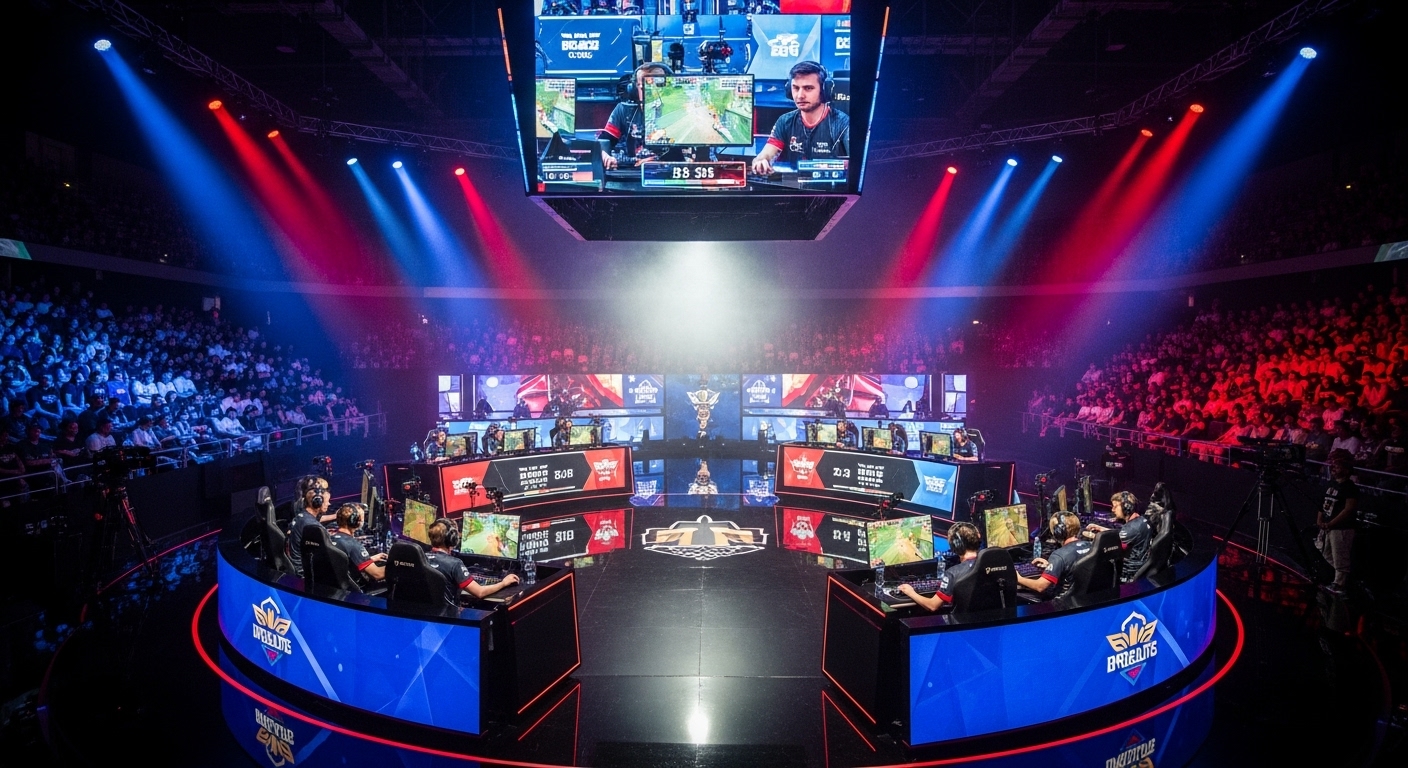
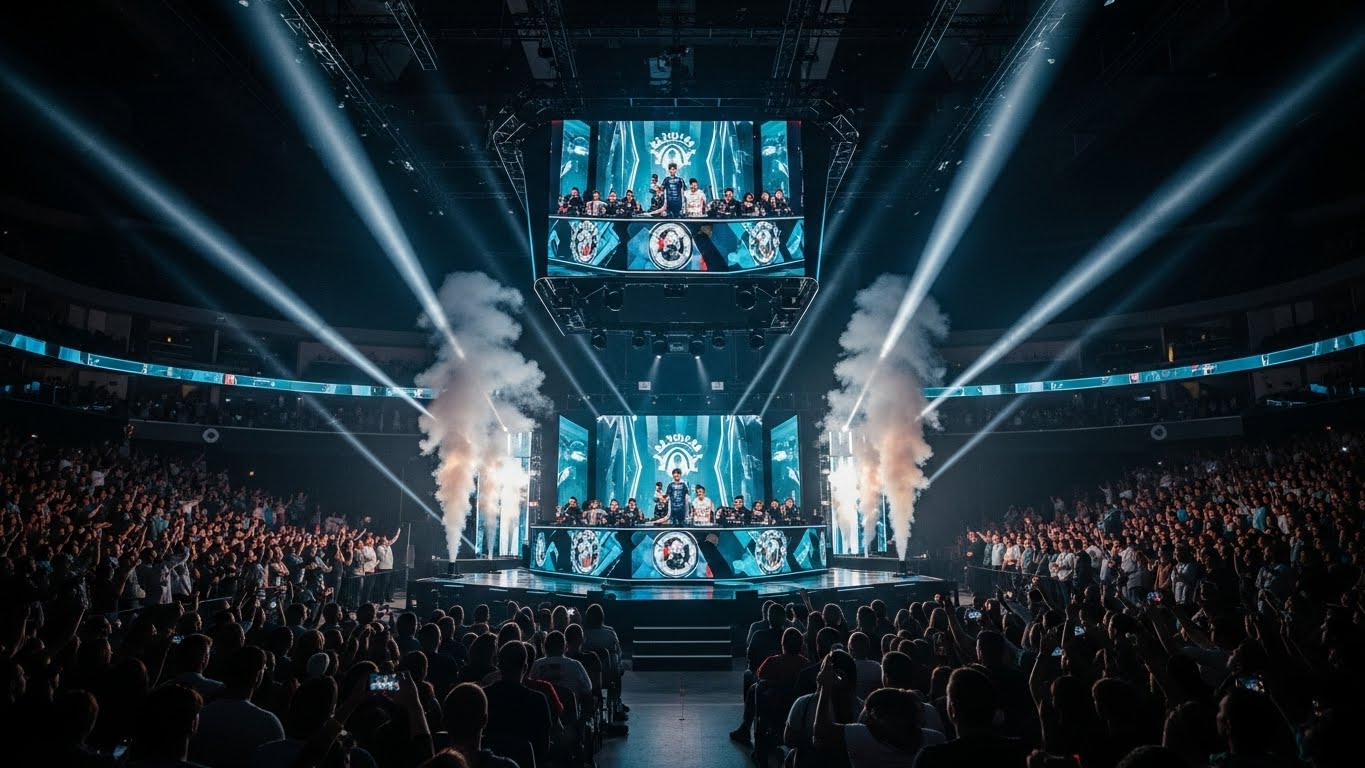
Tournaments are the lifeblood of esports, providing both competition and entertainment for players and fans alike. Prestigious events such as The International, League of Legends World Championship, and Fortnite World Cup draw millions of viewers worldwide and offer substantial prize money, sometimes exceeding ten million dollars. These tournaments showcase the highest level of skill and strategy, making them must-watch events for the gaming community.
Many esports leagues mirror traditional sports structures, including seasonal play, regional divisions, playoffs, and finals. Leagues like the Overwatch League and Call of Duty League create regional rivalries while maintaining global appeal. This professional framework attracts sponsors, media coverage, and fan engagement, transforming esports into a highly organized and marketable industry.
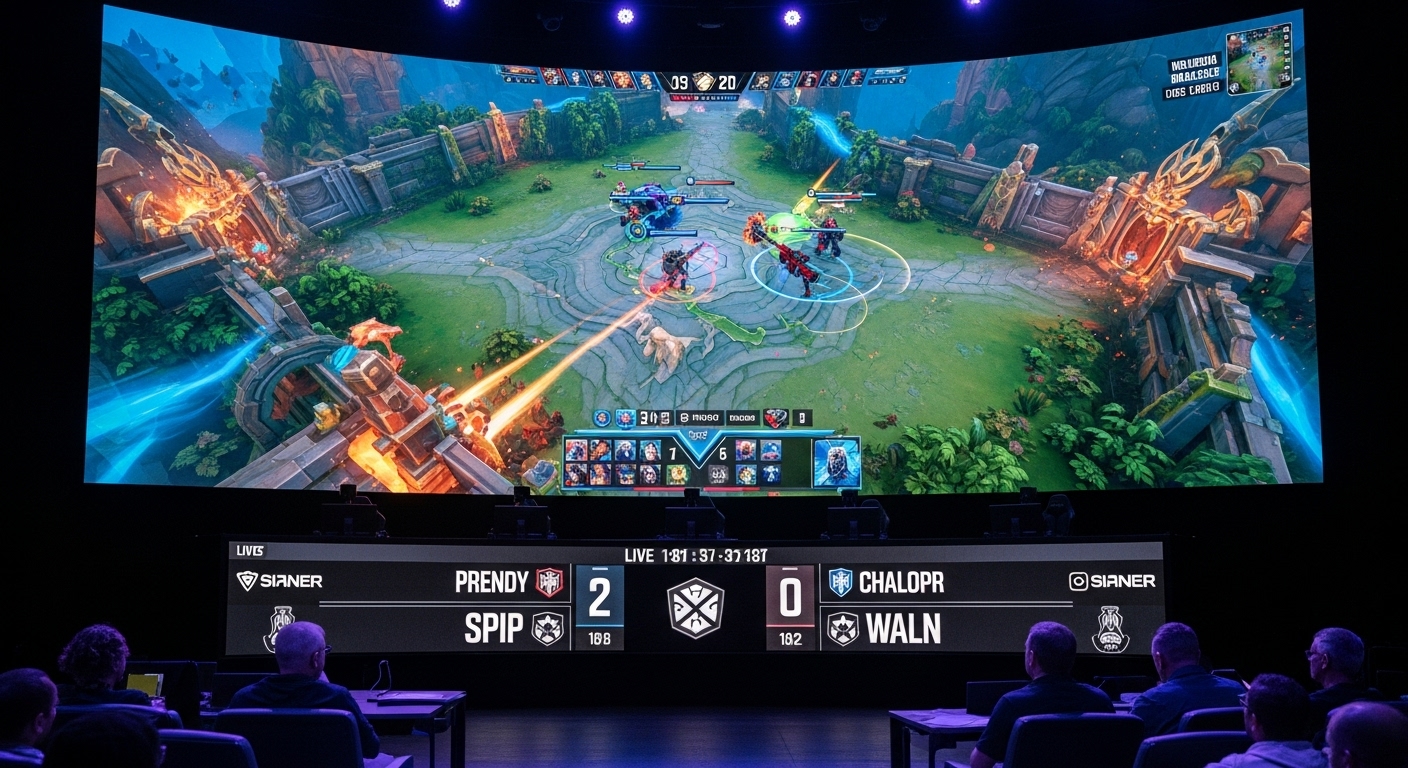
The production quality of esports events rivals that of mainstream sports broadcasts. Multi-camera setups, live commentary, advanced graphics, and immersive spectator experiences enhance the entertainment value and attract both dedicated and casual audiences.
The Business of Esports
Esports is a booming industry with diverse revenue streams. Sponsorships, advertising, media rights, merchandise, and ticket sales contribute to its financial ecosystem. Major global brands recognize the marketing potential of esports, targeting younger, digitally-savvy audiences who are highly engaged and active online.
Streaming platforms also generate significant income through subscriptions, advertisements, and donations. Content creators and professional players benefit from these platforms, creating additional revenue channels outside tournament winnings. Venture capital investments and corporate sponsorships continue to expand the industry, providing resources for infrastructure, event production, and player development.
The business aspect of esports extends beyond competition. Careers in management, broadcasting, content creation, analytics, and marketing are becoming increasingly important, creating a sustainable ecosystem that goes beyond the players themselves.
Cultural Significance and Community
Esports has reshaped entertainment, social interaction, and even education. Online gaming communities foster collaboration, strategy, and social engagement, connecting players across the globe. Fans are not just spectators; they participate in online discussions, support favorite teams, and contribute to the culture surrounding games.
Esports challenges traditional perceptions of athleticism. Professional players are now recognized as skilled competitors, and universities are offering scholarships and academic programs dedicated to esports. This legitimizes gaming as a serious discipline requiring talent, dedication, and strategy.
Moreover, esports promotes inclusivity and diversity. Players from different genders, cultures, and backgrounds can compete on an equal footing, making esports a truly global and accessible phenomenon. This cultural impact extends beyond gaming, influencing mainstream media, fashion, and entertainment.
Technology at the Core
The growth of esports is inseparable from technological advancement. High-performance gaming hardware, low-latency internet, and sophisticated game engines enable competitive play at the highest levels. Streaming technology allows fans to watch live matches in real-time, while analytics tools provide teams with insights to improve performance and strategy.
Emerging technologies like virtual reality, augmented reality, and artificial intelligence are beginning to influence esports. VR and AR offer immersive spectator and player experiences, while AI assists in training simulations, predictive modeling, and game analysis. As technology evolves, it will continue to enhance the competitive and entertainment value of esports.
Challenges and Controversies
Despite its meteoric rise, esports faces challenges. Mental health concerns, physical strain, and burnout are pressing issues for professional players. Integrity issues, such as cheating and match-fixing, threaten the credibility of competitions. Regulatory oversight and standardization remain limited, which can create inconsistencies and ethical dilemmas.
Additionally, societal perception can hinder esports’ acceptance. While awareness is growing, some still view gaming as entertainment rather than a legitimate sport. Education, professionalization, and responsible media representation are key to overcoming these misconceptions and solidifying esports’ reputation.
The Future of Esports
The future of esports is bright and full of potential. With increasing investment, technological innovation, and mainstream acceptance, esports is poised to become a permanent fixture in global entertainment. Emerging trends such as virtual tournaments, cross-platform play, and AI-assisted coaching will redefine the competitive landscape.
Esports may also influence traditional sports by integrating technology, data analysis, and interactive engagement strategies. As audiences demand more immersive experiences, the convergence of gaming, entertainment, and competition will continue to innovate how people play, watch, and interact with sports and digital media.
Conclusion
Esports has moved far beyond its origins as a casual gaming hobby. It has become a professional, global, and culturally significant industry that challenges traditional definitions of sports, entertainment, and competition. From local tournaments to international championships, esports combines skill, strategy, technology, and storytelling to captivate millions of fans worldwide.
The rise of esports is more than a trend; it is a digital revolution redefining how society perceives competition, community, and entertainment. As technology continues to advance and audiences grow, esports will play an increasingly important role in shaping the future of sports, media, and digital culture. The game has changed, and the world is watching.