Introduction to Esports
Esports, short for electronic sports, has emerged as one of the most significant cultural and technological phenomena of the 21st century. What began as casual gaming competitions among friends has transformed into a global industry worth billions of dollars. The term Esports encompasses organized video game competitions, often featuring professional players, massive audiences, and sponsorships that rival traditional sports. Over the past two decades, Esports has redefined entertainment, reshaped digital culture, and opened new opportunities for gamers, investors, and audiences worldwide.
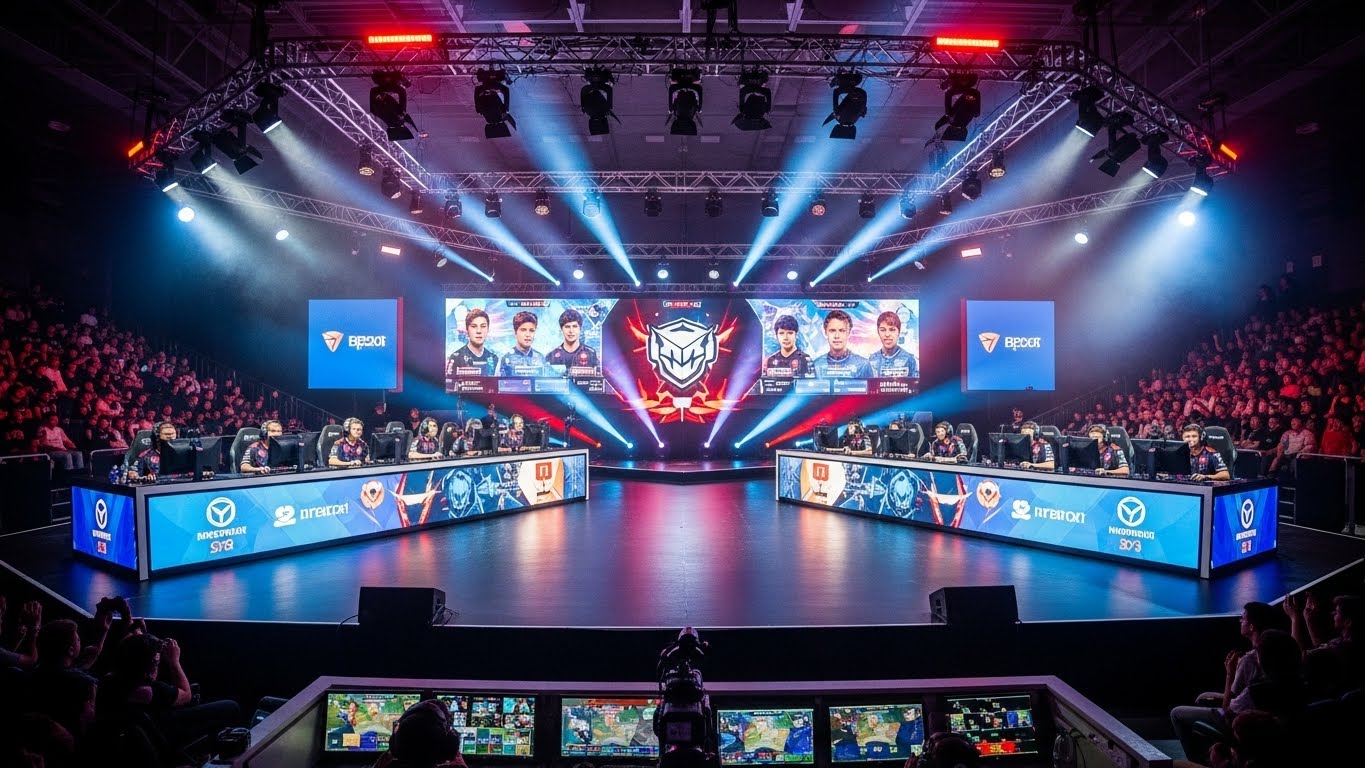
In the early days, few could have predicted that video games would evolve from a niche hobby to a legitimate career path and spectator sport. Yet today, stadiums fill with cheering fans, streaming platforms broadcast tournaments to millions, and gaming celebrities command global influence. Esports has transcended boundaries of geography, language, and culture, uniting people through the universal love of competition and technology.
The Origins of Competitive Gaming
The roots of Esports trace back to the 1970s and 1980s, when early video game tournaments began appearing in arcades and on college campuses. One of the first recorded gaming competitions took place at Stanford University in 1972, featuring the game Spacewar. The winner reportedly received a year’s subscription to a technology magazine as a prize. Although this may seem modest today, it marked the birth of organized digital competition.
During the 1980s, arcade culture exploded across the world. Games like Pac-Man, Donkey Kong, and Space Invaders attracted millions of players, and competitive leaderboards became symbols of prestige. The idea of being the best player at an arcade machine became an early precursor to Esports fame. Television programs like Starcade even broadcast video game competitions, signaling that gaming had entertainment potential far beyond personal amusement.
The Internet Revolution and the Birth of Online Gaming
The 1990s brought a technological revolution that changed gaming forever. The spread of home computers and the internet made it possible for players to compete without being in the same room. Titles such as Doom, Quake, and StarCraft pioneered online multiplayer gaming. These games allowed players from across the world to face each other in real-time battles, setting the stage for modern Esports.
South Korea was particularly instrumental in shaping Esports during this period. Following the Asian financial crisis of the late 1990s, the country invested heavily in broadband infrastructure. The result was a gaming boom. Internet cafés, known as PC bangs, became hubs of competition and community. StarCraft emerged as a national phenomenon, with professional players gaining celebrity status. This period marked the foundation of Esports as a legitimate sport, complete with professional teams, coaches, sponsors, and televised matches.
The 2000s: Professionalization and Global Expansion
The early 2000s saw Esports evolve from local and regional tournaments into a structured global industry. Major tournaments such as the World Cyber Games, the Cyberathlete Professional League, and the Electronic Sports World Cup attracted competitors from multiple countries. The prize pools increased, the media coverage expanded, and the player base grew rapidly.
This era also introduced some of the most iconic competitive titles in gaming history. Counter-Strike, Warcraft III, and Dota became staples of Esports culture. These games required teamwork, strategy, and split-second reflexes, capturing the essence of athletic competition in a digital form. Gaming organizations began forming structured teams, each with managers, analysts, and training regimens similar to those of traditional sports clubs.
The growing popularity of broadband internet also meant that audiences could watch matches live. Streaming platforms began to emerge, allowing fans to follow their favorite teams and players. Though still in its infancy, live streaming would later become one of the driving forces behind Esports’ global success.
The 2010s: The Golden Age of Esports
The 2010s can be described as the golden age of Esports. With the advent of platforms like Twitch and YouTube Gaming, the industry experienced unprecedented growth. Millions of viewers could now watch tournaments from anywhere in the world. Games such as League of Legends, Dota 2, and Counter-Strike: Global Offensive became international sensations, drawing audiences comparable to traditional sports events.
One of the most defining moments of this decade was the rise of The International, Dota 2’s premier tournament, which offered multi-million-dollar prize pools funded by the gaming community. Similarly, League of Legends World Championships filled entire stadiums, and the Overwatch League introduced a city-based franchise model similar to that of the NBA or NFL.
Mainstream recognition also increased during this time. Esports players signed endorsement deals, appeared in advertisements, and gained followers across social media. Universities began offering Esports scholarships, while governments in some countries officially recognized professional gamers as athletes.
The Business of Esports
Today, Esports is more than a form of entertainment—it is a thriving business ecosystem. The industry encompasses sponsorships, media rights, merchandise, ticket sales, and advertising. Major corporations have entered the scene, eager to associate their brands with the youth-driven, tech-savvy gaming demographic.
Sponsorships form a significant part of Esports revenue. Companies ranging from technology giants to food and beverage brands invest heavily in teams and events. These partnerships not only provide financial support but also elevate the visibility of Esports as a mainstream activity.
Broadcasting and streaming have also revolutionized Esports economics. Platforms such as Twitch and YouTube allow players and organizations to generate income through ads, subscriptions, and donations. The audience engagement level in Esports is unmatched; fans interact directly with players through chat and social media, creating a dynamic and loyal community.
Additionally, game developers themselves play a crucial role in sustaining Esports ecosystems. Companies like Riot Games, Valve, and Blizzard actively organize tournaments and invest in the infrastructure required to maintain competitive leagues. This level of involvement ensures a consistent standard of professionalism and entertainment value.
The Culture of Esports
Beyond competition and profit, Esports has created a unique and powerful culture. It represents the fusion of technology, creativity, and community. For many young people, gaming is not just a pastime—it’s an identity. Esports culture celebrates diversity, teamwork, and innovation.
Fans express their loyalty through team jerseys, fan art, memes, and online discussions. The energy at Esports events rivals that of any sports stadium, complete with chanting crowds and emotional moments. Social media platforms amplify this culture, connecting millions of fans globally.
Moreover, Esports has become a form of digital art. Games themselves are visually stunning, combining storytelling, design, and interactivity. The skill required to compete at a professional level is immense, involving reaction times faster than a blink and deep strategic understanding. This combination of artistry and athleticism makes Esports one of the most complex forms of modern entertainment.
The Role of Technology in Esports Growth
The rise of Esports would not have been possible without technological advancement. High-speed internet, powerful gaming hardware, and improved software have enabled seamless global competition. Cloud computing, virtual reality, and artificial intelligence are shaping the future of Esports in fascinating ways.
Streaming technology has democratized Esports broadcasting. Anyone with a decent connection can now become a streamer or content creator, building personal brands and communities. Virtual reality and augmented reality promise to bring even more immersive experiences for players and viewers alike.
The development of mobile Esports is another technological milestone. Games like PUBG Mobile, Mobile Legends, and Free Fire have made competitive gaming accessible to people without expensive PCs or consoles. This accessibility has expanded Esports’ reach into new markets, especially in Asia, Africa, and South America.
Esports and Traditional Sports
A compelling aspect of Esports is its evolving relationship with traditional sports. Initially, some critics dismissed Esports as a passing trend or questioned whether it could be considered a “real sport.” However, as Esports gained mainstream attention, parallels with traditional sports became undeniable.
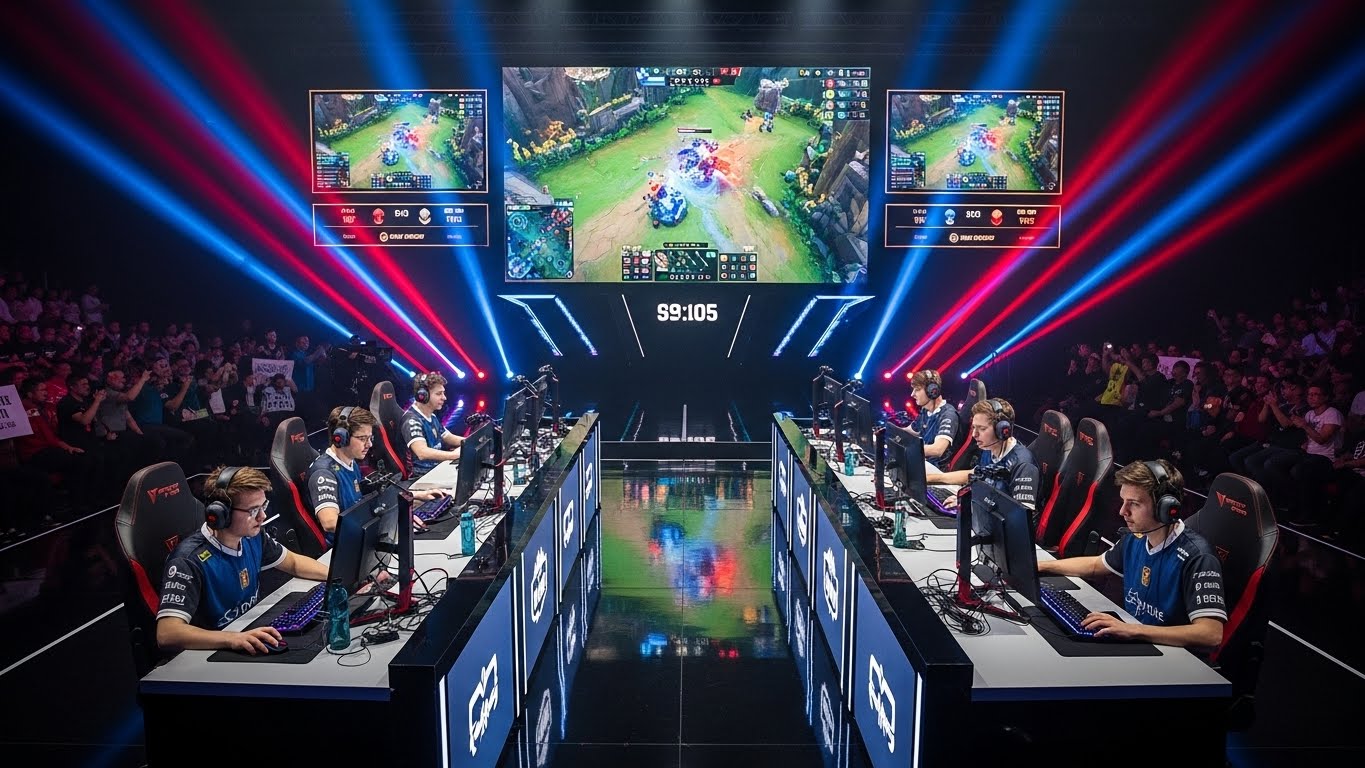
Like athletes, Esports players train for hours daily, maintain strict routines, and study game strategies. Teams employ coaches, analysts, and nutritionists to optimize performance. Tournaments require physical endurance, mental focus, and teamwork—qualities that define competitive sports.
Traditional sports organizations have also entered the Esports world. Football clubs, basketball teams, and even Formula 1 franchises now have their own Esports divisions. These collaborations blur the line between physical and digital competition, creating a hybrid sports culture for the modern age.
Challenges Facing the Esports Industry
Despite its success, Esports faces several challenges that must be addressed for sustainable growth. One of the major issues is player burnout. The pressure to perform at a high level, combined with long practice hours, can take a toll on mental and physical health. Many professional players retire young, highlighting the need for better support systems.
Another concern is the lack of standardization across tournaments and organizations. Unlike traditional sports with established governing bodies, Esports remains fragmented, with different rules, schedules, and formats depending on the game. This lack of structure can lead to scheduling conflicts and inconsistent player treatment.
Toxicity and online harassment are also persistent problems in gaming communities. Developers and organizations continue to implement policies to foster inclusivity and respect. Additionally, maintaining competitive integrity—ensuring fair play and preventing cheating—remains an ongoing priority.
Finally, financial stability for players and smaller organizations can be unpredictable. While top teams earn millions, many struggle to secure sponsorships or consistent income. Addressing these disparities will be crucial for the long-term health of the industry.
The Educational and Social Impact of Esports
Esports is increasingly being recognized for its educational and social benefits. Schools and universities are integrating gaming programs to teach teamwork, leadership, and strategic thinking. Esports can foster communication skills, creativity, and digital literacy, all of which are essential in the modern world.
Moreover, Esports brings people together. It transcends language and cultural barriers, allowing friendships and communities to form globally. For many, it offers a sense of belonging and identity. The inclusivity of Esports also provides opportunities for individuals with disabilities to compete on equal footing, something often difficult in physical sports.
The Future of Esports
The future of Esports looks incredibly bright. Analysts predict continued growth in viewership, sponsorships, and overall cultural influence. The integration of advanced technologies such as artificial intelligence, metaverse platforms, and blockchain-based economies could redefine how Esports is played and consumed.
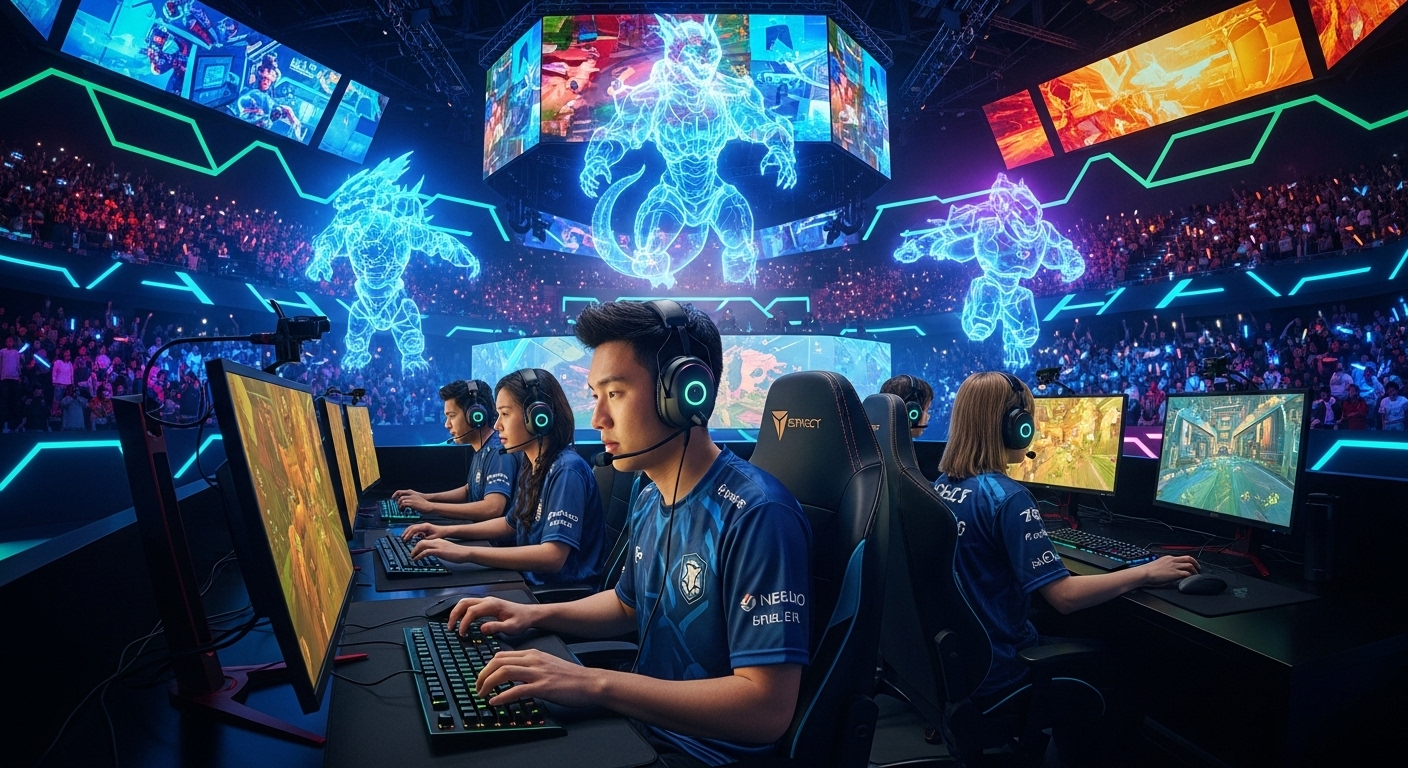
Virtual arenas and immersive viewing experiences are expected to revolutionize spectator engagement. The merging of gaming and education will further legitimize Esports as a pathway to professional success. Governments are beginning to recognize its potential for economic and cultural development, investing in infrastructure and policy support.
Mobile Esports will continue to drive expansion in emerging markets, ensuring that gaming remains a truly global phenomenon. With the continued collaboration between game developers, sponsors, and players, Esports is poised to become the defining entertainment form of the digital age.
Conclusion
Esports is far more than a trend; it is a revolution that reflects the evolution of technology, media, and culture. From the humble beginnings of arcade competitions to the grand stages of international tournaments, Esports has journeyed through decades of innovation and perseverance. It has created opportunities for millions, built global communities, and challenged the very definition of sport.
As the boundaries between the physical and digital worlds continue to blur, Esports stands at the forefront of this transformation. It symbolizes the creativity and resilience of a generation that grew up with technology and turned it into a platform for passion, competition, and connection. The story of Esports is still unfolding, and its next chapters promise to be even more exciting, inclusive, and influential than ever before.
In the end, Esports is not just about games—it is about people, dreams, and the limitless possibilities that emerge when human skill meets digital innovation. It is a testament to how far gaming has come and a glimpse into how far it will go.