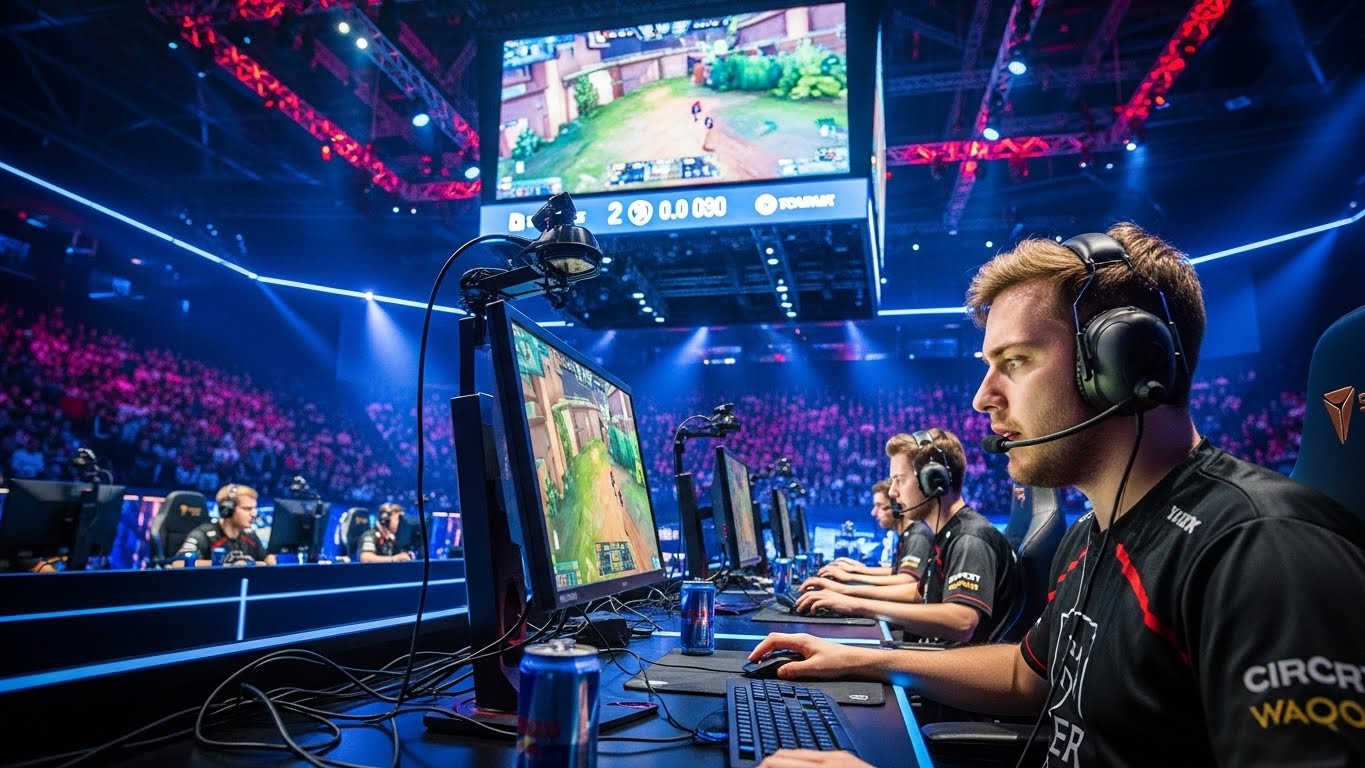
Esports has rapidly transformed from a niche pastime into a global phenomenon. Competitive gaming is no longer just a hobby—it is a serious industry, attracting millions of fans, professional players, and international tournaments. With advanced technology and online platforms, esports has created a new frontier in entertainment, sports, and digital culture.
The Origins of Esports
The roots of esports trace back to the early days of video gaming. Players would gather in arcades or small tournaments to compete for high scores or local recognition. As personal computers and gaming consoles became more accessible, competitions grew larger and more organized. Today, esports encompasses professional leagues, global tournaments, and a thriving community of gamers and fans.
Popular Esports Genres
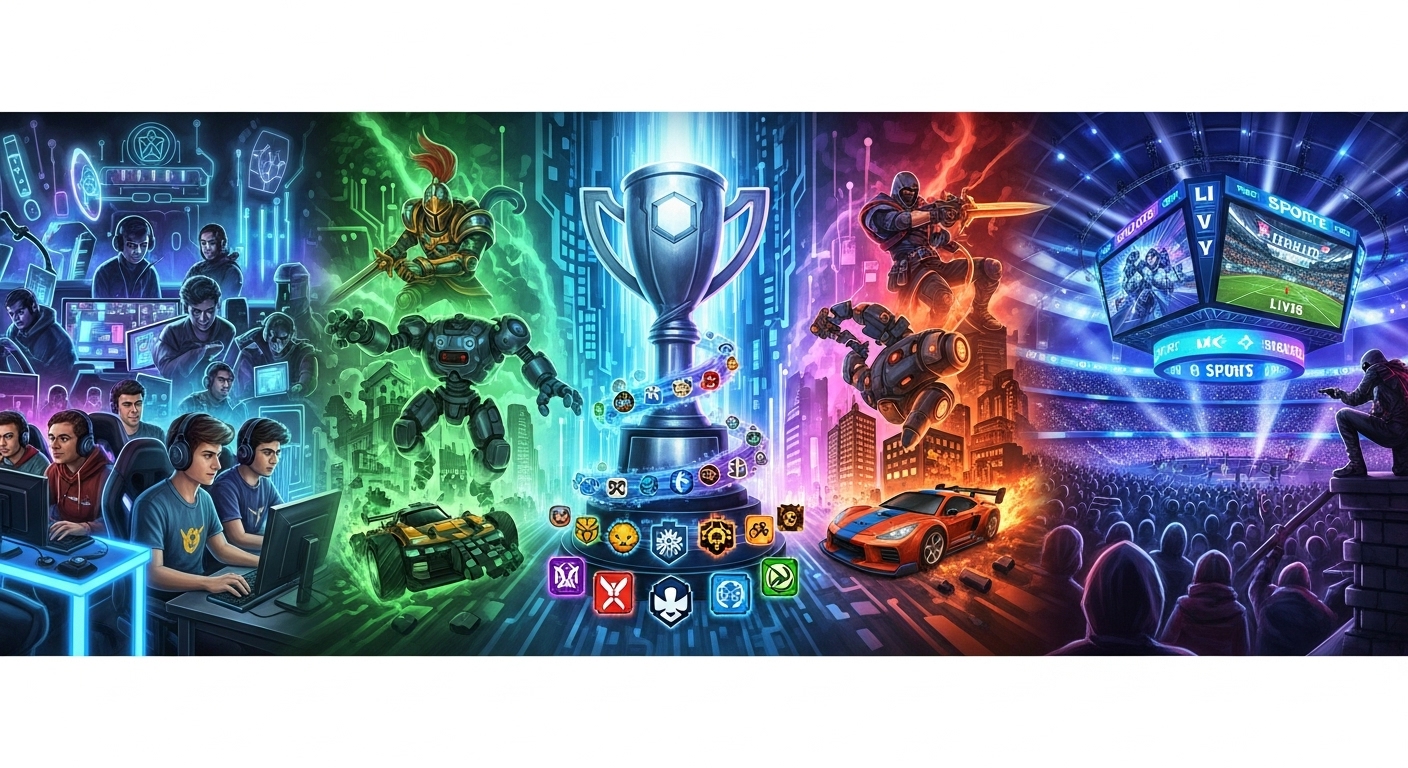
Esports is diverse, catering to many styles of gaming:
- First-Person Shooters (FPS): Games focused on speed, accuracy, and teamwork, requiring quick reflexes.
- Multiplayer Online Battle Arenas (MOBA): Strategy-heavy games where players control unique characters to defeat opponents and dominate maps.
- Real-Time Strategy (RTS): Games emphasizing resource management, tactical planning, and long-term strategy.
- Sports Simulations: Digital recreations of football, basketball, racing, and other traditional sports.
- Battle Royale: Competitive survival games where players must outlast opponents using skill, strategy, and adaptability.
The Global Reach of Esports
Esports is a worldwide phenomenon, connecting millions of players and spectators. Major tournaments fill stadiums and attract massive online viewership. Sponsorships, advertising, and merchandise have turned esports into a multi-billion-dollar industry. Universities and educational institutions are even offering esports programs and scholarships, showing its increasing legitimacy as a career path.
Benefits of Esports
Esports provides numerous cognitive, social, and professional benefits. Players develop strategic thinking, decision-making skills, and problem-solving abilities. Team-based games promote communication, collaboration, and leadership. Competitive gaming can also inspire discipline, perseverance, and time management. Beyond playing, esports opens career opportunities in coaching, commentary, event management, and content creation.
Challenges in the Esports Industry
Despite its popularity, esports faces challenges. Long hours of practice can lead to burnout and mental health concerns. Maintaining fair play and preventing cheating is critical for maintaining integrity. Additionally, ensuring sustainable careers for professional players and addressing issues like online harassment remain ongoing priorities.
The Future of Esports
The future of esports is bright and full of innovation. Emerging technologies such as virtual reality, augmented reality, and artificial intelligence will enhance both gameplay and spectator experiences. Esports will continue integrating with mainstream sports and entertainment, creating hybrid events and global competitions. As accessibility increases, esports is set to grow even further as a dominant force in digital culture.
Conclusion
Esports has evolved from casual gaming to a worldwide movement that combines competition, technology, and entertainment. It has created new communities, career paths, and experiences for millions of people. With innovation and dedication driving its growth, esports is poised to continue shaping the future of entertainment, connecting players and fans across the globe.