
The Emergence of Esports
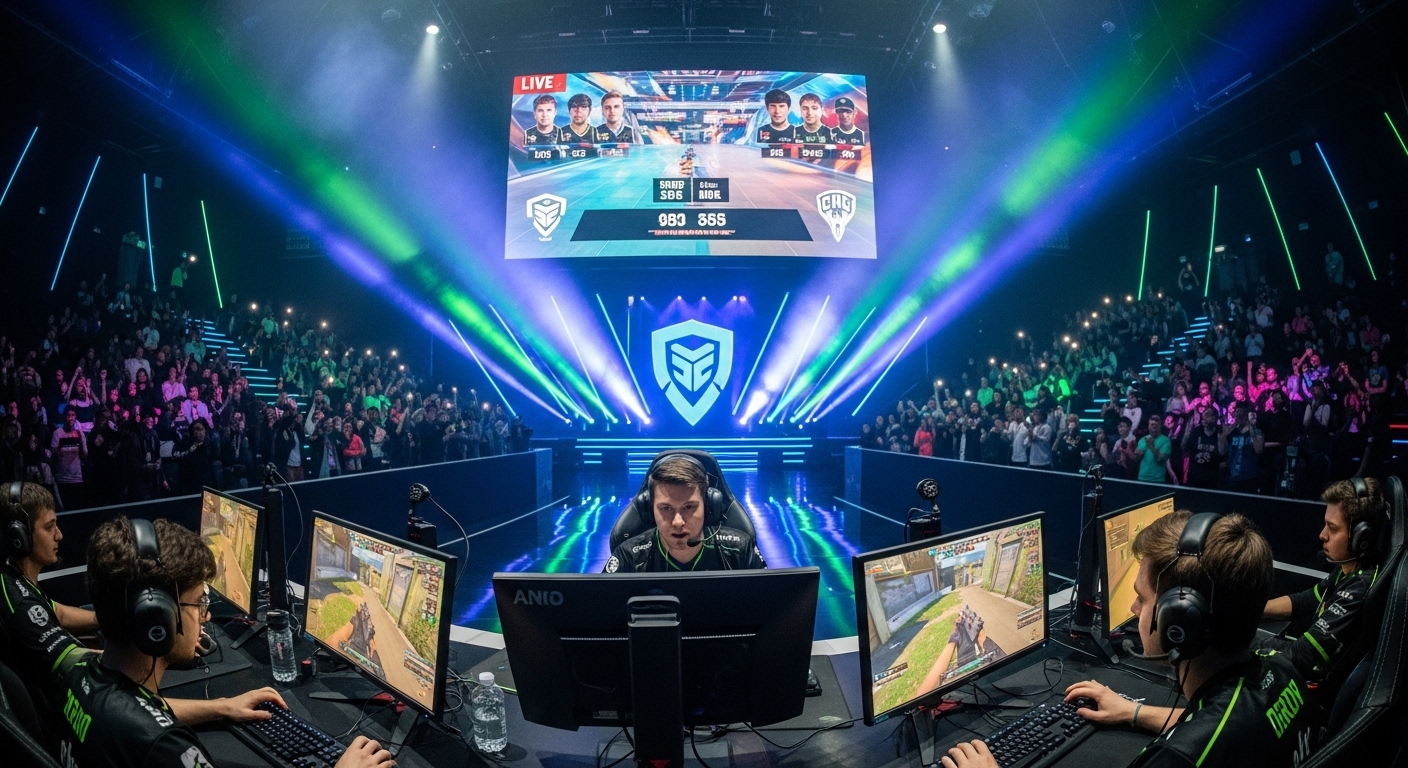
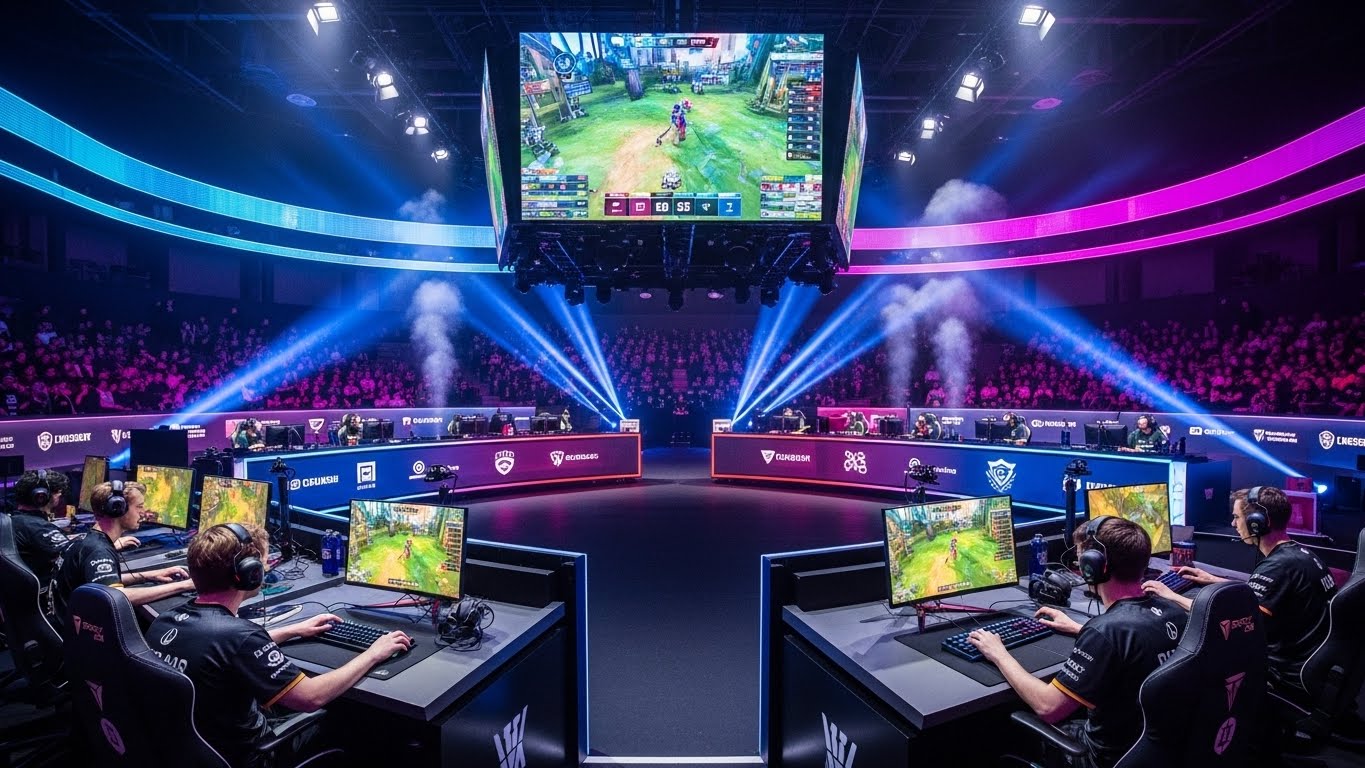
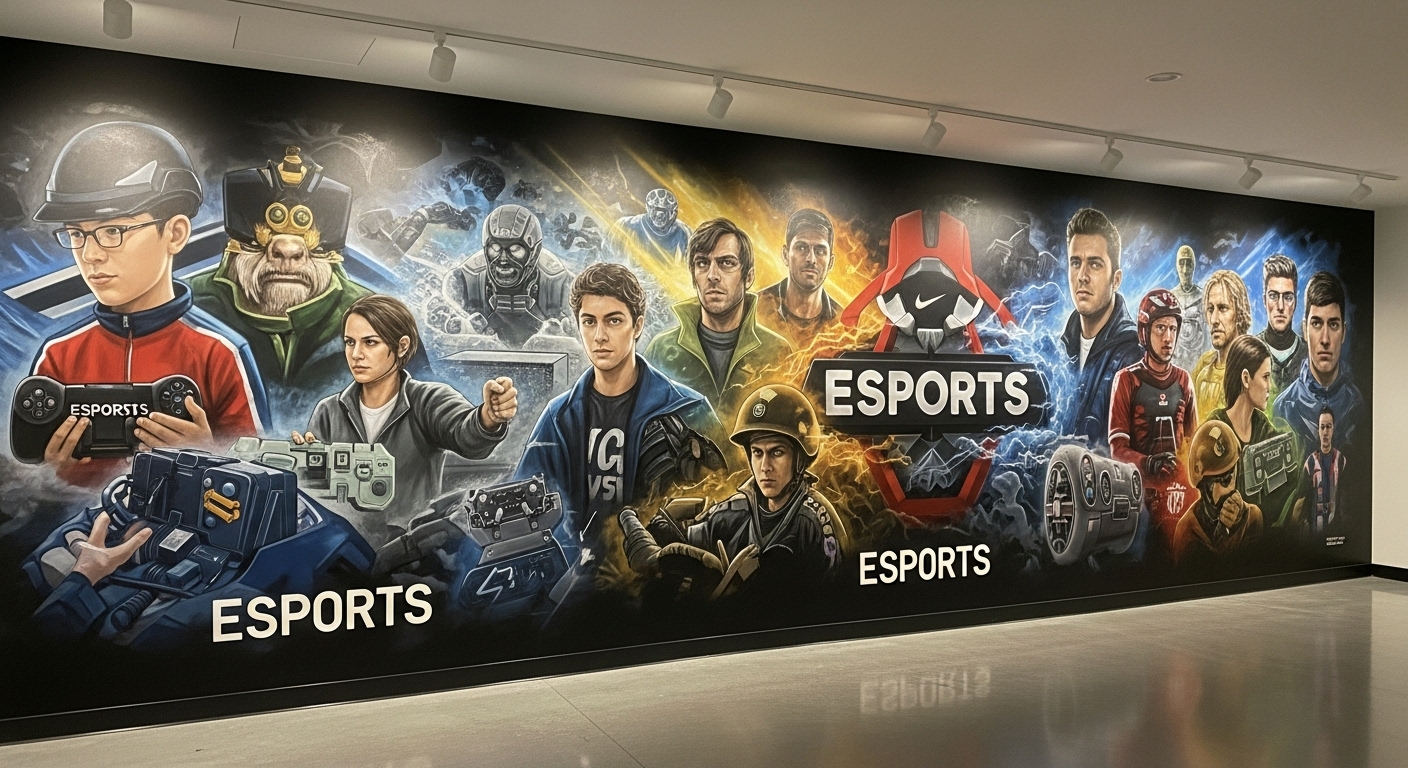
Esports, short for electronic sports, has grown into one of the most dynamic forms of entertainment in the modern world. What started as casual gaming among friends has evolved into a global industry where professional players compete in highly organized tournaments. Millions of fans watch live events, follow teams, and celebrate their favorite players, making esports a cultural and economic phenomenon.
The Professional Gaming Landscape
Competitive gaming today mirrors traditional sports in many ways. Professional players follow strict training routines, analyze strategies, and work closely with coaches and teammates to achieve peak performance. Sponsorships, endorsements, and organized leagues provide financial support, transforming esports into a legitimate career path for talented individuals worldwide.
Popular Esports Games
Esports covers a wide range of game genres. Multiplayer online battle arenas (MOBAs) like League of Legends and Dota 2 require teamwork and strategy. First-person shooters (FPS) such as Counter-Strike and Valorant emphasize reflexes and precision. Sports simulation games like FIFA and NBA 2K allow fans to compete virtually in real-world sports environments. Each game offers unique challenges, attracting diverse players and audiences.
Community and Social Impact
Esports has created vibrant communities across the globe. Streaming platforms allow fans to watch live matches, learn strategies, and interact with players. Online tournaments and forums foster social connections, giving players and fans a sense of belonging. This sense of community extends beyond the game, influencing culture, fashion, and social trends.
Skills Developed Through Esports
Competitive gaming develops a variety of cognitive and social skills. Strategy-based games improve problem-solving and critical thinking, while action games enhance reflexes and hand-eye coordination. Communication, teamwork, and decision-making are also critical in team-based games. These skills are not only valuable in gaming but also transferable to education, work, and personal development.
The Economics of Esports
The esports industry generates billions in revenue through sponsorships, advertising, merchandise, and tournament prize pools. Teams and organizations invest in talent, technology, and content creation to engage global audiences. The industry has created new job opportunities in game development, event management, streaming, and content production, making esports a major contributor to the digital economy.
Challenges in Esports
Despite its growth, esports faces challenges. Long hours of practice can lead to mental and physical strain. Online communities sometimes face issues with toxicity and cheating. Maintaining a healthy balance between competition and personal well-being is essential to ensure that esports remains a sustainable and positive environment for players.
The Future of Esports
The future of esports is bright, with technology driving innovation. Virtual reality, augmented reality, and artificial intelligence are making games more immersive and interactive. Esports is expected to reach even larger audiences, with tournaments becoming more sophisticated and global participation increasing. The industry continues to redefine entertainment and competition in the digital era.
Conclusion
Esports is more than just playing video games; it is a professional, cultural, and social movement. It combines skill, strategy, and entertainment to create experiences that engage millions worldwide. As the industry continues to grow, esports will reshape the landscape of competitive gaming, offering opportunities, excitement, and innovation for players, fans, and communities across the globe.