The Origins of Competitive Gaming
Long before stadiums were filled with cheering fans and millions watched online streams, competitive gaming existed as a niche hobby. In the late 1970s and early 1980s, video games began to capture the imagination of players around the world. Arcades became social hubs where friends competed for high scores, and small local tournaments started to emerge. The Space Invaders Championship of 1980 is often cited as one of the first large-scale gaming competitions, attracting thousands of participants and giving a glimpse into the potential of competitive gaming. While these early events were modest, they planted the seeds for an industry that would eventually grow into a global phenomenon.
The 1990s and early 2000s marked the transition from casual gaming to structured competitions. Games like StarCraft in South Korea, Counter-Strike in Europe, and Warcraft in North America laid the foundation for professional gaming. The introduction of multiplayer online games allowed competitors to challenge each other across cities, countries, and eventually continents. Internet connectivity enabled players to connect and compete in real-time, transforming eSports from a hobby into a potential career path. Early tournaments offered small prizes, but they set the stage for the organized leagues and massive international competitions that dominate the industry today.
The Rise of Professional eSports
What sets eSports apart from casual gaming is its professionalization. Players began to dedicate their lives to refining their skills, similar to traditional athletes. Teams formed, coaches were hired, and training regimens became rigorous and structured. South Korea was one of the first countries to fully embrace this model. The Korean eSports Federation organized leagues, promoted professional players, and brought gaming to mainstream media. StarCraft players became national celebrities, demonstrating that gaming could be a legitimate career.
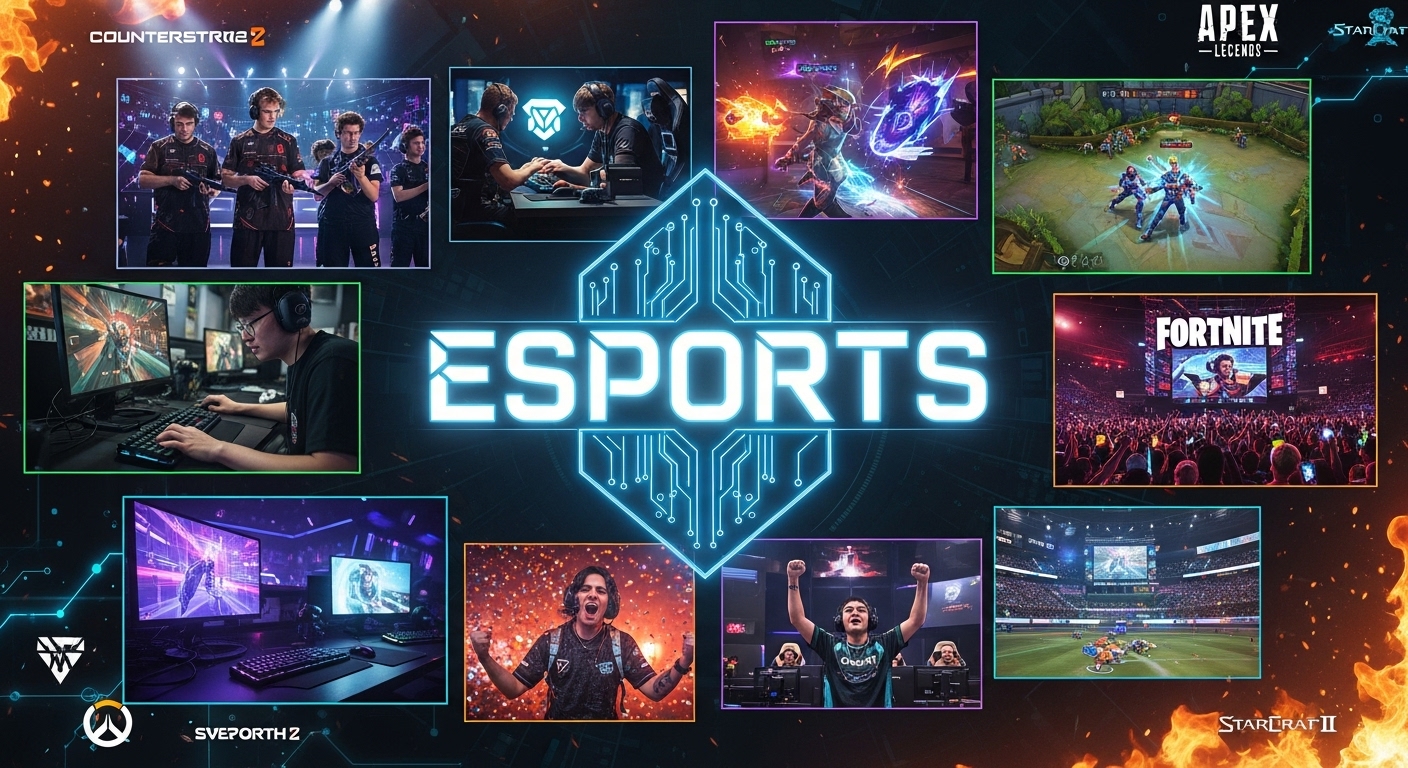
Other regions quickly followed. Europe, North America, and Southeast Asia established leagues and tournaments for popular games, attracting players and sponsors alike. Professional organizations emerged, managing rosters, securing sponsorship deals, and marketing players as public figures. Games such as League of Legends, Dota 2, and Counter-Strike became iconic in the professional scene, with competitive play dictating the evolution of strategies, gameplay, and even game design.
The Spectator Experience
One of the defining characteristics of eSports is its focus on spectatorship. Unlike traditional sports, where fans are often limited to physical venues or television broadcasts, eSports thrives on digital platforms. Streaming services such as Twitch, YouTube Gaming, and other platforms have revolutionized how audiences engage with competitions. Fans can watch live matches from anywhere in the world, interact with other viewers, and even communicate with players in real-time.
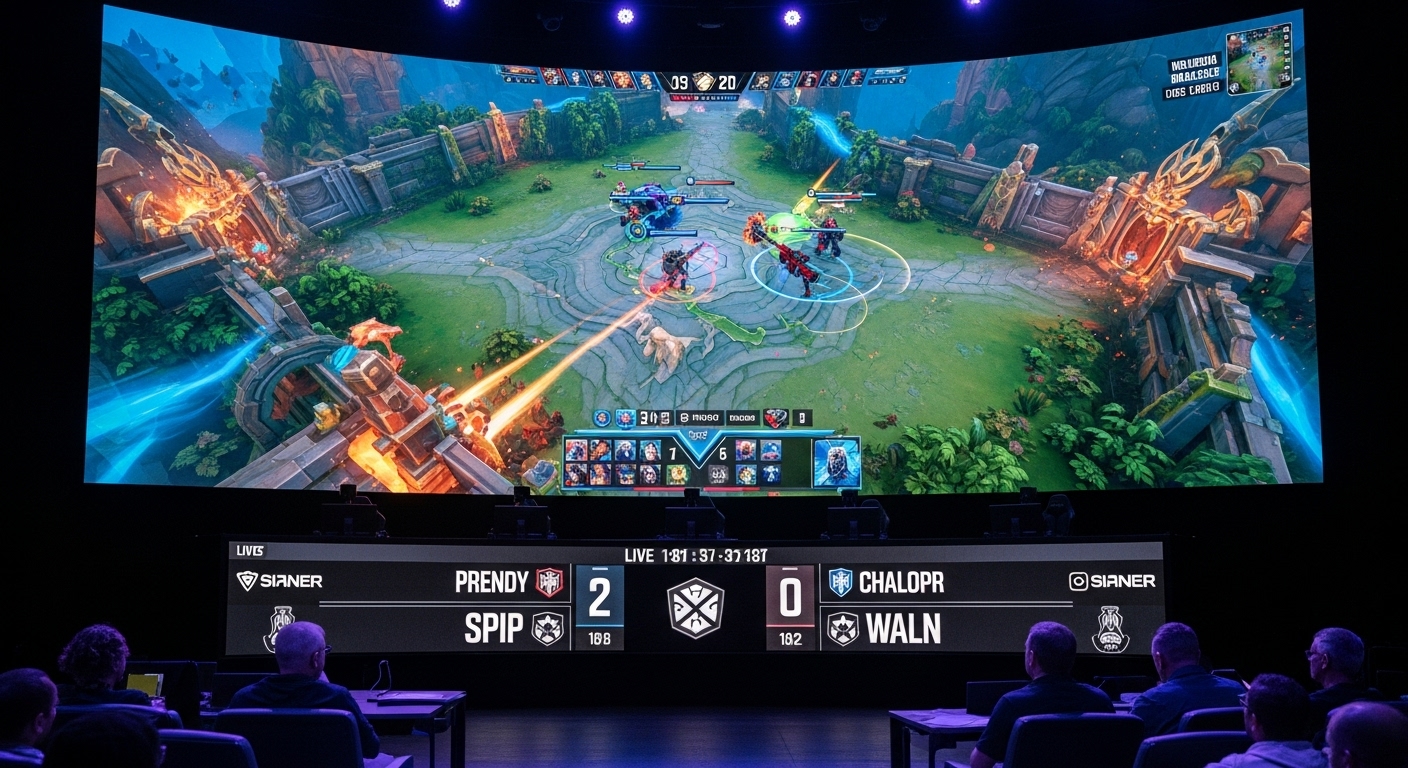
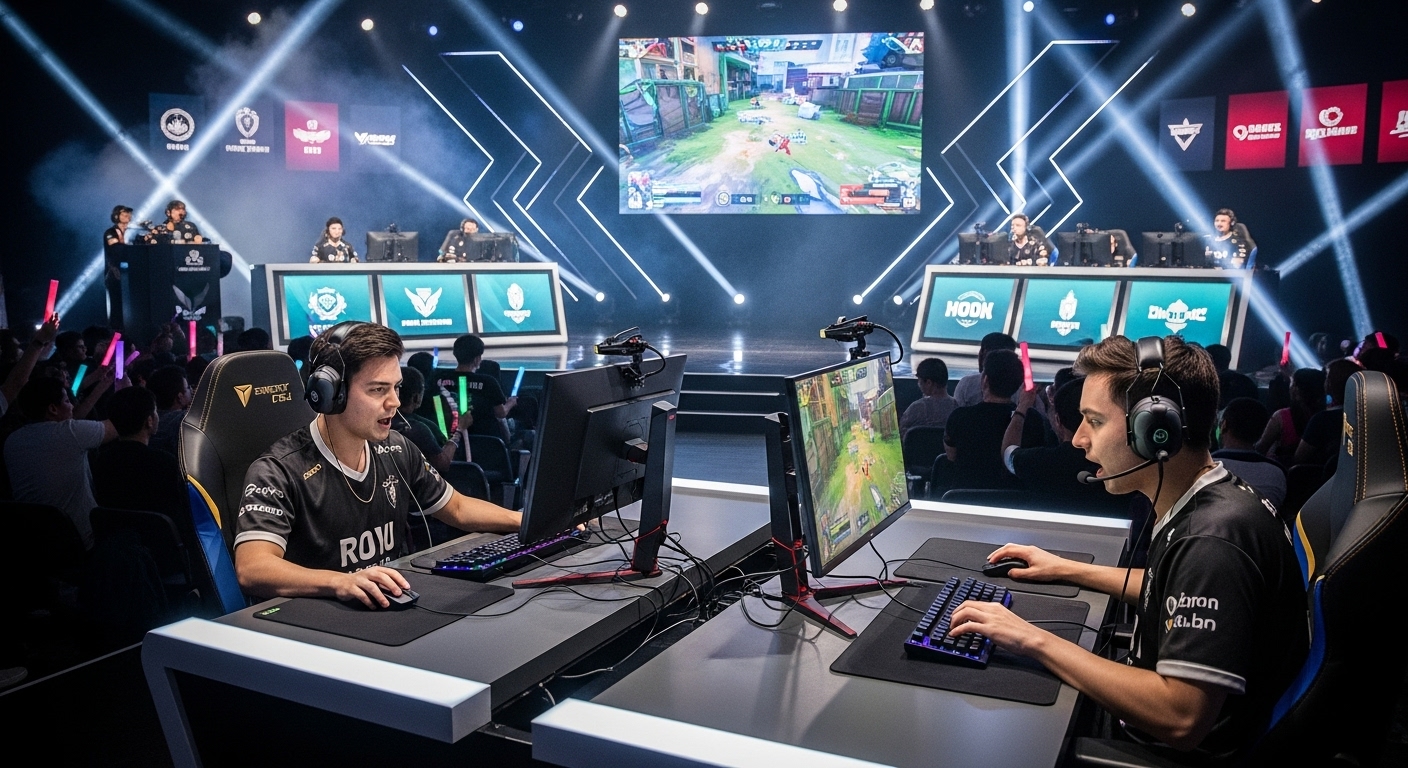
Large-scale tournaments have become events in their own right. Stadiums are filled with cheering fans, massive LED screens display gameplay, and commentators provide insights and narratives that enhance the excitement. The League of Legends World Championship and The International for Dota 2 are prime examples of events with multi-million-dollar prize pools and viewership that rivals major sporting finals. The sense of community created through these events is unique; fans celebrate victories, share defeats, and participate in the unfolding storylines of their favorite teams and players.
Economic Growth of eSports
The eSports industry has grown into a multi-billion-dollar business. Revenue streams include sponsorships, media rights, merchandise, advertising, and ticket sales. Corporations have recognized the potential of eSports as a platform to reach a digitally native audience. Unlike traditional sports, eSports fans are highly engaged online, making them an attractive demographic for brands.
Professional organizations have transformed the landscape. Teams like Team Liquid, Fnatic, T1, and Cloud9 operate across multiple games, managing players, securing sponsorships, and producing content for fans. Publishers such as Riot Games, Valve, and Blizzard play a pivotal role by organizing leagues, maintaining game ecosystems, and regulating tournaments. Additionally, streaming platforms provide an avenue for players to monetize their content directly, bridging the gap between athlete, entertainer, and influencer. This interconnected ecosystem has made eSports a viable career for thousands of professionals worldwide.
Training and Discipline of eSports Athletes
Professional eSports players are not merely gaming for leisure; their daily routines are highly structured and demanding. Training can exceed ten hours per day, involving not just gameplay but also strategy analysis, scrimmages against other teams, and studying opponents’ tactics. Mental endurance is crucial, as players must remain focused under intense pressure, where split-second decisions can determine the outcome of matches.
To support performance, teams employ coaches, analysts, physical trainers, and sports psychologists. Physical health is emphasized through exercise, nutrition, and proper rest, ensuring players maintain peak cognitive abilities. Ergonomic gaming setups and specialized training facilities are now common, reflecting the recognition that sustained professional play requires careful attention to both mind and body. The discipline and focus demanded by eSports are comparable to those of traditional athletes, challenging the stereotype that gaming is purely recreational.
Cultural Influence of eSports
eSports has grown into a cultural force that extends beyond gaming itself. Music, fashion, and entertainment industries now intersect with competitive gaming. Artists perform at tournaments, fashion brands collaborate with teams, and visual art inspired by games becomes part of mainstream culture. The lifestyle associated with eSports—innovation, creativity, and digital connectivity—shapes how younger generations express themselves.
Educational institutions have also embraced eSports. Universities offer scholarships and degree programs in eSports management, game design, and digital marketing. Schools recognize that gaming fosters critical thinking, teamwork, and strategic problem-solving skills. In countries like South Korea, eSports players are recognized at a national level, with government support and professional opportunities comparable to traditional sports. The global impact of eSports demonstrates that it is more than entertainment; it is a social and economic movement that bridges communities and cultures.
Psychological Demands of Competitive Gaming
Mental resilience is a core component of success in eSports. Players must maintain focus under high-pressure situations, adapt strategies in real-time, and remain calm when outcomes hang on milliseconds of reaction time. This cognitive intensity parallels the mental demands faced by elite athletes in traditional sports.
Sports psychologists work closely with teams to optimize performance, offering guidance on concentration, stress management, and emotional regulation. Player burnout is a significant concern, as the relentless pace of practice and competition can take a toll on mental health. Addressing these challenges has become a priority for organizations committed to sustaining long-term careers and fostering a healthy competitive environment.
Challenges Facing the eSports Industry
Despite remarkable growth, eSports faces challenges that threaten sustainability and fairness. One issue is the lack of centralized governance. Each game is controlled by its publisher, leading to variations in rules, contracts, and player protections. Match-fixing, cheating, and online harassment are additional concerns that can undermine the credibility of competitions.
Player longevity is another challenge. Many professional gamers retire in their early twenties due to mental and physical strain. Developing systems to ensure proper healthcare, balanced workloads, and post-career opportunities is critical. Accessibility also remains an issue, as high-performance gaming equipment can be expensive, limiting participation for talented players in lower-income regions. Addressing these challenges is essential for the long-term growth and inclusivity of the industry.
The Role of Technology in eSports
Technology underpins every aspect of eSports. High-speed internet, powerful hardware, and sophisticated software enable seamless gameplay, while streaming technology connects audiences worldwide. Advances in artificial intelligence provide analytical tools that help players refine strategies and track performance metrics. AI-driven simulations allow teams to practice specific scenarios repeatedly, improving decision-making under pressure.
Virtual reality and augmented reality represent the next frontier. These technologies could redefine competitive gaming by creating immersive environments that blend physical and digital experiences. Mobile gaming is also expanding the reach of eSports, particularly in regions where smartphones are the primary platform for gaming. By lowering barriers to entry, mobile eSports democratizes competition, giving more players the chance to showcase their skills.
Regional and Local Leagues
While global tournaments receive widespread attention, local and regional leagues form the foundation of eSports ecosystems. These competitions nurture talent, build fan communities, and provide pathways for players to ascend to international stages. Countries are investing in infrastructure, including arenas, training facilities, and coaching programs, recognizing the economic and cultural value of competitive gaming.
Regional leagues also produce national heroes, players who embody pride and inspire aspiring competitors. This dynamic fosters a sense of identity and loyalty within communities, strengthening the overall appeal and sustainability of eSports.
Fans, Community, and Social Dynamics
The community aspect of eSports is central to its success. Fans are active participants who contribute to culture through art, commentary, and digital interaction. Online forums and social media platforms allow enthusiasts to connect globally, sharing insights and celebrating achievements.
Storytelling plays a vital role in engaging audiences. Rivalries, comebacks, and underdog victories create narratives that captivate fans, giving emotional weight to every match. This level of engagement differentiates eSports from traditional forms of entertainment and fosters deep, lasting connections between players and spectators.
The Future of eSports
Looking ahead, eSports is poised for unprecedented growth. Technological advancements will continue to expand the possibilities of gameplay, viewing experiences, and training. Hybrid competitions that combine virtual and physical elements may redefine traditional sports boundaries. Educational institutions and governments increasingly recognize the value of eSports, integrating it into curricula and youth programs.
Sustainability, player welfare, and inclusivity will be key to the long-term success of the industry. Ethical regulations, better healthcare support, and accessible infrastructure will ensure that eSports remains fair, safe, and rewarding for players and fans alike. As recognition grows, the possibility of eSports being included in international sporting events such as the Olympics is increasingly plausible, reflecting its legitimacy as a global competitive sport.
Conclusion: eSports as a Modern Cultural Phenomenon
eSports has transcended its origins as a casual hobby to become a global cultural, economic, and social force. It challenges traditional notions of sport, athleticism, and competition, emphasizing skill, strategy, and mental endurance over physicality. From small local tournaments to stadium-filling championships, eSports has captured the imagination of millions, creating new opportunities for players, fans, and industries alike.
In the digital age, eSports demonstrates how technology can reshape culture and redefine competition. It is more than a game; it is a movement that unites people across borders, genders, and generations. As it continues to evolve, eSports will inspire new generations to compete, create, and connect, leaving an enduring legacy that redefines the meaning of victory in the modern world.