Introduction: Why Storytelling Matters in Esports
Esports is no longer just about pixels on a screen and reflexes per second. While gameplay remains at the heart, what elevates competitive gaming into a global spectacle is storytelling. From the underdog teams who shock the world, to legendary rivalries that span years, to players whose personalities capture millions of fans — storytelling is the glue that turns esports into culture.
Much like traditional sports, where narratives of dynasties, heroes, villains, and iconic moments define history, esports relies on its own stories to build meaning beyond the game. Without these stories, even the most skilled plays would fade into obscurity. But when framed within a larger narrative, those plays become unforgettable — etched into esports history.
In this blog, we’ll explore the art of esports storytelling: how it works, why it matters, the mediums used, and how it continues to evolve with new audiences and platforms.
1. The Foundations of Esports Storytelling
Competition as Narrative
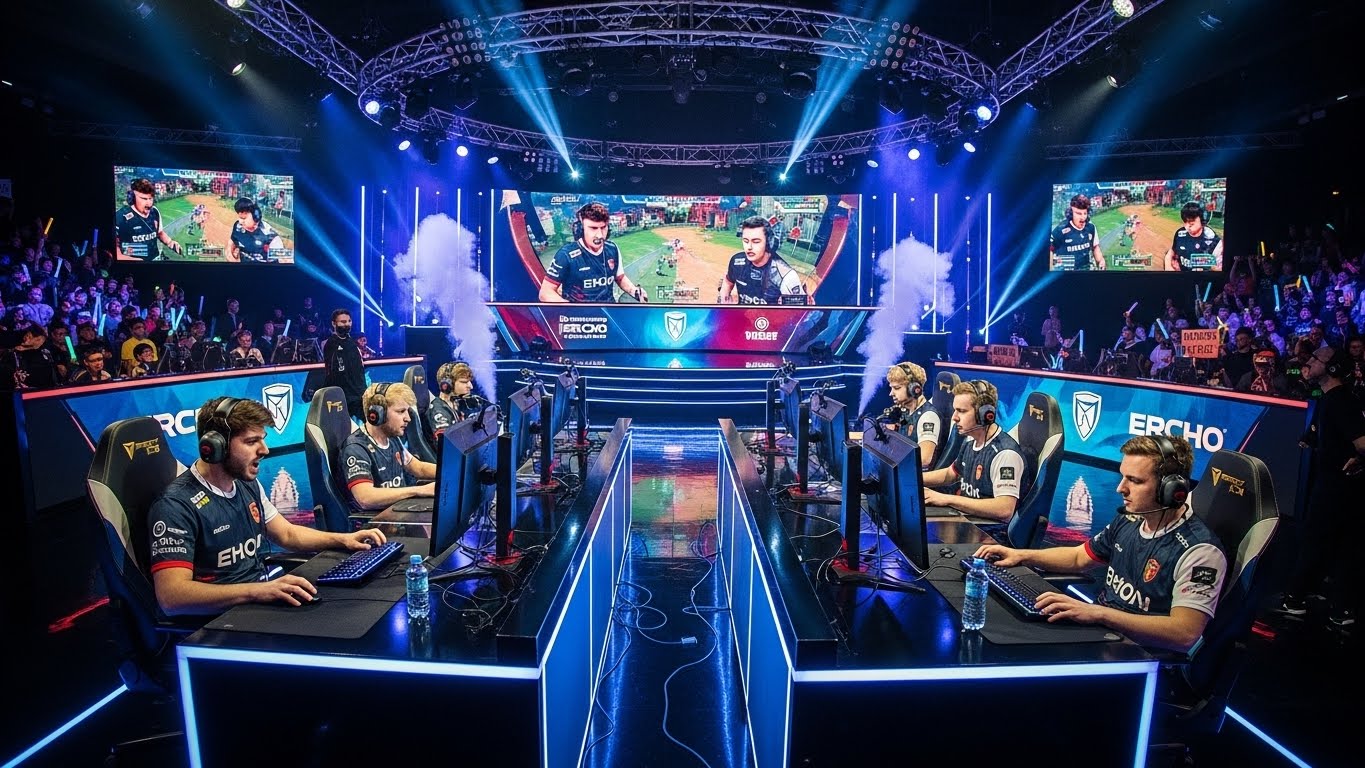
At its core, every match tells a story: two teams enter, one emerges victorious. The stakes, strategies, and emotions transform simple competition into a drama with tension, climax, and resolution.
A best-of-five series, for example, mirrors a three-act structure. The opening games set the stage, the middle maps raise stakes with unexpected twists, and the final map delivers resolution. When combined with compelling commentary and production, this structure creates gripping narratives even without additional context.
Heroes, Villains, and Underdogs
Just as in literature or cinema, esports thrives on archetypes:
- The Hero: A beloved player or team striving for glory (e.g., Faker in League of Legends).
- The Villain: A dominant team others want to see fall (e.g., Astralis during their CS:GO dominance).
- The Underdog: Teams with little expectation who rise against the odds (e.g., OG’s Cinderella run at The International 2018).
Audiences are drawn to these familiar roles, projecting emotions onto them and rooting accordingly.
The Human Element
Behind every gamer tag lies a real person: a teenager chasing dreams, a veteran fighting to stay relevant, or a coach shaping strategies from the shadows. Their journeys — filled with hardships, triumphs, and sacrifices — make esports stories deeply relatable.
2. Historical Milestones That Shaped Esports Storytelling
The Rise of Legendary Rivalries
Esports history is littered with rivalries that fans still talk about:
- Na’Vi vs. Alliance (Dota 2, 2013): Their iconic TI3 Grand Finals highlighted strategy clashes and unforgettable plays.
- SKT vs. Samsung (League of Legends, 2016–2017): A saga of dynasties, revenge, and redemption.
- Cloud9 vs. FaZe Clan (CS:GO, ELEAGUE Boston Major 2018): North America’s first Major win, cemented in history.
These rivalries are remembered not only for gameplay but for the narratives built around them — dynasties versus challengers, veterans versus newcomers, heartbreak versus triumph.
Moments That Defined Generations
Some plays become immortalized because of how they fit into larger narratives:
- “The Play” (Dota 2, TI3): A perfectly executed defense by Na’Vi, retold endlessly as a symbol of brilliance.
- Faker’s Zed Outplay (LoL, 2013): The moment that cemented Faker’s reputation as “The Unkillable Demon King.”
- C9’s Boston Miracle Run (CS:GO, 2018): A storyline of perseverance, national pride, and destiny.
Each of these moments was amplified by commentary, crowd reactions, and post-event media, turning them from gameplay into myths.
3. The Role of Commentators and Analysts
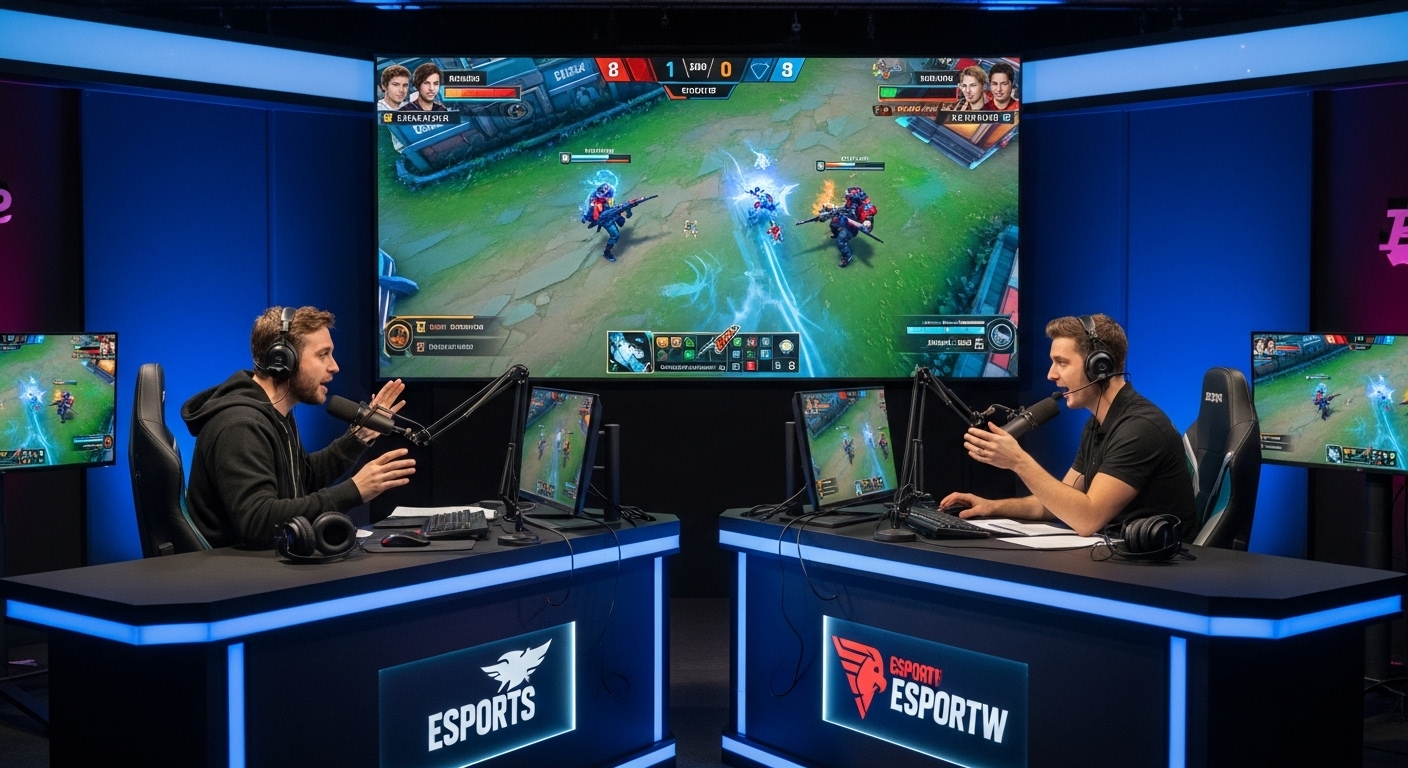
Esports storytelling relies heavily on the voices guiding audiences through the action. Commentators, also known as casters, do more than describe the game — they frame the narrative in real-time.
Commentary as Storytelling
- Hype Moments: Casters amplify excitement during climactic plays (“HE’S DONE IT! UNBELIEVABLE!”).
- Context: They remind audiences of rivalries, past losses, and stakes to build emotional weight.
- Characters: Analysts provide depth, explaining strategies and giving meaning to player choices.
For example, the casting of C9’s Boston Major win wasn’t just about plays — it was about contextualizing history being made in front of the world.
4. Esports Organizations and Narrative Building
Branding Through Story
Teams don’t just compete — they brand themselves around stories:
- Fnatic: A legacy org often framed as a pioneer and consistent contender.
- G2 Esports: A team with a cheeky, self-aware narrative that resonates with fans online.
- T1: A dynasty story built around Faker’s legendary career.
These narratives aren’t accidental — organizations curate them through social media, content, and fan engagement.
Content Beyond the Stage
Documentaries, vlogs, and behind-the-scenes videos give fans deeper insights into players’ journeys. Netflix’s League of Legends: Arcane showed how narrative expands beyond competition, while Free to Play (Valve’s Dota 2 documentary) humanized early esports legends.
5. Platforms of Esports Storytelling
Twitch and Live Streams
Live broadcasting isn’t just about gameplay; it’s a live narrative unfolding. Streamers, casters, and chat communities collectively shape the story in real time.
YouTube Documentaries
Long-form content like player spotlights, tournament recaps, and org-produced series provide context fans may have missed. For example, The Score Esports’ YouTube documentaries have become staples of esports history-telling.
Social Media
Twitter threads, memes, and viral clips distill stories into digestible, shareable moments. These micro-narratives expand reach beyond hardcore fans, drawing casuals into the fold.
Traditional Media and Crossover
As esports gains mainstream attention, features on platforms like ESPN, BBC, or Netflix frame players as global athletes — turning niche stories into universal ones.
6. The Emotional Core of Esports Narratives
Triumph and Heartbreak
For every champion’s tale, there’s a story of heartbreak. The emotions of a reverse sweep, a player breaking down on stage, or a crowd chanting a name are as important as the gameplay.
Identity and Representation
Esports stories also connect to identity:
- Regional Pride: Fans rally around their regions (Korea in LoL, China in Dota, NA’s rare triumphs).
- Cultural Representation: Players become icons for their countries, inspiring new generations.
- Personal Stories: From poverty to superstardom, many players’ backgrounds inspire fans beyond the game.
7. Challenges in Esports Storytelling
Oversaturation of Content
With so many tournaments across multiple titles, not every story gets attention. Fans may struggle to keep up, diluting narratives.
Language and Regional Barriers
Esports is global, but language divides limit storytelling reach. Translators, localized content, and international production help bridge gaps but remain inconsistent.
Short Careers, Rapid Shifts
Unlike traditional sports where legends may compete for decades, esports careers can be short. Narratives must adapt quickly as stars retire or fade away.
8. The Future of Esports Storytelling
Integration of Technology
- Augmented Reality (AR): Enhancing storytelling with live visual overlays.
- AI-Powered Narratives: Automatically generating highlights and story arcs.
- Immersive VR Viewing: Fans experiencing games as though they’re in the arena.
Crossovers with Mainstream Culture
As esports integrates further into pop culture, stories will blend with music, film, and fashion. Imagine a Marvel-style cinematic universe built around real esports players and rivalries.
Grassroots Narratives
Future storytelling will highlight not only pro players but also grassroots communities — streamers, amateur tournaments, and everyday gamers who embody the spirit of esports.
9. Lessons From Traditional Sports
Esports can learn much from sports like football, basketball, or MMA, where storytelling has been refined over decades:
- Highlight Packages: Quick recaps that turn games into digestible narratives.
- Player Journeys: Chronicling careers through ups and downs.
- Mythmaking: Building legends around players like Michael Jordan — something esports is already doing with figures like Faker and Dendi.
10. Conclusion: The Story is the Soul of Esports
Esports without storytelling would be a blur of matches and stats. What gives meaning to the spectacle is the art of turning competition into narrative — transforming gameplay into myth, players into heroes, and tournaments into sagas.
The true beauty of esports storytelling is that it’s collective. It’s told by casters, teams, organizations, journalists, fans, memes, and even the players themselves. Each contributes a piece of the larger narrative tapestry that defines esports history.
As the industry evolves, the demand for compelling stories will only grow. In the end, while games will change and metas will shift, stories will remain the immortal legacy of esports.