Introduction: The Digital Arena Comes of Age
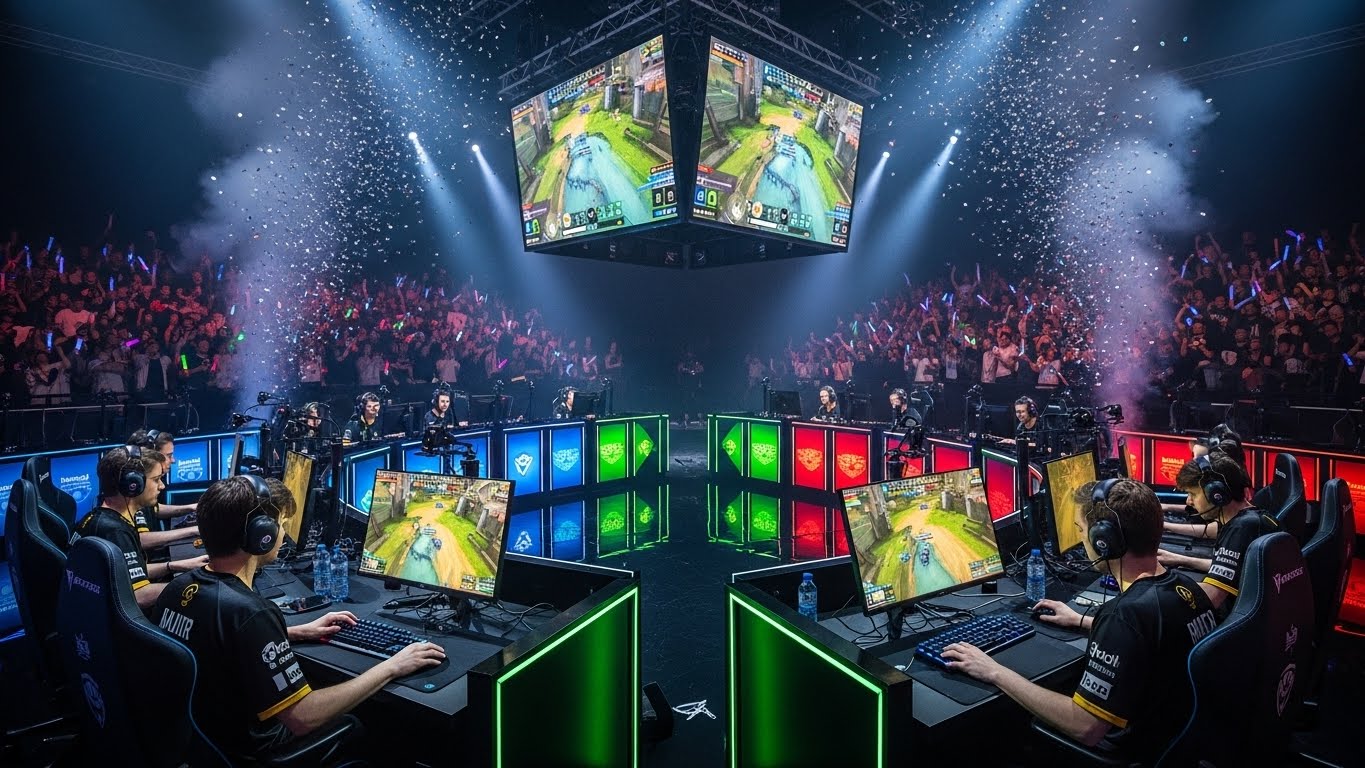
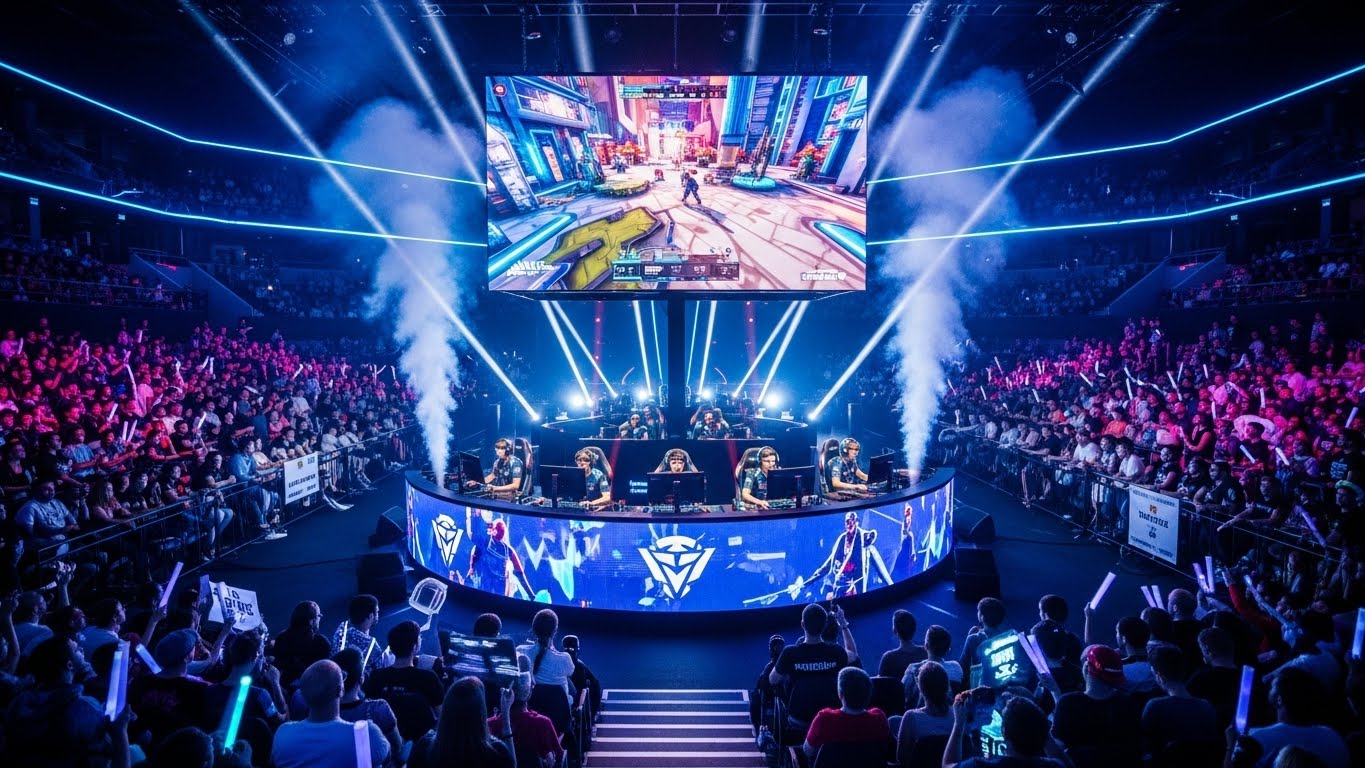
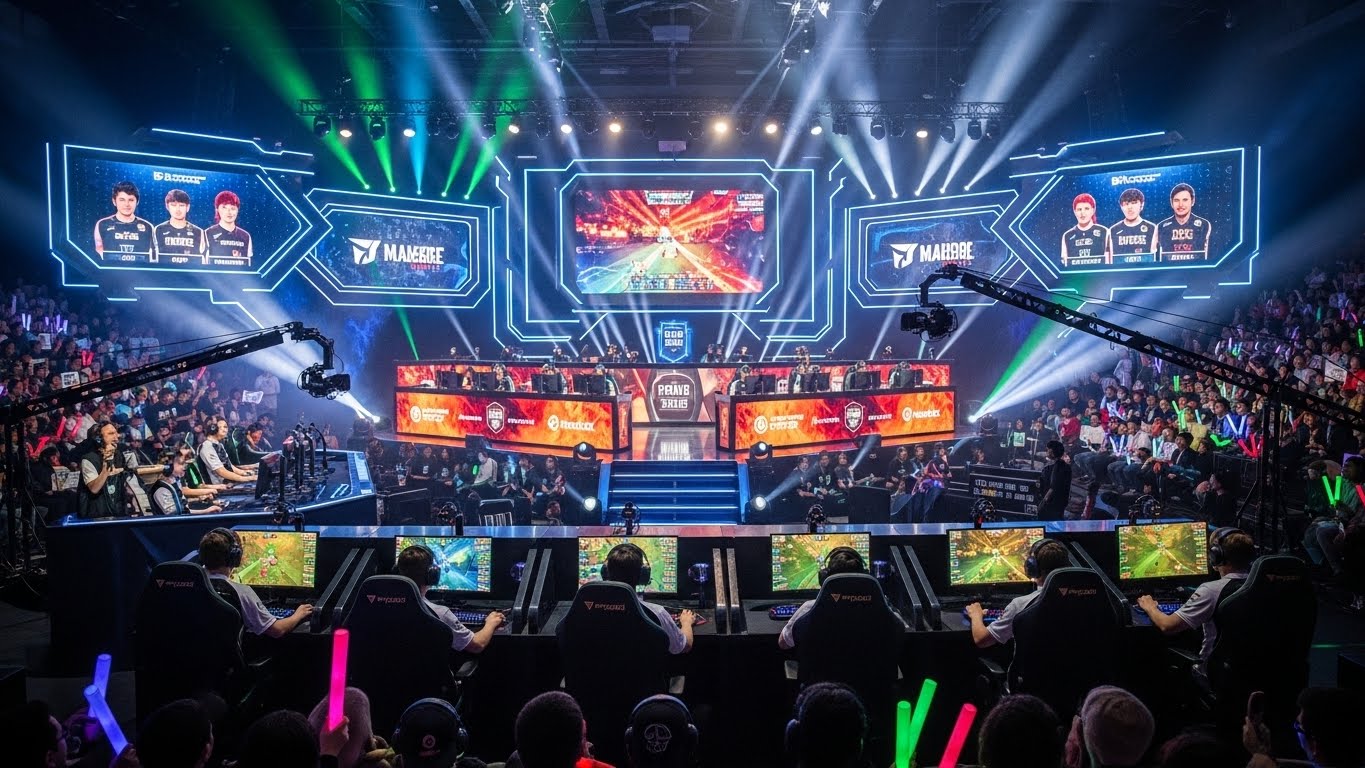
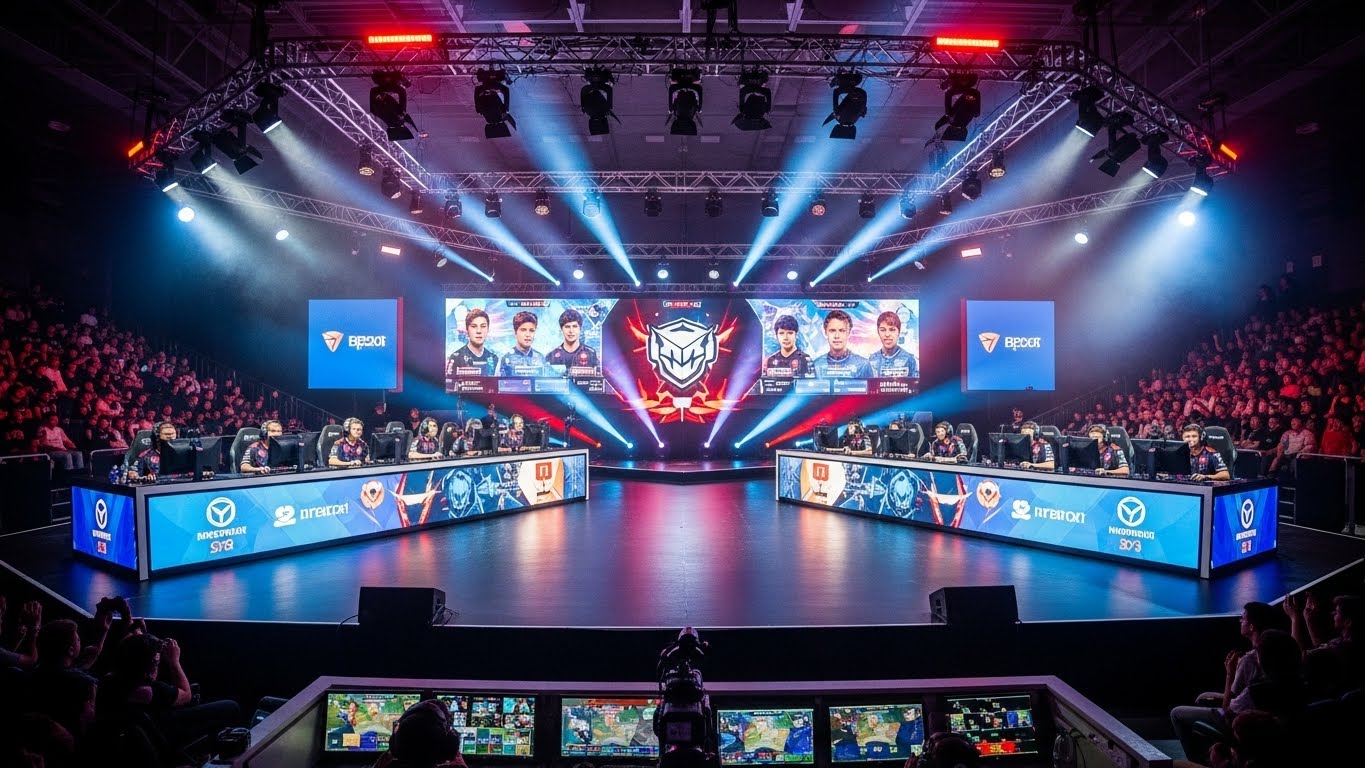
Esports has moved far beyond the image of casual gaming in bedrooms and internet cafés. Today, it stands as a global competitive ecosystem where elite players, massive audiences, and sophisticated organizations converge. Stadiums fill with fans cheering for their favorite teams, millions more watch from home, and professional players train with the discipline of traditional athletes. Esports is not simply about games; it is about competition, identity, innovation, and opportunity. This blog explores how esports evolved, why it captivates audiences worldwide, and what its rise means for the future of sports and entertainment.
The Evolution of Competitive Gaming
Competitive gaming existed long before the term esports became popular. Early arcade tournaments and local multiplayer competitions laid the foundation for organized play. As personal computers and consoles improved, games became more complex, enabling deeper strategies and higher skill ceilings. The spread of high-speed internet transformed everything, allowing players from different countries to compete in real time. What once required physical proximity became a global contest, setting the stage for professional leagues, international tournaments, and global fan bases.
From Hobby to Profession
One of the most remarkable aspects of esports is how quickly it transformed from a hobby into a viable profession. Early competitive players competed for pride and modest prizes, often balancing gaming with school or full-time jobs. As audiences grew, sponsors recognized the marketing potential of reaching younger, tech-savvy viewers. Prize pools expanded dramatically, teams formed structured organizations, and players began signing contracts. Today, top esports professionals earn salaries, prize money, and sponsorship income that rival those of athletes in established sports.
The Games That Define Esports
Esports is not a single game or genre; it is a collection of competitive titles, each with its own culture and community. Strategy-based games emphasize teamwork, map control, and long-term planning. First-person shooters reward precision, reflexes, and tactical awareness. Sports simulations mirror real-world athletics, while fighting games focus on individual skill and mental endurance. This diversity allows esports to appeal to a wide range of players and viewers, ensuring that there is a competitive scene for nearly every taste.
Skill, Strategy, and the Esports Athlete
Contrary to outdated stereotypes, esports athletes require intense training and discipline. Professional players practice for hours each day, refining mechanics, studying opponents, and developing team strategies. Mental strength is as important as physical reflexes, as high-pressure matches demand focus, adaptability, and emotional control. Many teams employ coaches, analysts, and psychologists to help players perform consistently. Nutrition, sleep, and physical fitness are also gaining attention, as players recognize the connection between bodily health and in-game performance.
The Role of Teams and Organizations
Behind every successful esports player is an organization that provides structure and support. Teams manage contracts, training schedules, branding, and logistics. They also build identities that fans can rally behind, much like traditional sports clubs. Rivalries between teams fuel narratives that keep audiences engaged season after season. These organizations act as the backbone of the esports industry, turning individual talent into sustainable competitive success.
Broadcasting and the Viewer Experience
Esports thrives on its ability to connect with viewers. Matches are broadcast with professional commentary, analysis, and high-quality production. Unlike traditional sports, esports broadcasts often integrate live statistics, player perspectives, and interactive elements that deepen viewer engagement. Fans can learn strategies, follow storylines, and feel closer to players through behind-the-scenes content. This interactive nature helps transform passive viewers into active community members.
Community and Global Culture
One of the defining strengths of esports is its global inclusivity. Players and fans from different cultures, languages, and backgrounds come together around shared passion. Online communities discuss strategies, celebrate victories, and debate rivalries. Events become cultural gatherings where cosplay, music, and fan art coexist with competition. Esports culture is shaped not only by professional players but also by the millions of fans who contribute creativity and energy to the scene.
Economic Impact and Industry Growth
The esports industry has grown into a significant economic force. Revenue streams include sponsorships, media rights, merchandise, ticket sales, and in-game purchases. Cities compete to host major tournaments, benefiting from tourism and global exposure. Educational institutions offer scholarships and programs related to esports, recognizing its potential as a career pathway. As investment continues, the industry creates jobs not only for players but also for broadcasters, event organizers, marketers, developers, and technical specialists.
Esports and Education
Esports has begun to influence education in meaningful ways. Schools and universities establish teams and clubs that promote teamwork, strategic thinking, and digital literacy. Competitive gaming programs can engage students who might not participate in traditional sports, offering a sense of belonging and achievement. Beyond competition, esports-related curricula teach skills in technology, media production, and business, preparing students for a rapidly evolving digital economy.
Challenges and Criticism
Despite its growth, esports faces challenges. Concerns about player burnout, mental health, and career longevity are increasingly discussed. The fast-paced nature of the industry can lead to instability, with players facing short careers if they fail to adapt. There are also debates about inclusivity, fair competition, and the balance between commercialization and community values. Addressing these issues is essential for ensuring sustainable growth and maintaining the trust of players and fans.
The Relationship with Traditional Sports
Esports is often compared to traditional sports, sometimes viewed as a competitor and other times as a complement. Many traditional sports organizations have invested in esports teams or leagues, recognizing shared principles such as competition, fandom, and entertainment. Esports challenges conventional definitions of athletics, expanding the idea of what it means to compete at a high level. Rather than replacing traditional sports, esports adds a new dimension to the global sports landscape.
Technology as the Driving Force
At its core, esports is powered by technology. Advances in hardware, software, and connectivity continuously reshape how games are played and viewed. Innovations such as virtual reality, augmented reality, and artificial intelligence have the potential to further transform competitive gaming. As technology evolves, so too will esports, maintaining its position at the intersection of entertainment and innovation.
The Future of Esports
Looking ahead, esports shows no sign of slowing down. New games will emerge, existing titles will evolve, and audiences will continue to grow. Greater emphasis on player welfare, diversity, and sustainability is likely to shape the next phase of development. Esports may become even more integrated into mainstream culture, influencing how people think about competition, teamwork, and digital interaction.
Conclusion: More Than a Game
Esports is more than a trend or a pastime; it is a reflection of a connected, digital world. It brings people together across borders, creates new forms of entertainment, and offers career paths that did not exist a generation ago. By blending competition, technology, and community, esports redefines what it means to be a sport in the modern era. As it continues to evolve, esports will remain a powerful symbol of how passion and innovation can turn play into purpose.