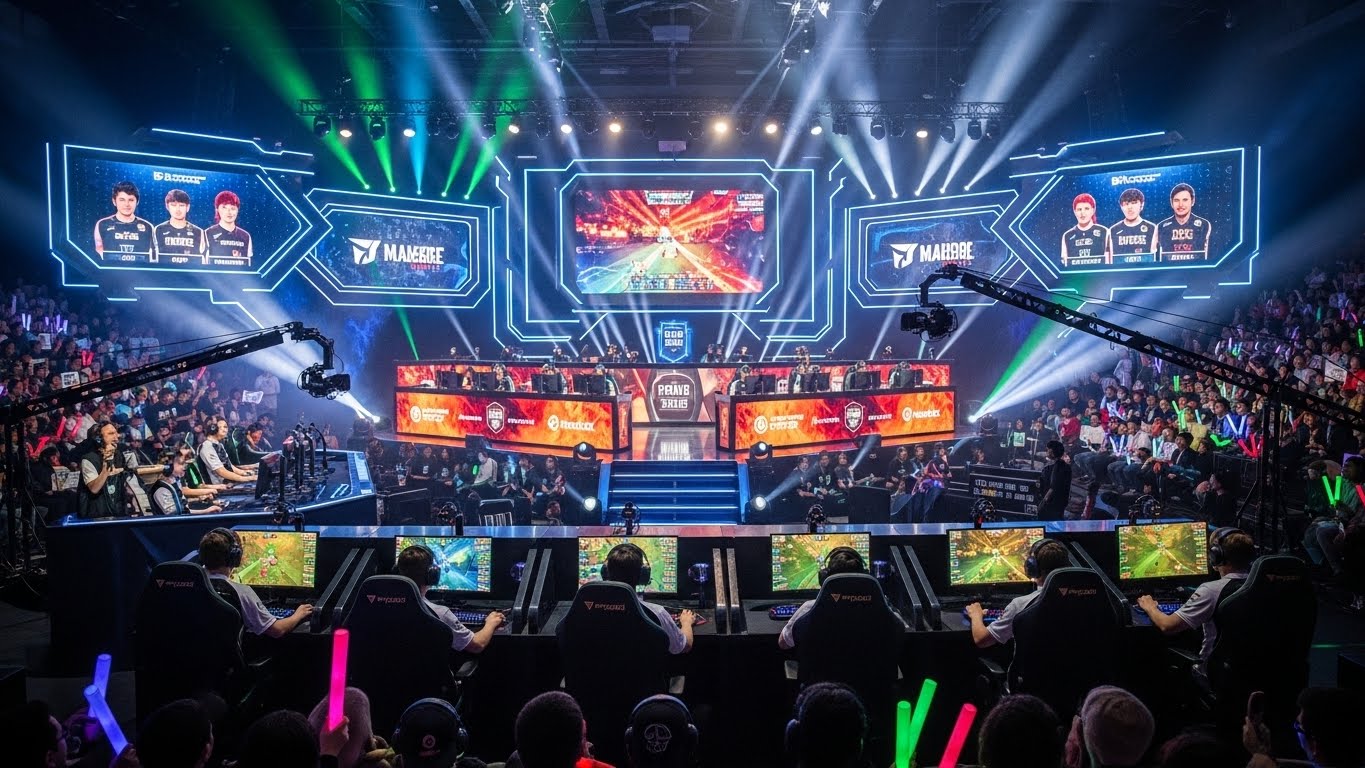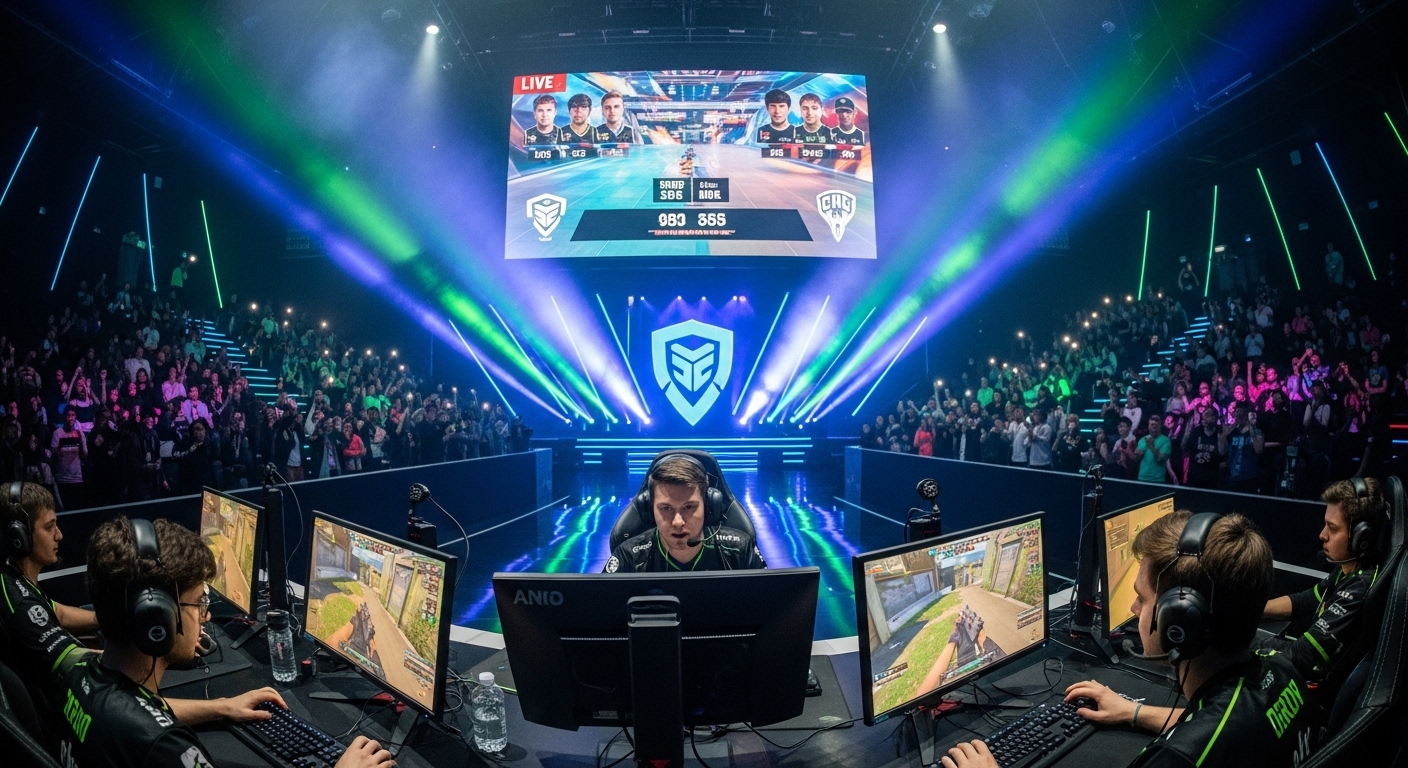
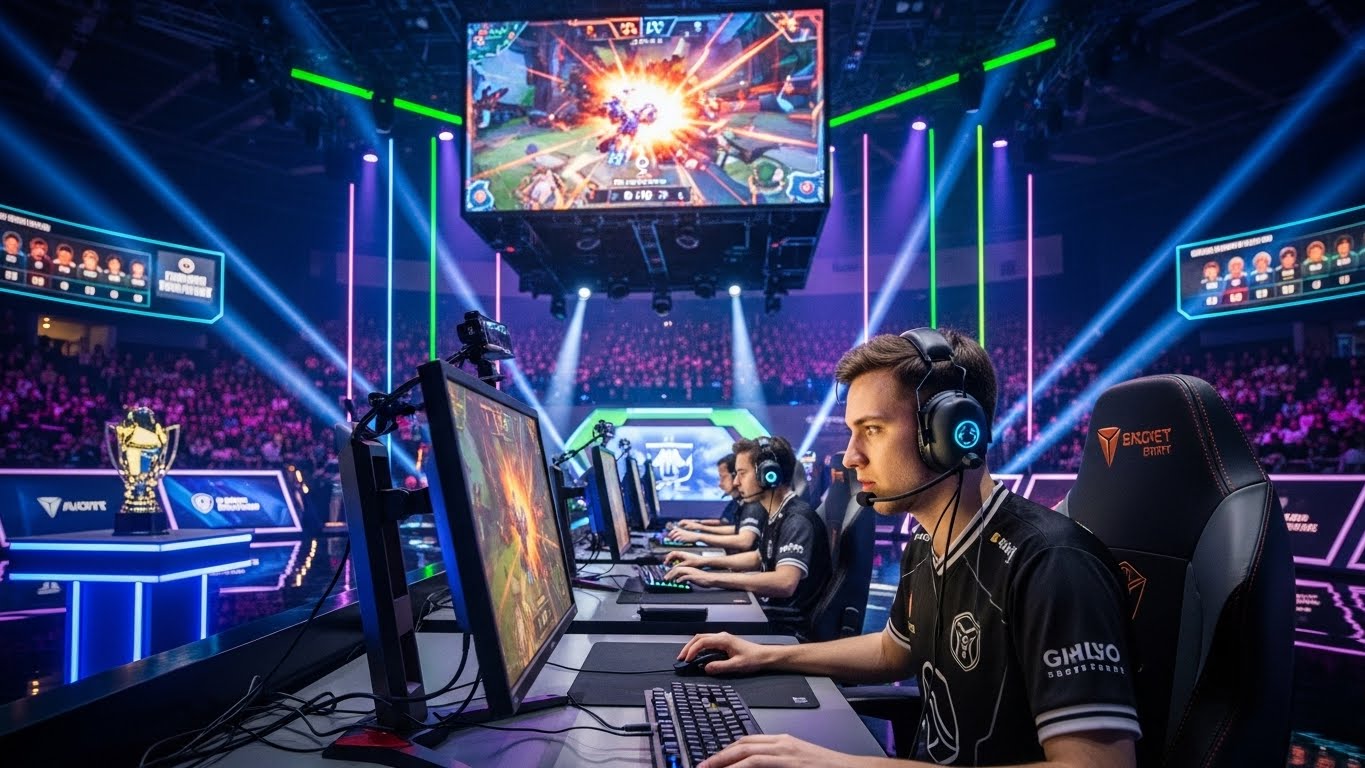
Esports, or electronic sports, has rapidly evolved from a niche subculture into a global phenomenon, attracting millions of fans and generating billions in revenue. The term ‘esports’ refers to competitive video gaming, where professional players and teams compete in organized tournaments, often streamed live for audiences worldwide. From its humble beginnings as LAN (Local Area Network) parties in basements to grand stadium events with millions of dollars in prize money, esports has reshaped the landscape of both the gaming and entertainment industries. In this blog post, we will explore the rise of esports, the factors driving its growth, and what the future holds for this dynamic field.
The Humble Beginnings of Esports
Esports can trace its origins back to the early days of competitive gaming. In the 1990s, video games like Doom, StarCraft, and Quake became the foundations for organized competitions. Although gaming tournaments existed prior to this era, they were typically small, grassroots events held in local communities. The mid-90s marked the beginning of more formalized competitions, with tournaments like The Red Annihilation for Quake in 1997 being some of the first to gain significant attention.
At the time, the focus was primarily on multiplayer games that could be played over local networks or the internet. These tournaments often drew small crowds, mostly made up of die-hard fans and players. However, the rise of internet connectivity, coupled with the increasing popularity of games like Warcraft III and Counter-Strike, laid the groundwork for a larger esports ecosystem.
The Growth of Online Gaming
The 2000s saw a significant transformation in the gaming landscape. With faster internet speeds and the rise of online gaming platforms like Battle.net and Steam, more players were able to connect and compete globally. The competitive gaming scene flourished, particularly in Asia, where titles like StarCraft and League of Legends became household names. Countries like South Korea became hotbeds for professional esports, and the rise of esports networks and channels such as OGN (OnGameNet) and MBCGame helped to popularize competitive gaming in the region.
In 2000, the first World Cyber Games (WCG) took place, which is considered one of the first global esports events. Over the next decade, the WCG and other tournaments became regular fixtures on the competitive gaming calendar, attracting sponsorships from major brands and a growing fanbase. It was during this time that esports began to emerge as a legitimate career option for skilled players, with teams and organizations sprouting up around popular games like Counter-Strike, Warcraft III, and DotA.
The Rise of Streaming and Global Exposure
The turning point for esports came in the late 2000s and early 2010s when live streaming platforms like Twitch began to gain traction. In 2011, Justin.tv, a live streaming platform, pivoted to focus solely on gaming content and rebranded as Twitch. This was a game-changer for esports, as it allowed gamers to broadcast their matches and tournaments to a global audience in real time. Viewers could now watch their favorite players and teams compete from the comfort of their own homes, helping to bridge the gap between fans and professionals.
By 2014, Twitch had grown to the point where Amazon acquired the platform for nearly $1 billion. The acquisition highlighted the growing mainstream recognition of esports as a legitimate entertainment industry. With Twitch’s massive user base, esports tournaments began receiving live broadcasts that could rival traditional sports events in terms of viewership.
Platforms like YouTube Gaming and Facebook Gaming also entered the scene, offering additional avenues for both established and emerging esports organizations to reach audiences worldwide. Through streaming, esports players and personalities built dedicated followings, turning professional gamers into celebrities in their own right.
The Expansion of Esports into Traditional Sports
As esports continued to grow in popularity, traditional sports organizations and companies began to take notice. Several professional sports teams, including the Dallas Cowboys, Golden State Warriors, and Manchester City, invested in esports teams or created their own esports divisions. This marked a shift toward the mainstream acceptance of esports, further legitimizing it as a professional sport.
In 2018, the NBA launched the NBA 2K League, a competitive gaming league based on the popular NBA 2K video game series. This partnership between a major sports organization and an esports league brought esports closer to traditional sports fans. Other sports organizations, including Major League Soccer (MLS), the NFL, and even Formula 1, soon followed suit by embracing esports in some form.
The Role of Sponsorships and Brands in Esports
The influx of corporate sponsorships has been a crucial factor in the rapid growth of esports. Major brands from industries like technology, energy drinks, and even fast food have flocked to the esports space. Companies like Red Bull, Intel, and Logitech have been at the forefront, providing financial support and equipment to professional players and teams. This influx of sponsorship money has allowed esports organizations to thrive and expand, contributing to higher prize pools, better facilities, and more opportunities for players.
Additionally, esports players have started securing individual sponsorships and endorsement deals with well-known brands. For example, players like Faker from League of Legends and Ninja from Fortnite have become household names in the gaming world and have capitalized on their fame to secure high-paying endorsement deals. These sponsorships not only enhance the financial landscape of esports but also contribute to its overall exposure and credibility.
The Evolution of Esports Tournaments
The structure of esports tournaments has evolved tremendously over the years. What started as small, localized events has expanded into massive international competitions with huge prize pools and live audiences. Some of the most iconic esports tournaments include:
- The International (TI): The Dota 2 championship, known as The International, is one of the most prestigious esports tournaments globally. It boasts prize pools that regularly exceed $30 million, with the winning team taking home a life-changing sum.
- League of Legends World Championship: Organized by Riot Games, the LoL World Championship is one of the largest esports events in terms of viewership, attracting millions of viewers from around the world. Teams from across the globe compete for the coveted Summoner’s Cup and a share of the multi-million-dollar prize pool.
- CS:GO Majors: Counter-Strike: Global Offensive has been a staple in the competitive gaming scene since its release. The CS:GO Majors are some of the most prestigious events in the FPS (First-Person Shooter) genre, with top teams from around the world battling it out for global supremacy.
These events have become massive spectacles, with millions of dollars in prize money, live broadcasts, and fan engagement. The atmosphere surrounding these tournaments rivals that of traditional sports events, with packed arenas, enthusiastic crowds, and expert commentators providing insights into the gameplay.
The Professionalization of Esports
As esports has grown, so too has the level of professionalism within the industry. Players today train just as rigorously as athletes in traditional sports. Many top esports players dedicate hours each day to practicing their craft, often competing in team scrimmages, strategy sessions, and individual drills. Teams have coaches, analysts, and managers who help players improve their skills and strategize for upcoming tournaments.
Esports organizations also provide players with a host of resources, including salaries, travel allowances, and equipment, in addition to sponsorships and merchandise sales. The best players can make a living from esports, and some even become multimillionaires through tournament winnings and endorsement deals.
Moreover, esports leagues are increasingly adopting professional league structures, similar to traditional sports leagues like the NBA or NFL. Riot Games has implemented a franchise system for the League of Legends Championship Series (LCS), where teams must meet certain criteria to participate and earn revenue through sponsorships and media rights.
The Future of Esports: Trends to Watch
Looking ahead, the future of esports appears bright, with several trends shaping its continued growth.
- Expansion into New Markets: While esports has experienced rapid growth in regions like North America, Europe, and Asia, emerging markets in Africa, Latin America, and the Middle East present new opportunities for growth. As internet connectivity improves and gaming becomes more accessible, these regions will play an increasingly important role in the global esports ecosystem.
- Integration with Virtual and Augmented Reality: As technology continues to advance, virtual reality (VR) and augmented reality (AR) are likely to play a larger role in esports. Imagine watching a tournament where you can experience the action firsthand in a virtual arena or using AR to track stats and player movements in real-time. The potential for innovation is limitless.
- Esports in Education: Esports is also making its way into educational institutions. Colleges and universities are offering scholarships for esports athletes, and some even have their own competitive gaming teams. This trend is expected to continue, with more schools integrating esports into their curricula and infrastructure.
- Mainstream Acceptance: Esports is already recognized as a legitimate form of entertainment, but in the coming years, we may see greater integration with traditional sports broadcasts. Major sports networks may begin airing esports tournaments, reaching wider audiences and solidifying esports’ position as a mainstream industry.
Conclusion
Esports has come a long way from its early days as a niche hobby. Today, it is a global industry that attracts millions of fans, professional players, and corporate sponsors. With its growing popularity, evolving technologies, and increasing professionalization, esports is poised to become one of the dominant forms of entertainment in the years to come. As fans continue to flock to tournaments and streaming platforms, esports will continue to blur the line between gaming and traditional sports, creating an exciting and dynamic future for competitive gaming.