Introduction: The Rise of a Digital Arena
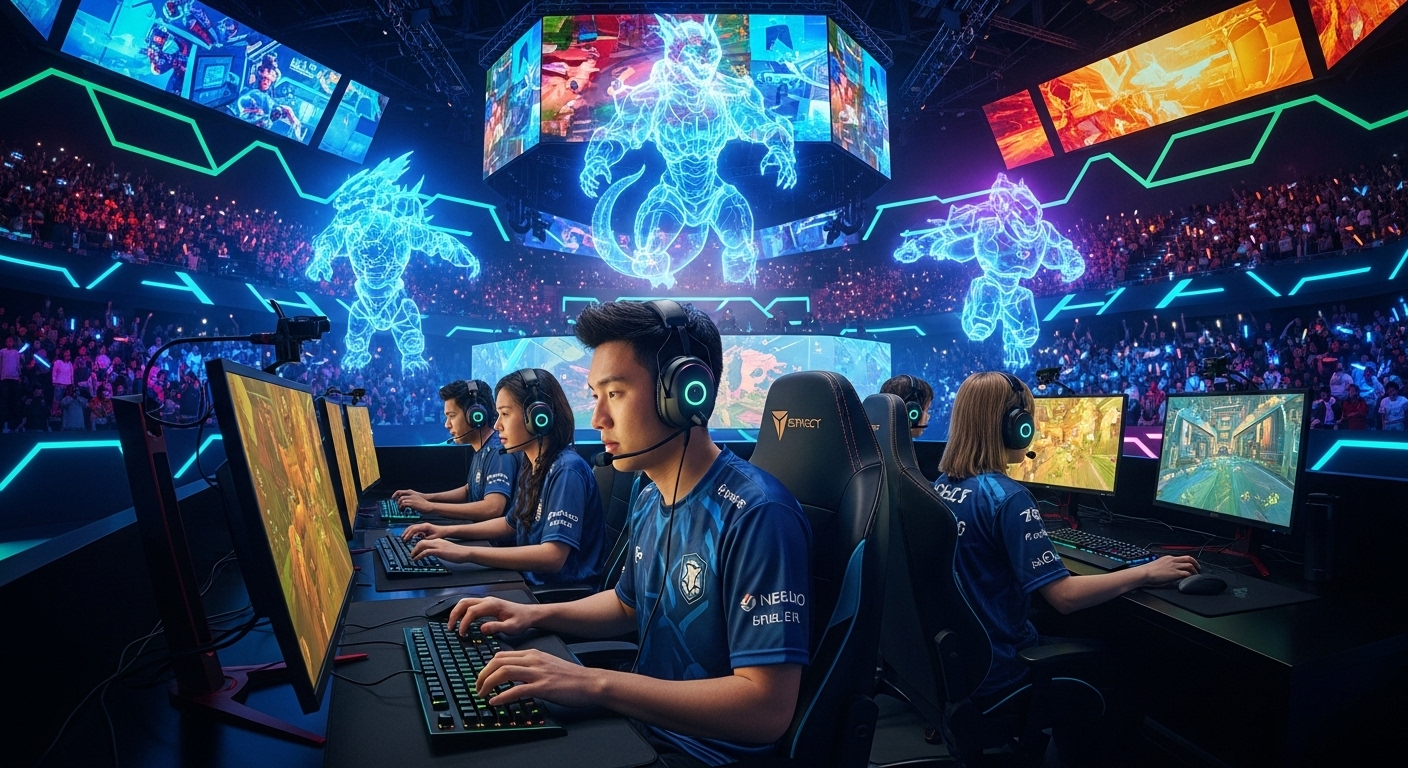
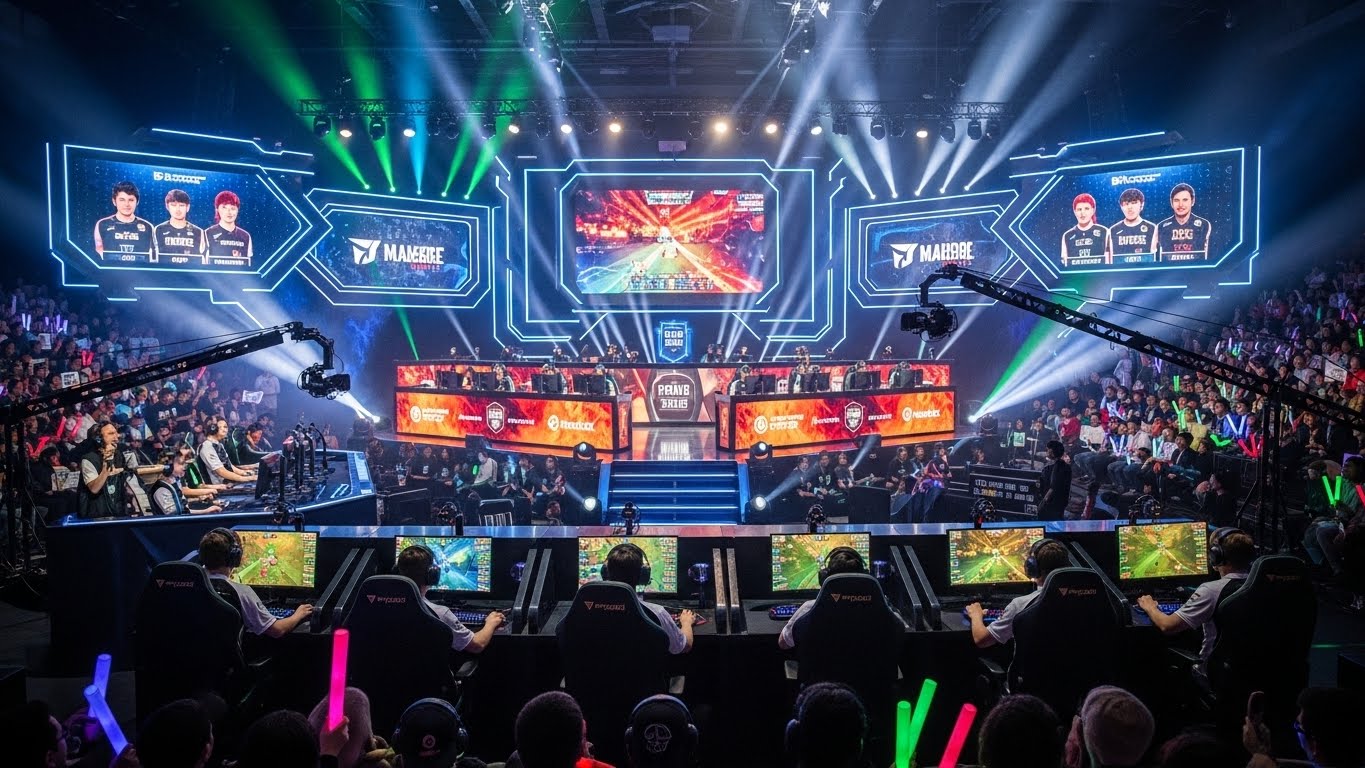
Esports has grown from a niche hobby into a global phenomenon that rivals traditional sports in viewership, revenue, and cultural impact. What once began in small gaming cafés and local tournaments has now evolved into packed stadiums, multimillion-dollar prize pools, and professional athletes with massive fan followings. Esports is no longer just about playing games; it represents a new form of competition, entertainment, and identity for a digitally connected generation. As technology advances and audiences continue to grow, esports is reshaping how we define sports, teamwork, and global community.
Understanding What Esports Really Is
At its core, esports refers to organized competitive video gaming where individuals or teams compete in structured tournaments. Unlike casual gaming, esports demands high levels of skill, strategic thinking, discipline, and practice. Popular esports titles span various genres including first-person shooters, multiplayer online battle arenas, real-time strategy games, and sports simulations. Each game requires unique abilities, from lightning-fast reflexes to deep tactical awareness and long-term planning.
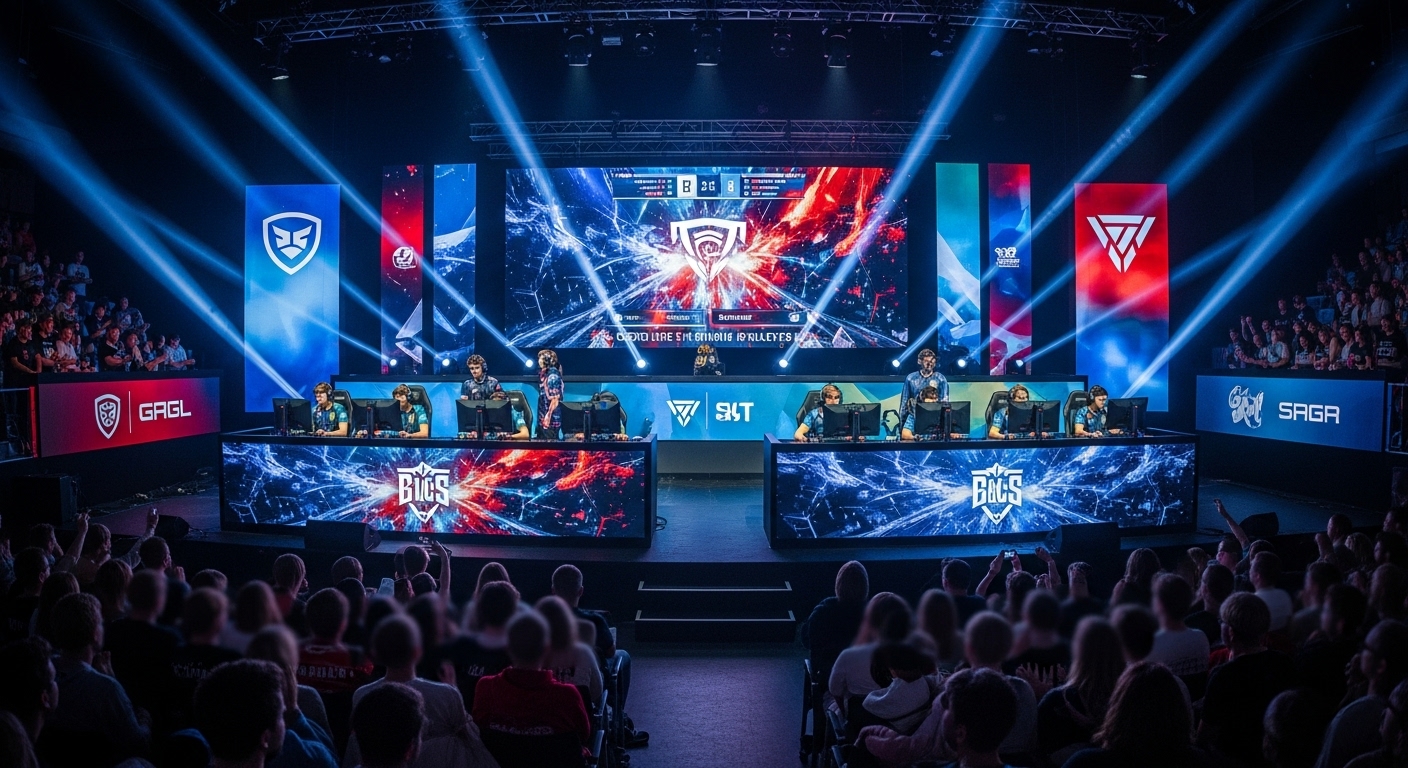
What sets esports apart is its professional ecosystem. Players train daily, coaches analyze gameplay, analysts break down strategies, and organizations manage branding and sponsorships. Matches are broadcast to millions of viewers worldwide, often with professional commentary, statistics, and live audiences. This structure mirrors traditional sports while remaining firmly rooted in digital culture.
The Evolution from Hobby to Profession
The journey of esports from bedroom setups to professional stages is a story of rapid evolution. Early competitive gaming was driven by passion rather than profit. Players competed for pride, recognition, or small rewards. As internet access improved and streaming platforms emerged, gaming content became more accessible. Viewers could now watch skilled players perform at the highest level in real time.
This visibility attracted sponsors, advertisers, and investors. Organizations began signing players to contracts, offering salaries, housing, and training facilities. Tournaments started offering life-changing prize money, turning gaming into a viable career path. Today, top esports athletes are treated like celebrities, with fan meet-ups, merchandise, and global recognition.
The Skill Behind the Screen
A common misconception is that esports lacks physical or mental challenge. In reality, esports demands an extraordinary level of skill. Professional players must maintain intense focus for hours, make split-second decisions, and execute complex strategies under pressure. Reaction times measured in milliseconds can determine victory or defeat.
Mental endurance is equally important. Players face stress from competition, public scrutiny, and constant performance expectations. Team-based games require strong communication, trust, and adaptability. Many teams employ sports psychologists to help players manage pressure, improve mindset, and maintain consistency. The discipline required to succeed in esports is comparable to that of traditional athletes.
Esports as a Global Community
One of the most powerful aspects of esports is its ability to connect people across borders. Language, nationality, and background matter less in a space where shared passion unites fans and players. Online platforms allow viewers from different continents to watch the same match, cheer for the same team, and participate in real-time discussions.
International tournaments bring together diverse cultures, creating a truly global stage. Players often become ambassadors of their regions, inspiring local communities and aspiring gamers. Esports has given rise to a new kind of global citizenship where identity is shaped by shared experiences rather than geography.
Economic Impact and Industry Growth
The esports industry has become a major economic force. Revenue streams include sponsorships, media rights, merchandise, ticket sales, and in-game purchases. Brands from technology, fashion, food, and automotive sectors have recognized esports as a valuable marketing platform to reach younger audiences.
Job opportunities within esports extend far beyond players. Event organizers, broadcasters, content creators, marketers, designers, and developers all contribute to the ecosystem. Educational institutions have begun offering esports programs and scholarships, further legitimizing the industry. As infrastructure continues to improve, esports is expected to remain a significant contributor to the digital economy.
The Role of Streaming and Content Creation
Streaming platforms have played a crucial role in the rise of esports. They allow fans to engage with players beyond official tournaments, creating a more personal connection. Viewers can watch practice sessions, learn strategies, and interact directly through live chats. This constant access has transformed players into content creators and influencers.
Content creation has become a parallel career path within esports. Some individuals build massive followings without ever competing professionally. This diversification strengthens the ecosystem by offering multiple ways to participate and succeed. It also blurs the line between entertainment and competition, making esports more accessible to casual audiences.
Challenges Facing the Esports World
Despite its growth, esports faces several challenges. Player burnout is a growing concern, as intense schedules and constant competition can take a toll on mental and physical health. Career longevity is often short, prompting discussions about post-career support and education.
Another challenge is maintaining competitive integrity. Issues such as cheating, match-fixing, and inconsistent regulations can harm credibility. As esports expands globally, creating standardized rules and fair governance becomes increasingly important. Addressing these challenges is essential for long-term sustainability.
Esports and the Future of Sports
Esports is not replacing traditional sports but expanding the definition of what sport can be. Many traditional sports organizations have embraced esports by launching their own teams or digital leagues. This crossover highlights a future where physical and digital competition coexist and complement each other.
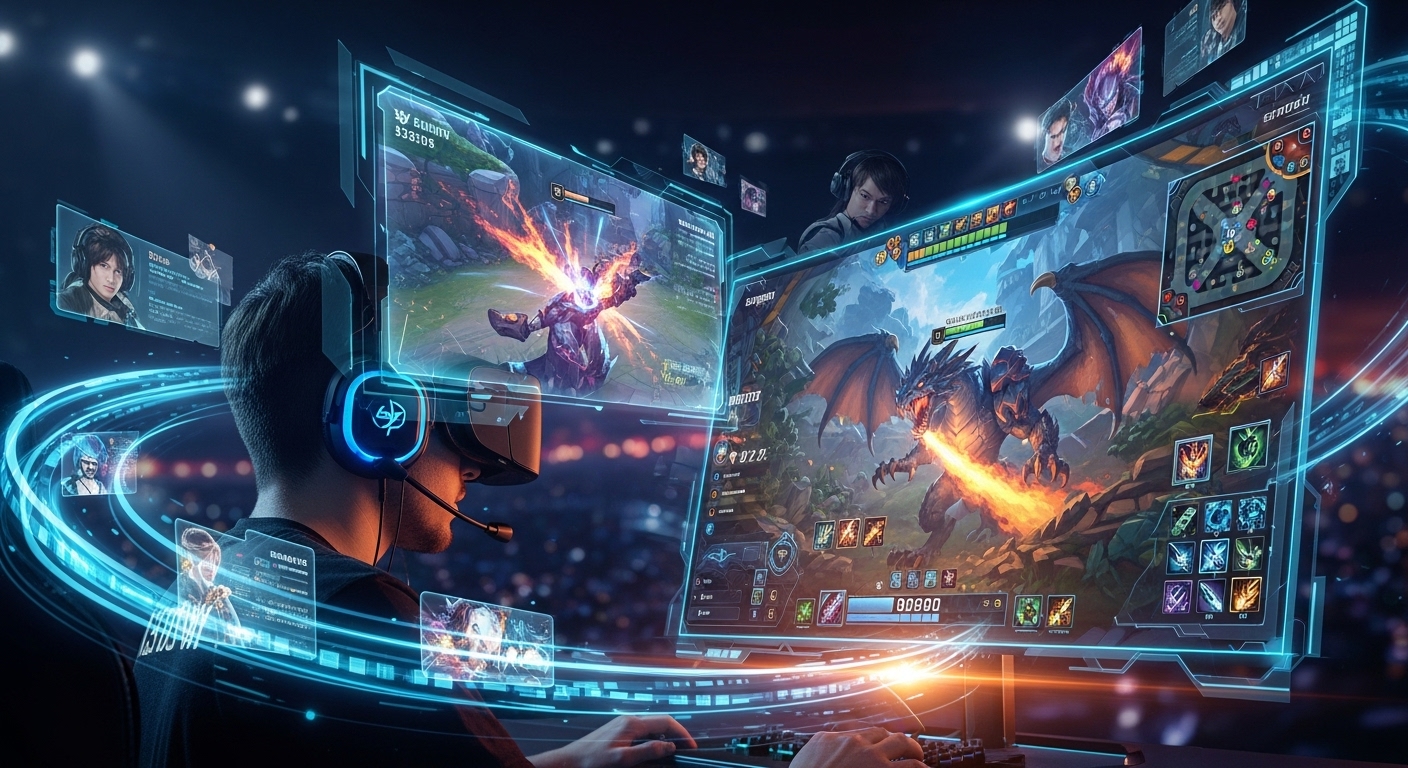
Advancements in technology such as virtual reality and artificial intelligence may further transform esports. New formats, immersive viewing experiences, and enhanced training tools are likely to emerge. As younger generations grow up with digital competition as a norm, esports will continue to shape the future of entertainment and sports culture.
Conclusion: More Than Just a Game
Esports represents more than competitive gaming; it is a reflection of modern society’s relationship with technology, community, and ambition. It offers opportunities for connection, creativity, and professional growth in ways that were unimaginable just a few decades ago. Through skill, dedication, and innovation, esports has earned its place on the global stage.
As the industry continues to mature, its influence will extend beyond screens into education, culture, and everyday life. Whether you are a player, a fan, or a curious observer, esports invites everyone to witness a new era of competition where passion meets possibility.