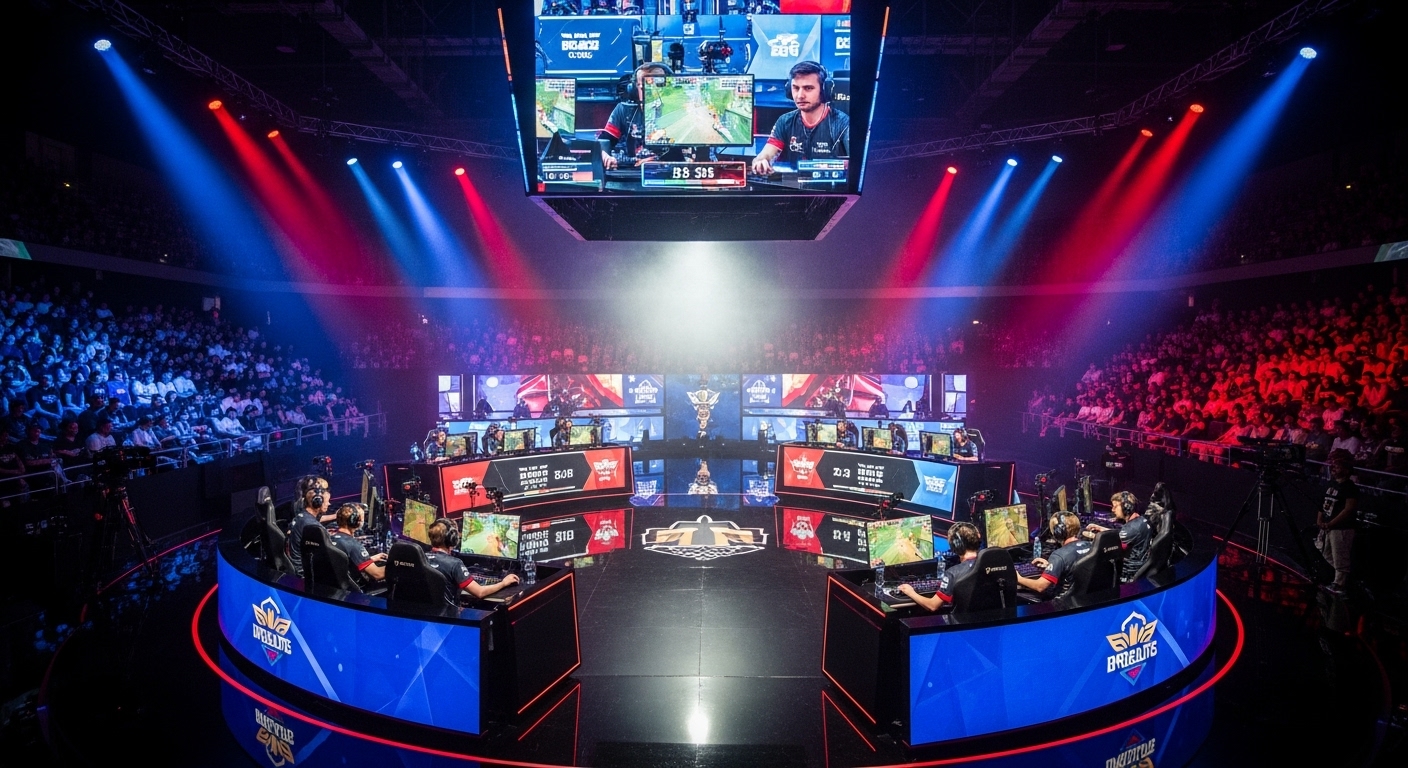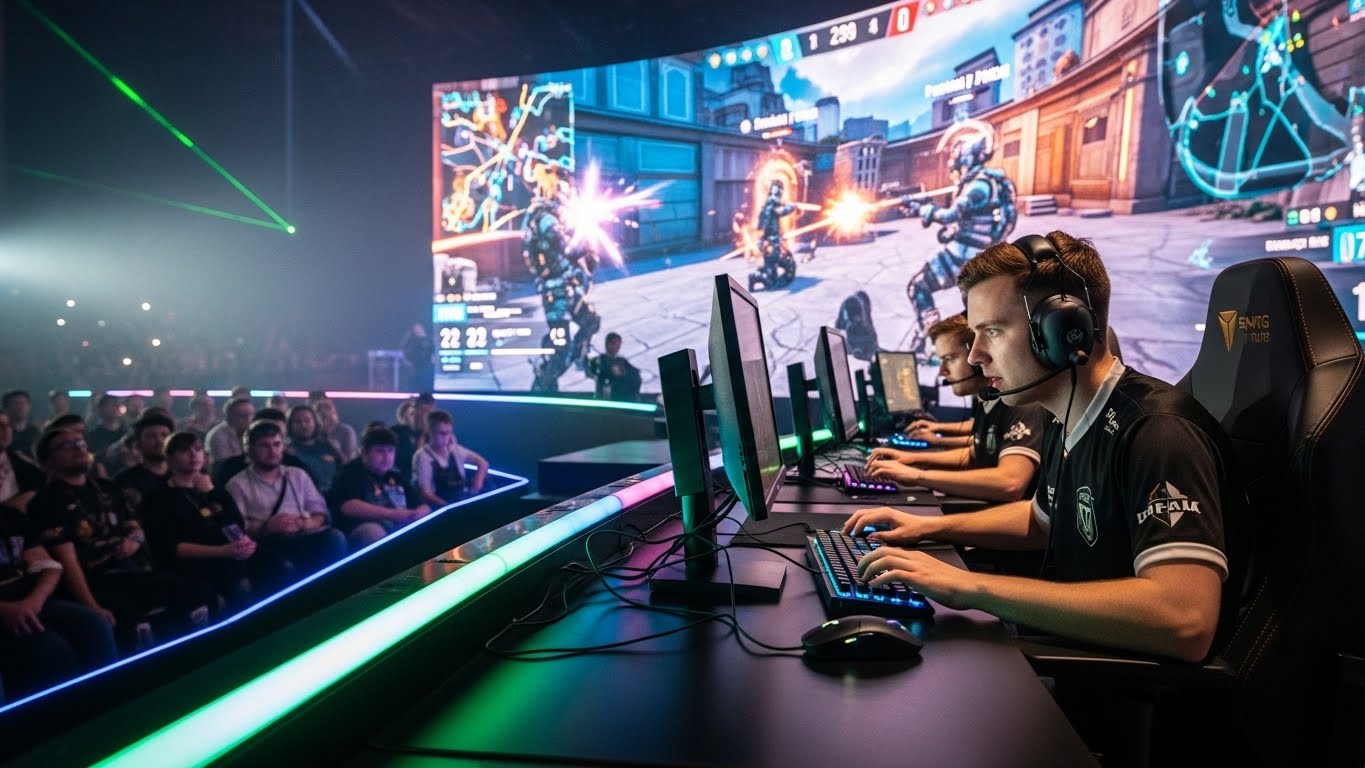
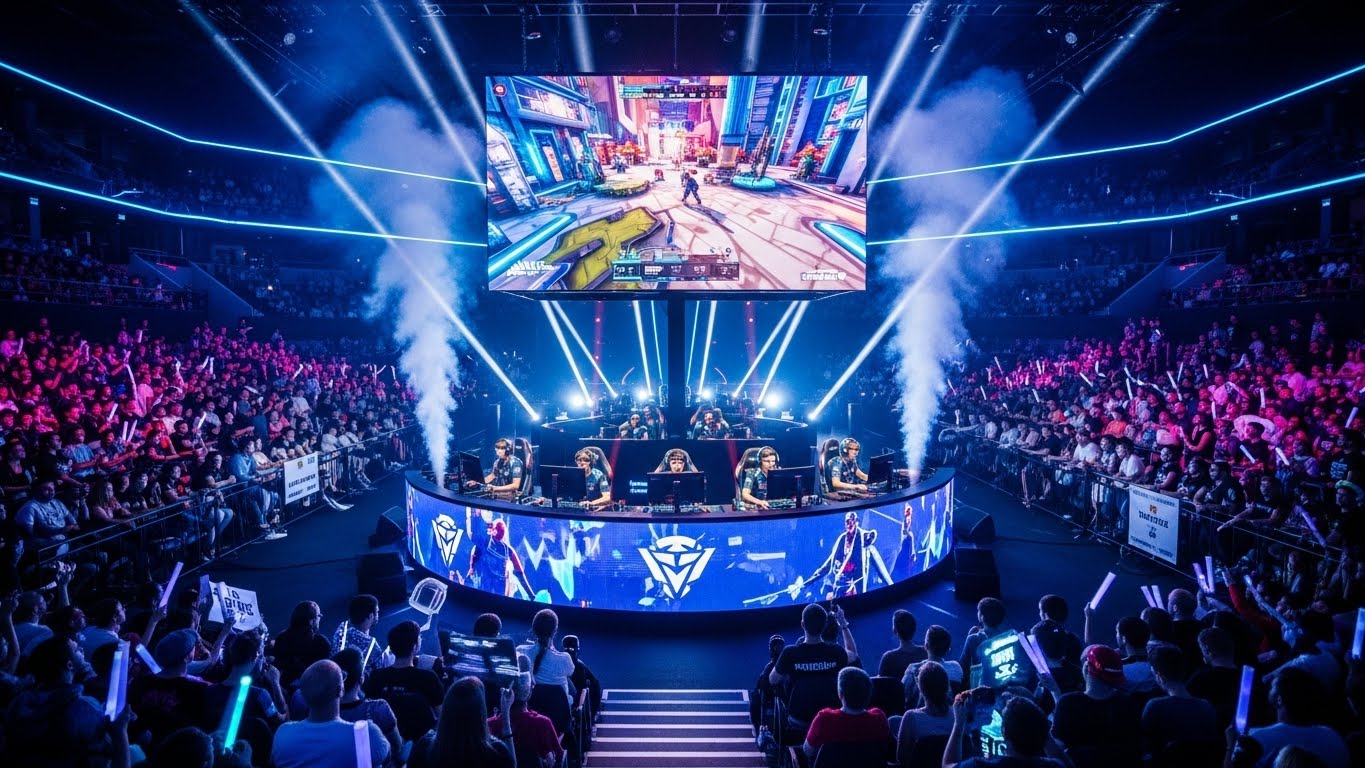
In the last two decades, a quiet revolution has been happening in the world of sports. It doesn’t involve physical exertion or athleticism in the traditional sense, but it has captured the hearts of millions. Esports — competitive video gaming — has transformed from a niche interest into a global entertainment phenomenon, drawing massive audiences, sponsorships, and media attention. This rise has not only changed how we view gaming but also how we perceive competition, entertainment, and even career opportunities. In this post, we’ll explore the evolution of esports, its cultural significance, and its impact on both the gaming industry and the broader world of sports.
The Birth of Esports: From Arcades to Online Play
The origins of esports can be traced back to the early days of gaming itself. During the late 1970s and 1980s, video games started gaining popularity, and competitive gaming began to take shape in the form of high score competitions. Classic arcade games like Pong, Space Invaders, and Pac-Man became cultural landmarks, with players competing against each other to achieve the highest score. Although these early competitions were informal and often localized to individual arcades, they laid the groundwork for the competitive gaming landscape we know today.
As home computers and consoles began to dominate the gaming scene in the 1990s, multiplayer games such as Doom, Warcraft, and Quake introduced a new way for players to compete. These games, particularly the real-time strategy (RTS) and first-person shooter (FPS) genres, offered players the ability to connect over local area networks (LANs) and engage in real-time competition. The idea of online gaming — playing with or against others over the internet — was born out of this era. StarCraft in the late 1990s, for example, had a massive following in South Korea, where players started participating in organized leagues.
In fact, South Korea is often cited as the birthplace of modern esports. The country’s government-backed initiatives, combined with the rapid expansion of high-speed internet access in the late 1990s, fostered a culture where gaming wasn’t just a hobby — it was a national pastime. Professional StarCraft leagues emerged, and gaming tournaments were broadcast on national television. This helped establish esports as a legitimate sport and created the blueprint for future global esports competitions.
The Rise of Streaming and Global Competition
The real tipping point for esports came in the early 2000s with the rise of online streaming platforms. The launch of Twitch in 2011 revolutionized how audiences interacted with esports. Players could not only participate in tournaments but also stream their gameplay to a global audience in real-time. This added a new layer of fan engagement that was previously unseen in traditional sports. Fans could now watch their favorite players practice, communicate with them through live chats, and feel a deeper connection to the gaming community.
Games like League of Legends, Dota 2, Counter-Strike: Global Offensive, and Overwatch have grown into some of the largest esports titles in the world, with dedicated fanbases and professional leagues. These games feature complex mechanics and high levels of competition, making them perfect for both playing and spectating. Major tournaments like The International (the world championship for Dota 2) and the League of Legends World Championship have become massive global events, with millions of viewers tuning in to watch top players compete for multi-million-dollar prize pools.
These tournaments, often held in large arenas and broadcast to millions of viewers around the world, offer a level of spectacle that rivals traditional sports. The prize pools for these tournaments are astronomical. For example, The International in 2021 offered a prize pool of over $40 million, making it one of the richest esports tournaments in history. The stakes have never been higher, and with it, the skill level required to succeed in esports has reached new heights.
Esports as a Career Path
One of the most significant changes in the world of esports is the emergence of professional players, teams, and organizations. Players are no longer just hobbyists or streamers; they are athletes, complete with contracts, sponsorships, coaches, and fans. Esports has created an entirely new career path that wasn’t available to previous generations.
Professional gamers, especially those competing in popular titles like League of Legends, Fortnite, and Counter-Strike: Global Offensive, are often signed to teams that provide them with salaries, benefits, and support systems. These players train intensely, sometimes for over 12 hours a day, to perfect their skills and strategies. In fact, many esports professionals view their career the same way a traditional athlete would approach their sport: through rigorous training, study, and competition.
Beyond the players themselves, the esports industry has created job opportunities in coaching, analysis, broadcasting, event organization, and management. Companies like Cloud9, Team Liquid, and Fnatic have become household names, hiring people from all over the world to manage their teams, create content, and provide expertise. Esports events, meanwhile, require event planners, broadcasters, and even psychologists to help players manage the stresses of competition.
The financial opportunities in esports are massive. Top players can earn millions through sponsorships, prize money, and streaming platforms. Content creators on platforms like YouTube and Twitch have turned gaming into a lucrative career, building brands around their personalities while playing and streaming games. As the esports ecosystem grows, more and more people are finding ways to make a living from gaming, whether they’re playing professionally or involved in the broader support network that makes esports possible.
The Cultural Impact of Esports
Esports is not just about the players or the competition; it has become a cultural phenomenon. The influence of esports is felt in many aspects of modern life, from social media to fashion, and even in education. The rise of esports has helped break down the traditional stereotypes associated with gaming. Once thought of as a solitary, antisocial activity, gaming is now recognized as a team-based, community-driven experience. Players from all over the world can form friendships, join teams, and build global networks, making gaming a highly social activity.
In addition, esports has had a significant impact on the youth culture. Many young people today aspire to become professional gamers, much like traditional athletes. Universities have taken notice of this trend, with some institutions now offering scholarships and esports-specific programs. Schools are even beginning to host their own esports competitions, creating a structured environment where students can pursue their passion for gaming while developing important life skills like teamwork, communication, and strategic thinking.
Another notable aspect of esports’ cultural impact is its role in promoting diversity and inclusion. Unlike traditional sports, which have long been dominated by certain demographics, esports has allowed individuals from all backgrounds to compete on equal footing. Players from different genders, races, and cultures have risen to prominence in esports, helping to shape the industry into a more inclusive space. Additionally, the growing popularity of esports has encouraged conversations around online harassment, toxic behavior, and the importance of creating a respectful, welcoming community for all players.
The Future of Esports
Esports is not showing any signs of slowing down. In fact, it’s only getting bigger. The global esports industry is expected to surpass $1 billion in revenue in the near future, driven by broadcasting rights, sponsorship deals, merchandise sales, and ticket revenue. As gaming technology continues to evolve, so too will the nature of esports.
One area that holds great potential for esports is virtual and augmented reality (VR/AR). These technologies promise to create even more immersive gaming experiences, potentially opening up new avenues for competitive gaming. Imagine competing in a fully immersive virtual environment, where players could physically move around and interact with the game world in ways that traditional gaming hardware cannot offer. This could revolutionize how esports competitions are held, turning them into even more engaging and interactive experiences for both players and fans.
Moreover, the integration of esports into traditional sports venues is likely to grow. Major sports leagues and stadiums are already starting to host esports events, and this trend is expected to continue. Hybrid events that combine esports and traditional sports could become commonplace, attracting fans from both worlds and further legitimizing esports as a mainstream form of entertainment.
Conclusion
Esports has come a long way from its humble beginnings in arcades and local tournaments. What was once a niche activity has grown into a multi-billion-dollar industry that influences culture, entertainment, and even career development. From the rise of streaming platforms like Twitch to the increasing popularity of global tournaments, esports has become a driving force in the world of entertainment. With its growing fanbase, diverse career opportunities, and potential for technological innovation, the future of esports is brighter than ever.
Whether you’re a casual gamer, a professional player, or a fan who loves watching the action unfold, it’s clear that esports is here to stay. As the industry continues to evolve, it will undoubtedly inspire future generations to compete, connect, and create within the ever-expanding world of competitive gaming.