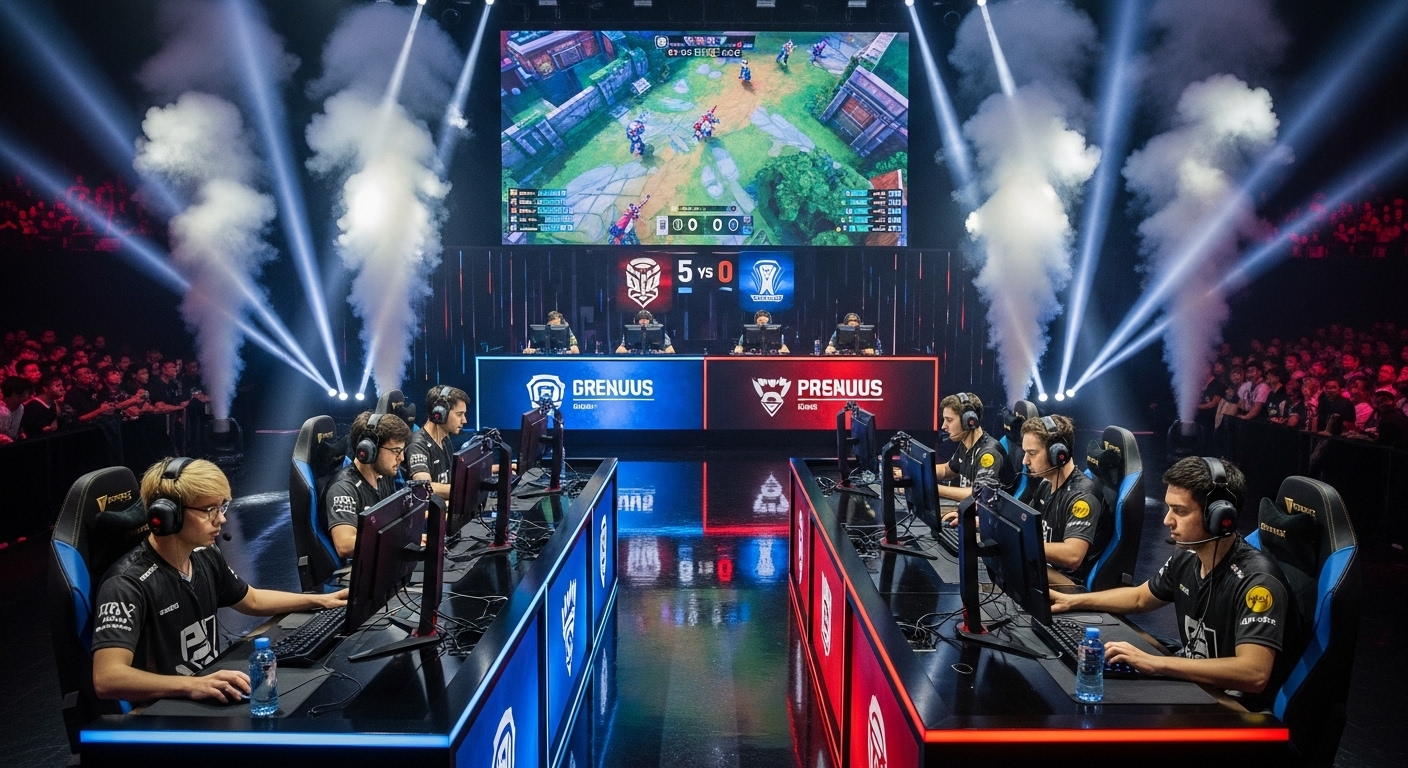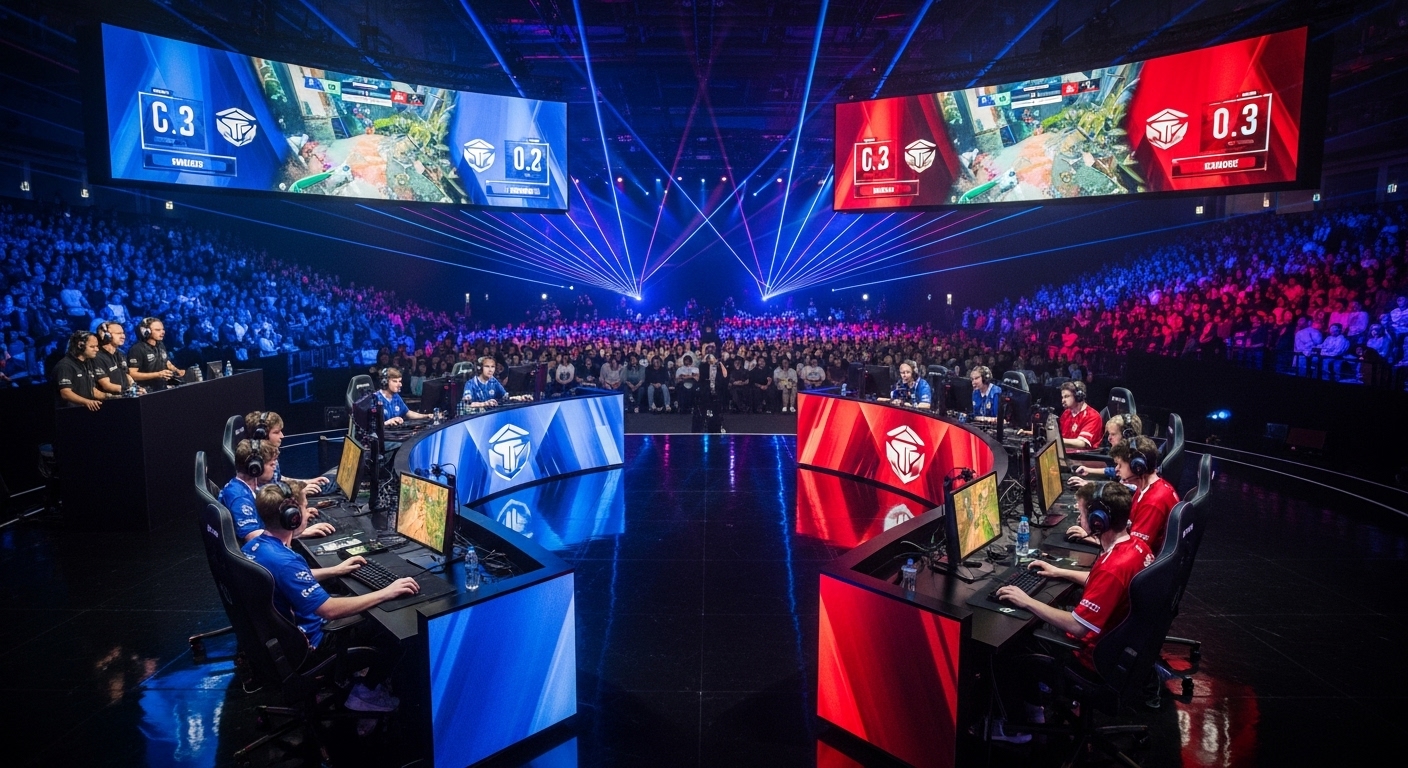
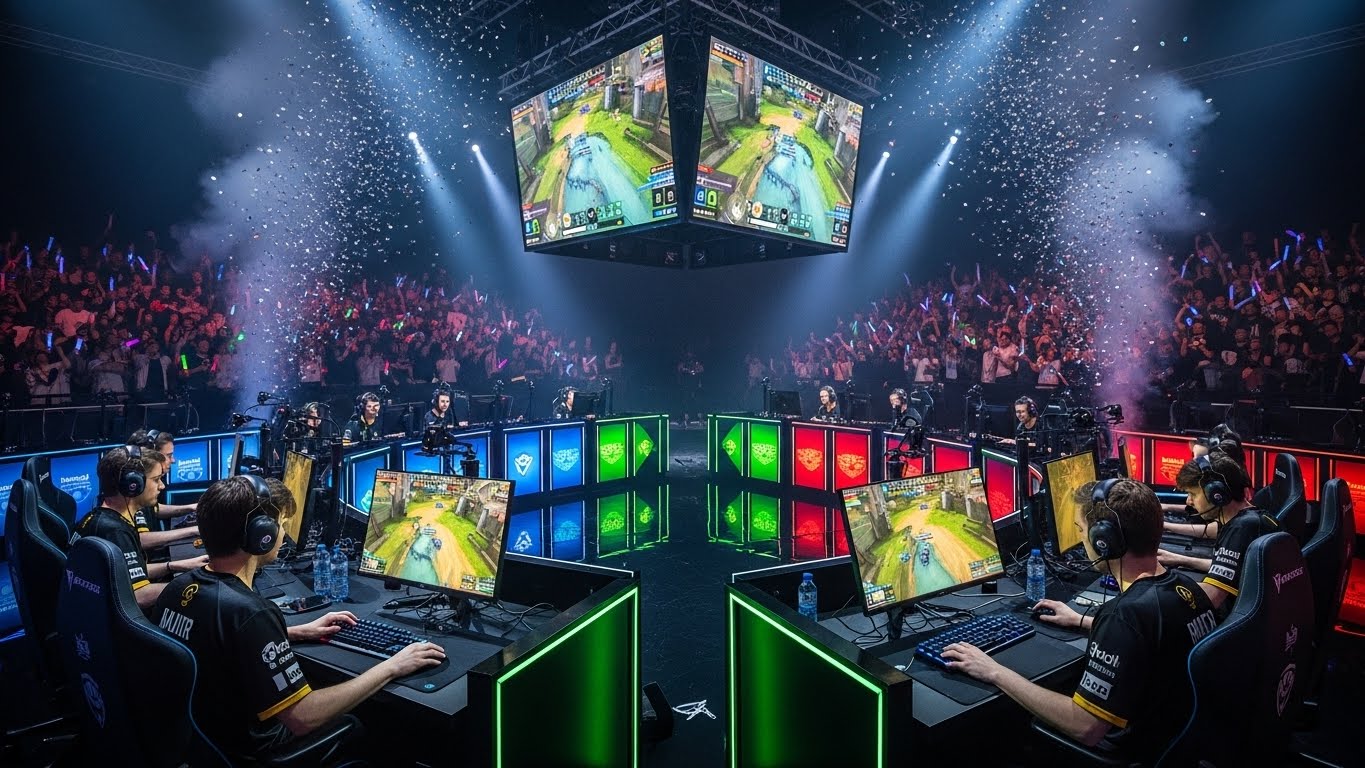
In the past decade, esports has evolved from a niche pastime to a booming global industry, captivating millions of players and fans alike. From small-scale local tournaments to international competitions with multi-million-dollar prize pools, competitive gaming has carved its place in the mainstream. Today, esports is not only a form of entertainment but also a viable career option, with professional teams, streaming platforms, and corporate sponsors supporting this new era of digital sports. In this blog post, we will explore the rise of esports, the impact it has had on gaming culture, and its future trajectory.
The Early Days of Esports: A Hobby Turned Competitive
While the concept of competitive gaming is relatively modern, it traces its roots back to the 1970s, when gaming first started becoming a part of popular culture. The first organized competitive gaming event took place in 1972 at Stanford University. The tournament, called the Intergalactic Spacewar Olympics, featured the game Spacewar!, one of the earliest video games created for the PDP-1 computer. Though the event had minimal prize money, it marked the start of a competitive spirit within the gaming community.
As the decades progressed, more games began to feature multiplayer modes, allowing players to compete against each other over local networks. The real turning point came in the late 1990s and early 2000s with the rise of internet gaming. Online multiplayer titles like Quake, Warcraft, and StarCraft introduced gamers to the concept of playing against opponents from all over the world. These games laid the foundation for the first true esports tournaments, and competitive gaming began to emerge as a serious activity.
By the early 2000s, games like Counter-Strike and Warcraft III had amassed a dedicated following, with online tournaments becoming more frequent. In South Korea, the success of StarCraft: Brood War led to the creation of esports leagues and televised broadcasts, bringing competitive gaming to the mainstream. As the internet became more accessible globally, online multiplayer games began to take center stage, and esports began to grow in popularity.
The Rise of Major Titles: Games That Defined Esports
Several key games have shaped the esports industry into what it is today. These titles are not just games; they have become the cornerstone of esports, creating dedicated fan bases, tournaments, and professional players. Let’s take a closer look at some of these iconic titles.
StarCraft and StarCraft: Brood War
Released in 1998 by Blizzard Entertainment, StarCraft quickly became one of the most influential games in competitive gaming history. The game’s combination of strategic depth, resource management, and fast-paced combat made it perfect for esports. In South Korea, StarCraft: Brood War became a cultural phenomenon, with professional players earning substantial incomes and appearing on television. The game’s success laid the groundwork for future esports titles, and it remains one of the most beloved games in competitive gaming history.
Counter-Strike and Counter-Strike: Global Offensive
Counter-Strike was originally a mod for Half-Life, released in 1999. Its tactical gameplay, where two teams compete to either plant or defuse bombs, made it an instant hit. Over the years, Counter-Strike evolved into the popular Counter-Strike: Global Offensive (CS:GO), which is still one of the most-watched esports games in the world today. CS:GO’s longevity in the esports scene speaks volumes about its competitive integrity and the passionate player base that has supported it through the years.
League of Legends
Released in 2009 by Riot Games, League of Legends (LoL) revolutionized esports by introducing the Multiplayer Online Battle Arena (MOBA) genre to the competitive scene. The game quickly rose to prominence thanks to its strategic depth, team-based gameplay, and fast-paced action. The League of Legends World Championship, held annually, has become one of the biggest esports events in the world, drawing millions of viewers globally. The game’s success also led to the formation of professional leagues, including the League of Legends Championship Series (LCS), which operates in multiple regions worldwide.
Dota 2
Dota 2, developed by Valve Corporation, took the esports scene by storm after its release in 2013. As a MOBA game, it shared similarities with League of Legends but introduced its own unique mechanics and features. The annual The International (TI) tournament, organized by Valve, has the largest prize pool of any esports event, often surpassing $30 million. The intense competition and massive viewership numbers have solidified Dota 2 as one of the most prestigious esports titles globally.
Fortnite
Though Fortnite is primarily a battle royale game, its meteoric rise in 2017 introduced a new era of esports competition. What set Fortnite apart from other games was its accessibility—players could compete across multiple platforms (PC, console, and mobile), which helped it reach a massive audience. Epic Games’ decision to host the first Fortnite World Cup in 2019 with a $30 million prize pool marked a major milestone for the battle royale genre and esports as a whole. The success of Fortnite has since spurred a wave of new battle royale games, but Fortnite remains a top contender in the esports arena.
The Explosion of Esports Infrastructure
As the popularity of esports grew, the industry began to develop the necessary infrastructure to support professional players, teams, sponsors, and fans. Today, esports is a well-organized ecosystem with dedicated teams, broadcasters, tournament organizers, and corporate sponsors. Let’s explore how esports infrastructure has expanded in recent years.
Professional Teams and Players
Just like traditional sports, esports now boasts a professional scene with established teams and players. Major esports organizations such as Team Liquid, Cloud9, Fnatic, and T1 have built successful brands that extend beyond gaming. These teams sign sponsorships, wear branded merchandise, and compete in high-stakes tournaments across various games. Players are often signed to these organizations and provided with salaries, coaching staff, and performance analysts, similar to traditional sports teams.
The professionalization of esports has given rise to a new breed of athletes, many of whom are household names within the gaming community. Players like Faker (Lee Sang-hyeok) in League of Legends, s1mple (Oleksandr Kostyliev) in CS:GO, and Dendi (Danil Ishutin) in Dota 2 have become global stars, attracting sponsorships from major brands and becoming cultural icons.
Streaming Platforms and Viewership
A major factor in the success of esports is the rise of streaming platforms such as Twitch, YouTube Gaming, and Facebook Gaming. These platforms have made it possible for gamers to broadcast their gameplay and engage with fans in real-time. Competitive esports tournaments are often streamed live on these platforms, allowing fans to watch their favorite players and teams compete in high-stakes matches.
Twitch, in particular, has been instrumental in the growth of esports, with millions of viewers tuning in to watch live esports competitions every day. This has transformed esports into a spectator sport, similar to traditional sports like football or basketball, where viewers watch for the thrill of the competition, not just the gameplay itself.
Sponsorships and Corporate Investment
Esports has attracted significant investment from major brands and corporate sponsors. Companies like Coca-Cola, Intel, Red Bull, and Nike have all invested heavily in esports, recognizing the potential to engage with a young, tech-savvy demographic. These sponsorships have provided esports teams and events with the necessary resources to grow their brands and enhance the quality of their tournaments.
In addition to corporate sponsorships, venture capital firms have poured millions of dollars into esports organizations, helping them expand into new markets and regions. With esports continuing to grow in both popularity and profitability, it is likely that corporate investment will only increase in the coming years.
The Impact of Esports on Gaming Culture
Esports has significantly influenced the broader gaming culture. In many ways, competitive gaming has become the ultimate expression of gaming skill, where players push themselves to the limit in order to succeed. The growing visibility of esports has also changed how people perceive gaming. No longer seen as a hobby for “nerds,” gaming has become a mainstream activity, with esports players now regarded as professional athletes in their own right.
Esports has also fostered a global sense of community. With tournaments taking place worldwide and streaming platforms providing access to global audiences, players and fans alike can engage with each other regardless of geographic location. This interconnectedness has led to the creation of a vibrant, international esports community that celebrates both the competitive nature of gaming and the passion shared by players and fans alike.
The Future of Esports
Looking to the future, esports shows no signs of slowing down. With advancements in technology, the esports experience is only going to improve. Virtual reality (VR) and augmented reality (AR) have the potential to revolutionize how esports are played and experienced, offering new opportunities for innovation and engagement.
Furthermore, as esports continues to attract more mainstream attention, we may see esports become a fixture in global sporting events. The idea of integrating esports into the Olympic Games, for instance, has been discussed in recent years, and many believe that it is only a matter of time before esports becomes an official Olympic sport.
Esports is also likely to continue its expansion into new games and genres. As gaming evolves, new competitive titles will emerge, and new opportunities for players and organizations will arise. The continued growth of mobile gaming, for example, could lead to the rise of mobile esports tournaments, opening up the competitive scene to an even larger audience.