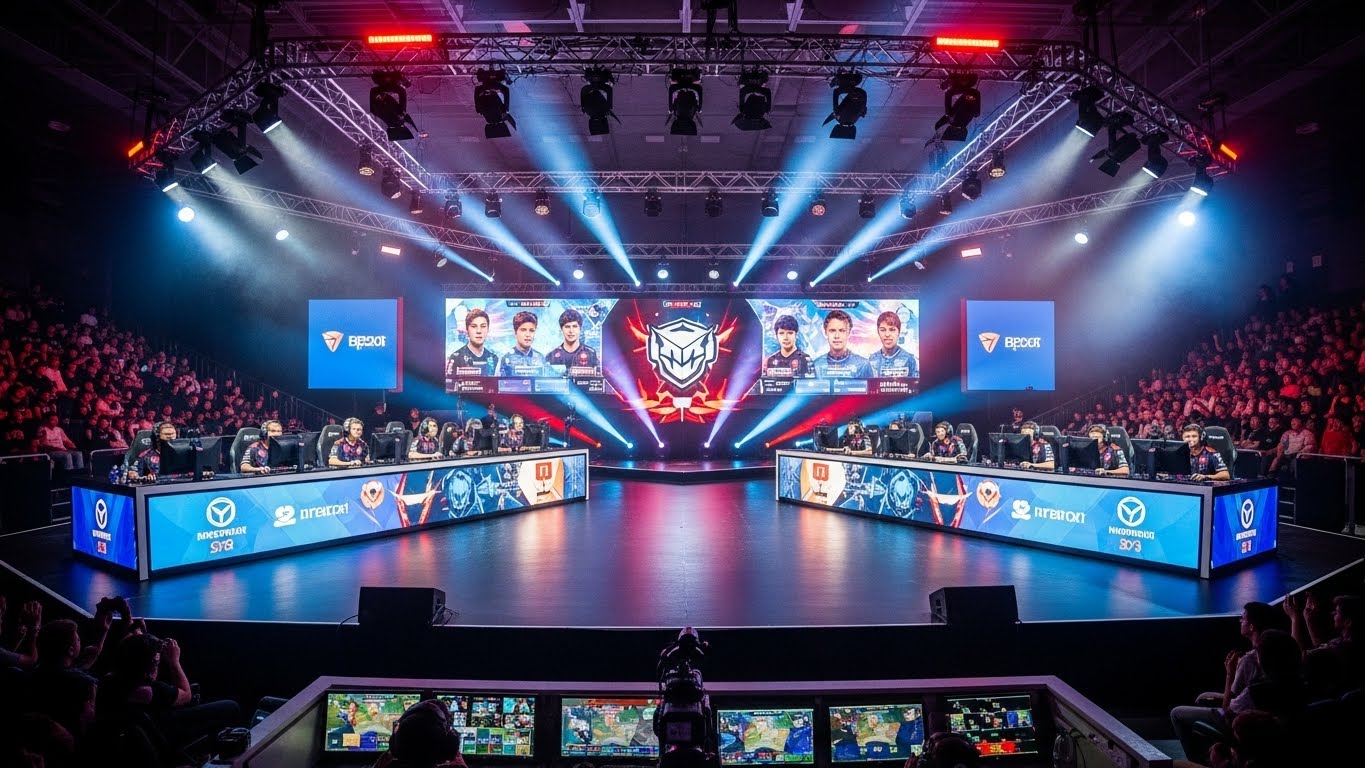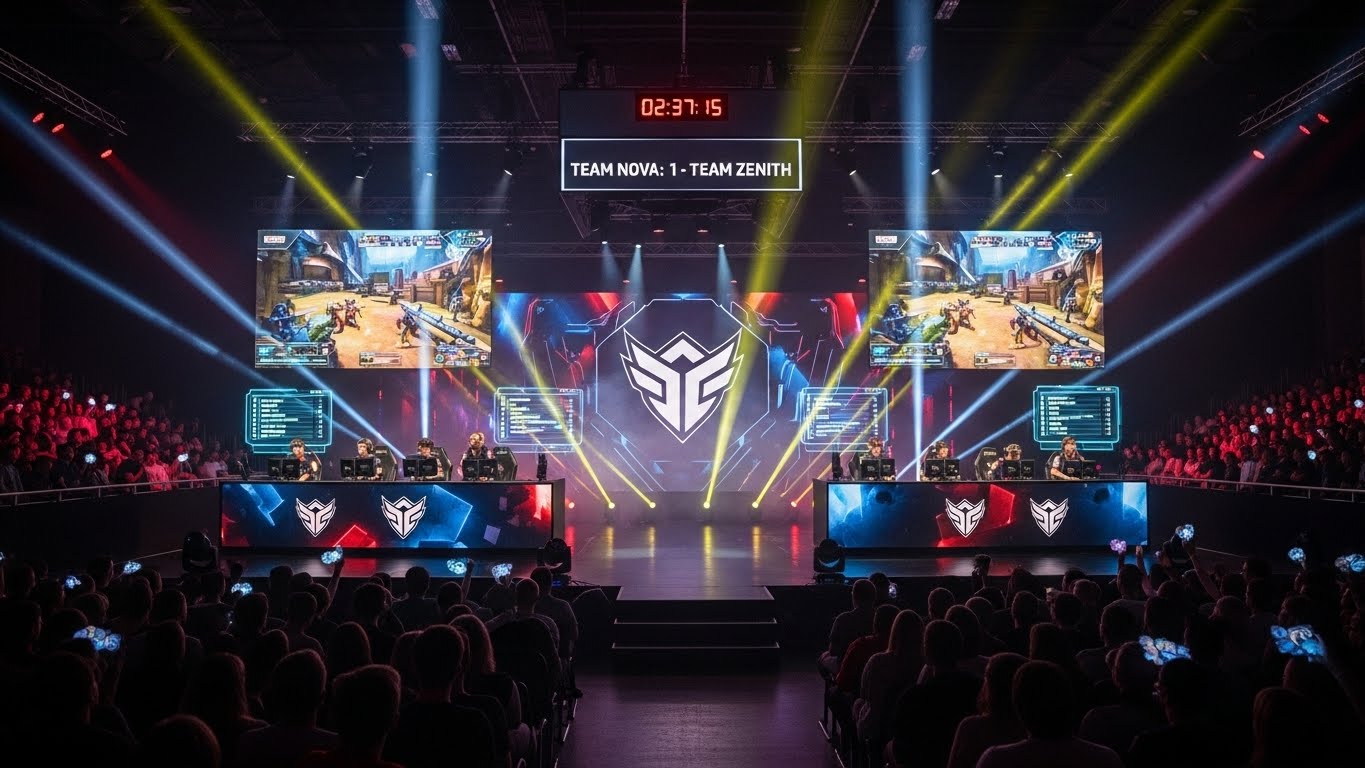
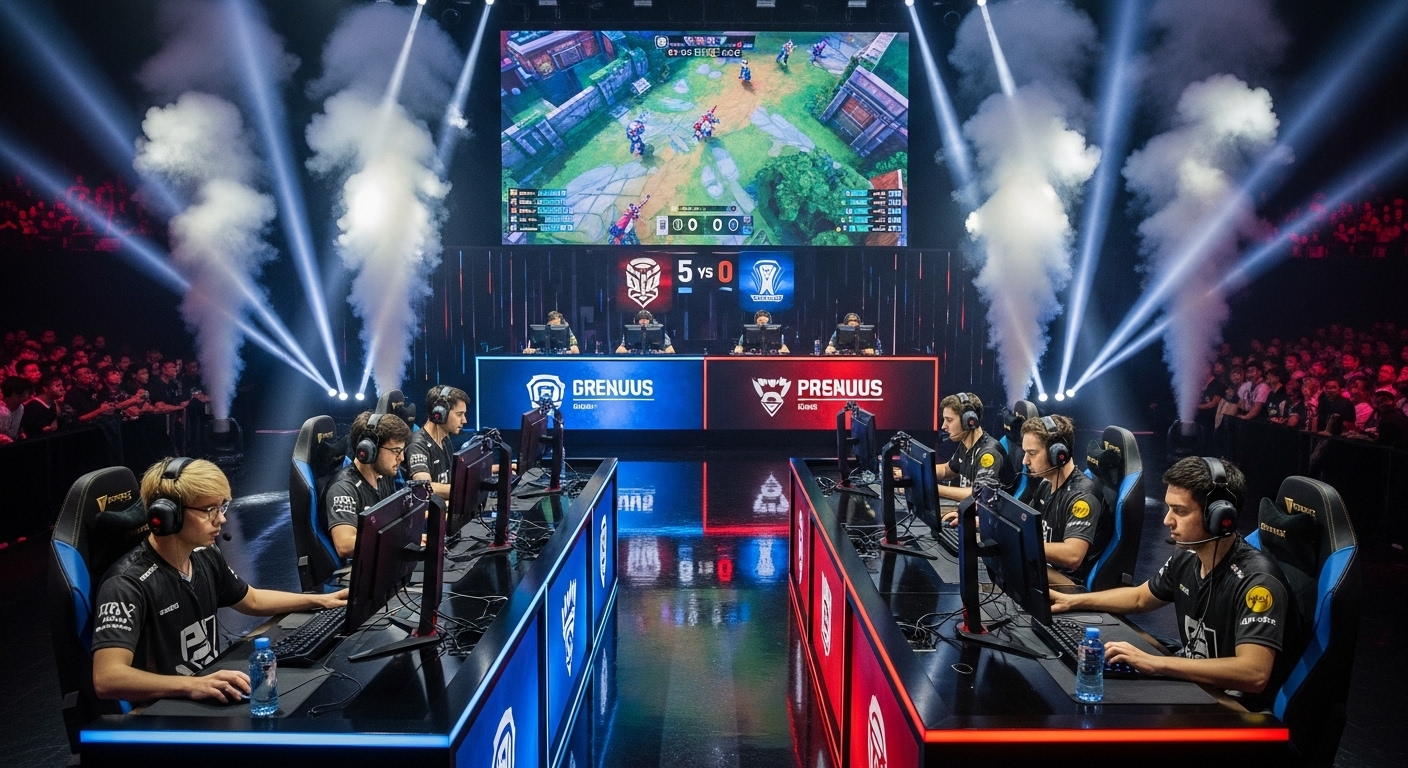
Esports, short for electronic sports, has emerged as one of the most significant cultural and economic phenomena of the 21st century. What began as a niche activity for gamers in the 1990s has blossomed into a multi-billion-dollar global industry, capturing the attention of millions worldwide. Esports is no longer just about playing video games for fun; it’s about professional competition, global tournaments, and even creating stars out of talented gamers. In this blog post, we explore the evolution of esports, its rise in popularity, the technological advancements driving its growth, and the profound cultural impact it has had on entertainment, society, and traditional sports.
The Origins of Esports: From Casual Play to Competitive Gaming
The roots of esports can be traced back to the early days of video gaming. In the 1970s and 1980s, gaming competitions were relatively informal and typically consisted of local, high-score-based contests in arcades. Titles such as Pong, Space Invaders, and Pac-Man ignited the idea of competition, but it wasn’t until the 1990s that competitive gaming began to take on a more formalized structure.
The Rise of LAN Parties and Online Competitions
The first real taste of competitive gaming came with local area network (LAN) parties, where groups of gamers connected their PCs together to compete in games like Quake and Warcraft. These gatherings became breeding grounds for the first esports communities, offering a space for players to face off in person and showcase their skills. While these events were limited to smaller circles of friends or regional players, they planted the seeds for larger-scale competitions.
The late 1990s also marked the rise of online gaming. Games like StarCraft and Counter-Strike brought competitive gaming into the digital age, allowing players from different parts of the world to compete in real-time. Early online tournaments began to emerge, and the first major online league, the Cyberathlete Professional League (CPL), was founded in 1997. The CPL hosted events for games like Quake and Unreal Tournament, and these early tournaments began to attract a growing fanbase.
The Explosion of Esports: Bringing Gaming to the Masses
The 2000s were a turning point for esports. As internet speeds increased and technology advanced, gaming became more accessible, and the potential for large-scale competitions became clear. Online streaming platforms, the rise of sponsorships, and professional gaming organizations transformed esports from a hobby into a legitimate career.
The Role of Streaming Platforms
In 2011, Twitch launched and quickly became the go-to platform for watching live gaming content. Twitch allowed gamers to broadcast their gameplay to a global audience, making it possible for professional gamers and casual streamers to gain significant followings. This direct connection between gamers and fans was a game-changer for esports, enabling live broadcasts of major tournaments and allowing fans to interact with players in real-time. Twitch’s rapid growth played a significant role in elevating esports to a mainstream form of entertainment.
By 2014, Amazon acquired Twitch for nearly $1 billion, solidifying the platform’s position as the leader in live-streamed gaming content. This acquisition was a testament to the growing recognition of esports as a legitimate entertainment industry. Other platforms, such as YouTube Gaming and Facebook Gaming, soon followed, further expanding the reach of esports competitions.
Esports Tournaments and Global Competitions
The creation of large-scale, international esports tournaments helped fuel the explosion of the industry. The League of Legends World Championship, first held in 2011, quickly became one of the biggest esports events in the world, attracting millions of viewers online and even selling out arenas. The prize pools for these events grew exponentially, with the League of Legends World Championship 2020 offering a prize pool of over $2 million. Other games, such as Dota 2, Counter-Strike: Global Offensive, and Overwatch, soon followed suit, creating their own prestigious tournaments.
Perhaps one of the most impressive examples of esports growth is The International for Dota 2, which offers one of the largest prize pools in all of esports. In 2018, the prize pool for The International reached a staggering $25 million, funded in part by the game’s community through in-game purchases. These kinds of prize pools not only demonstrate the financial success of esports but also the growing investment from both players and viewers in the competitive gaming scene.
The Emergence of Professional Esports Organizations
With the increasing popularity of esports, professional gaming organizations emerged. Teams such as Team Liquid, Cloud9, and T1 quickly became household names in the world of competitive gaming, signing top-tier players to represent them in various esports titles. These teams operated similarly to traditional sports organizations, offering salaries, sponsorships, coaching staff, analysts, and even sports psychologists to optimize performance.
The rise of these professional esports organizations also attracted investors, including venture capitalists and corporations, who saw the potential for profitable returns in the growing esports ecosystem. Companies like Red Bull, Coca-Cola, Intel, and Nike began to sponsor teams, tournaments, and events, elevating the industry’s financial standing and giving esports an air of legitimacy.
The Cultural Impact of Esports: Gaming as a Global Phenomenon
Esports has transcended its roots as a niche hobby to become a central part of global youth culture. The influence of esports can be seen in everything from fashion and music to the way traditional sports are evolving to incorporate gaming elements.
Gaming as a Career Path
In the early days of esports, being a professional gamer was a far-fetched dream for most. Today, however, playing video games at a professional level is a viable career option. Top-tier esports players can earn a living through tournament winnings, sponsorship deals, and streaming income. For many, esports has become a legitimate career path, attracting talent from across the globe.
Moreover, esports has given rise to a range of ancillary careers in broadcasting, content creation, event management, and team operations. As the esports industry grows, so too does the need for professionals in fields like marketing, media, and journalism, creating job opportunities for people passionate about gaming, even if they’re not directly competing.
The Fanbase and Community
Esports has cultivated a dedicated, global fanbase. Online platforms like Twitch and Discord allow fans to interact with players, coaches, and fellow enthusiasts. Esports has become a social experience, with fans gathering to watch live streams, discuss matches, and participate in online communities. Major tournaments now draw massive crowds, with stadiums packed with passionate fans who cheer on their favorite teams and players.
Unlike traditional sports, where fans might only get to see their favorite athletes in action once or twice a week, esports allows fans to watch professional players compete on a daily basis. The accessibility of live streams, combined with the low-cost entry for fans, has made esports a democratized form of entertainment.
Esports and Traditional Sports Integration
As esports has grown, it has started to converge with traditional sports. Many traditional sports leagues, including the NBA, NFL, and European football clubs, have launched esports divisions, and some have even entered into partnerships with esports organizations. The NBA 2K League, for example, is an official esports league based on the NBA 2K basketball video game, where players compete in virtual tournaments for cash prizes and recognition.
Furthermore, some professional athletes have started investing in esports teams or even transitioning into esports themselves. The Seattle Kraken, an NHL team, owns an esports organization called “Kraken Esports,” and former NFL player Richard Sherman has invested in esports teams. This blending of esports with traditional sports continues to blur the lines between the two, bringing esports further into the mainstream.
The Future of Esports: Innovation and Growth
Looking to the future, esports is poised for continued growth. Technological advancements, growing investments, and cultural shifts are all contributing factors to the evolution of the industry. Here are some key trends to watch in the coming years.
Virtual Reality and Augmented Reality
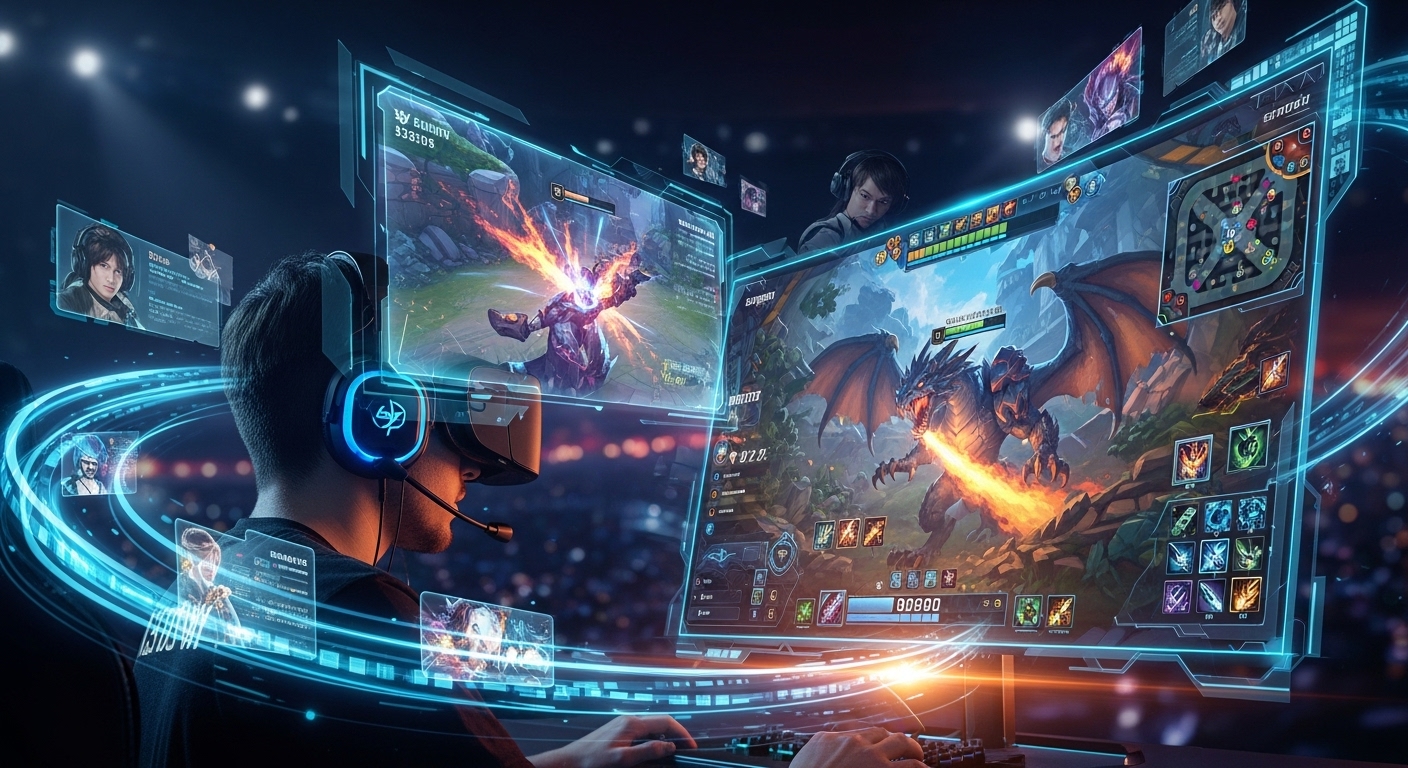
Virtual reality (VR) and augmented reality (AR) are two technologies that could revolutionize the esports experience. VR has the potential to make esports competitions even more immersive, allowing players to compete in fully virtual environments. Viewers could experience esports events from the perspective of the players, or even have the opportunity to watch the action from multiple angles in real-time.
AR could be used to enhance the spectator experience by overlaying stats, player bios, and other information directly onto the screen during live broadcasts. This kind of immersive technology could make esports events even more interactive and engaging for viewers.
The Expansion of Mobile Esports
While most major esports titles today are played on PCs or consoles, mobile gaming has seen tremendous growth over the past decade. Games like PUBG Mobile and Mobile Legends have paved the way for mobile esports competitions, with tournaments now attracting large audiences and sponsorships. As mobile devices continue to improve in terms of power and graphics, mobile esports are expected to become a more significant part of the global competitive gaming scene.
Increased Global Reach and Regional Competitions
Esports has already become a global industry, but there are still untapped markets, especially in regions like Africa, Latin America, and Southeast Asia. As the internet infrastructure improves in these areas, esports will continue to expand and attract new players and fans. Regional competitions and localized leagues will play a crucial role in fostering grassroots development and providing opportunities for players from different parts of the world to shine on the global stage.
Conclusion: Esports as a Mainstream Entertainment Industry
Esports has undergone a remarkable transformation from its early days as casual gaming competitions to becoming a fully-fledged global industry. With a passionate fanbase, significant corporate investment, and a growing cultural impact, esports is here to stay. As technology advances, the scope and scale of competitive gaming will continue to expand