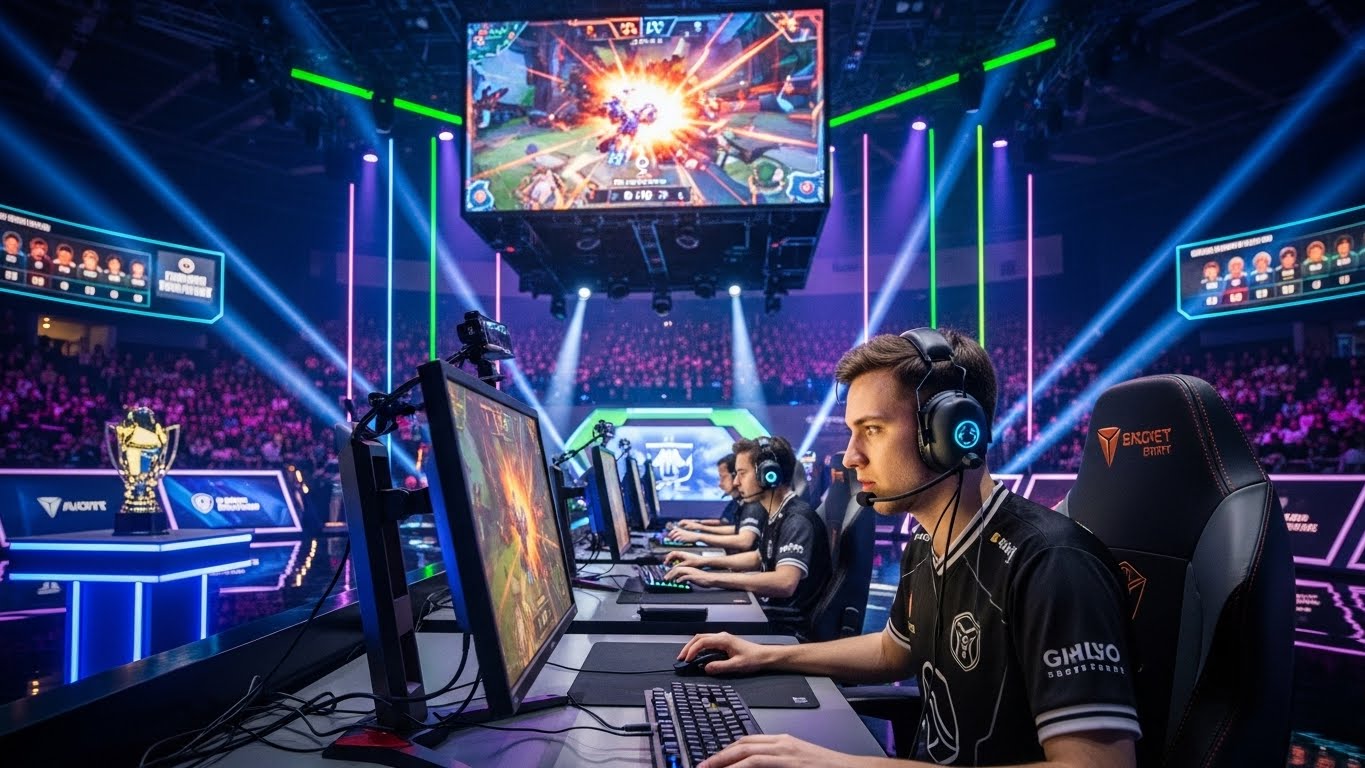
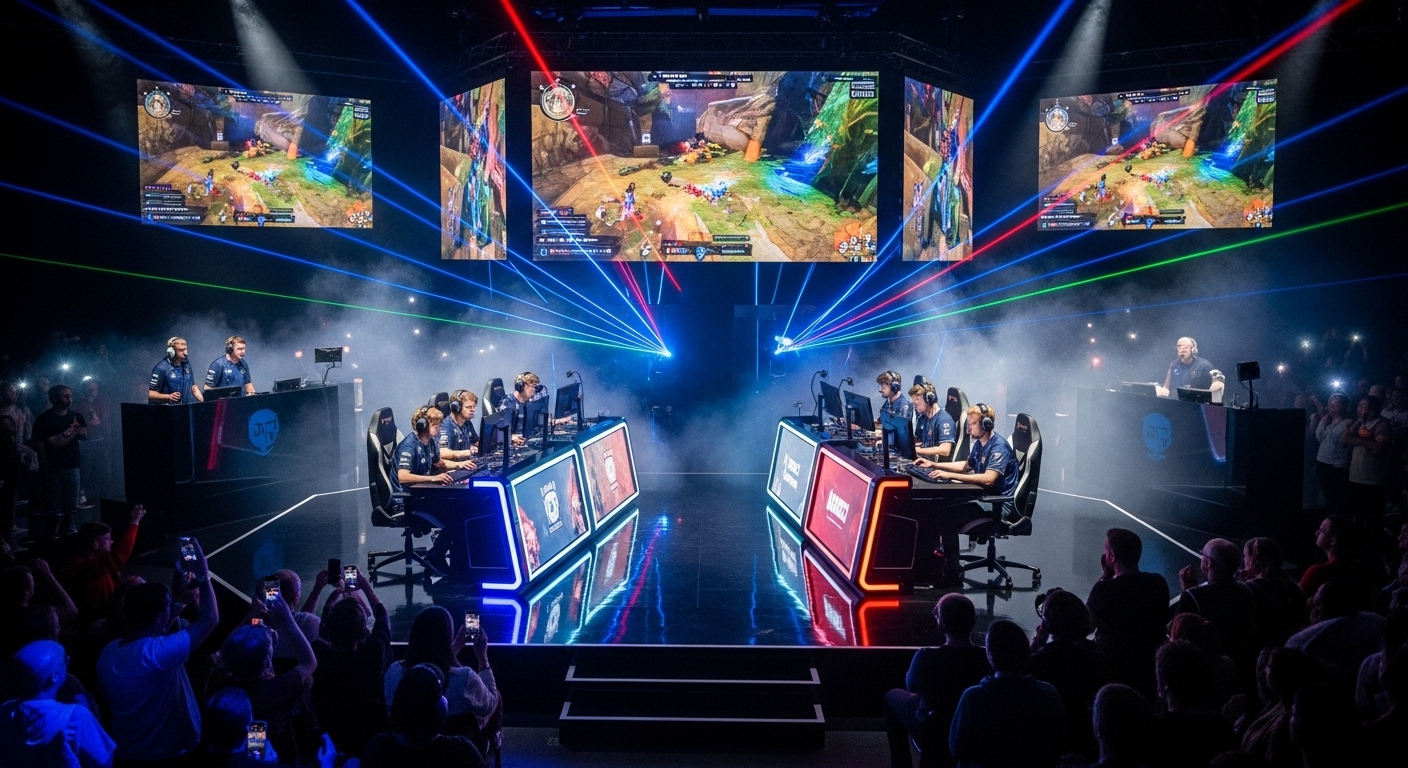
Esports has evolved from a casual pastime into a global phenomenon, redefining entertainment, competition, and digital culture. Once limited to small communities of gamers, esports now encompasses professional teams, international tournaments, and millions of dedicated fans worldwide. The rise of esports highlights the intersection of technology, skill, and strategy, creating a competitive environment that rivals traditional sports in both popularity and revenue. This blog explores the origins of esports, its cultural impact, economic significance, and its future potential.
The Origins of Competitive Gaming
Esports traces its roots back to the early days of video gaming. In the 1970s and 1980s, arcade games like Space Invaders and Pac-Man allowed players to compete for high scores. These competitions laid the groundwork for gaming communities and sparked early competitive spirit. The 1990s brought online multiplayer games such as StarCraft, Counter-Strike, and Quake, which enabled players from different regions to compete in real time. These early tournaments demonstrated that gaming could go beyond entertainment, demanding skill, strategy, and coordination. The foundations set during this era paved the way for the professional esports industry we see today.
The Emergence of Professional Esports
As online connectivity improved, esports transitioned from casual competition to a professional industry. Players formed organized teams, established training routines, and hired coaches to refine strategies. Games like League of Legends, Dota 2, and Overwatch became major esports titles, attracting global audiences. High-stakes tournaments with multi-million-dollar prize pools demonstrated that competitive gaming could rival traditional sports in intensity and prestige. Professional esports teams now operate like sports franchises, complete with management, branding, and sponsorships. The professionalization of esports legitimized gaming as a career and a mainstream form of entertainment.
Esports as a Global Phenomenon
One of esports’ most significant advantages is its ability to connect people across the globe. Players from different continents can compete against each other in real time, while millions of fans watch live tournaments from anywhere in the world. Streaming platforms allow audiences to engage directly with players, offering commentary, live reactions, and community interaction. This global reach has fostered diverse communities where talent, skill, and strategy are prioritized over physical location. Esports has effectively created a worldwide digital arena where players and fans unite through a shared passion.
Economic Significance of Esports
Esports has emerged as a billion-dollar industry with a multifaceted economic ecosystem. Revenue streams include sponsorships, merchandise, media rights, ticketed events, and advertising. Brands are increasingly investing in esports due to the highly engaged and digitally savvy audience it attracts. Professional players earn salaries, tournament winnings, and sponsorship deals, while organizations profit from streaming partnerships and merchandising. Esports also generates employment opportunities in game development, content creation, event management, and marketing. Its rapid economic growth underscores its potential as a sustainable and influential industry.
The Role of Streaming Platforms
Streaming platforms have played a pivotal role in the rise of esports. Platforms like Twitch and YouTube Gaming allow millions of viewers to watch live matches, follow favorite players, and participate in community discussions. Streaming also provides players with an additional revenue stream and a way to build personal brands. Unlike traditional sports, esports streaming is highly interactive, enabling viewers to engage in real time through chat and reactions. This interactive element makes esports a uniquely engaging form of entertainment, blending spectator involvement with competitive excitement.
Cultural Impact of Esports
Esports has grown into a cultural movement, influencing fashion, music, language, and social interaction, particularly among younger generations. Online communities form around specific games, creating fan networks that extend beyond digital spaces. Esports fosters creativity, strategic thinking, and teamwork, challenging stereotypes that gaming is purely recreational. The culture of esports celebrates skill, dedication, and innovation, creating a sense of identity and belonging for players and fans alike. It has become more than a game; it is a way of life for millions globally.
Training and Strategy in Esports
Professional esports players approach gaming with a level of discipline similar to athletes in traditional sports. Daily practice hones mechanical skills, reaction time, and decision-making. Teams employ coaches, analysts, and psychologists to develop strategies and optimize performance. Players review gameplay footage, study opponents, and adapt tactics for different competitive scenarios. Mental resilience is crucial, as high-pressure matches can be intense and stressful. The combination of skill, strategy, and teamwork highlights the complexity of esports and underscores its legitimacy as a serious competitive pursuit.
Diversity and Inclusion in Esports
Esports is inherently inclusive, offering opportunities for players of all backgrounds to compete. Unlike many traditional sports, physical attributes are less relevant, allowing women, minorities, and individuals from underrepresented regions to excel. Challenges such as online harassment and unequal representation still exist, but the industry is gradually fostering more inclusive environments. Diversity initiatives and community-driven efforts continue to create spaces where talent and dedication are prioritized over identity. Esports demonstrates that skill and strategy can transcend traditional barriers.
Esports in Education
Educational institutions are increasingly embracing esports programs. Schools and universities offer scholarships and competitive teams that teach students teamwork, strategy, and leadership. These programs provide structured opportunities for aspiring players while highlighting the cognitive and social benefits of gaming. Esports in education also opens career pathways in game development, broadcasting, event management, and digital marketing. By integrating esports into educational systems, institutions recognize the value of gaming beyond entertainment, emphasizing skill development and personal growth.
Esports as a Spectator Sport
Esports has become a major spectator sport, with millions of viewers tuning in to live tournaments online or attending events in stadiums. Fans follow their favorite players, analyze strategies, and interact with communities in real time. Unlike traditional sports, esports allows direct engagement through live commentary, audience polls, and interactive features. The immersive and participatory nature of esports enhances the viewing experience, creating an entertainment format that blends excitement with community involvement.
Health and Lifestyle Considerations
Professional esports players face unique physical and mental challenges. Long hours of practice can lead to eye strain, repetitive stress injuries, and posture problems. Mental health is also critical, as high-stakes competition can cause stress and burnout. Leading esports organizations implement fitness routines, mental coaching, and ergonomic support to maintain player well-being. Emphasizing health ensures longevity in competitive careers and reinforces the professionalism of esports as a demanding discipline.
Technological Innovation Driving Esports
Technology is central to esports’ growth and evolution. High-speed internet, advanced gaming hardware, and software innovations enable real-time global competition. Streaming technology allows live broadcasting to millions of viewers, while AI and analytics tools assist in performance optimization. Emerging technologies such as virtual reality and augmented reality promise to create more immersive esports experiences in the future. Continuous technological innovation ensures that esports remains at the forefront of entertainment and digital culture.
The Future of Esports
The future of esports is filled with potential. Virtual and augmented reality could transform gameplay, creating immersive and interactive competition environments. AI-powered analytics and training tools will enhance player performance and strategic planning. Expanding global internet access will allow talent from previously underserved regions to enter competitive esports. Integration with mainstream media, educational programs, and sponsorships will continue to increase, solidifying esports as a central pillar of entertainment and professional development.
Esports and Society
Esports reflects broader societal trends, including globalization, digital connectivity, and youth culture. It challenges conventional notions of sports by emphasizing skill, strategy, and teamwork over physical strength. Esports offers economic opportunities, professional pathways, and social engagement, building global communities around shared interests. It fosters creativity, problem-solving, and collaboration, demonstrating how technology can reshape entertainment, competition, and human interaction.
Conclusion: Esports as the Future of Competitive Entertainment
Esports has grown from casual gaming to a global industry, cultural phenomenon, and professional career path. Its combination of skill, strategy, and technology has created a competitive platform that captivates millions worldwide. By connecting players globally, promoting diversity and inclusion, and leveraging technological innovation, esports has redefined entertainment and competition in the digital age. The rise of esports shows that gaming is no longer just a hobby; it is a legitimate, influential, and sustainable part of modern society. As the industry continues to evolve, esports will shape the future of entertainment, professional development, and digital culture for generations to come.